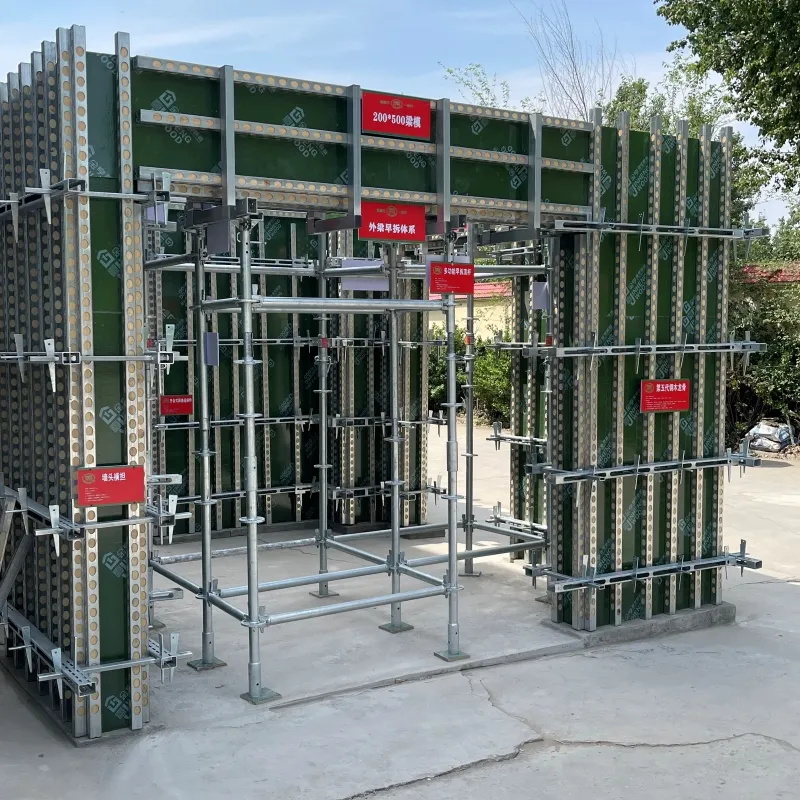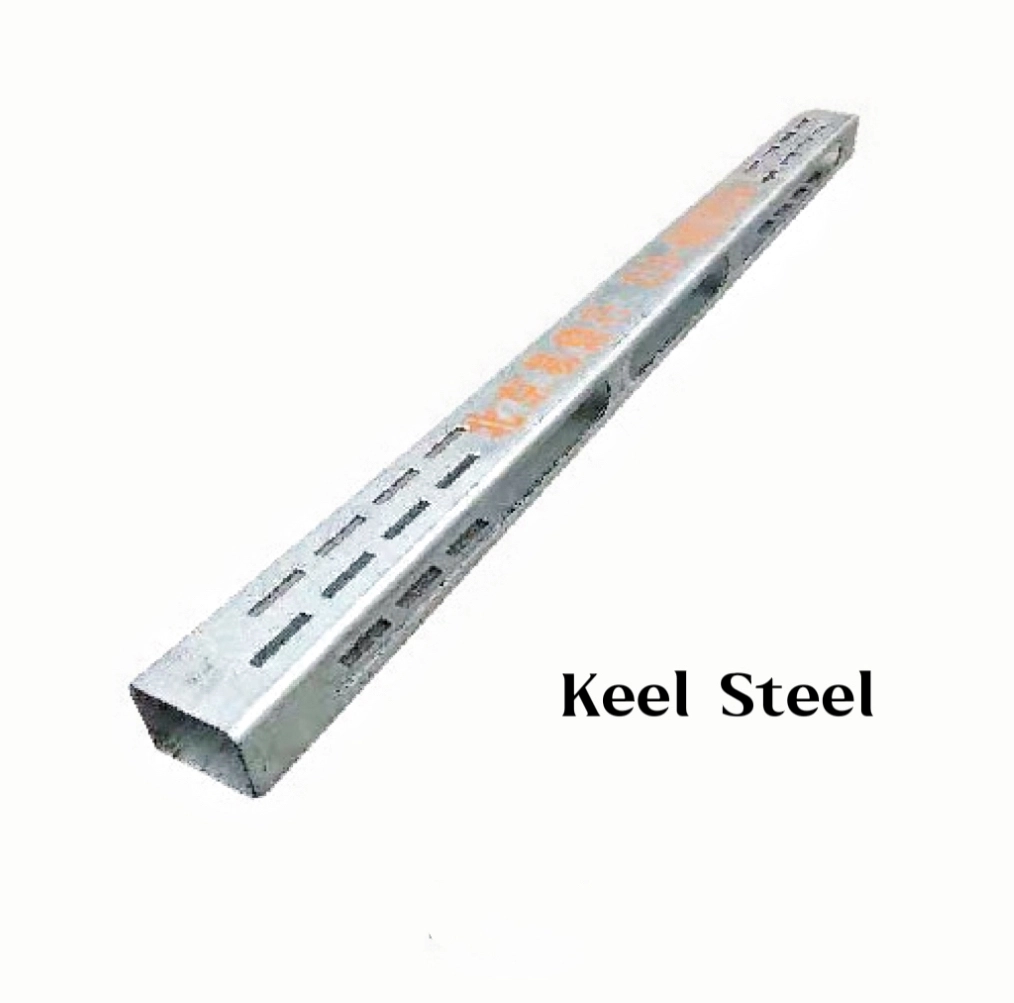

Steel Keel Material Thickness Guide
Understanding the appropriate thickness of steel keel materials is essential for ensuring structural integrity, cost-effectiveness, and compliance with industry standards. As a wholesaler, HeBei Yidingxing Technology Co.,LTD. recognizes that providing accurate information about light steel keel thickness helps partners select the right products for their specific applications. This guide explores the various thickness options for steel keel in english specifications, their applications, and the factors influencing thickness selection, offering valuable insights for efficient inventory management and customer satisfaction.
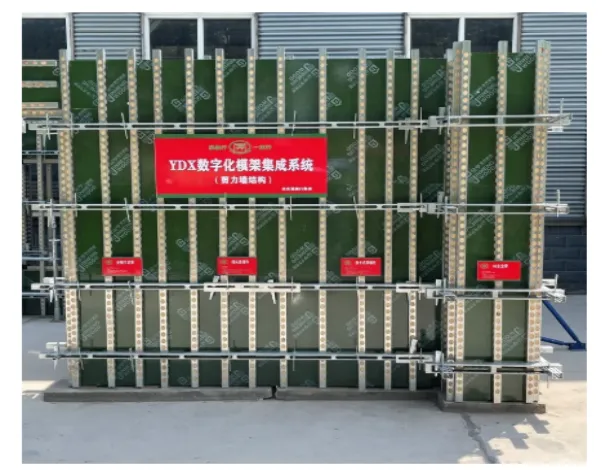
light steel keel Thickness: Standard Specifications
Common Thickness Ranges for Light Steel Keels
- Residential Applications: For residential construction, light steel keel materials typically range from 0.3mm to 0.8mm in thickness. These thinner keels are ideal for non-load-bearing partitions, ceiling frameworks, and interior wall structures where weight and cost efficiency are priorities. HeBei Yidingxing Technology Co.,LTD. offers a popular 0.5mm light steel keel that balances durability and affordability for most home projects.
- Commercial Applications: Commercial buildings often require thicker steel keeloptions, ranging from 0.8mm to 1.2mm. These keels provide enhanced strength for load-bearing walls, suspended ceilings in high-traffic areas, and structures supporting heavier cladding materials like gypsum boards or decorative panels. The 1.0mm thickness from HeBei Yidingxing Technology Co.,LTD. is a versatile choice for commercial use, meeting most building code requirements.
- Industrial Applications: Industrial settings demand the thickest steel keel in englishspecifications, with thicknesses ranging from 1.2mm to 2.0mm. These heavy-duty keels are designed to withstand extreme conditions, including heavy loads, vibration, and temperature fluctuations. They are commonly used in factories, warehouses, and industrial facilities where structural stability is critical.
Thickness Tolerances and Standards
- Manufacturing Tolerances: HeBei Yidingxing Technology Co.,LTD. maintains strict manufacturing tolerances for steel keelthickness, typically within ±0.02mm for standard products. This precision ensures consistency in performance and compatibility with other building materials, reducing installation issues for customers.
- International Standards Compliance: All light steel keelproducts from HeBei Yidingxing Technology Co.,LTD. adhere to international standards such as ASTM C645 and BS EN 14195, which specify thickness requirements for different applications. Compliance with these standards guarantees that the steel keel in english specifications meet global quality and safety benchmarks.
- Custom Thickness Options: For specialized projects, HeBei Yidingxing Technology Co.,LTD. offers custom steel keelthicknesses outside standard ranges, from 0.2mm for ultra-light applications to 2.5mm for extreme load-bearing needs. These custom options require minimum order quantities but provide flexibility for unique customer requirements.
Table: steel keel Thickness and Applications
|
Thickness (mm) |
steel keel in english Application Type |
Typical Uses |
HeBei Yidingxing Technology Co.,LTD. Availability |
|
0.3-0.5 |
Light-duty light steel keel |
Residential ceiling frameworks, small partitions |
In stock |
|
0.5-0.8 |
Medium-duty light steel keel |
Residential walls, low-load commercial ceilings |
In stock |
|
0.8-1.2 |
Heavy-duty steel keel |
Commercial load-bearing walls, suspended ceilings |
In stock |
|
1.2-2.0 |
Industrial-grade steel keel |
Industrial warehouses, factory partitions |
Made-to-order |
|
2.0-2.5 |
Ultra-heavy-duty steel keel |
Specialized industrial load-bearing structures |
Custom order |
steel keel in english Thickness: Factors Influencing Selection
Structural Requirements
- Load-Bearing Capacity: The primary factor determining steel keelthickness is the load the structure must support. Higher loads—from heavy cladding, equipment, or environmental forces like wind—require thicker keels. For example, a ceiling supporting lighting fixtures and air conditioning ducts needs a thicker light steel keel than one supporting only lightweight panels.
- Span Length: Longer spans between supporting structures necessitate thicker steel keel in english A keel spanning 6 meters requires greater thickness (1.0mm+) to prevent sagging compared to a 3-meter span, which can use a 0.6mm keel. HeBei Yidingxing Technology Co.,LTD. provides span-thickness charts to help customers select appropriate dimensions.
- Building Height: Taller buildings experience increased lateral forces, requiring thicker light steel keelmaterials for exterior walls and core structures. Thicker keels enhance rigidity, reducing sway and ensuring structural stability in high-rise constructions.
Environmental Factors
- Corrosion Resistance: In humid or coastal environments, thicker steel keelmaterials may be preferred, as they can accommodate thicker protective coatings (like galvanization) without compromising structural integrity. HeBei Yidingxing Technology Co.,LTD. offers galvanized steel keel in english options with zinc coatings, where thicker keels provide longer service life in corrosive conditions.
- Temperature Extremes: Extreme temperature variations can cause thermal expansion and contraction, stressing light steel keel Thicker keels (0.8mm+) better withstand these stresses, making them suitable for regions with harsh winters or hot climates.
- Seismic Activity: In earthquake-prone areas, thicker steel keelmaterials (1.0mm+) are recommended for their enhanced ductility and ability to absorb seismic forces. These keels provide greater structural resilience, reducing damage risk during tremors.
steel keel Thickness: Handling and Storage Considerations
Storage Requirements by Thickness
- Thin Keels (0.3-0.8mm): Thin light steel keelmaterials are more susceptible to bending and damage during storage. Store them horizontally on flat racks with sufficient support to prevent warping. HeBei Yidingxing Technology Co.,LTD. recommends using protective sleeves for individual keels and limiting stack height to 1 meter to avoid deformation.
- Thick Keels (0.8-2.0mm): Thicker steel keelmaterials are more rigid but heavier. Store them vertically on sturdy racks to save space, ensuring secure anchoring to prevent tipping. Stack heights can reach 2 meters for 1.0-1.2mm keels, with appropriate spacing between bundles for ventilation.
- Galvanized Keels: All galvanized steel keel in englishproducts should be stored in dry, covered areas to prevent moisture accumulation, which can cause white rust (zinc oxidation). Use pallets to elevate keels off the ground and maintain airflow.
Handling Guidelines for Different Thicknesses
- Manual Handling: Thin light steel keel(0.3-0.6mm) can be handled manually by 2-3 workers, but care must be taken to avoid bending. Use gloves to prevent cuts and ensure a secure grip.
- Mechanical Assistance: Thicker steel keel(1.2mm+) requires forklifts or hoists for movement due to their weight. HeBei Yidingxing Technology Co.,LTD. provides lifting points on bulk packaging to facilitate safe mechanical handling, reducing injury risk and product damage.
- Cutting and Fabrication: Thicker steel keel in englishspecifications require more powerful cutting tools (e.g., hydraulic shears) compared to thin keels, which can be cut with manual tools. Advise customers on appropriate equipment based on keel thickness to ensure clean, precise cuts.
light steel keel FAQS
What is the most commonly used thickness for light steel keel in residential construction?
The most commonly used thickness for light steel keel in residential construction is 0.5mm. This thickness balances strength, weight, and cost, making it suitable for non-load-bearing walls, ceiling frameworks, and interior partitions. HeBei Yidingxing Technology Co.,LTD. reports that 0.5mm keels account for over 60% of their residential sales, as they meet most building codes and provide adequate durability for home use.
How does steel keel thickness affect pricing?
Steel keel thickness directly impacts pricing, with thicker keels costing more due to increased material usage. For example, a 1.0mm keel from HeBei Yidingxing Technology Co.,LTD. typically costs 30-40% more than a 0.5mm keel of the same length and profile. The price increase is proportional to thickness, as raw steel constitutes a significant portion of production costs. However, thicker keels often offer better long-term value due to their longer lifespan and higher load capacity.
Can steel keel in english specifications be customized to non-standard thicknesses?
Yes, steel keel in english specifications can be customized to non-standard thicknesses. HeBei Yidingxing Technology Co.,LTD. accommodates custom orders for thicknesses ranging from 0.2mm to 2.5mm, depending on minimum order quantities (typically 5 tons for non-standard sizes). Custom thicknesses are ideal for specialized applications where standard options don’t meet structural requirements, though they may require longer lead times for production.
How do I determine the appropriate light steel keel thickness for a specific project?
To determine the appropriate light steel keel thickness, consider the project’s load requirements, span lengths, building height, and environmental conditions. Consult local building codes, which often specify minimum thicknesses for different applications. HeBei Yidingxing Technology Co.,LTD. provides a thickness selection tool that factors in these variables, or their technical team can offer personalized recommendations based on project details.
Does thicker steel keel always mean better performance?
No, thicker steel keel does not always mean better performance. While thicker keels offer increased strength, they are also heavier and more expensive, which can be unnecessary for low-load applications. Using an overly thick steel keel in english specification may increase material costs and installation difficulty without added benefit. The best performance comes from selecting the optimal thickness for the specific application, balancing strength, weight, and cost—guidance HeBei Yidingxing Technology Co.,LTD. provides to partners and customers.
Understanding steel keel thickness specifications is crucial for wholesalers to meet diverse customer needs and ensure structural integrity in construction projects. From thin 0.3mm light steel keel for residential partitions to thick 2.0mm industrial keels, each thickness serves a specific purpose, influenced by load requirements, environmental factors, and building codes. HeBei Yidingxing Technology Co.,LTD.’s commitment to precision manufacturing, quality control, and customer support ensures that partners have access to the right thickness options for every application.
By leveraging the insights in this guide—from standard specifications to handling considerations—wholesalers can optimize inventory, provide informed recommendations, and enhance customer satisfaction. Proper thickness selection not only ensures structural performance but also contributes to cost efficiency, making it a critical aspect of successful steel keel distribution.
As the construction industry evolves, staying informed about steel keel in english thickness standards and innovations will remain essential. With HeBei Yidingxing Technology Co.,LTD. as a partner, wholesalers can confidently meet market demands, offering high-quality, appropriately specified steel keel products for any project.
-
Comprehensive Guide to Scaffolding Rods for Safe Construction PracticesNewsFeb.24,2026
-
Comprehensive Guide to Different Types of Scaffolding for Construction ProjectsNewsFeb.11,2026
-
The Crucial Role and Safe Use of Scaffolding in Modern Construction ProjectsNewsJan.30,2026
-
Maximize Productivity and Safety with a Versatile 7m Scaffold TowerNewsJan.27,2026
-
6m Scaffold Tower: A Comprehensive Guide for B2B BuyersNewsJan.26,2026
-
6ft Scaffold: Durability and Safety in ConstructionNewsJan.25,2026
-
6 Scaffolding: A Modern Construction SolutionNewsJan.24,2026