
Comprehensive Guide to Different Types of Scaffolding for Construction Projects
Understanding the Different Types of Scaffolding
Scaffolding is a temporary structure used to support workers and materials during construction, maintenance, and repair of buildings, bridges, and other structures. Choosing the right type of scaffolding is crucial for ensuring safety, efficiency, and cost-effectiveness. There's a wide array of scaffolding options available, each with its own strengths and weaknesses. This article provides a comprehensive overview of the different types of scaffolding, their applications, and key considerations when selecting the appropriate system for your project.
1. Supported Scaffolding: The Foundation of Many Projects
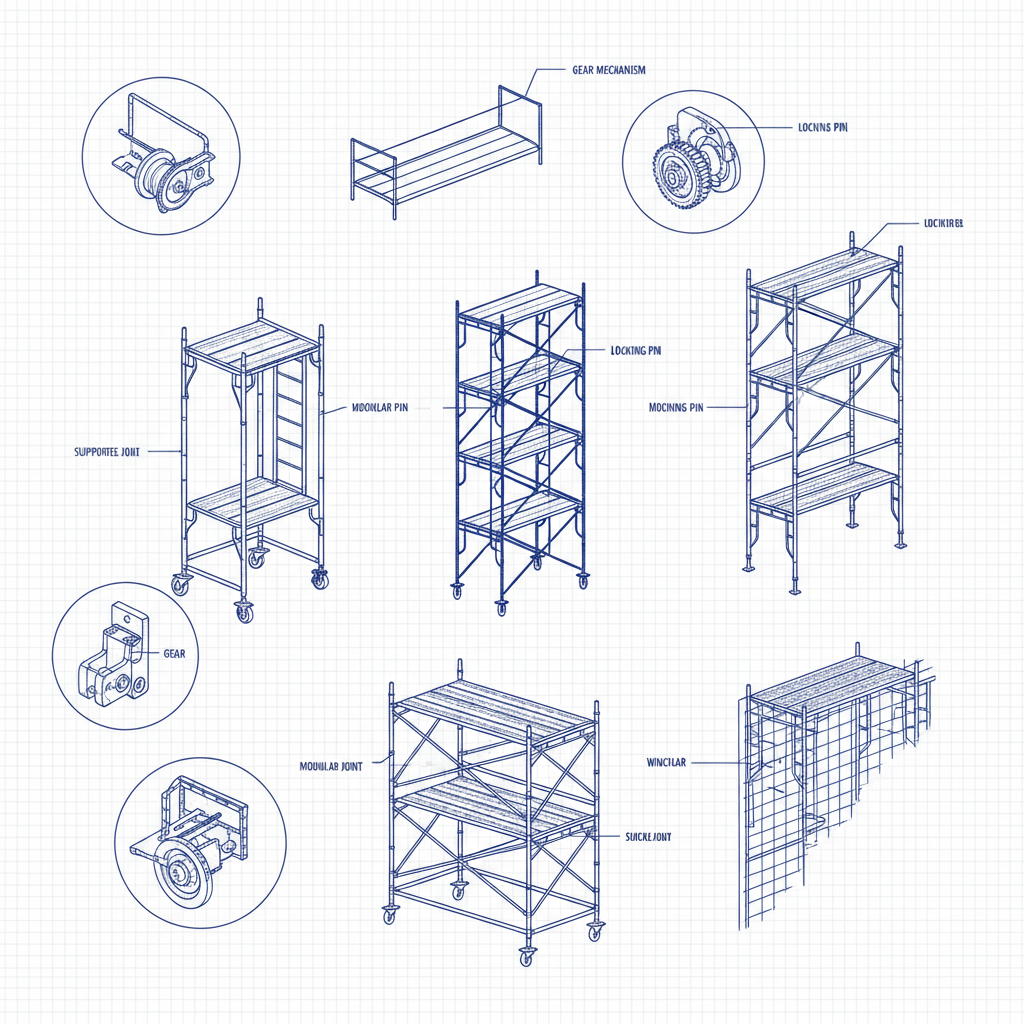
Supported scaffolding, also known as traditional scaffolding, is the most common type. It relies on a supporting base – typically the ground – to bear the weight of the structure and the workers. It’s built using standards (vertical poles), ledgers (horizontal members), and transoms (cross members). Supported scaffolding is versatile and can be adapted to various heights and configurations. It's generally more affordable than suspended systems, making it ideal for projects where ground access is readily available. However, it requires more time to erect and dismantle, and its footprint can be larger than other types.
2. Suspended Scaffolding: Reaching New Heights
Suspended scaffolding, also called hanging scaffolding, is ideal for jobs where ground access is limited or impractical, such as high-rise building maintenance or window cleaning. It’s suspended from above using ropes, cables, or chains. Common types include swing stage scaffolding, which allows workers to move horizontally along a suspended platform, and parachute scaffolding, designed for descending and ascending buildings. While offering greater flexibility and access, suspended scaffolding requires rigorous safety checks and trained operators due to the inherent risks associated with working at height.
Key Benefits of Suspended Scaffolding: Ideal for high-rise work, provides excellent access, reduces ground footprint, adaptable to complex facades.
3. Rolling Scaffolding: Mobility and Convenience
Rolling scaffolding, also known as mobile scaffolding, is a self-supporting system mounted on wheels, allowing for easy movement around a work site. It's commonly used for interior work, painting, and light maintenance tasks. Rolling scaffolding is quick to set up and dismantle, making it a cost-effective solution for projects requiring frequent relocation. However, it’s crucial to ensure the wheels are locked during use and that the platform is stable, especially on uneven surfaces.
4. Frame Scaffolding: Versatility and Strength
Frame scaffolding consists of pre-fabricated frames connected with cross-braces and platforms. It's a versatile and relatively easy-to-erect system suitable for various applications, including bricklaying, plastering, and general construction. Frame scaffolding offers good stability and load-bearing capacity. However, its height is limited by the available frame sizes, and it may not be suitable for complex geometries.
5. System Scaffolding: Adaptability and Efficiency – A Comprehensive Comparison
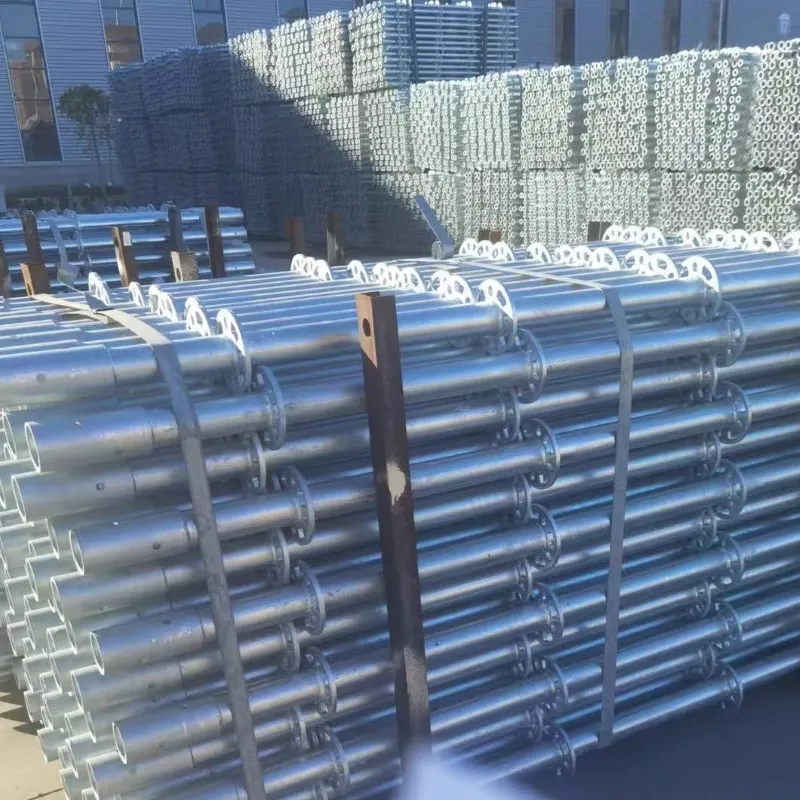
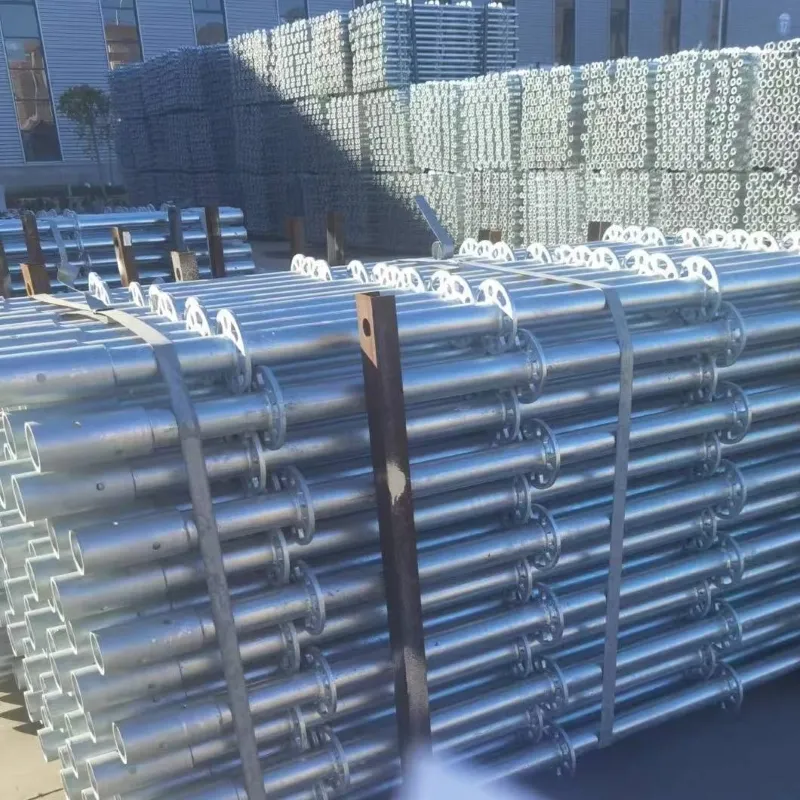
System scaffolding is a modular system using pre-fabricated components that can be configured to create a wide range of scaffolding structures. It’s highly adaptable, allowing for complex geometries and varying heights. System scaffolding is often used for large-scale construction projects, industrial maintenance, and facade restoration. It’s more expensive than traditional scaffolding, but its efficiency and flexibility can offset the initial cost.
6. Mobile Access Towers: Quick and Easy Access
Mobile access towers (MATs) are a lightweight and easily portable type of scaffolding designed for short-duration tasks. They're constructed from aluminum and feature a ladder access. MATs are ideal for interior work, such as electrical installations, painting, and ceiling repairs. They are quick to erect and dismantle, offering a cost-effective solution for projects with limited access. Always ensure proper bracing and stabilization before use.
Conclusion: Choosing the Right Scaffolding for Your Needs
Selecting the appropriate type of scaffolding is crucial for ensuring worker safety, project efficiency, and cost-effectiveness. Consider the height, complexity, and duration of the project, as well as site access and budgetary constraints. Formwork Reinforced offers a wide range of scaffolding solutions to meet your specific requirements. Prioritize safety and always comply with relevant regulations.
Frequently Asked Questions (FAQs)
What safety precautions should be taken when using scaffolding?
Safety is paramount when working with scaffolding. Always inspect the scaffolding before use to ensure it’s stable and properly erected. Ensure guardrails and toe boards are in place. Workers should wear appropriate fall protection equipment, such as harnesses and lanyards. Avoid overloading the scaffolding and never exceed the maximum load capacity. Proper training on safe scaffolding practices is essential for all personnel involved. Regular inspections by a competent person are also crucial.
What are the regulations governing scaffolding use?
Scaffolding use is governed by stringent regulations that vary by country and region. In the US, OSHA (Occupational Safety and Health Administration) sets the standards. These regulations cover aspects such as scaffolding design, erection, inspection, and worker training. It's crucial to be familiar with and comply with all applicable regulations to avoid penalties and, more importantly, to ensure worker safety. Always consult local authorities and industry best practices.
How do I choose the right scaffolding for a specific project?
Choosing the right scaffolding depends on several factors, including the height and complexity of the project, the weight of the materials to be lifted, the site conditions, and the budget. Consider whether you need a mobile system, a suspended system, or a traditional supported system. Evaluate the access requirements and the need for specialized features, such as weather protection. Consulting with a scaffolding professional can help you determine the most appropriate solution for your specific needs.
What is the importance of scaffolding inspection?
Regular scaffolding inspection is critical for identifying potential hazards and ensuring the safety of workers. Inspections should be conducted before each work shift and after any modifications to the scaffolding. Inspectors should look for damaged components, unstable connections, missing guardrails, and any other defects. Any identified issues should be addressed immediately before work resumes. Thorough inspection records should be maintained.
-
Comprehensive Guide to Scaffolding Rods for Safe Construction PracticesNewsFeb.24,2026
-
The Crucial Role and Safe Use of Scaffolding in Modern Construction ProjectsNewsJan.30,2026
-
Maximize Productivity and Safety with a Versatile 7m Scaffold TowerNewsJan.27,2026
-
6m Scaffold Tower: A Comprehensive Guide for B2B BuyersNewsJan.26,2026
-
6ft Scaffold: Durability and Safety in ConstructionNewsJan.25,2026
-
6 Scaffolding: A Modern Construction SolutionNewsJan.24,2026
-
Tubular Welded Frame Scaffold – Durable Modular Scaffolding for Industry | Formwork ReinforcedNewsJan.07,2026