
Comprehensive Guide to Scaffolding Rods for Safe Construction Practices
Understanding Scaffolding Rods: A Comprehensive Guide
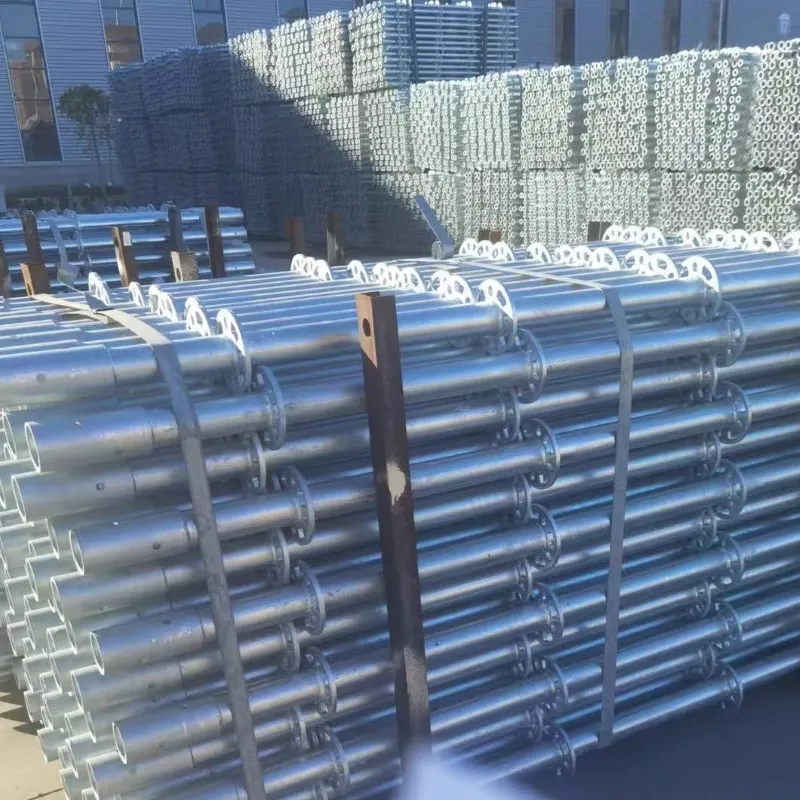
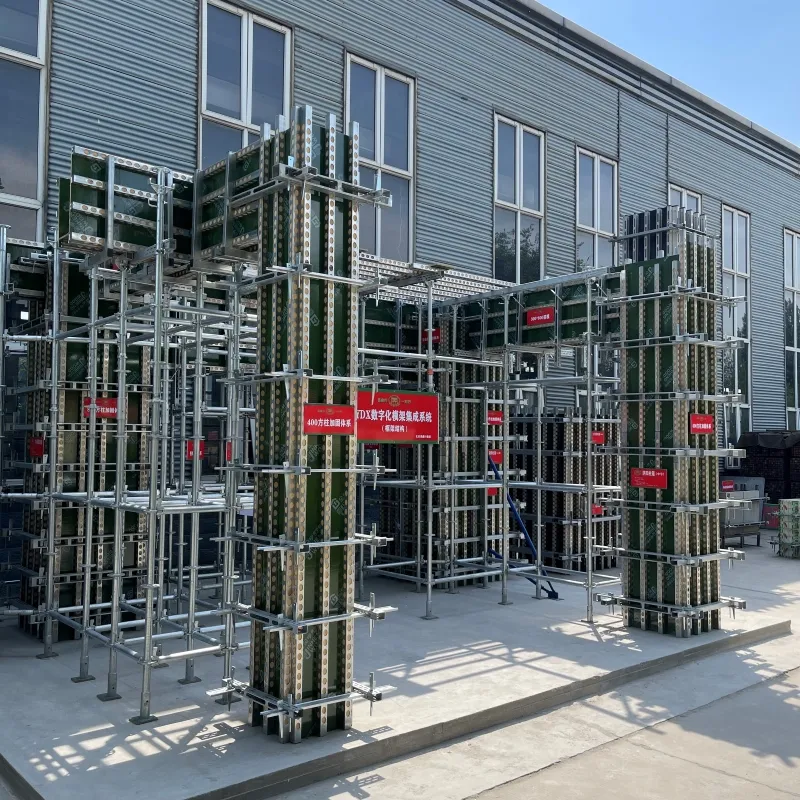
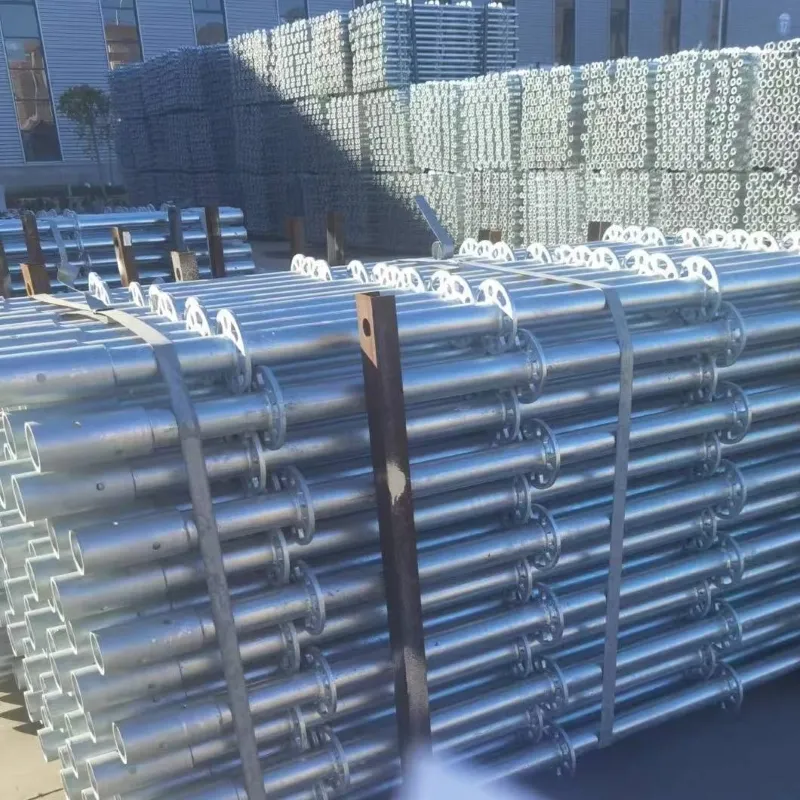
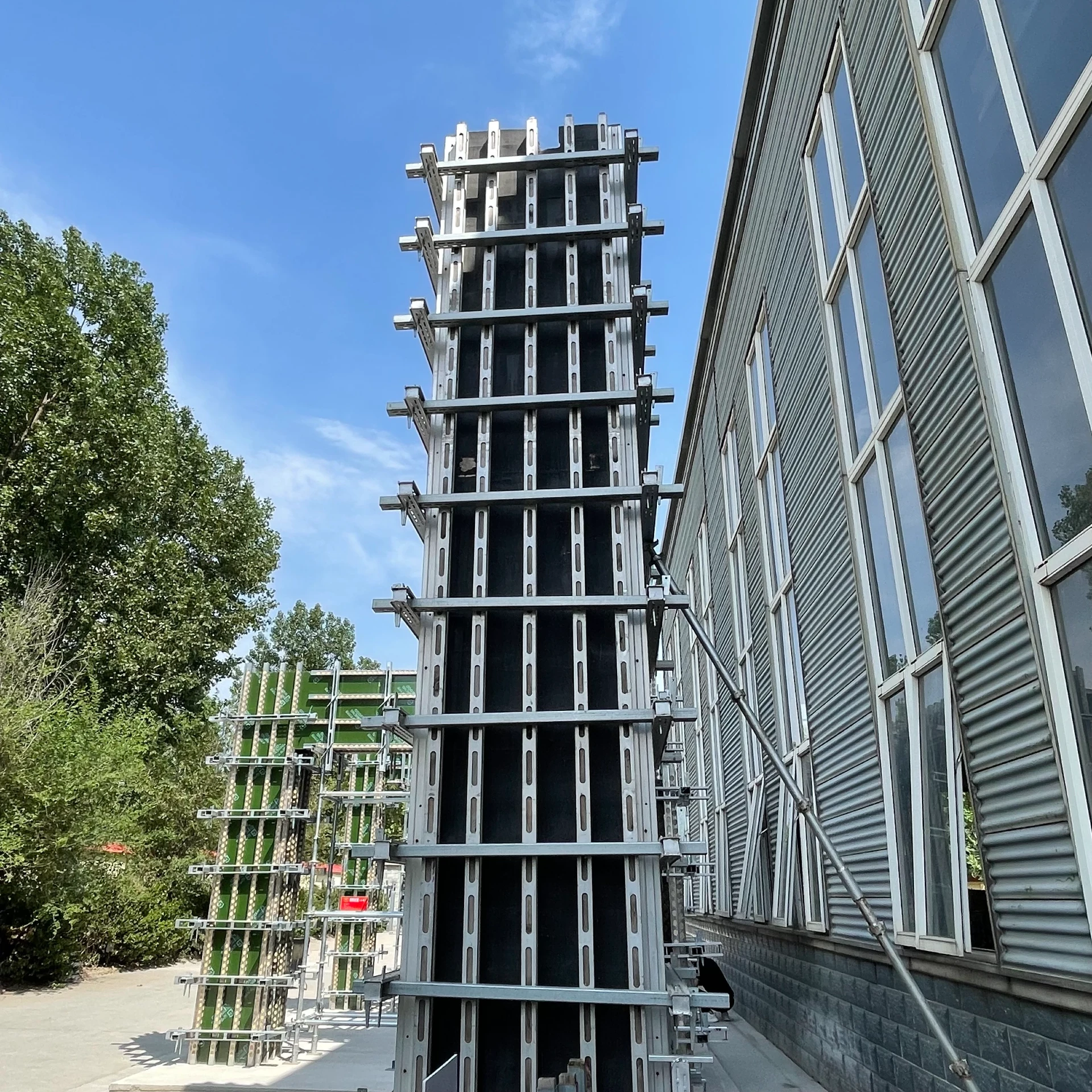
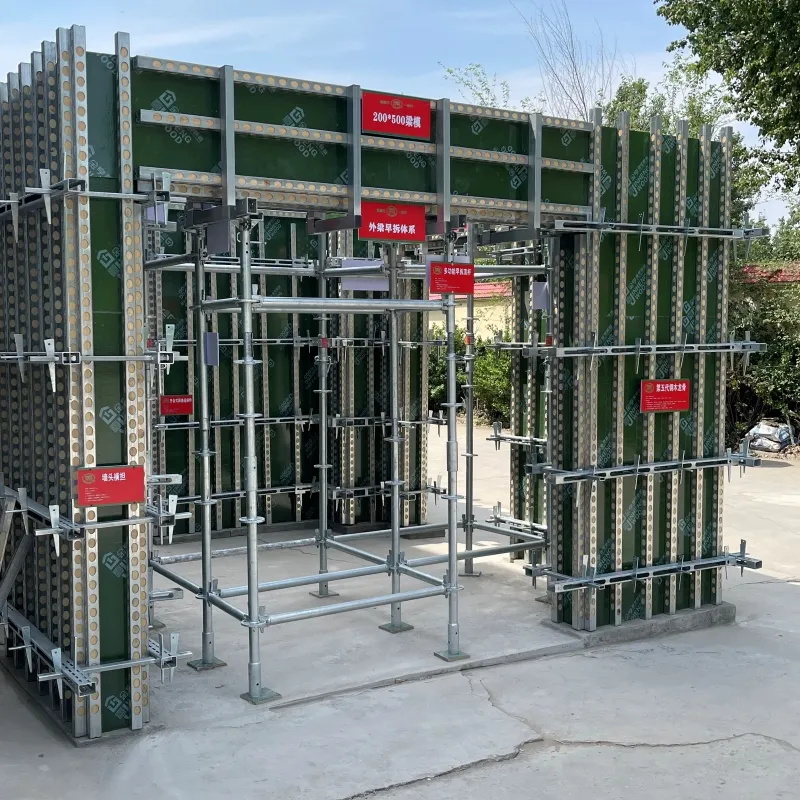
Scaffolding rods are fundamental components in creating safe and stable work platforms at height. Essential for construction, maintenance, and various industrial applications, these rods ensure the structural integrity of scaffolding systems. Choosing the right scaffolding rod, understanding its specifications, and adhering to safety standards are crucial for preventing accidents and ensuring worker well-being. This article provides a detailed overview of scaffolding rods, covering types, materials, applications, safety considerations, and where to source high-quality products. Explore our range of scaffolding solutions at Formwork Reinforced, your trusted partner for construction materials.
Types of Scaffolding Rods
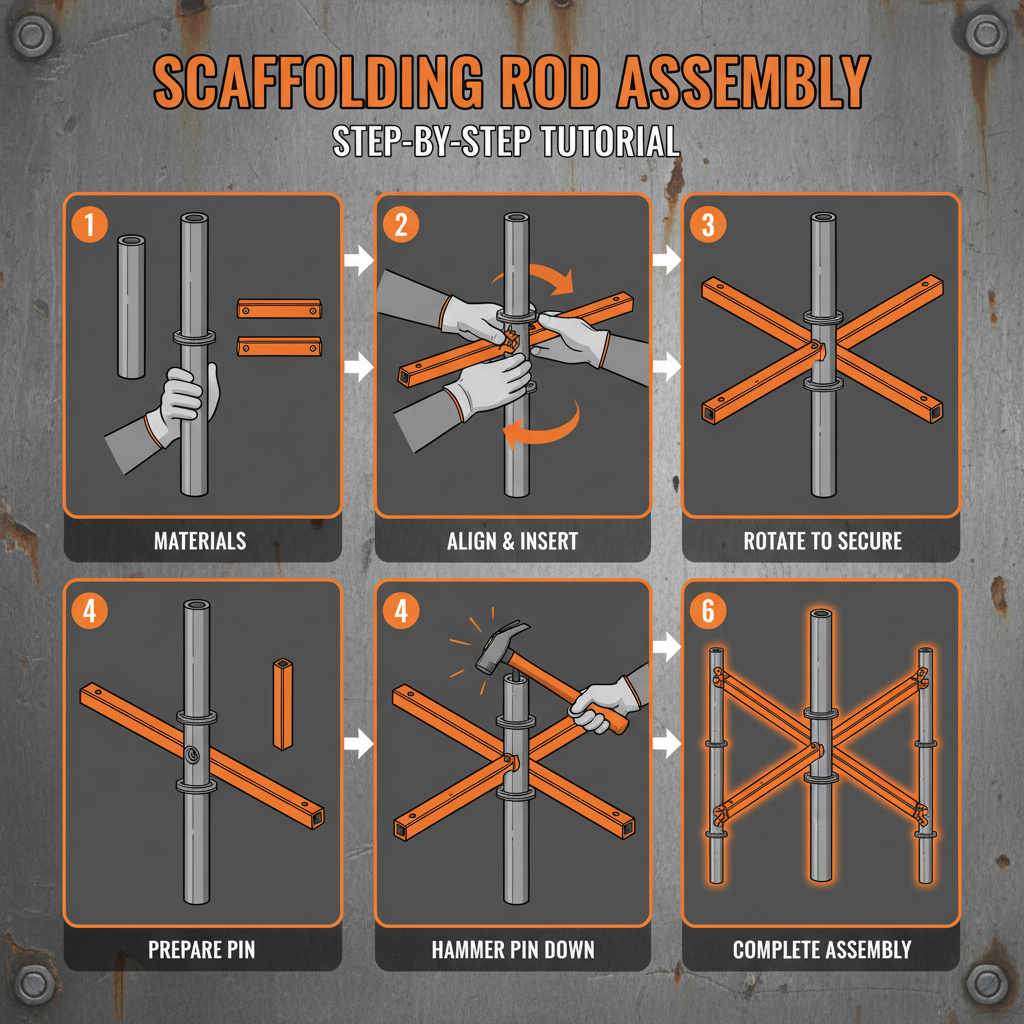
Scaffolding rods are not all created equal. Different types cater to varying load requirements and structural needs. The most common types include:
- Vertical Standards: These form the upright supports of the scaffolding structure.
- Horizontal Members: Used to connect vertical standards, providing lateral stability.
- Diagonal Braces: Essential for cross-bracing, enhancing the rigidity and preventing sway.
- Ledger Rods: Support the work platforms.
The choice of rod type depends on the specific scaffolding design and the weight it needs to support. Proper selection is critical for safety and compliance.
Materials Used in Scaffolding Rod Construction
The material used in scaffolding rod construction significantly impacts its strength, durability, and resistance to corrosion. Common materials include:
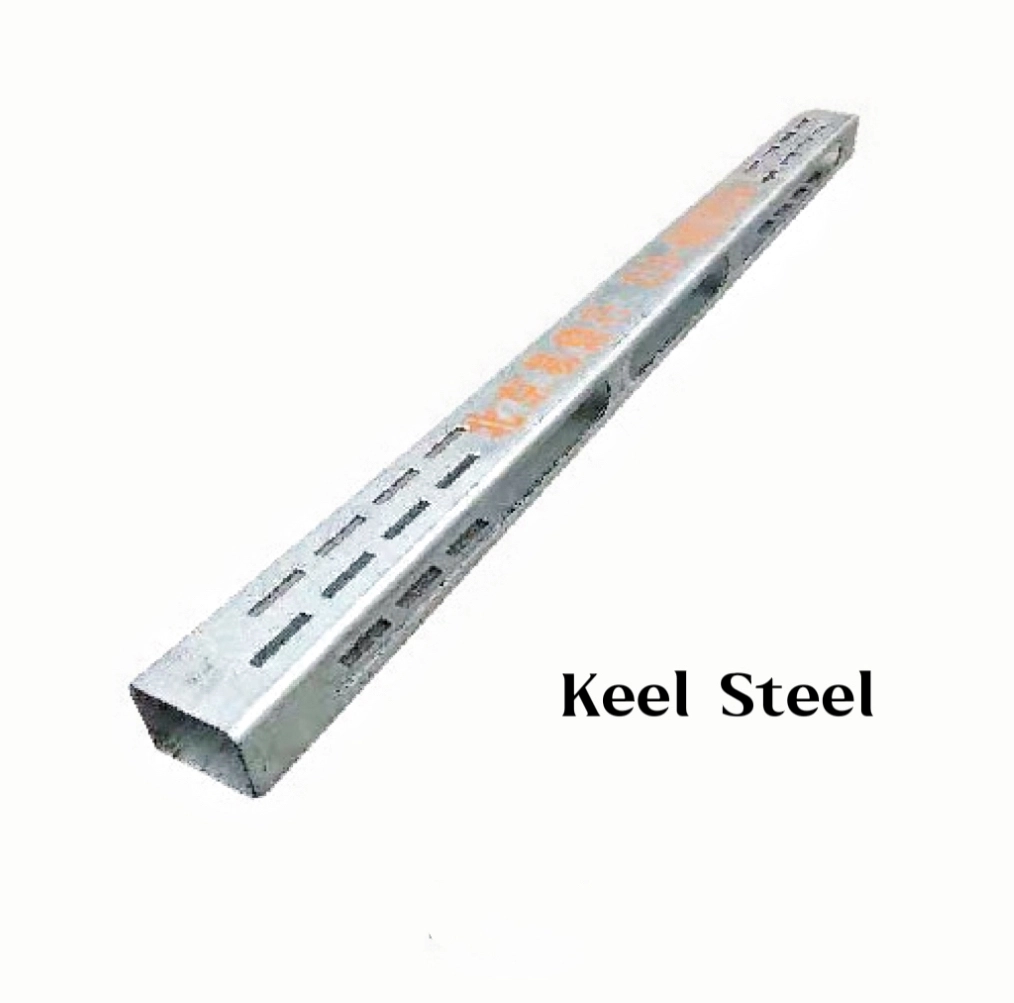
- Steel: The most widely used material due to its high strength-to-weight ratio and cost-effectiveness. Often galvanized to prevent rust.
- Aluminum: Lightweight, making it ideal for applications where ease of handling is crucial. However, it’s generally less strong than steel.
- Fiberglass: Non-conductive, making it a safe choice for working near electrical hazards. Also corrosion-resistant.
Choosing the right material depends on the specific application and environmental conditions. Formwork Reinforced offers scaffolding rods made from high-quality steel and aluminum.
Scaffolding Rod Specifications: Understanding the Details
Understanding scaffolding rod specifications is crucial for ensuring compatibility and safety. Key specifications include diameter, length, and load capacity. Different grades of steel and aluminum offer varying strengths. Here’s a typical specification table:
Safety Considerations When Using Scaffolding Rods
Safety is paramount when working with scaffolding. Here are key considerations:
- Regular Inspections: Inspect rods for damage, corrosion, or deformation before each use.
- Proper Erection: Ensure scaffolding is erected by trained personnel following established procedures.
- Secure Connections: Verify all connections are tight and secure.
- Load Limits: Never exceed the load capacity of the scaffolding.
- Fall Protection: Always use appropriate fall protection equipment, such as harnesses and guardrails.
Ignoring these safety guidelines can lead to serious accidents. Always prioritize safety.
Applications of Scaffolding Rods
Scaffolding rods are versatile and used in various industries:
- Construction: Building and repairing structures.
- Maintenance: Accessing hard-to-reach areas for maintenance tasks.
- Industrial Cleaning: Providing platforms for cleaning large surfaces.
- Painting & Decorating: Offering stable platforms for painting and decorating work.
- Event Setup: Supporting temporary structures for events.
The adaptability of scaffolding makes it an indispensable tool across a wide spectrum of applications.
Conclusion: Investing in Quality Scaffolding Rods
Choosing high-quality scaffolding rods from a reputable supplier like Formwork Reinforced is a crucial investment in safety and productivity. Proper material selection, adherence to safety guidelines, and regular inspections are essential for preventing accidents and ensuring a secure work environment. Don't compromise on the integrity of your scaffolding system – choose reliability and performance.
Frequently Asked Questions (FAQs)
What is the typical lifespan of a galvanized steel scaffolding rod?
The lifespan of a galvanized steel scaffolding rod depends on its usage frequency, exposure to harsh environments (like saltwater or acidic conditions), and maintenance. With proper care and regular inspections, a galvanized steel rod can last 10-15 years or longer. However, the galvanization coating will eventually wear down, leading to corrosion. Regular cleaning and application of rust-preventative coatings can extend the lifespan. It’s vital to retire any rod showing significant corrosion or structural damage, even if it hasn't reached the estimated lifespan.
Can scaffolding rods be used interchangeably between different scaffolding systems?
Not necessarily. While rods may appear similar, compatibility depends on the specific connecting mechanisms and load-bearing requirements of each system. Using incompatible rods can compromise the stability of the scaffolding and create a serious safety hazard. It is crucial to use rods specifically designed and approved for the scaffolding system being used. Always consult the manufacturer’s guidelines for compatibility information. Formwork Reinforced can advise on system compatibility.
What are the key signs of damage in a scaffolding rod that warrant its removal from service?
Several signs indicate a scaffolding rod needs to be removed from service immediately. These include: significant corrosion or rust, visible cracks or dents, deformation or bending, damaged threads or connecting points, and any evidence of welding or repair attempts. Even seemingly minor damage can weaken the rod and compromise its load-bearing capacity. A thorough inspection before each use is essential for identifying these issues. Any rod showing signs of damage should be clearly marked as unusable and removed from the worksite.
How does wind affect the stability of scaffolding, and what precautions should be taken?
Wind exerts significant force on scaffolding, potentially causing instability or even collapse. The higher the scaffolding, the greater the wind load. Precautions include: checking weather forecasts and postponing work in high winds, ensuring proper bracing and tie-offs to a stable structure, reducing the surface area exposed to the wind (using wind screens if necessary), and regularly inspecting connections for tightness. Specific wind load limits vary depending on the scaffolding design and local regulations. It is crucial to adhere to these limits and prioritize safety in windy conditions.
-
Comprehensive Guide to Different Types of Scaffolding for Construction ProjectsNewsFeb.11,2026
-
The Crucial Role and Safe Use of Scaffolding in Modern Construction ProjectsNewsJan.30,2026
-
Maximize Productivity and Safety with a Versatile 7m Scaffold TowerNewsJan.27,2026
-
6m Scaffold Tower: A Comprehensive Guide for B2B BuyersNewsJan.26,2026
-
6ft Scaffold: Durability and Safety in ConstructionNewsJan.25,2026
-
6 Scaffolding: A Modern Construction SolutionNewsJan.24,2026
-
Tubular Welded Frame Scaffold – Durable Modular Scaffolding for Industry | Formwork ReinforcedNewsJan.07,2026