
The Crucial Role and Safe Use of Scaffolding in Modern Construction Projects
The Crucial Use of Scaffolding in Modern Construction
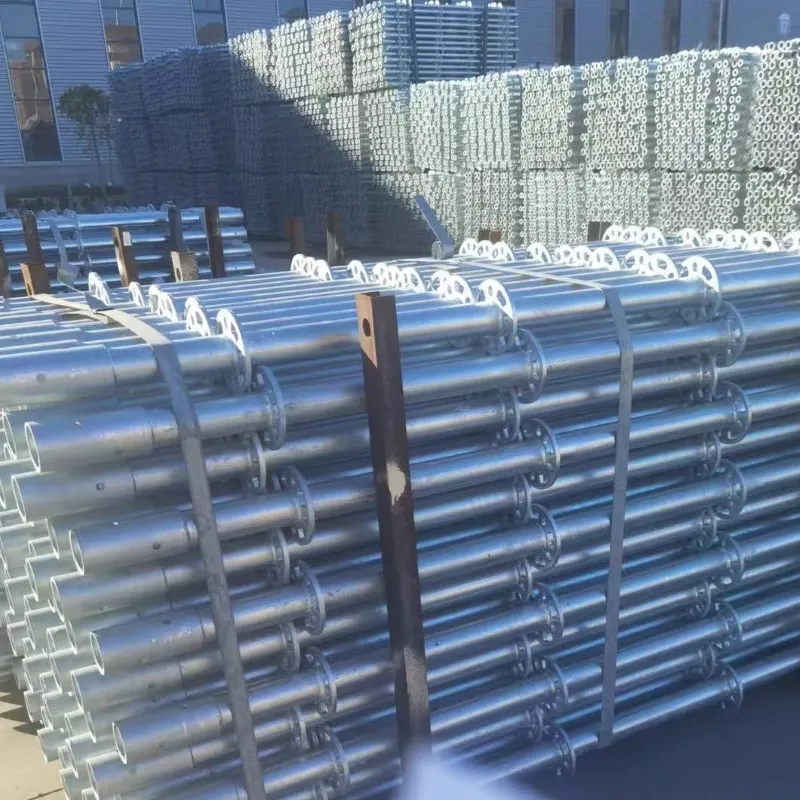
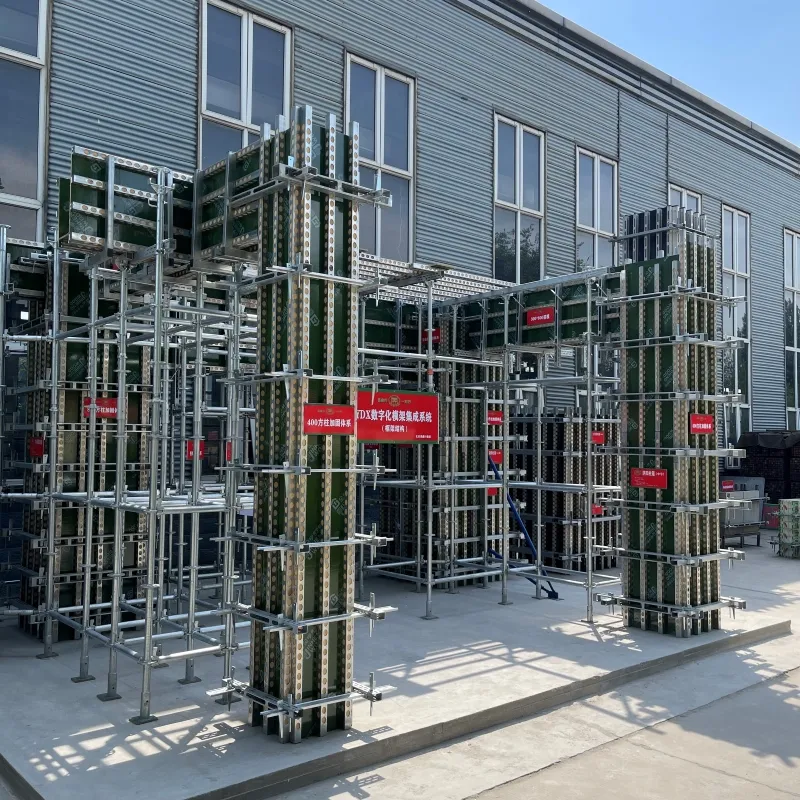
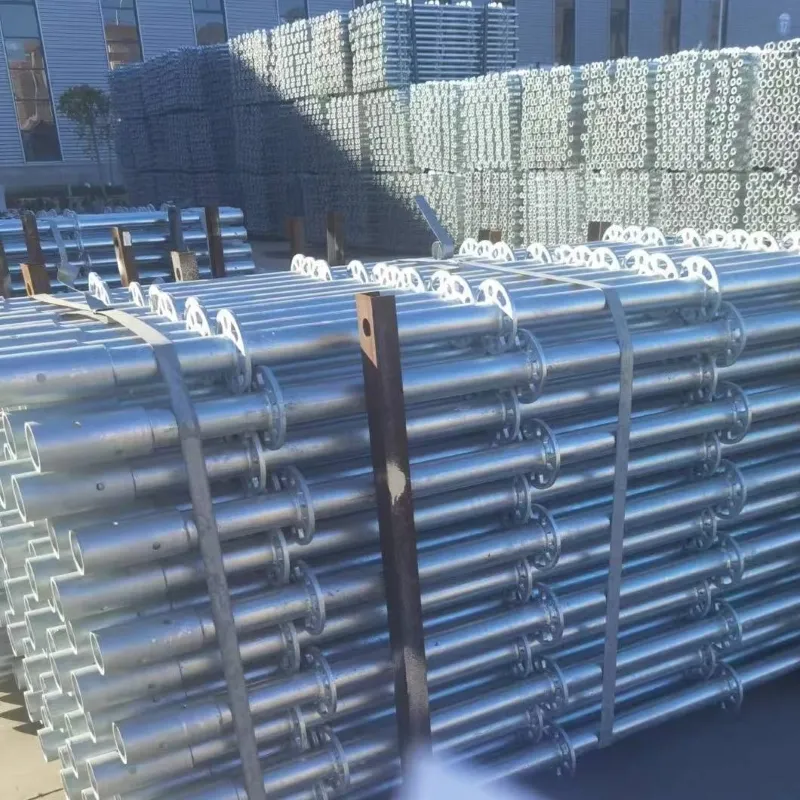
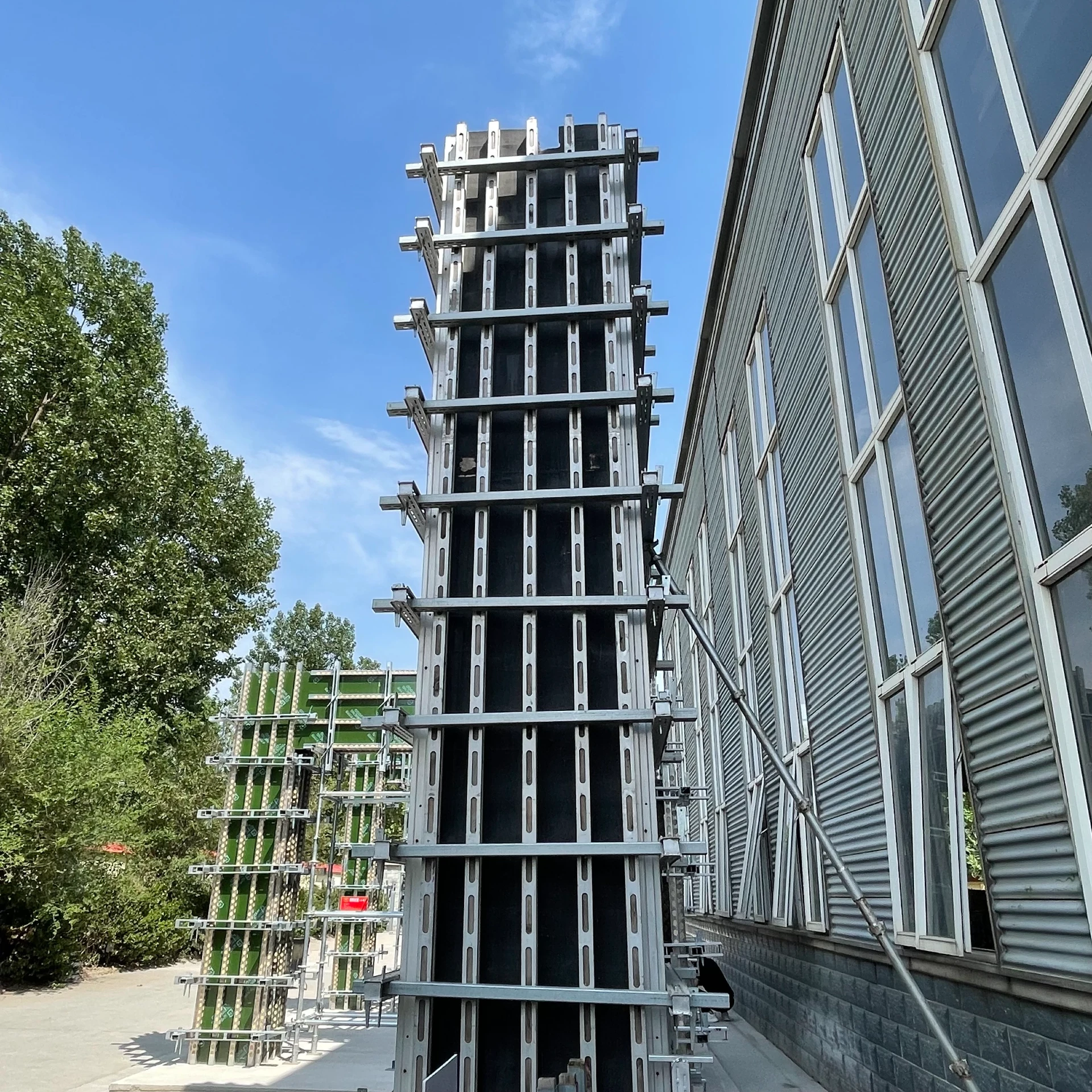
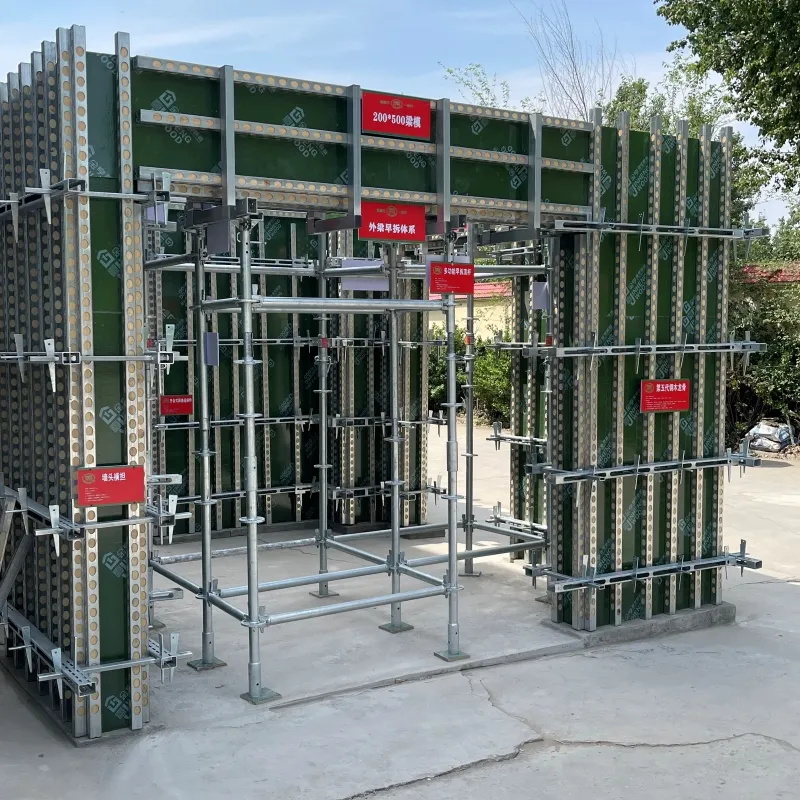
Scaffolding is a temporary structure used to support workers and materials during the construction, maintenance, and repair of buildings, bridges, or other large structures. Its proper use of scaffolding is paramount for safety and efficiency. This article will delve into the diverse applications, safety considerations, types of scaffolding, and future trends shaping this essential component of the construction industry. Understanding scaffolding is crucial for anyone involved in building projects, from contractors to site managers.

Understanding the Diverse Applications of Scaffolding
The applications of scaffolding extend far beyond simply providing a platform for workers. It's integral to various tasks, including bricklaying, painting, plastering, and installing exterior cladding. Scaffolding enables safe access to high and difficult-to-reach areas, maximizing efficiency and minimizing risks. It’s also crucial for installing and maintaining mechanical, electrical, and plumbing (MEP) systems. Furthermore, scaffolding is used for demolition work, providing a controlled environment for dismantling structures. The versatile use of scaffolding adapts to project needs.
Key Applications: Bricklaying, painting, plastering, MEP installation, demolition, exterior cladding, and general building maintenance.
Types of Scaffolding: A Comparative Overview
Several types of scaffolding cater to different project requirements. Common types include supported scaffolding (traditional pole scaffolding), suspended scaffolding (swing stages), rolling scaffolding (mobile towers), and frame scaffolding. Each type has its advantages and disadvantages concerning cost, setup time, and suitability for specific tasks. Selecting the right type of scaffolding is crucial for safety, stability, and efficient workflow. The correct use of scaffolding relies heavily on understanding the available options.
Scaffolding Type Benefits:
• Supported Scaffolding: High load capacity, suitable for complex structures.
• Suspended Scaffolding: Ideal for high-rise buildings and window cleaning.
• Rolling Scaffolding: Easy to move, great for interior work.
• Frame Scaffolding: Quick to assemble, versatile for various applications.
Scaffolding vs. Ladders: Safety and Efficiency Considerations
While ladders are useful for short-term, low-level access, they cannot replace the safety and efficiency of scaffolding for most construction tasks. Scaffolding provides a larger working platform, allowing multiple workers and materials to be accommodated simultaneously. Ladders often require workers to carry tools and materials while climbing, increasing the risk of falls. Scaffolding offers guardrails, toe boards, and other safety features that significantly reduce fall hazards. The safe use of scaffolding always trumps using ladders in many situations.
Safety Considerations and Regulations Regarding Scaffolding
Scaffolding safety is paramount. Strict adherence to safety regulations, such as those set by OSHA, is crucial to prevent accidents. Key considerations include proper erection, inspection, load capacity, and fall protection. Workers must be adequately trained in scaffolding safety procedures. Regular inspections are essential to identify and address any potential hazards. The responsible use of scaffolding requires continuous vigilance and a commitment to safety.
Future Trends in Scaffolding Technology
The scaffolding industry is evolving with advancements in technology. Digital scaffolding design tools, Building Information Modeling (BIM) integration, and the use of lightweight materials are becoming increasingly common. Smart scaffolding systems with integrated sensors for monitoring load capacity and stability are also emerging. These innovations enhance safety, efficiency, and cost-effectiveness. The future use of scaffolding will be significantly influenced by these technological advancements.
Conclusion: Ensuring Safety and Efficiency with Proper Scaffolding Use
Proper scaffolding use is fundamental to safe and efficient construction practices. From understanding the various types available to adhering to strict safety regulations, a comprehensive approach is essential. Investing in quality scaffolding and prioritizing worker training are crucial for minimizing risks and maximizing productivity. At Formwork Reinforced, we are dedicated to providing reliable scaffolding solutions and expert guidance.
Frequently Asked Questions (FAQs)
What training is required for workers using scaffolding?
Workers who erect, dismantle, move, or work on scaffolding must receive comprehensive training. This training should cover hazard recognition, safe access and egress, fall protection, proper use of guardrails and toe boards, load capacity limits, and inspection procedures. OSHA mandates specific training requirements, and it's crucial to ensure all workers are adequately trained and certified. Refresher training should be provided regularly to reinforce safety protocols. This ensures the safe use of scaffolding on site.
How often should scaffolding be inspected?
Scaffolding must be inspected before each work shift, and after any event that could affect its structural integrity, such as severe weather. A qualified person should conduct the inspection, looking for defects, damage, and proper assembly. A written inspection tag should be attached to the scaffolding indicating the date of inspection and the inspector's name. Any deficiencies identified must be corrected before the scaffolding is used. Regular inspections are vital for ensuring the continued safe use of scaffolding.
What are the load capacity limits for scaffolding?
Scaffolding has specific load capacity limits that must be strictly adhered to. These limits are determined by the scaffolding’s design, materials, and construction. The maximum load capacity should be clearly posted on the scaffolding. This includes the weight of workers, materials, and equipment. Overloading scaffolding is a major safety hazard and can lead to collapse. It's important to distribute the load evenly and avoid concentrating weight in any one area. The correct use of scaffolding involves not exceeding these limits.
What are the essential fall protection measures when working on scaffolding?
Fall protection is critical when working on scaffolding. Essential measures include using guardrails and toe boards, utilizing personal fall arrest systems (PFAS) such as harnesses and lifelines, and ensuring proper access and egress via ladders or stair towers. Workers should be trained on the proper use of fall protection equipment and the importance of maintaining three points of contact when climbing. A competent person should assess fall hazards and implement appropriate control measures. Prioritizing fall protection is integral to the safe use of scaffolding.
-
Comprehensive Guide to Scaffolding Rods for Safe Construction PracticesNewsFeb.24,2026
-
Comprehensive Guide to Different Types of Scaffolding for Construction ProjectsNewsFeb.11,2026
-
Maximize Productivity and Safety with a Versatile 7m Scaffold TowerNewsJan.27,2026
-
6m Scaffold Tower: A Comprehensive Guide for B2B BuyersNewsJan.26,2026
-
6ft Scaffold: Durability and Safety in ConstructionNewsJan.25,2026
-
6 Scaffolding: A Modern Construction SolutionNewsJan.24,2026
-
Tubular Welded Frame Scaffold – Durable Modular Scaffolding for Industry | Formwork ReinforcedNewsJan.07,2026