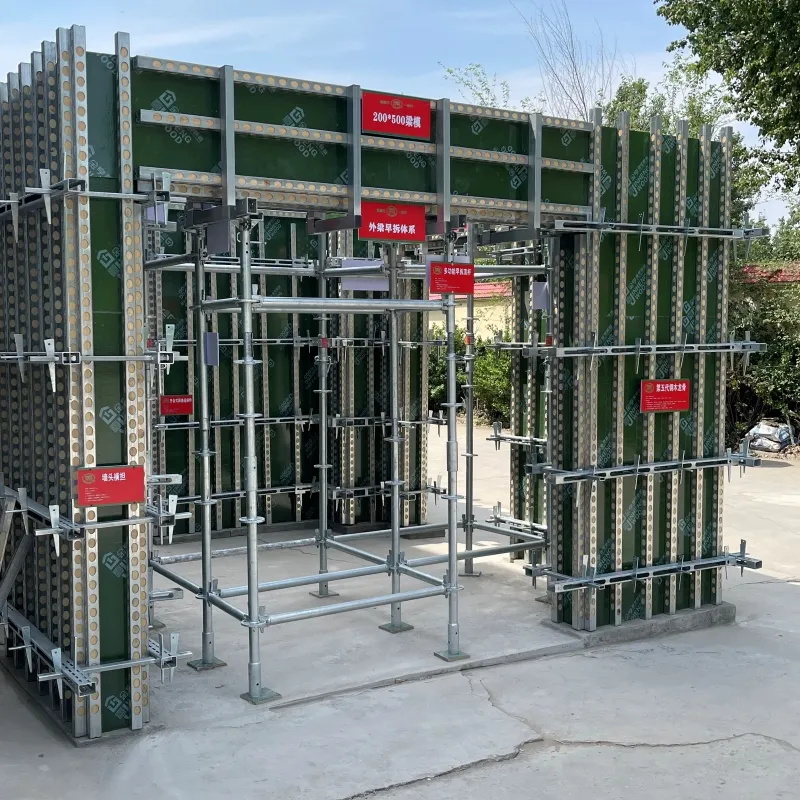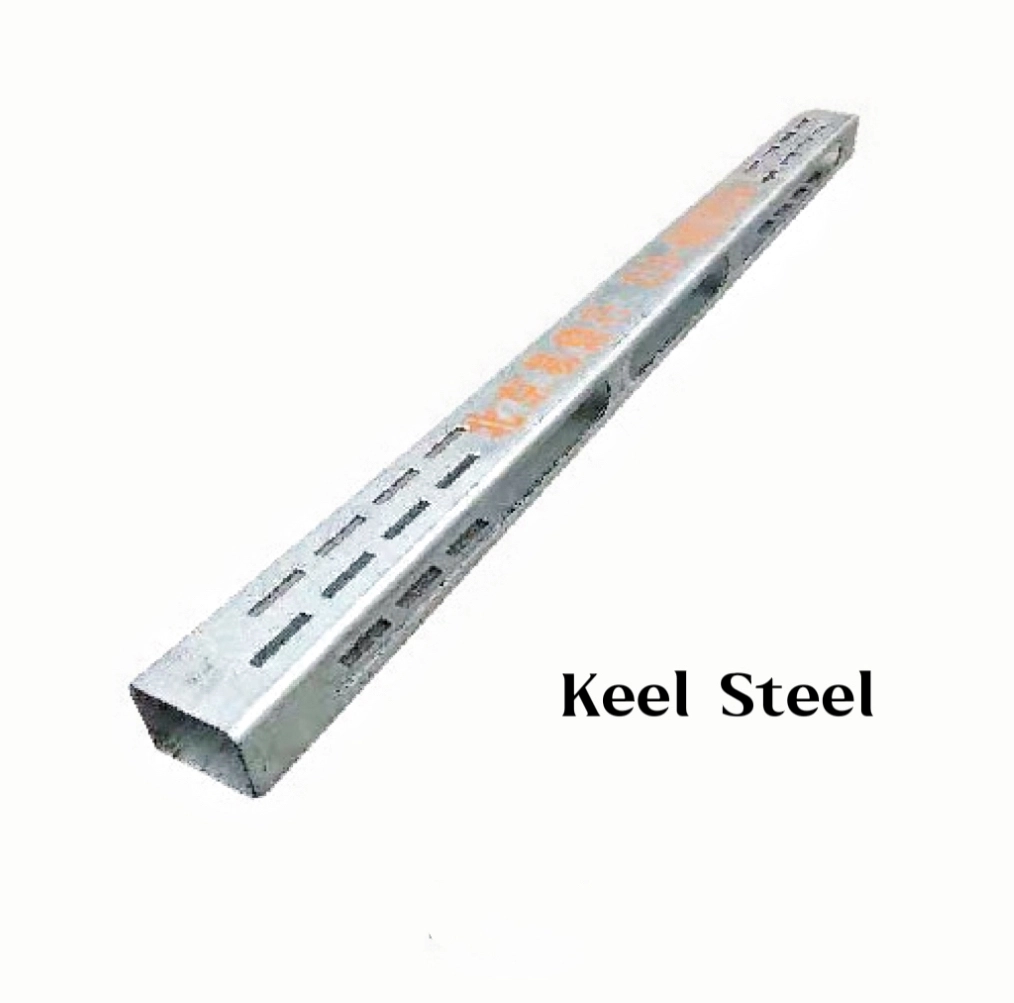

Timber Steel Maintenance Tips
Maintaining timber steel products is essential for preserving their structural integrity, aesthetic appeal, and lifespan, ensuring they deliver long-term value for construction and industrial projects. HeBei Yidingxing Technology Co.,LTD. recognizes that as a wholesaler, providing comprehensive maintenance guidance for timber metal and timber and steel products helps partners educate their customers, reduce returns, and build trust. This guide outlines practical maintenance tips tailored to the unique needs of these hybrid products, covering cleaning, corrosion prevention, structural checks, and seasonal care, empowering wholesalers to support customers in maximizing the durability of their timber steel investments.
Timber Metal Maintenance: Core Principles
Understanding Material Interaction
- Expansion and Contraction: timber metal products consist of two materials with different expansion rates—wood expands/contracts with moisture, while metal responds to temperature changes. This interaction can cause stress at connection points, making regular checks for loose fasteners or warping critical. HeBei Yidingxing Technology Co.,LTD. designs timber and steel products with expansion gaps to mitigate this, but maintenance ensures these gaps remain effective.
- Moisture Management: Wood absorbs moisture, which can lead to rot, while metal is prone to corrosion in damp environments. timber metalmaintenance must address both: protecting wood from excess moisture and metal from rust. HeBei Yidingxing Technology Co.,LTD. recommends a dual approach of sealants for wood and protective coatings for metal to maintain balance.
- Load Distribution: Over time, timber steelproducts may experience shifting load distribution, especially in structural applications like beams or frames. Regular inspections ensure that both materials bear weight evenly, preventing overstress on either component.
Cleaning Protocols for Timber and Metal
- Wood Component Cleaning: Use a soft brush or cloth to remove dirt and debris from wooden parts of timber metal For deeper cleaning, mild soap diluted in water (avoid harsh chemicals) works effectively—rinse thoroughly and allow to dry completely to prevent moisture retention. HeBei Yidingxing Technology Co.,LTD. advises against power washing, as high pressure can damage wood fibers.
- Metal Component Cleaning: Metal parts of timber and steel productsshould be wiped with a dry cloth to prevent dust buildup, which can trap moisture. For rust spots, use a wire brush to remove surface rust, then wipe with a cloth dampened with white vinegar or a commercial rust remover. Rinse and dry immediately to stop further corrosion.
- Combined Cleaning: When cleaning timber steelproducts, avoid soaking either material. Clean wood and metal sections separately if possible, using appropriate methods for each, then dry the entire product to prevent cross-contamination of moisture between materials.
Table: Maintenance Frequency for timber and steel products
|
Component Type |
Cleaning Frequency |
Protective Treatment Frequency |
Structural Inspection Frequency |
|
Wooden parts of timber steel |
Monthly (outdoor); Quarterly (indoor) |
Every 6–12 months (outdoor); 2–3 years (indoor) |
Annually |
|
Metal parts of timber metal |
Monthly (outdoor); Bi-annually (indoor) |
Every 12–18 months (outdoor); 3–5 years (indoor) |
Annually |
|
Connection points (both materials) |
N/A |
With metal treatment |
Bi-annually |
Timber Steel Corrosion Prevention for Metal Components
Protective Coatings and Treatments
- Primers and Paints: Applying a rust-inhibiting primer followed by metal paint is critical for timber steel HeBei Yidingxing Technology Co.,LTD. recommends using industrial-grade primers with zinc content, which form a barrier against moisture. For outdoor timber and steel products, choose weather-resistant paints designed for metal, reapplying every 12–18 months to maintain protection.
- Galvanization Maintenance: Many metal components in timber metalproducts are galvanized (coated with zinc) for corrosion resistance. Inspect galvanized surfaces annually for zinc wear—small areas of exposed metal can be touched up with zinc-rich paint to prevent rust spread. HeBei Yidingxing Technology Co.,LTD.’s galvanized steel components are designed to last 5–10 years with proper maintenance.
- Lubrication for Moving Parts: Metal hinges, bolts, or sliding mechanisms in timber steelproducts require periodic lubrication to prevent rust and ensure smooth operation. Use a water-resistant lubricant (e.g., silicone-based) every 3–6 months, wiping away excess to avoid attracting dirt.
Environmental Controls
- Drainage Management: Ensure timber and steel productsare installed with proper drainage to prevent standing water around metal components. For example, outdoor structures like timber steel fences or pergolas should have sloped surfaces to direct water away, while indoor products (e.g., shelving) benefit from moisture barriers under metal bases.
- Humidity Regulation: In indoor environments with high humidity (e.g., warehouses, bathrooms), use dehumidifiers to keep levels below 60%. This reduces condensation on metal parts of timber metalproducts, slowing corrosion. HeBei Yidingxing Technology Co.,LTD. suggests adding moisture-absorbing packs near metal-wood connection points in enclosed spaces.
- Avoiding Chemical Exposure: Keep timber steelproducts away from harsh chemicals like fertilizers, cleaning agents, or industrial solvents, which can strip protective coatings from metal. If contact occurs, rinse immediately with water and reapply protective treatments as needed.
Timber And Steel Products Wood Maintenance
Sealants and Finishes
- Exterior Wood Protection: Wooden components of outdoor timber and steel products(e.g., decking, outdoor frames) require UV-resistant sealants or stains to prevent sun damage and rot. HeBei Yidingxing Technology Co.,LTD. recommends water-based sealants for ease of application, reapplied every 6–12 months depending on exposure to rain and sunlight.
- Interior Wood Care: Indoor timber metalproducts (e.g., furniture, interior framing) benefit from polyurethane finishes or waxes, which protect against scratches and minor moisture. These treatments last 2–3 years with regular dusting and occasional polishing to maintain their sheen.
- End Grain Treatment: The end grain of wood in timber steelproducts absorbs moisture more readily, making it prone to splitting. Seal end grains with a specialized end-cut sealer, which penetrates deeply to block water absorption. HeBei Yidingxing Technology Co.,LTD. pre-treats end grains in their products, but reapplication every 1–2 years enhances longevity.
Pest and Rot Prevention
- Termite and Insect Control: Inspect wooden parts of timber and steel productsquarterly for signs of termites, beetles, or ants. Apply borate-based treatments (safe for use with metal) to deter pests, focusing on hidden areas like joints and undersides. HeBei Yidingxing Technology Co.,LTD. offers pest-resistant wood options treated with non-toxic preservatives for high-risk areas.
- Mold and Mildew Removal: If mold appears on wood (indicated by black/green spots), clean with a solution of 1 part bleach to 3 parts water, scrubbing gently with a soft brush. Rinse thoroughly and allow to dry before reapplying sealants. This is critical for timber metalproducts in humid climates to prevent mold spread to metal components.
- Structural Wood Checks: Look for soft spots, cracks, or discoloration in wood, which signal rot. For minor damage, remove affected areas with a chisel and treat with wood hardener; severe damage may require component replacement. HeBei Yidingxing Technology Co.,LTD. provides replacement wooden parts for their timber steelproducts to simplify repairs.
Timber Metal Structural Integrity Checks
Connection Point Maintenance
- Fastener Inspection: Regularly check screws, bolts, and nails joining wood and metal in timber metal Tighten loose fasteners and replace any that are rusted or stripped—prefer stainless steel fasteners, which resist corrosion better than standard steel. HeBei Yidingxing Technology Co.,LTD. uses galvanized or stainless fasteners in their products for enhanced durability.
- Joint Stability: Inspect joints for gaps, which indicate shifting or wear. For timber steelstructural products (e.g., beams, trusses), gaps can compromise load-bearing capacity. Fill minor gaps with wood filler (for wood-wood joints) or flexible sealant (for wood-metal joints) to prevent moisture intrusion.
- Moving Parts Alignment: For timber and steel productswith moving components (e.g., gates, adjustable shelving), check alignment annually. Misalignment strains metal hinges and wooden frames, leading to premature wear. Adjust as needed using shims or by tightening mounting hardware.
Load-Bearing Capacity Checks
- Weight Distribution: Ensure timber steelproducts are not overloaded beyond their design capacity. For example, shelving units should not exceed weight limits specified by HeBei Yidingxing Technology Co.,LTD., as excess weight can warp wooden shelves and bend metal supports.
- Seasonal Adjustments: In regions with extreme temperature or humidity changes, timber and steel productsmay require seasonal adjustments. For example, wooden beams in outdoor structures may expand in summer, requiring loosened fasteners, while metal supports may contract in winter, needing re-tightening.
- Professional Inspections: For large structural timber metalproducts (e.g., bridges, industrial frames), schedule bi-annual inspections by qualified engineers. They can assess hidden damage, recommend repairs, and ensure compliance with safety standards—HeBei Yidingxing Technology Co.,LTD. can provide contact information for certified inspectors in partner regions.
Timber Steel FAQS
How often should I inspect timber steel products for damage?
timber steel products should be inspected at least annually, with outdoor products requiring bi-annual checks (spring and fall) due to exposure to harsh weather. Focus on connection points, metal corrosion, and wood rot—more frequent inspections (quarterly) are recommended for high-use or high-moisture environments. HeBei Yidingxing Technology Co.,LTD. includes a checklist in their product manuals to guide these inspections.
What is the best way to prevent rust on metal parts of timber metal products?
The best way to prevent rust on timber metal products is to apply a zinc-rich primer followed by a weather-resistant paint, reapplying every 12–18 months for outdoor use. Additionally, keep metal components dry by ensuring proper drainage, avoiding overwatering near the product, and using dehumidifiers indoors. HeBei Yidingxing Technology Co.,LTD. recommends touching up small rust spots immediately with matching paint to prevent spread.
Can I use the same cleaning products on both wood and metal in timber and steel products?
No, wood and metal in timber and steel products require different cleaning products. Wood benefits from mild soap and water or specialized wood cleaners, while metal needs rust removers or gentle degreasers. Avoid using the same cloth for both materials to prevent transferring chemicals (e.g., metal cleaners can damage wood finishes). HeBei Yidingxing Technology Co.,LTD. suggests separate cleaning kits for wood and metal components.
How do I repair a loose connection between wood and metal in timber steel products?
To repair a loose wood-metal connection in timber steel products, first remove the fastener and inspect for damage—replace bent or rusted bolts/screws with new ones from HeBei Yidingxing Technology Co.,LTD. If the wood is stripped, fill the hole with wood filler, let dry, and re-drill. For metal holes that are enlarged, use a slightly larger fastener or apply a thread-locking compound to secure the connection.
What maintenance steps are most critical for extending the life of timber and steel products?
The most critical maintenance steps for timber and steel products are: regular cleaning to remove dirt and moisture; applying protective coatings (sealants for wood, paint for metal) on schedule; inspecting and tightening connections quarterly; and controlling environmental factors (moisture, humidity, UV exposure). These steps address the primary causes of degradation—rot in wood and corrosion in metal—significantly extending product life, as demonstrated in long-term tests by HeBei Yidingxing Technology Co.,LTD.
Maintaining timber steel products requires a balanced approach that addresses the unique needs of both materials—protecting wood from moisture and pests while preventing metal corrosion. By following the guidelines outlined in this guide—from regular cleaning and protective coatings to structural inspections and environmental controls—users can significantly extend the lifespan of timber metal and timber and steel products. HeBei Yidingxing Technology Co.,LTD.’s commitment to maintenance-friendly design and comprehensive support empowers wholesalers to assist customers in these efforts, ensuring satisfaction and repeat business.
As a wholesaler, emphasizing proper maintenance not only enhances the value proposition of timber and steel products but also reinforces safety and reliability—key factors in building trust with customers. By integrating these maintenance tips into inventory management and customer education, wholesalers can position themselves as knowledgeable partners, driving success in the competitive construction and industrial supply market.
-
Comprehensive Guide to Scaffolding Rods for Safe Construction PracticesNewsFeb.24,2026
-
Comprehensive Guide to Different Types of Scaffolding for Construction ProjectsNewsFeb.11,2026
-
The Crucial Role and Safe Use of Scaffolding in Modern Construction ProjectsNewsJan.30,2026
-
Maximize Productivity and Safety with a Versatile 7m Scaffold TowerNewsJan.27,2026
-
6m Scaffold Tower: A Comprehensive Guide for B2B BuyersNewsJan.26,2026
-
6ft Scaffold: Durability and Safety in ConstructionNewsJan.25,2026
-
6 Scaffolding: A Modern Construction SolutionNewsJan.24,2026