
What is Self Climbing Formwork? Benefits, Applications & Future Trends in Construction
Understanding Self Climbing Formwork: A Game-Changer in Modern Construction
When we talk about self climbing formwork, we're really delving into one of the construction industry's quietly transformative technologies. Globally, as cities grow taller and infrastructure projects expand vertically, the need for safer, cost-effective, and scalable construction methods has become critical. This system not only streamlines building skyscrapers and complex concrete structures but also addresses major challenges such as worker safety and project speed. Knowing how self climbing formwork works and its applications can be a key advantage for engineers, construction managers, and even humanitarian agencies involved in rapid infrastructure development.
Introduction: The Global Relevance of Self Climbing Formwork
According to the United Nations, urban populations have been steadily rising, with over 55% of people living in urban areas as of 2023, climbing towards 68% by 2050 (UN Habitat, 2022). To support this vertical growth, construction must evolve. Enter self climbing formwork—a technology widely adopted in skyscraper construction in Asia, the Middle East, and increasingly in Europe and America.
What problem does it solve? Well, traditional climbing formwork systems rely heavily on cranes and manual labor, which can be slow and hazardous at great heights. Self climbing formwork automates much of this process, reducing downtime and increasing safety. Imagine erecting a 50+ story building faster without climbing scaffolds or waiting on crane availability—this is the promise it delivers.
Defining Self Climbing Formwork
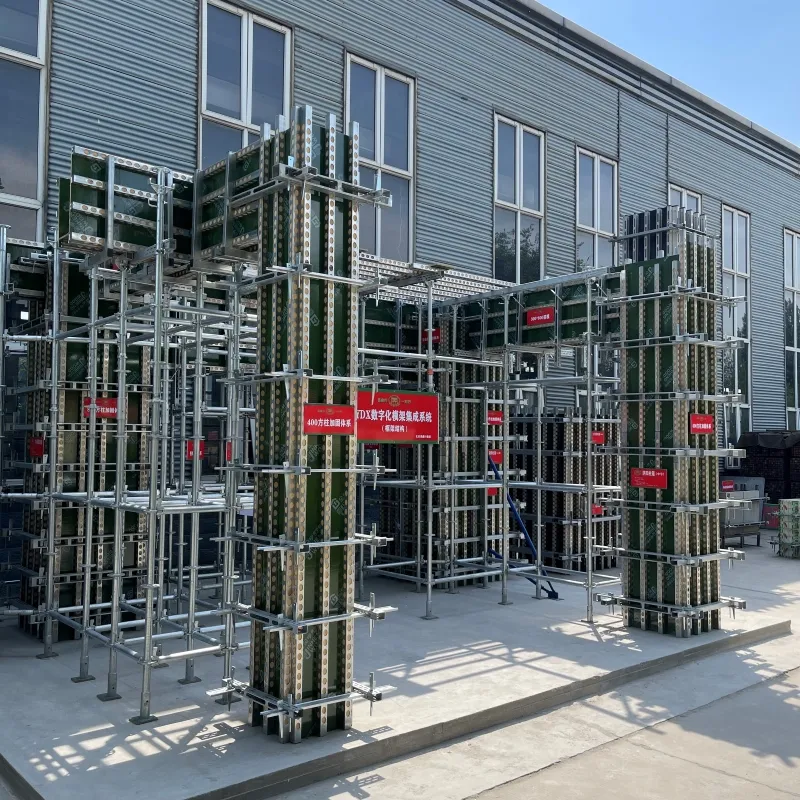
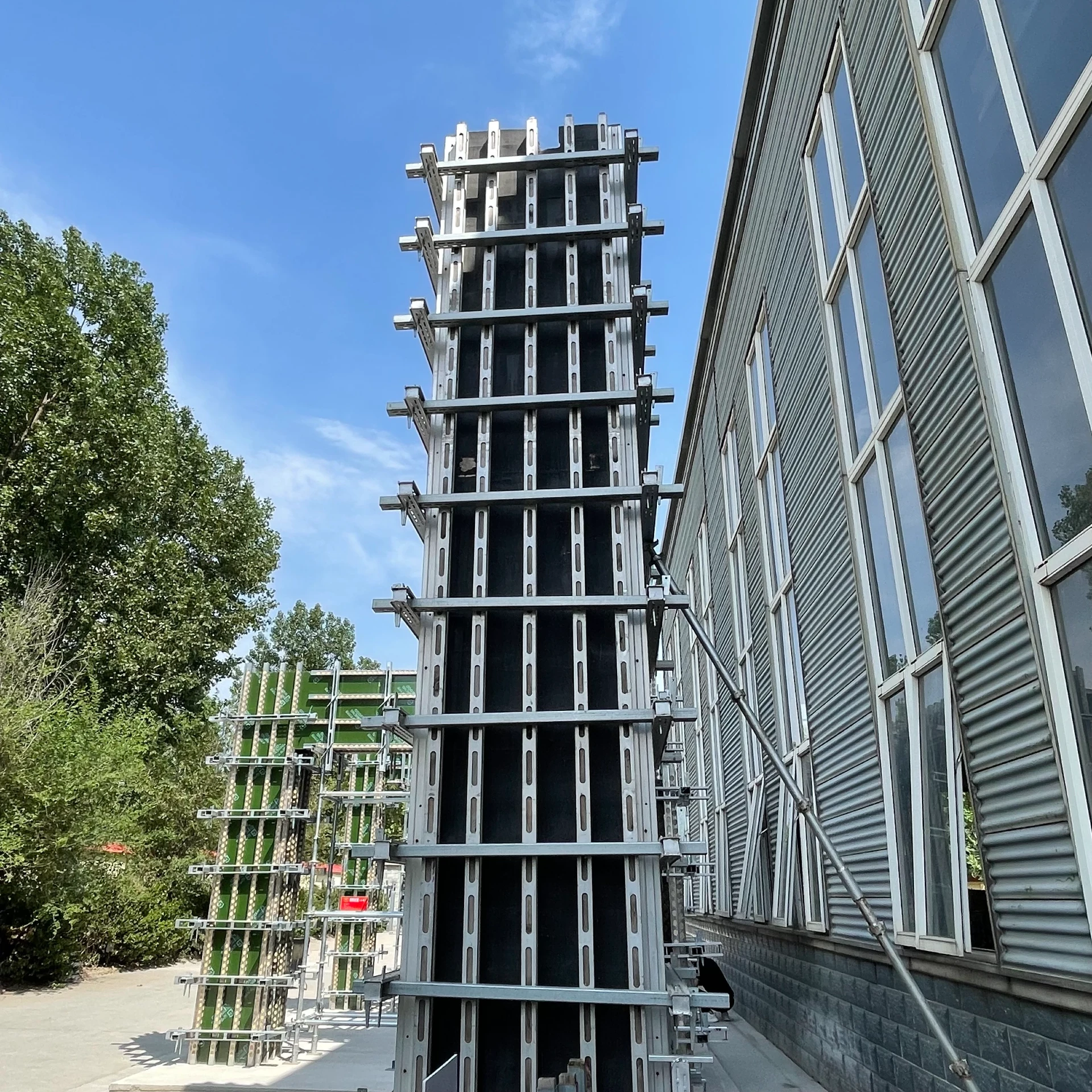
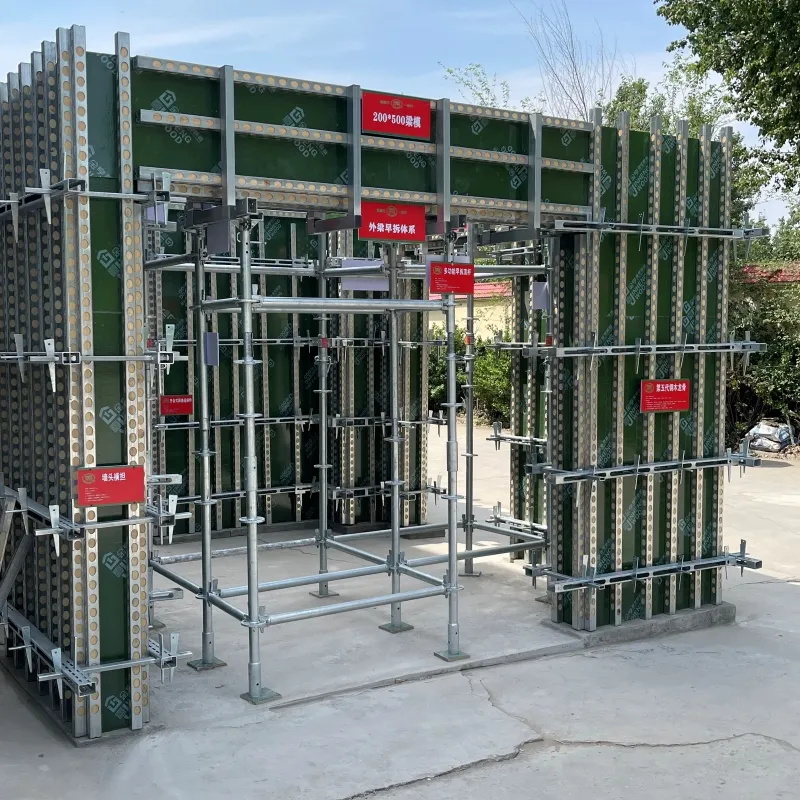
Simply put, self climbing formwork is a type of formwork system that “climbs” up a building autonomously or semi-autonomously, supported by hydraulic jacks or mechanical means, often anchored directly to the structure itself as it rises. This eliminates the need for cranes to reposition formwork after each concrete pour.
This system is closely connected to modern industrial advancement and the humanitarian effort to build resilient infrastructure quickly — think emergency shelters or rapid urban housing where time is of the essence.
Key Components & Factors of Self Climbing Formwork
- Durability: Typically constructed from robust steel and aluminum alloys that withstand multiple reuse cycles and exposure to harsh weather conditions.
- Scalability: Modular design allows adjustment to different building heights and geometries effortlessly.
- Cost Efficiency: Reduces reliance on cranes and manual labor, lowering both operational costs and project timelines.
- Safety: Keeps workers off traditional scaffolding and transient platforms during repositioning, cutting down accidents.
- Integration Capabilities: Often comes with options for integrating sensors and automation, improving precision and monitoring.
- Environmental Impact: Enables reduced waste and material reuse, contributing to sustainability goals.
Mini Takeaway: Basically, self climbing formwork is a modular, safe, and cost-saving innovation designed to keep pace with the demands of fast-changing urban skylines and critical infrastructure projects.
Global Applications & Real-World Use Cases
The beauty of this technology lies in its broad applicability. For example:
- Urban High-Rises: Cities like Dubai and Shanghai have iconic skyscrapers using self climbing formwork to shave months off construction schedules.
- Infrastructure Projects: Bridges and dams in areas of Southeast Asia benefit from the adaptability of these systems to complex shapes and heights.
- Disaster Relief Efforts: In post-disaster zones, rapid deployment of permanent housing or hospitals is facilitated by self climbing formwork, speeding recovery.
- Remote Industrial Zones: Oil rigs and mining platforms that require raised concrete structures use this to overcome logistical challenges where cranes are scarce.
Advantages & the Long-Term Value Proposition
On the practical side, the cost savings through labor reduction and project acceleration are compelling. But beyond dollars and cents, there’s a strong case for improved safety and sustainability. Reducing accidents on site not only protects lives but also saves insurance and delay costs. Emotionally, projects that finish on time inspire trust among investors and communities. Plus, the system's reusability and lighter materials reflect a modern push for greener building practices.
Product Specification: Typical Self Climbing Formwork System
| Feature | Specification |
|---|---|
| Material | High-strength steel & aluminum alloy |
| Max Panel Height | Up to 5 meters per climb |
| Load Capacity | Up to 10 tons per unit |
| Climbing Mechanism | Hydraulic jacks with automated control |
| Reusability | Approx. 100+ cycles with maintenance |
| Safety Features | Integrated guardrails & sensor alarms |
Vendor Comparison: Leading Suppliers of Self Climbing Formwork
| Company | Price Range | Customization | Global Reach | Notable Projects |
|---|---|---|---|---|
| FormFab Systems | $$$ | High (tailored solutions) | Asia, Middle East, Europe | Burj Khalifa Expansion |
| ClimbTech Innovations | $$ | Moderate (standard models) | North America, South America | Toronto Waterfront Towers |
| Elevate Buildware | $$$$ | Very High (full automation) | Global | Shanghai Tower Phase II |
Future Trends & Innovations in Self Climbing Formwork
There’s a lot of buzz around automation and sustainability in construction, and self climbing formwork is no exception. The next generation of these systems incorporates Internet of Things (IoT) sensors to monitor load stresses and hydraulic efficiency in real time. Some companies are experimenting with lighter composite materials to reduce weight without compromising strength.
More excitingly, integrating green energy sources like solar-powered hydraulics could become standard, making the entire climbing process more environmentally friendly. Policy-wise, ISO standards regarding safety and environmental compliance are evolving, pushing manufacturers toward smarter, safer designs.
Challenges & Solutions
No innovation is flawless. Current challenges include high upfront investment costs and the skill gap for operating complex climbing systems. Also, bespoke projects sometimes require highly customized formwork designs, creating lead times. Experts recommend ongoing training programs and modular design improvements to overcome these roadblocks. Some pioneers are turning to digital twins and VR simulation to train operators safely before they engage onsite.
Frequently Asked Questions About Self Climbing Formwork
- Q: How does self climbing formwork improve construction safety?
- A: By eliminating the need for workers to manually reposition formwork at height, the system reduces fall risks and accidents. Integrated guardrails and sensor alarms further protect crews during climbing operations.
- Q: Can self climbing formwork be used in all concrete structural shapes?
- A: While it excels in vertical and slightly inclined structures, highly complex geometries may require custom modules or hybrid systems. Most vendors offer tailored solutions to address these challenges.
- Q: What is the typical lifespan of a self climbing formwork system?
- A: With proper maintenance, high-quality self climbing formwork can be reused for over 100 climbing cycles, spanning several years on large projects.
- Q: How costly is implementing self climbing formwork compared to traditional methods?
- A: Initial upfront costs are higher, especially for automation features. However, overall project costs often reduce due to faster construction and fewer labor hours.
- Q: Are there environmental benefits to using self climbing formwork?
- A: Yes, besides reducing waste through reusable panels, the system’s efficiency enables less energy-heavy crane use, and manufacturers are increasingly adopting sustainable materials and energy sources.
Conclusion: Why Self Climbing Formwork Deserves Your Attention
Ultimately, self climbing formwork represents a leap forward in building safe, fast, and sustainable vertical structures. As urban areas continue to densify and demand better infrastructure, this technology shines as a smart, reliable solution that balances innovation and practicality. For businesses, engineers, and planners eager to stay ahead, exploring these systems is no longer optional but essential.
Curious to explore solutions further? Visit our website: self climbing formwork
Takeaway: The future of vertical construction feels like it is literally climbing — safely, smartly, and sustainably — with self climbing formwork leading the ascent.
References
-
Comprehensive Guide to Scaffolding Rods for Safe Construction PracticesNewsFeb.24,2026
-
Comprehensive Guide to Different Types of Scaffolding for Construction ProjectsNewsFeb.11,2026
-
The Crucial Role and Safe Use of Scaffolding in Modern Construction ProjectsNewsJan.30,2026
-
Maximize Productivity and Safety with a Versatile 7m Scaffold TowerNewsJan.27,2026
-
6m Scaffold Tower: A Comprehensive Guide for B2B BuyersNewsJan.26,2026
-
6ft Scaffold: Durability and Safety in ConstructionNewsJan.25,2026
-
6 Scaffolding: A Modern Construction SolutionNewsJan.24,2026