
Auto Climbing Formwork System: Efficient Solutions for Modern Construction
Understanding the Auto Climbing Formwork System: Revolutionizing Modern Construction
Ever heard of an auto climbing formwork system? If not, you’re not alone—though it’s quietly reshaping how skyscrapers and massive infrastructure projects are built worldwide. This ingenious system addresses some of the most pressing challenges in vertical construction, offering safer, faster, and more efficient methods for casting concrete at great heights. Globally, where urban expansion and infrastructure demand are skyrocketing—quite literally—these systems are changing the game.
Why It Matters Globally
According to the United Nations’ World Urbanization Prospects, nearly 70% of the world’s population is projected to live in urban areas by 2050. This places enormous pressure on the construction industry to not only build taller but do so in ways that minimize delays, accidents, and environmental impacts. That’s where the auto climbing formwork system steps in—enabling rapid, repetitive cycles of concrete pouring without the slow and risky process of dismantling and reassembling traditional scaffolding.
Mini Takeaway: Understanding the auto climbing formwork system is essential to grasping modern construction’s leap toward safer and more sustainable high-rise building practices.
What Is an Auto Climbing Formwork System?
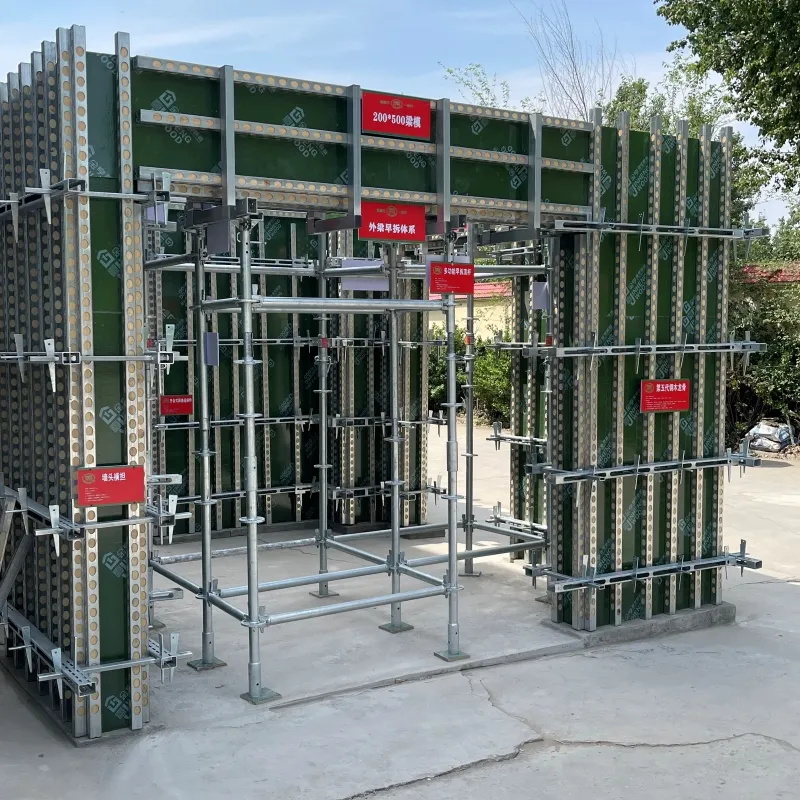
In simple terms, it’s a mechanical scaffolding and formwork arrangement that can “climb” up a building structure automatically as construction progresses. Instead of manual dismantling and re-rigging of formwork in vertical concrete pours, this system lifts itself—usually powered by hydraulic jacks—allowing work crews to move the entire formwork quickly to the next level.
Think of it as a self-ascending platform combined with a mold that shapes the concrete walls or columns. This method dramatically reduces labor, increases safety, and maintains excellent control over concrete quality. It’s particularly influential in modern urban skyscraper construction, and increasingly relevant for emergency structures or large-scale infrastructure projects like dams and bridges.
Mini Takeaway: Auto climbing formwork uses hydraulics to automate raising concrete molds, streamlining vertical construction profoundly.
Key Components of an Auto Climbing Formwork System
1. Hydraulic Jacking System
The "heart" of the auto climbing system, hydraulic jacks lift the entire formwork assembly smoothly and steadily. Hydraulic power delivers reliable, controllable force, so the system ascends safely—even on tall, complex projects.
2. Platform and Working Deck
These provide safe, accessible space for workers and equipment during concrete placement. The platform usually climbs alongside the formwork, ensuring continuous access without rebuilding scaffolds.
3. Formwork Panels
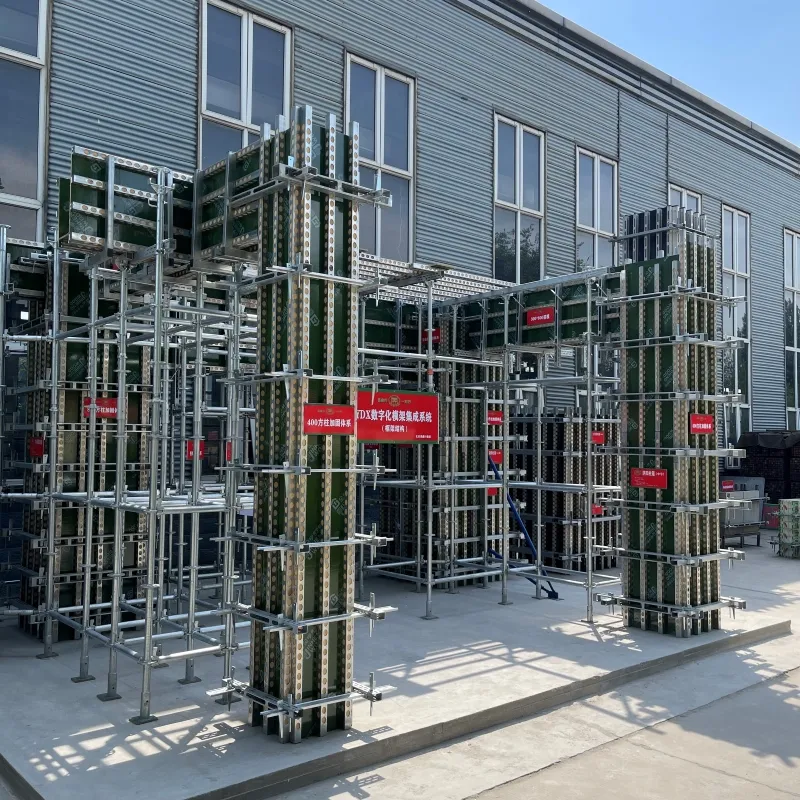
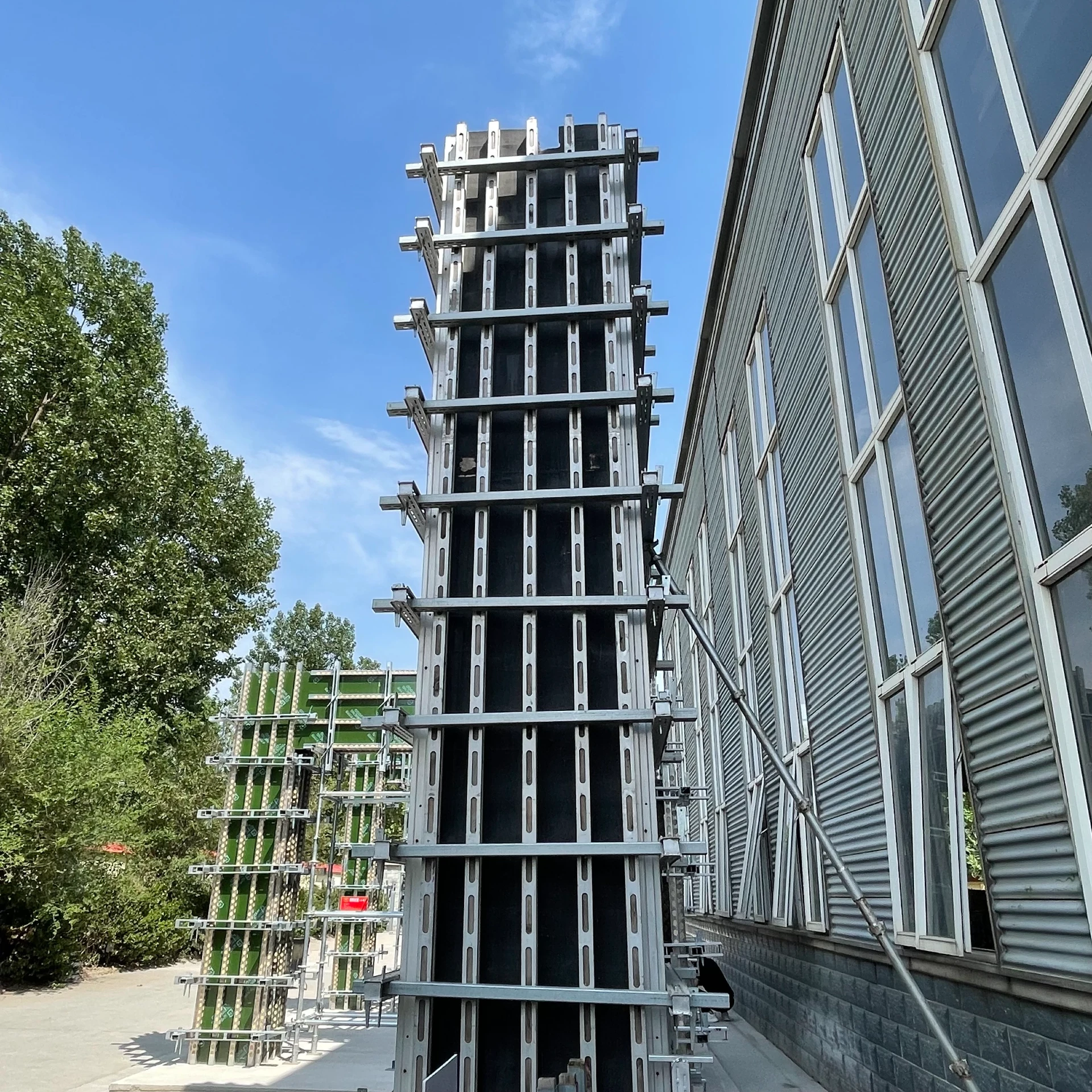
Durable molds shaped to project specifications, they endure the weight and pressure of fresh concrete. Materials range from steel and aluminum to advanced composites, depending on load and surface finish requirements.
4. Climbing Anchors or Grips
These devices firmly attach the formwork system to the structure during the concrete curing phase and allow secure upward movement once the jacks activate.
5. Control Unit
Operations are often computer-assisted—or at least have centralized controls—to synchronize jacking, monitoring loads and ensuring safety safeguards are met in real-time.
Mini Takeaway: Combining hydraulic systems, solid working platforms, robust formwork, gripping anchors, and controls allow safe and continuous vertical construction.
Global Applications and Use Cases
- Urban High-Rises: Developers in Asia’s megacities—like Shanghai and Singapore—rely heavily on these systems for ultra-fast, repetitive wall pours, curbing construction timelines dramatically.
- Post-Disaster Infrastructure: In earthquake or flood-prone areas like parts of the Mediterranean or the Pacific Ring of Fire, faster build cycles help restore essential facilities rapidly.
- Industrial Megaprojects: Think large dams, heavy industrial plants, or power stations worldwide needing massive concrete sections with high precision.
- Remote Regions: Projects in harsh climates, say northern Canada or Siberia, leverage the auto climbing formwork’s reduced labor and assembly time to battle short working seasons.
Mini Takeaway: The system’s versatility fits a variety of critical global needs, from dense urban centers to demanding industrial landscapes.
Advantages and Long-Term Value of Using Auto Climbing Formwork Systems
- Cost Efficiency: Reduced labor and time savings translate directly to lower project costs.
- Safety Improvements: Minimizing scaffold assembly cuts fall risks and injury rates—huge for worker welfare.
- Sustainability: Less material waste and better quality control mean a greener footprint.
- Consistent Quality: Controlled, repetitive processes ensure concrete walls are uniform and align perfectly.
- Social Impact: Faster project completion means sooner access to housing, schools, or hospitals—critical in growing or recovering communities.
Mini Takeaway: The benefits range beyond dollars, contributing to worker safety, environmental stewardship, and community wellbeing.
Auto Climbing Formwork System: Product Specification Table
| Feature | Specification | Benefit |
|---|---|---|
| Lifting Capacity | Up to 150 kN per jack | Supports heavy formwork and concrete loads |
| Hydraulic Stroke | 500–700 mm per cycle | Efficient vertical climbing action increments |
| Platform Size | Up to 60 m² working area | Ample safe work space for crews and equipment |
| Material | Steel, aluminum alloys, composites | Optimized for durability and weight reduction |
Leading Vendors Comparison
| Vendor | Typical Projects | Unique Selling Point | Price Tier |
|---|---|---|---|
| SkyForm Systems | High-rise towers | Integrated safety monitoring software | Premium |
| ClimbTech Solutions | Bridge piers, dams | Heavy-duty hydraulic jacks | Mid-range |
| ElevForm Inc. | Mixed-use complexes | Lightweight composite panels | Budget-friendly |
Emerging Trends and Innovations
The future of auto climbing formwork systems looks both promising and wow-worthy. Automation is becoming increasingly embedded—some vendors now offer remotely controlled jacking units that adjust climbing speed based on real-time sensors monitoring concrete curing. Plus, greener materials are a hot topic. Developers experiment with recycled composites that lower carbon footprint without sacrificing strength.
Plus, digital twin and BIM (Building Information Modeling) integration means that entire climbing sequences can be simulated, optimized, and monitored on site, reducing errors and downtime. Oddly enough, as construction moves into Industry 4.0 territory, these traditional “bricks and mortar” tools are sprouting high-tech skins, combining mechanical robustness with digital finesse.
Challenges & Expert Solutions
However, no system is absolutely flawless. Hydro-mechanical complexity calls for skilled operators and robust maintenance regimes. In extreme weather, jacking systems can face delays—particularly in freezing conditions. Also, initial capital investment is often high, challenging smaller firms or projects with tight finances.
Experts recommend ongoing staff training and modular design upgrades that allow partial replacement of worn components, rather than full equipment swaps. Companies are also exploring hybrid systems that combine auto climbing formwork with modular slab formwork to adapt to variable project demands.
FAQ: Auto Climbing Formwork System
- Q: How much time can an auto climbing formwork system save on a construction project?
- A: Typically, such systems accelerate vertical concrete works by 30–50% compared to conventional formworks, reducing project duration and costs significantly.
- Q: Is specialized training required to operate these systems?
- A: Yes, operators must be trained in hydraulic systems, safety protocols, and equipment controls to ensure safe and efficient climbing operations.
- Q: Can auto climbing formwork systems be customized for unusual building shapes?
- A: Absolutely. Modular panels and adjustable platforms allow these systems to adapt to complex geometries including circular cores or tapered walls.
- Q: What are common maintenance practices to prolong system lifespan?
- A: Regular lubrication, hydraulic fluid checks, and visual inspections of anchors and joints help in early detection of wear and prevent failures.
- Q: Are there environmental benefits to using auto climbing formwork?
- A: Definitively. These systems minimize waste, often reduce transportation needs, and can integrate recyclable panel materials, contributing to greener construction.
Conclusion: Looking Upward With Confidence
To sum it up, the auto climbing formwork system represents a transformative step in construction technology. It aligns perfectly with global demands for taller, safer, and greener infrastructure. Whether you’re a contractor, engineer, or planner, understanding this technology gives you a front-row seat to modern construction’s future.
If you want to explore this further and see how your projects can benefit, visit our website: https://www.formworkreinforced.com.
Final thought: It’s fascinating how combining age-old building principles with smart hydraulics and controls can make the sky truly not the limit anymore, but the starting line.
References:
-
Comprehensive Guide to Scaffolding Rods for Safe Construction PracticesNewsFeb.24,2026
-
Comprehensive Guide to Different Types of Scaffolding for Construction ProjectsNewsFeb.11,2026
-
The Crucial Role and Safe Use of Scaffolding in Modern Construction ProjectsNewsJan.30,2026
-
Maximize Productivity and Safety with a Versatile 7m Scaffold TowerNewsJan.27,2026
-
6m Scaffold Tower: A Comprehensive Guide for B2B BuyersNewsJan.26,2026
-
6ft Scaffold: Durability and Safety in ConstructionNewsJan.25,2026
-
6 Scaffolding: A Modern Construction SolutionNewsJan.24,2026