
What is Automatic Climbing Formwork? Global Benefits & Future Trends Explained
Understanding Automatic Climbing Formwork: Revolutionizing Construction Worldwide
If you’ve ever driven by a soaring high-rise or a massive bridge under construction, chances are you’ve seen automatic climbing formwork in action—whether or not you realized it. This ingenious system is quietly reshaping how vertical concrete structures go up, making the process faster, safer, and more efficient. Globally, with urban populations booming and infrastructure demands surging, understanding automatic climbing formwork is more than just industry jargon. It’s a key to smarter, sustainable building that matters from the skyscraper-lined skylines of Shanghai to the vital dam projects in Africa. Let’s explore why this technology is gaining traction worldwide and what it actually entails.
Introduction: Why Does Automatic Climbing Formwork Matter Globally?
According to the United Nations, about 68% of the world’s population is projected to live in urban areas by 2050. This pressure to build taller, faster, and more efficiently is immense. Traditional formwork methods—like fixed or crane-lifted systems—face limitations, especially when constructing vertical elements like cores and walls. They often require manual dismantling and repositioning, slowing progress and raising safety challenges.
This is where automatic climbing formwork steps in. Its self-climbing capability eliminates many traditional bottlenecks by mechanically raising the formwork sections without cranes, reducing labour-intensive tasks and improving site safety markedly. For construction firms and governments tackling urban housing shortages, transport hubs, or power plants, this means more reliable scheduling and better cost control.
What is Automatic Climbing Formwork?
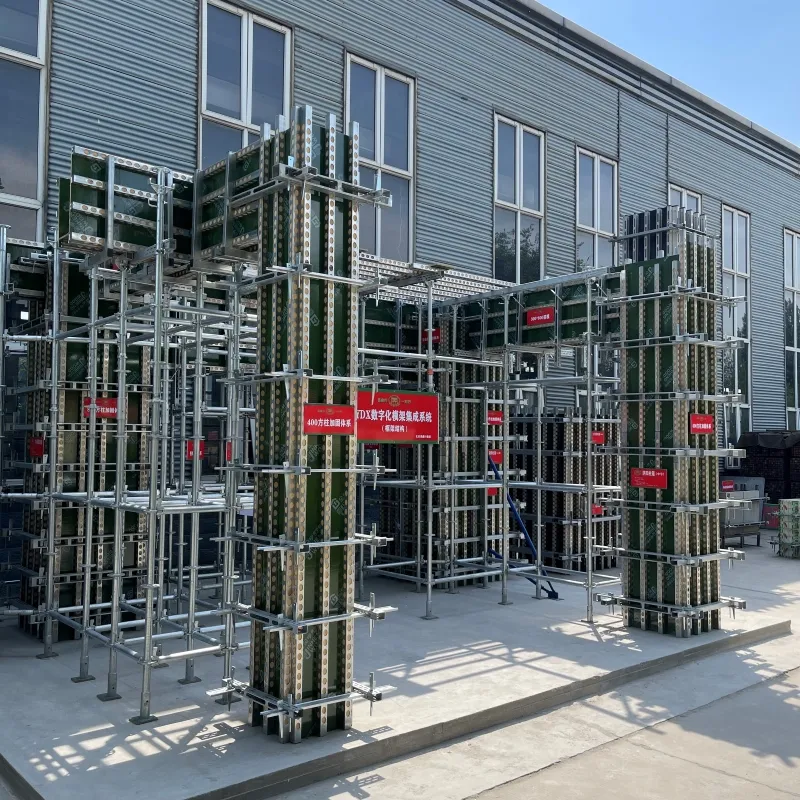
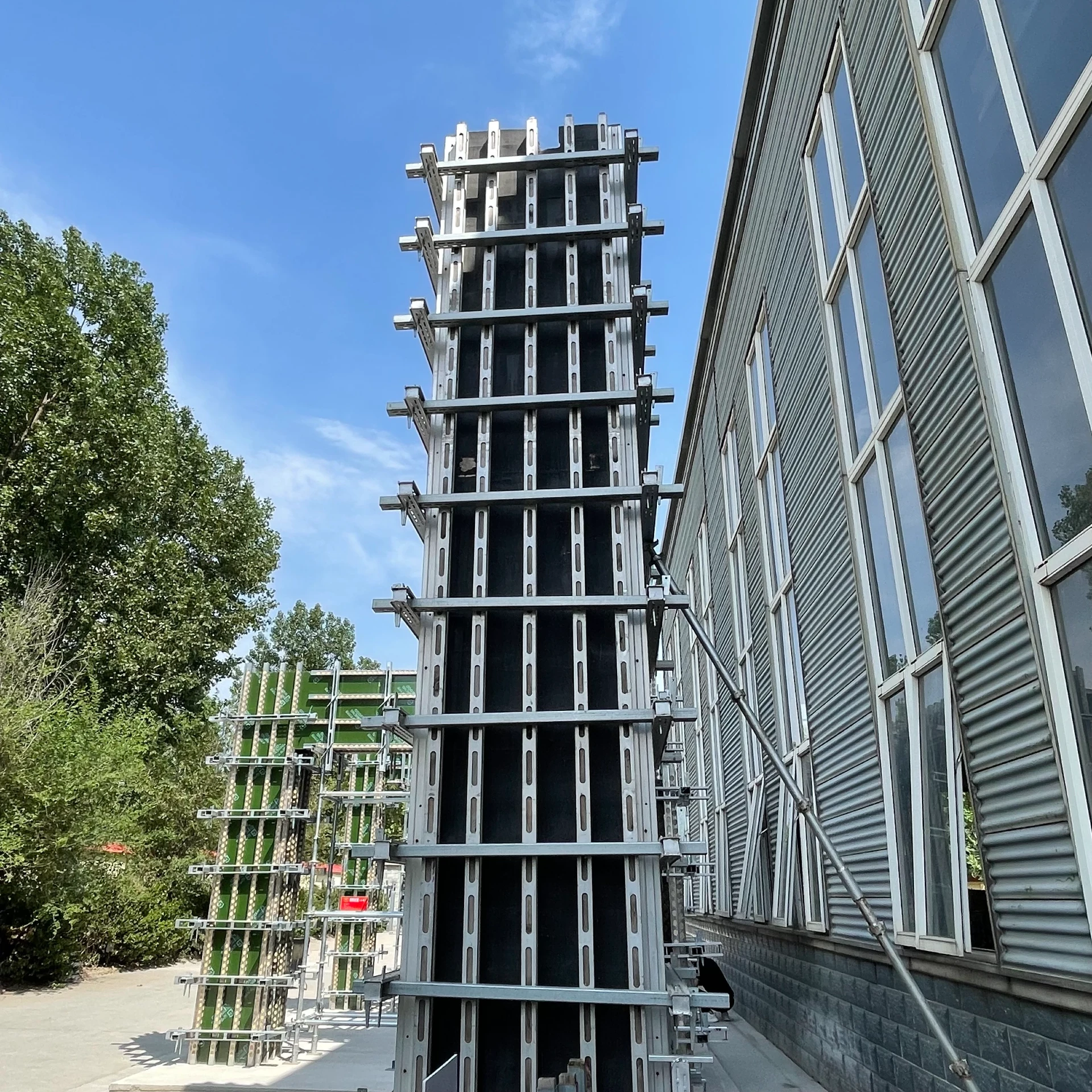
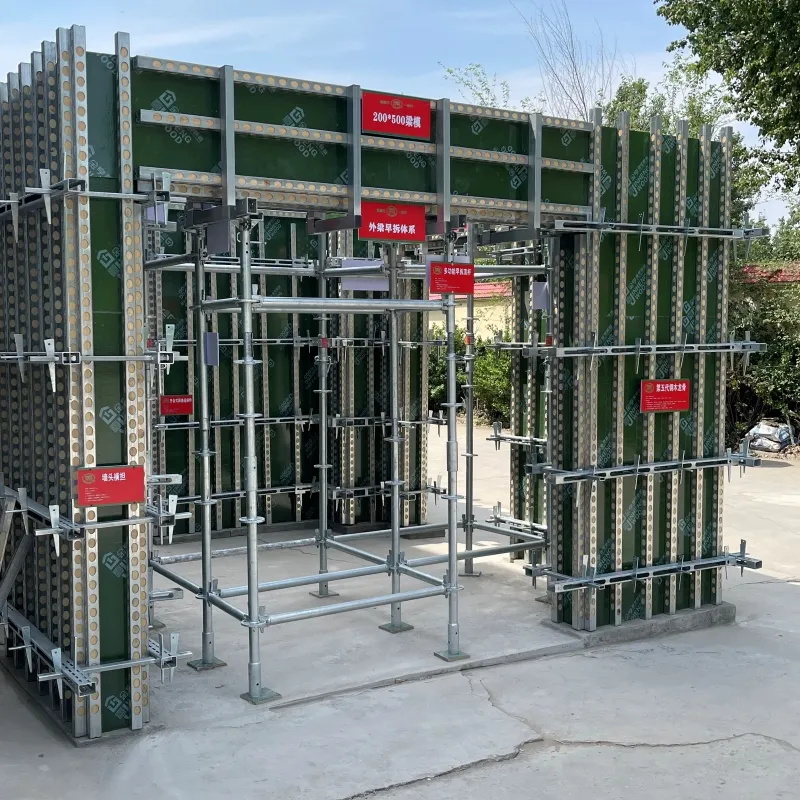
Simply put, automatic climbing formwork is a system of form panels and platforms that can literally “climb” the building structure as construction progresses. Supported by hydraulic jacks or other mechanical means, it moves upward without the need for external lifting equipment. This technology is widely used for casting concrete vertically—think of it as a self-advancing mould system that reshapes and repositions itself in line with the building’s height.
Today, as the demand for rapid, safe construction grows, especially in seismic zones or disaster recovery regions, this kind of formwork is invaluable. It connects modern engineering to humanitarian efforts by enabling faster delivery of resilient structures.
Core Components and Key Factors of Automatic Climbing Formwork
- Durability: Designed to withstand repetitive hydraulic lifts, heavy concrete loads, and harsh weather conditions. Typically made of high-strength steel and durable plywood facing, these components boast extended lifecycles.
- Safety Features: Integrated platforms with guardrails and fall protection convert a hazardous vertical environment into a controllable, sheltered workspace.
- Scalability: Modular design allows the system to adapt for different structure sizes — from narrow elevator cores to wide bridge piers.
- Automation & Control: Hydraulic jacks are often equipped with control panels enabling precise, programmed climbing sequences — reducing human error and making work schedules predictable.
- Cost Efficiency: Although initially an investment, the reduction in labour hours, crane usage, and downtime leads to significant savings on large projects.
- Environmental Impact: Reusable components reduce waste compared to traditional timber formwork, aligning with growing sustainability standards.
Automatic Climbing Formwork Product Specification
| Specification | Details |
|---|---|
| Panel Size | Up to 3.5m height × 6m width (modular adjustability) |
| Load Capacity | Up to 60 kN/m² for concrete pressure |
| Climbing Speed | Hydraulic raising: Approx. 30 cm/min (adjustable) |
| Safety Systems | Guardrails, debris nets, fall arrest anchors |
| Materials | High-tensile steel, plywood or HD plastic facing |
| Automation | PLC-controlled hydraulic jacks, remote monitoring |
Global Applications and Real-World Use Cases
Automatic climbing formwork is no niche gadget anymore. In places like Dubai, it’s almost standard for shaping the towering skyscrapers that define the skyline. Meanwhile, in Europe and North America, its precision and speed suit complex urban projects with tight schedules. Oddly enough, humanitarian organizations have started employing this technology in post-disaster reconstruction in Southeast Asia, where fast and safe rebuilding is critical.
For instance, during the reconstruction of infrastructure in earthquake-affected regions of Nepal, automatic climbing formwork systems enabled engineers to pour safer, reinforced concrete walls faster than traditional forms would allow, keeping recovery on track.
In remote industrial zones, such as hydropower plants in Latin America, its modular nature reduces the need for heavy crane equipment, which is not always easy or cost-effective to mobilize.
Vendor Comparison of Popular Automatic Climbing Formwork Systems
| Feature | Vendor A | Vendor B | Vendor C |
|---|---|---|---|
| Max Panel Size | 3.5m × 6m | 3.2m × 5.5m | 4.0m × 6.0m |
| Automation Level | Fully PLC-controlled | Semi-automatic with manual override | Hydraulic only, no digitized controls |
| Safety Features | Full platforms + fall protection | Guardrails only | Basic safety nets |
| Price Range | High ($150k+ / unit) | Mid ($80k-$120k) | Low ($50k-$70k) |
| Ideal Projects | High-rise cores & large infrastructure | Medium scale commercial buildings | Small projects & low-budget works |
Advantages and Long-Term Value of Automatic Climbing Formwork
The benefits here are not just cost or schedule-related (though those are big). Safety is a huge plus—reducing the need for risky crane operations and scaffold climbing means fewer accidents and less downtime. It also brings higher quality finishes: since the system holds form panels firmly, concreting results in fewer honeycombs or defects. If you think about sustainability, reusability of components and reduced waste are important factors aligning with ISO 14001 environmental management standards.
There’s an emotional angle too: confidence in site safety fosters better morale among workers, and broader trust from project stakeholders and communities. You get innovation that’s both practical and human-centric.
Future Trends and Innovations
The next wave will likely integrate IoT sensors for real-time monitoring of pressure and movement, cutting-edge materials such as carbon fiber components for lighter panels, and greener hydraulic fluids. Some firms are experimenting with AI-guided automation to optimize climbing schedules adapting to weather or concrete curing times. Moreover, combining automatic climbing formwork with 3D printing and modular construction could redefine efficiency further.
Challenges and How Experts Address Them
Of course, it’s not all smooth climbing. Initial cost and training can limit small contractors from adopting the system. Also, hydraulic maintenance needs can be complex if site conditions are remote or dusty. Experts suggest thorough operator training, preventive maintenance plans, and sometimes hybrid solutions blending manual and automatic methods to ease transition.
Frequently Asked Questions About Automatic Climbing Formwork
-
Q: How does automatic climbing formwork improve construction safety?
A: By mechanizing the vertical movement of formwork, it drastically reduces manual handling at height and crane dependency, lowering accident risks. Integrated guardrails and work platforms also create safer environments for workers. -
Q: Can this formwork system be used for irregular-shaped structures?
A: Yes. Modular panel systems allow configuration for various shapes, although designing for very irregular forms requires custom solutions and expert consultation. -
Q: What’s the typical lifespan of automatic climbing formwork panels?
A: With proper maintenance, steel panels and hydraulic jacks can last 10+ years, offering repeated use across multiple projects. -
Q: Is automatic climbing formwork suitable for post-disaster rapid rebuilding?
A: Absolutely. It enables faster wall pours with less labour, helpful in rebuilding housing or critical infrastructure securely in disaster-affected zones. -
Q: How do I import or source these systems internationally?
A: Many established vendors have global distribution networks and compliance with ISO standards, facilitating import. It’s best to connect directly or through regional agents for after-sales support.
Conclusion: Why Invest in Automatic Climbing Formwork?
In a nutshell, automatic climbing formwork represents a tangible leap in construction methodology—one that respects the complexities of modern building and the imperatives of safety, efficiency, and sustainability. As demand grows globally for smarter vertical construction, adopting this solution could well set your projects apart in cost control and quality assurance.
Interested? Dive deeper and explore your options today at https://www.formworkreinforced.com.
In the end, automatic climbing formwork feels like a bit of poetry in steel—lifting structures, and construction itself, upward with grace and precision.
References
-
Comprehensive Guide to Scaffolding Rods for Safe Construction PracticesNewsFeb.24,2026
-
Comprehensive Guide to Different Types of Scaffolding for Construction ProjectsNewsFeb.11,2026
-
The Crucial Role and Safe Use of Scaffolding in Modern Construction ProjectsNewsJan.30,2026
-
Maximize Productivity and Safety with a Versatile 7m Scaffold TowerNewsJan.27,2026
-
6m Scaffold Tower: A Comprehensive Guide for B2B BuyersNewsJan.26,2026
-
6ft Scaffold: Durability and Safety in ConstructionNewsJan.25,2026
-
6 Scaffolding: A Modern Construction SolutionNewsJan.24,2026