
Climbing Cone Formwork: Efficient, Safe & Scalable Solutions for Modern Construction
Climbing Cone Formwork: Revolutionizing Construction Efficiency Worldwide
In the vast world of modern construction, certain innovations quietly redefine how we shape our built environment. The climbing cone formwork system is among those game changers. It may sound technical and niche, but its impacts ripple globally—from skyscraper construction in Asia to infrastructure rebuilding after natural disasters in South America. Frankly, understanding climbing cone formwork is not just for engineers; it’s vital for developers, architects, and even humanitarian organizations looking for durable, efficient building methods.
Introduction: The Global Context of Climbing Cone Formwork
According to the United Nations Human Settlements Programme (UN-Habitat), urban populations are rapidly expanding, demanding faster and safer construction solutions. As high-rise projects soar and infrastructure needs multiply, traditional scaffolding and formwork methods often fall short. Enter climbing cone formwork—a modern system designed to improve speed, safety, and scalability in vertical concrete construction. Industry reports estimate that formwork can account for up to 15% of total project costs and time, so innovations here have significant economic and environmental implications (ISO Standards for Construction).
One pressing challenge is reducing labor-intensive operations while maintaining safety and quality—something climbing cone formwork addresses elegantly.
What is Climbing Cone Formwork?
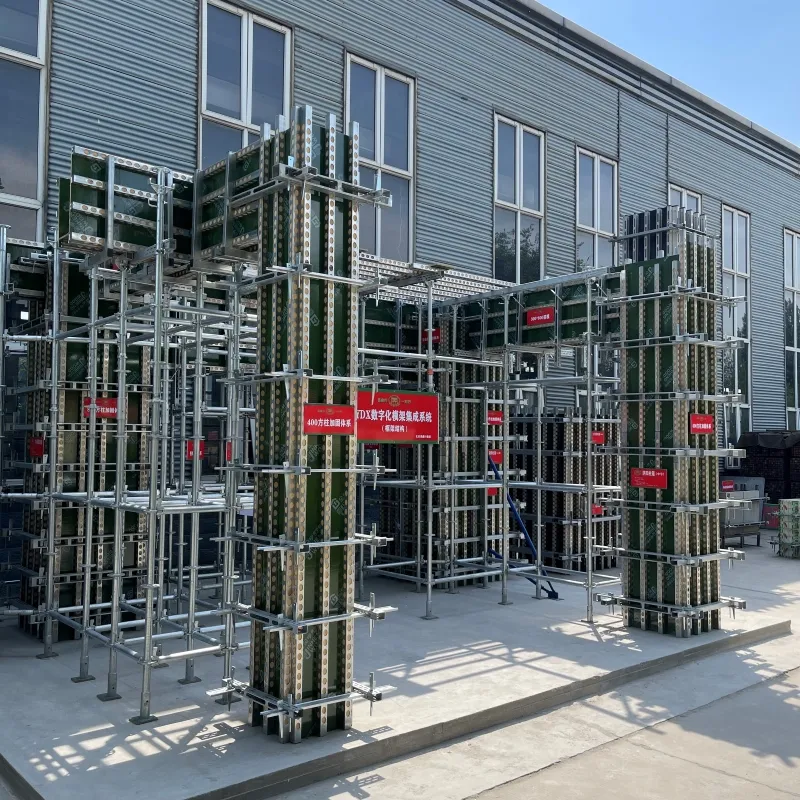
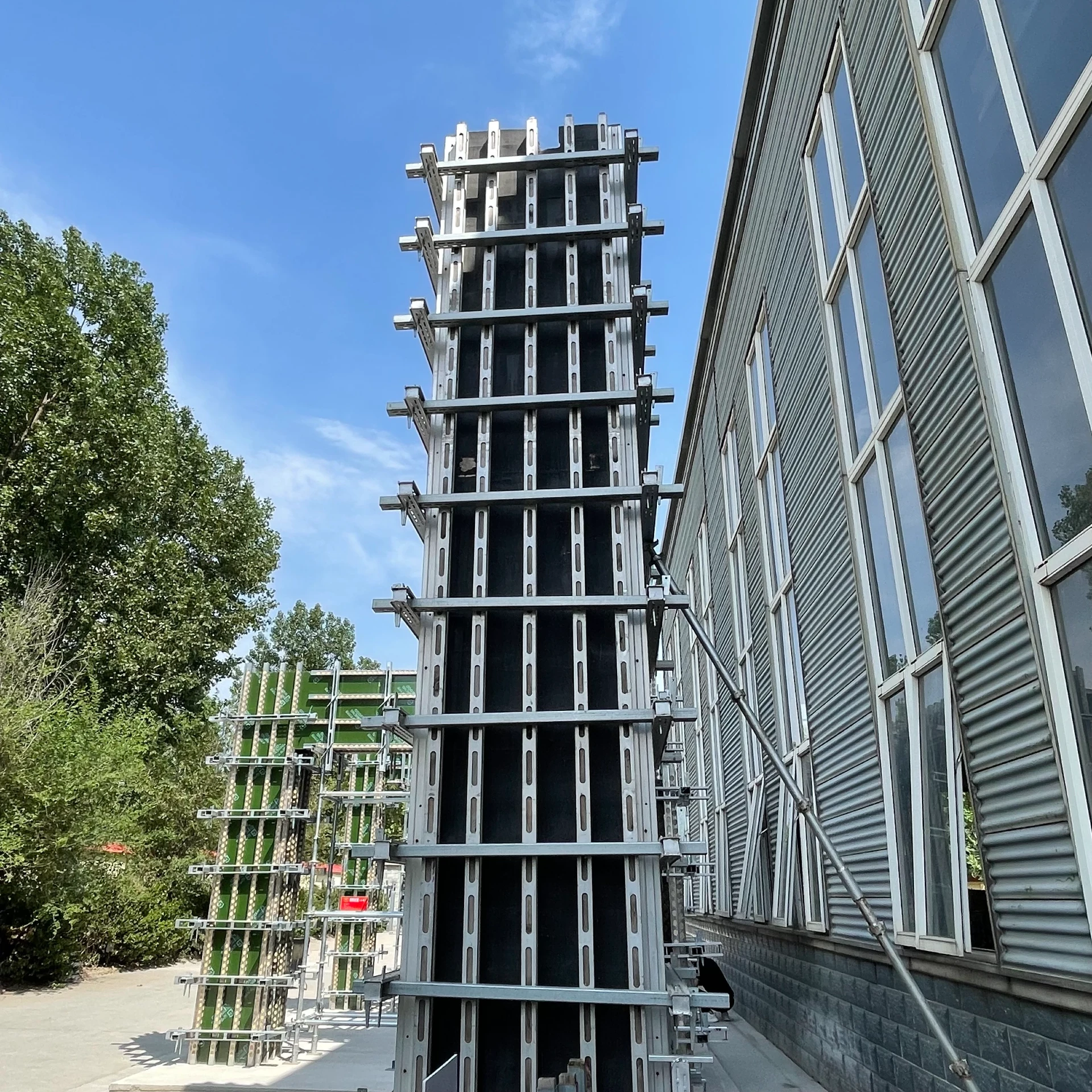
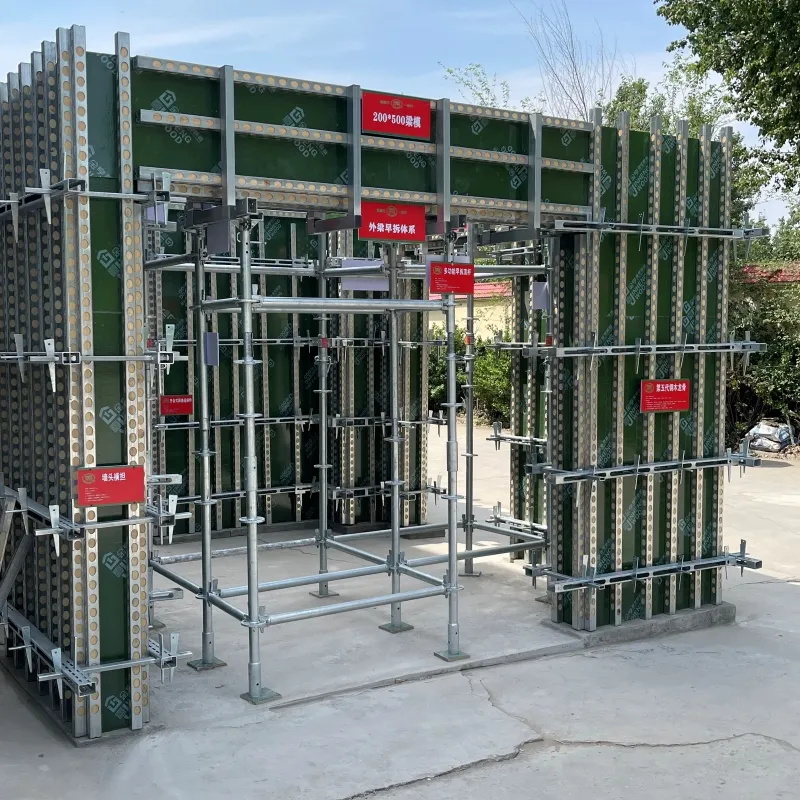
Simply put, climbing cone formwork is a type of reusable, modular formwork system used primarily in constructing tall concrete cores (think elevator shafts, stairwells, or tower cores). Unlike traditional fixed or suspended formwork, it “climbs” the structure as it progresses upward, using hydraulic jacks or mechanical devices to lift and reposition the formwork securely. The “cone” shape is characteristic, facilitating quick and stable lifting.
Its relevance goes beyond just structures—it supports rapid urban development and disaster recovery projects, where speed and safety are paramount.
Core Components and Key Factors of Climbing Cone Formwork
1. Durability and Material Strength
Typically made from high-grade steel and sometimes reinforced aluminum, climbing cone formworks can endure the heavy stresses of concrete curing and repeated use. This material robustness ensures long lifecycle performance, reducing waste and costs over time.
2. Scalability & Modularity
The system’s modularity allows quick adaptation to varying core diameters and building heights. Whether it’s a mid-rise apartment or a 60+ floor tower, scaling the formwork is relatively straightforward—a key advantage when projects evolve.
3. Efficiency in Time and Labor
Climbing cone formworks reduce need for extensive scaffolding and manual repositioning. Hydraulic climbing systems can lift the formwork into place overnight with minimal workforce, accelerating project timelines significantly.
4. Safety and Worker Protection
By minimizing exposed scaffoldings and integrating secure guardrails within the formwork, worker safety is improved. This aspect is critical in locations with stringent safety standards or challenging weather conditions.
5. Cost Effectiveness
While initial investment can be higher compared to traditional flat formwork, the reusability and speed savings offer significant return on investment (ROI) across multiple projects.
Product Specifications of a Typical Climbing Cone Formwork System
| Specification | Details |
|---|---|
| Material | High-strength steel / Aluminum alloy |
| Climbing Method | Hydraulic jacks or mechanical winches |
| Core Diameter Range | 1.5 – 5 meters (adjustable) |
| Max Height per Cycle | Typically 3 meters |
| Weight | Approx. 2,500 kg per module |
| Reusability | 10+ project cycles with proper maintenance |
Comparing Leading Vendors of Climbing Cone Formwork Systems
| Feature / Vendor | FormTech Solutions | ElevateForm Inc. | SkyBuild Systems |
|---|---|---|---|
| Material Quality | High-grade steel | Aluminum-steel hybrid | Steel with corrosion resistance |
| Typical Lead Time | 4-6 weeks | 6-8 weeks | 5-7 weeks |
| Customization Options | Full modular design | Core and diameter adjustments | Limited modularity |
| Safety Features | Integrated guardrails, safety sensors | Standard guardrails | Enhanced safety lockdown system |
| Price Range (USD) | $120,000 - $150,000 | $130,000 - $160,000 | $110,000 - $140,000 |
Global Applications and Use Cases
Climbing cone formwork is widely deployed across continents for an array of projects:
- Asia: Rapid urbanization in megacities like Shanghai and Mumbai has leaned heavily on climbing formwork for high-rises and metro tunnels.
- Middle East: Luxury tower construction, such as in Dubai, benefits from the speed and adaptability of these formwork systems, accommodating complex designs.
- South America: Post-disaster rebuilding after earthquakes in Chile leverages climbing cone formworks for swift and safe core construction in fragile zones.
- Africa: Infrastructure development projects in remote areas increasingly adopt modular climbing systems to overcome logistical constraints.
For humanitarian applications, the technology’s rapid assembly means shelters and essential facilities—like hospitals—can come up far faster and with safer working conditions.
Advantages and Long-Term Value of Climbing Cone Formwork
Beyond the nuts and bolts, climbing cone formworks bring tangible benefits that resonate with decision makers:
- Cost savings: Faster cycle times reduce labor costs and shorten project schedules.
- Environmental sustainability: Reusability and reduced material waste align with green building principles.
- Safer sites: Integrated safety features help prevent accidents, improving workforce well-being.
- Innovation & reputation: Using modern systems signals a firm’s commitment to cutting-edge technology and quality.
On an emotional level, workers feel more secure; investors see reliable timelines; and communities experience the dignity of resilient infrastructure standing the test of time.
Future Trends & Innovations in Climbing Cone Formwork
The construction industry is evolving with digital transformation and greener materials. Some emerging trends impacting climbing cone formworks include:
- Automation & IoT: Sensor integration allows remote monitoring of stresses and real-time safety alerts.
- Lightweight composites: Research into carbon fiber-reinforced polymers may reduce weight while maintaining strength.
- Renewable energy integration: Solar-powered hydraulic systems could lower carbon footprints on site.
- Advanced customization: BIM (Building Information Modeling) enables precise formwork design adapted to complex architectural shapes.
Challenges and Expert Solutions
No system is without hurdles. Common limitations in climbing cone formwork use include:
- High upfront costs: Many clients hesitate due to initial investment requirements.
- Complexity: Requires skilled operators and maintenance protocols.
- Logistical constraints: Transporting large components to hard-to-reach sites remains tricky.
Experts recommend comprehensive training programs for crews and phased investment strategies. Some companies offer rental or leasing options to spread costs. Modular design evolution is helping ease transport challenges. Overall, industry collaboration is closing gaps steadily.
FAQ: Frequently Asked Questions About Climbing Cone Formwork
- How quickly can climbing cone formwork be deployed on a new site?
- Deployment speed varies by site complexity, but typically the formwork can be set up within 1-3 days, much faster than traditional scaffolding, enabling rapid project startup.
- Are climbing cone formworks suitable for all types of concrete cores?
- They are ideal for vertical, round or polygonal cores but may not be practical for irregular shapes. Customization allows adaptability within certain limits.
- What maintenance is needed to ensure formwork longevity?
- Regular inspections, cleaning, lubrication of moving parts, and proper storage protect the system. Adhering to manufacturer guidelines ensures 10+ reuse cycles.
- Can climbing cone formwork improve safety on high-rise sites?
- Yes, by reducing reliance on scaffolding and featuring integrated guardrails and safety locks, they lower fall risks and improve overall site safety.
- How can organizations source climbing cone formwork internationally?
- Several vendors offer export services, often with customization and technical support. It’s advisable to consult with local experts and verify compliance with regional standards.
Conclusion
The climbing cone formwork system represents a blend of engineering ingenuity and practical efficiency that speaks to the needs of today’s construction world. Whether tackling megaprojects or rebuilding disaster-affected areas, this formwork alleviates traditional bottlenecks, enhances safety, and offers sustainable value long term. If you want to dive deeper into specifications, options, or expert advice, I encourage you to visit our website: climbing cone formwork.
Mini takeaway: Climbing cone formwork isn’t just an innovation—it’s a foundation for the future of safer, faster, and greener vertical construction.
References
-
Comprehensive Guide to Scaffolding Rods for Safe Construction PracticesNewsFeb.24,2026
-
Comprehensive Guide to Different Types of Scaffolding for Construction ProjectsNewsFeb.11,2026
-
The Crucial Role and Safe Use of Scaffolding in Modern Construction ProjectsNewsJan.30,2026
-
Maximize Productivity and Safety with a Versatile 7m Scaffold TowerNewsJan.27,2026
-
6m Scaffold Tower: A Comprehensive Guide for B2B BuyersNewsJan.26,2026
-
6ft Scaffold: Durability and Safety in ConstructionNewsJan.25,2026
-
6 Scaffolding: A Modern Construction SolutionNewsJan.24,2026