
What is a Self Climbing Platform? Key Benefits, Uses & Innovations
Understanding the Self Climbing Platform: Innovation in Construction and Beyond
When you hear the term self climbing platform, you might picture a bit of futuristic tech, but frankly, it’s a vital piece of modern construction that’s quietly revolutionizing industry standards around the world. At its core, this platform is a smart, scalable solution that can lift itself up on a structure without needing external cranes. Why does this matter globally? Because it tackles some of the most stubborn challenges in building tall, complex structures safely and efficiently, especially in urban centers and harsh environments.
In an age where sustainable infrastructure plays a key role in economic development and disaster resilience, understanding self climbing platforms becomes crucial. This technology doesn’t just speed up construction; it also promotes safer work conditions, cuts costs, and reduces environmental footprints.
Global Context: The Rising Need for Self Climbing Platforms
Across the globe, urbanization rates are skyrocketing — the UN estimates that by 2050, nearly 68% of the world’s population will live in cities. That means more skyscrapers, bridges, and infrastructure requiring innovative construction techniques.
Oddly enough, traditional cranes and scaffolding often hit their limits on super-tall projects or confined sites. That’s where self climbing platforms come in, offering a safer and more adaptable alternative. According to various industry reports, the use of climbing systems in construction projects has helped reduce build time by up to 30%, which is a significant saving when you think about labor, safety, and resource allocation.
Defining the Self Climbing Platform
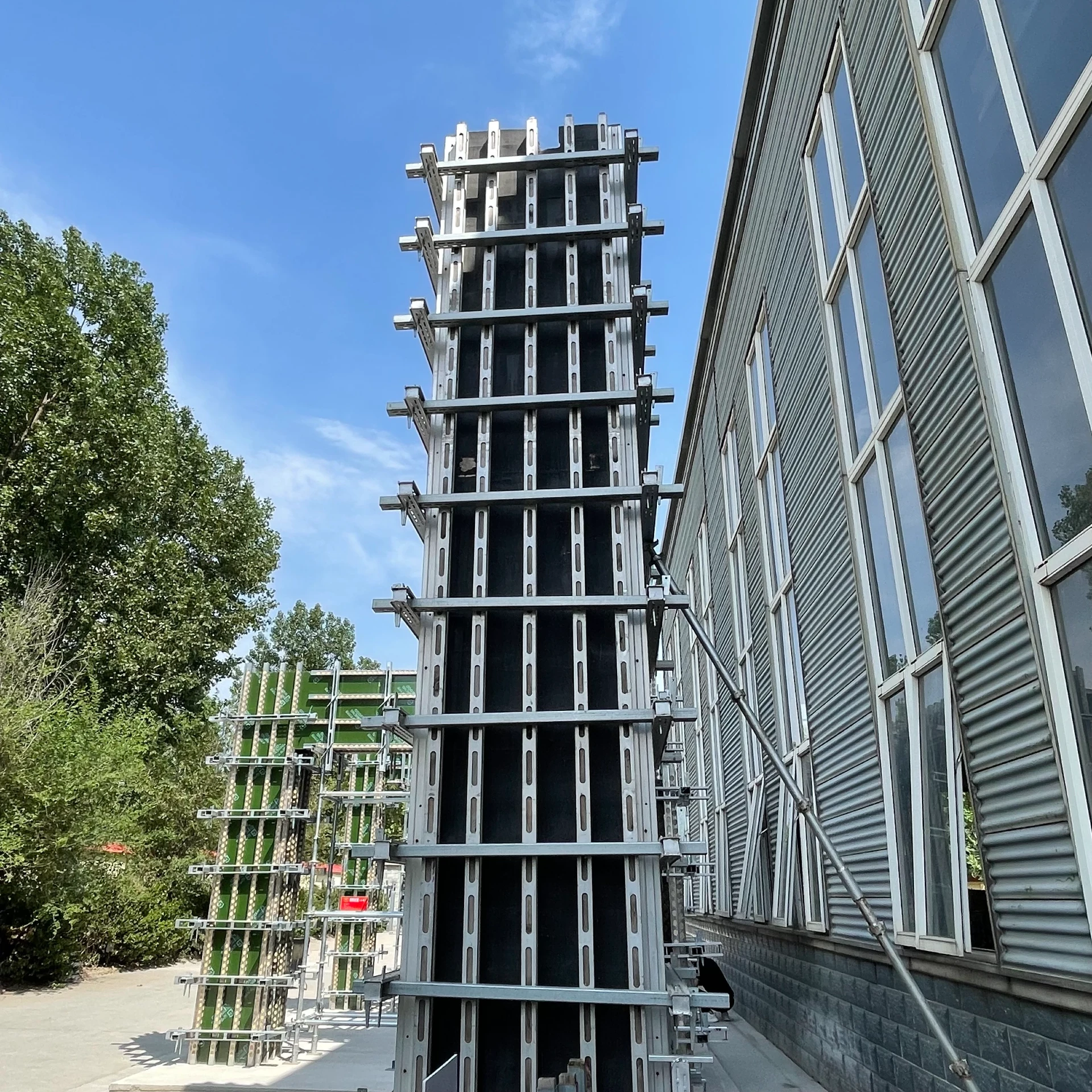
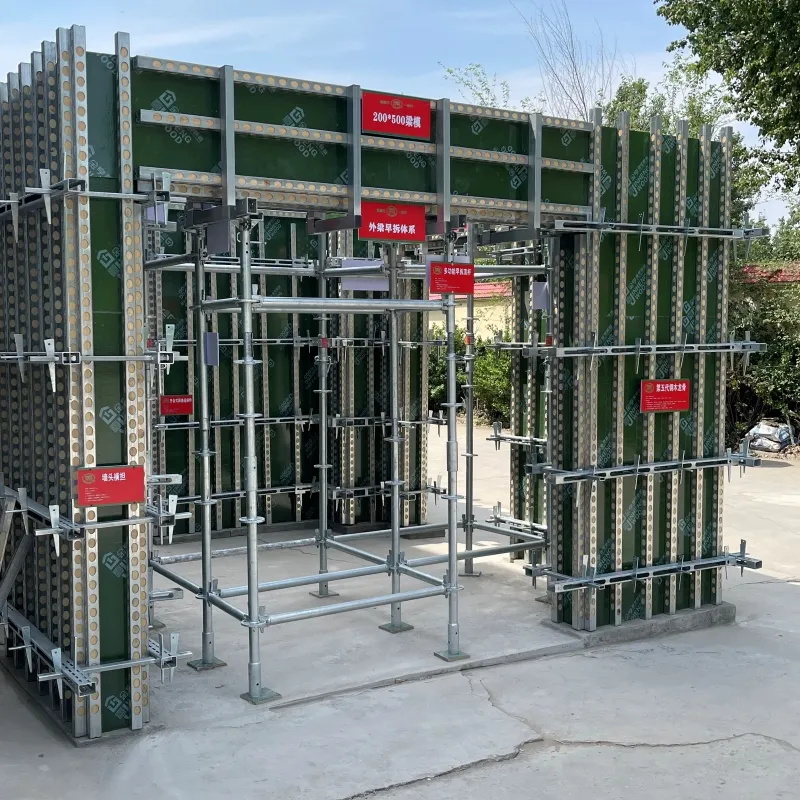
Put simply, a self climbing platform is a mechanical system that attaches to a building or structure and ascends vertically without the need for external lifting equipment. It “climbs” by anchoring itself to the structure and slowly moving upwards using hydraulic jacks or similar mechanisms.
This means workers can have a secure platform that moves with the building progress, providing access to upper floors during construction or repair. It’s especially relevant in high-rise construction, tunnel excavation, and even large-scale industrial setups, making it a versatile asset.
Core Components and Key Factors
1. Durability and Strength
The platform must withstand harsh weather, heavy equipment, and continuous movement. Steel frame construction with corrosion-resistant treatments is a norm, ensuring longevity and safety.
2. Scalability and Modular Design
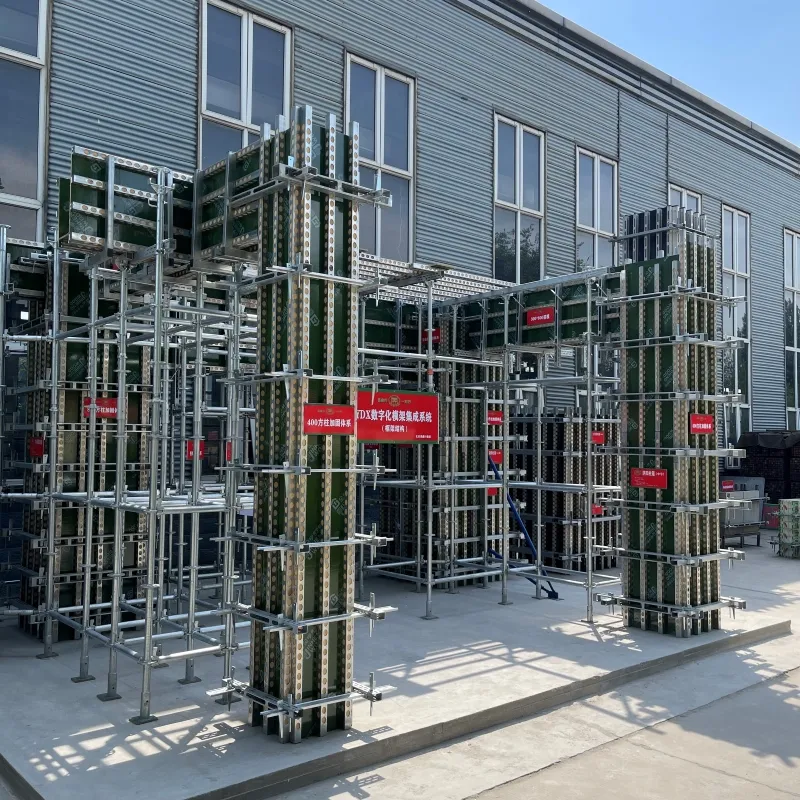
Components are often modular, allowing platforms to be customized for different building shapes and heights. This flexibility means projects from tiny repair jobs to massive towers can benefit.
3. Cost Efficiency
Although initial investment can be substantial, the reduced labor, quicker build times, and limited crane usage make self climbing platforms cost-effective in the medium to long term.
4. Safety Enhancements
With integrated guardrails, automatic locking systems, and stable anchoring, these platforms drastically lower fall risks for workers, meeting stringent regulatory standards.
5. Automation and Control Systems
Modern platforms often include computerized control panels that manage climbing speed and position, providing smooth operation and reducing human error.
Mini Takeaway:
Think of self climbing platforms as a smart, safe “elevator” for construction—a solution crafted to keep projects moving upward without the usual headaches.
Product Specification Table: Typical Self Climbing Platform Features
| Feature | Specification |
|---|---|
| Max Load Capacity | 5,000 kg (varies by model) |
| Platform Size | From 3 x 7 meters – customizable |
| Climbing Mechanism | Hydraulic jacks with mechanical locking |
| Power Supply | Electric or diesel-driven options |
| Safety Features | Guardrails, fall arrest anchors, emergency stop |
Global Applications & Use Cases
Self climbing platforms are everywhere from the soaring skylines of New York to remote industrial projects in the Middle East. The adaptability means these platforms serve:
- Urban High-Rise Construction: Skyscrapers use them to create exterior access without large mobile cranes dominating street space.
- Post-Disaster Recovery: In places hit by earthquakes or hurricanes, platforms let engineers safely stabilize structures and perform repairs.
- Hydroelectric and Power Plants: Platforms scale dams or tall pipework where manual scaffolding is impractical.
For example, during the reconstruction of a dam in South America, engineers used self climbing platforms to install precast concrete panels, cutting time dramatically while ensuring worker safety.
Vendor Comparison Table: Leading Self Climbing Platform Providers
| Vendor | Customization | Safety Certifications | Lead Times | Price Range |
|---|---|---|---|---|
| LiftTech Equipments | High — tailor-made designs | ISO 9001, OSHA compliant | 6–8 weeks | $$$ |
| ClimbSafe Systems | Moderate — modular kits | CE Mark, ANSI certified | 4–6 weeks | $$ |
| SkyReach Technologies | Low — standard range | ISO 14001, OSHA | 3–5 weeks | $ |
Advantages & Long-Term Value
Beyond the immediate convenience, these platforms bring a third dimension of benefits:
- Cost Savings: You save on crane rental, scaffolding setup, and reduce downtime.
- Sustainability: Reusable components and reduced material waste align with ISO 14001 principles on environmental management.
- Worker Safety: Enhanced safety fosters better morale and lowers insurance premiums.
- Social Impact: Faster completion means communities get critical infrastructure sooner, supporting economic growth.
One client I came across, working on a hospital expansion, mentioned it was like having a “moving scaffold that just felt secure and reliable - it gave our team confidence every step of the way.”
Future Trends & Innovations
Looking ahead, the integration of IoT sensors with self climbing platforms is enabling real-time monitoring of stress loads and position. This digital transformation improves maintenance and safety. Couple that with automation — platforms now can sense obstacles and adjust climbing speed dynamically.
Moreover, there’s rising interest in greener materials such as high-strength recycled composites, aiming to reduce the carbon footprint even further. And, policies pushing construction firms towards sustainable practices ensure self climbing platforms evolve in harmony with environmental goals.
Challenges & Solutions
It’s not all smooth sailing — challenges such as upfront costs, operator training, and adaptation to irregular building geometries persist. However, advanced simulation software and training VR modules are helping mitigate these issues.
Manufacturers also offer rental and leasing programs to reduce capital barriers, and modular designs make integration on complex sites easier.
FAQ: Common Questions About Self Climbing Platforms
- How does a self climbing platform improve safety compared to traditional scaffolding?
- The platform anchors securely to the structure and moves incrementally, reducing fall hazards inherent in scaffolding. Built-in safety systems like emergency brakes and guardrails make it safer for workers.
- Can self climbing platforms be used in disaster recovery operations?
- Absolutely. Their adaptability and ease of repositioning make them invaluable for stabilizing damaged structures and assisting rebuilding efforts quickly and safely.
- What is the typical lifespan of a self climbing platform?
- With proper maintenance, platforms can last more than 20 years. Their steel construction and protective coatings help resist wear even under demanding conditions.
- Are these platforms environmentally friendly?
- Compared to temporary scaffolding systems, reusable platforms reduce material waste. Advances in materials and automation also contribute to sustainable use.
- How do I choose the right vendor for my project?
- Consider customization capabilities, safety certifications, lead times, and after-sales support. Comparing offerings as shown above helps make an informed decision.
Conclusion + Call to Action
In real terms, a self climbing platform is more than just a bit of construction hardware. It represents progress in how we build safely, efficiently, and sustainably — a quiet but powerful force reshaping modern infrastructure. Whether you’re an engineer, project manager, or sustainability advocate, keeping an eye on these innovations could save time, money, and even lives down the road.
For those curious to explore solutions tailored to your next big project, visit our website and discover how self climbing platforms can elevate your work — quite literally.
Reflection
Exploring self climbing platforms reveals how engineering merges with safety and sustainability. Oddly enough, the simplest idea (a platform that climbs itself) can radically change entire industries. It's a reminder that sometimes incremental, thoughtful innovation makes the biggest impact.
References
-
Comprehensive Guide to Scaffolding Rods for Safe Construction PracticesNewsFeb.24,2026
-
Comprehensive Guide to Different Types of Scaffolding for Construction ProjectsNewsFeb.11,2026
-
The Crucial Role and Safe Use of Scaffolding in Modern Construction ProjectsNewsJan.30,2026
-
Maximize Productivity and Safety with a Versatile 7m Scaffold TowerNewsJan.27,2026
-
6m Scaffold Tower: A Comprehensive Guide for B2B BuyersNewsJan.26,2026
-
6ft Scaffold: Durability and Safety in ConstructionNewsJan.25,2026
-
6 Scaffolding: A Modern Construction SolutionNewsJan.24,2026