
What is a Self Climbing Formwork System? Benefits, Applications & Future Trends
Understanding the Self Climbing Formwork System: A Global Construction Game-Changer
Ever paused to consider how some of the world’s tallest skyscrapers seem to almost build themselves? If you haven't heard of a self climbing formwork system, you’re certainly about to meet one of the marvels behind that feat. This technology isn’t only about speed—it’s pivotal in shaping modern urban landscapes while aligning with sustainable construction practices. In a world where urban density is rising sharply, and projects often face time and safety constraints, understanding the impact of these systems offers valuable insight into the future of construction.
Introduction: Why the Self Climbing Formwork System Matters Globally
According to the United Nations, over 55% of the global population resided in urban areas as of 2018, with projections suggesting this will rise to around 68% by 2050. Heavy urbanization means taller buildings and more complex infrastructure, pushing construction methods into uncharted territory. The conventional scaffolding systems simply can’t keep up — they’re labor-intensive, time-consuming, and often present safety hazards.
Enter the self climbing formwork system: a flat-out innovative response to these challenges. These systems significantly reduce construction times and improve safety by allowing the formwork to “climb” itself without a crane or external supports, streamlining workflow on high-rise projects worldwide. It’s a solution addressing problems that range from urban densification in Asia to quick disaster recovery construction in Africa.
What Exactly is a Self Climbing Formwork System?
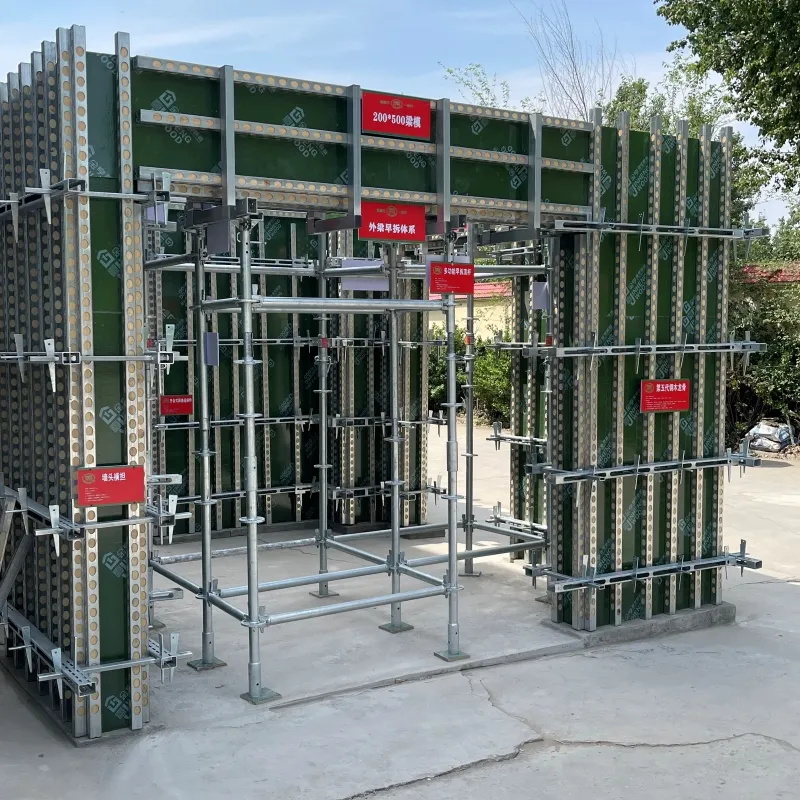
Put simply, a self climbing formwork system is a type of formwork that uses hydraulic jacks attached to the structure’s core to raise the formwork vertically as each level of concrete is poured and cured. Unlike traditional fixed or crane-dependent formwork, this system “climbs” using mechanized movement, minimizing external labor and equipment.
The importance of this technology goes beyond just faster building. It ties directly into modern structural engineering needs, offering enhanced safety for workers by minimizing manual adjustments and reducing scaffold-dependent risks. It's no wonder industries involved in high-rise commercial buildings, bridges, and even large dams are adopting it enthusiastically.
Key Components and Factors of Self Climbing Formwork Systems
1. Durability & Material Quality
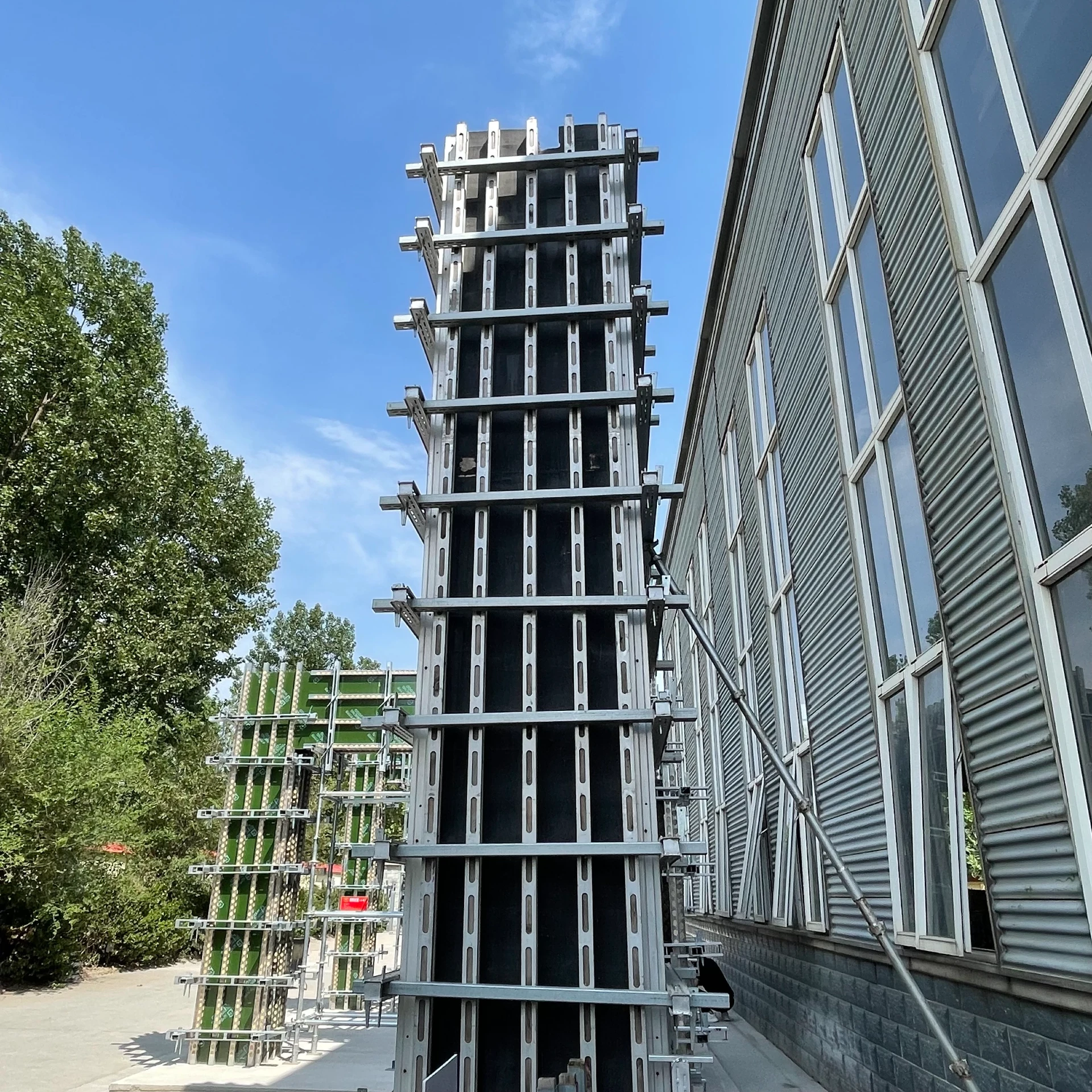
The ability of the system to withstand the harsh pressures of concrete pouring and the environment is crucial. Components are typically fabricated from high-strength steel and treated to resist corrosion, especially important in humid or coastal regions.
2. Scalability & Adaptability
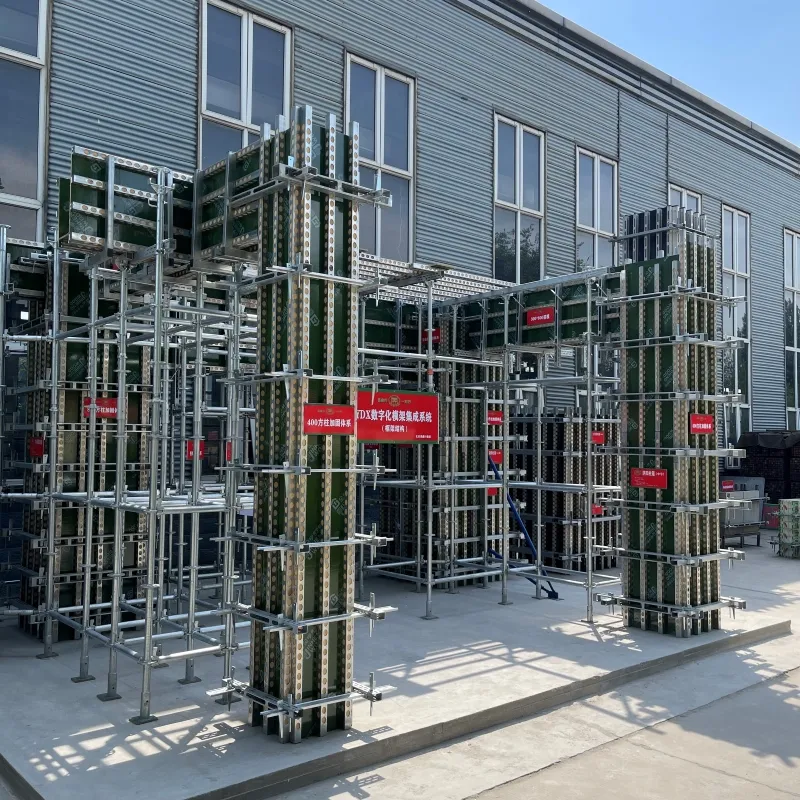
Formwork heights vary greatly by project. Self climbing systems can adapt to a building’s unique geometry — curves, angles, or straight shafts alike — an advantage traditional scaffolds simply cannot match.
3. Cost Efficiency
While the upfront cost may seem high, the long-term savings from reduced labor, equipment rental, and quicker project turnaround are undeniable. Studies show that this system can shave off up to 30% of total formwork costs.
4. Safety Enhancements
Since the climbing process is mechanized, fewer workers need to be at dangerous heights during movement. Safety platforms integrated into the formwork offer secure working spaces during concrete finishing and other tasks.
5. Installation Speed & Workflow Integration
The self climbing system streamlines concrete pouring and curing cycles, allowing simultaneous work stages and faster overall construction timelines. Engineers often emphasize how this concurrent workflow impacts project milestones positively.
Product Specification Snapshot
| Specification | Details |
|---|---|
| Max Formwork Height | 300 meters |
| Formwork Panel Width | 0.6 to 2.4 meters |
| Hydraulic Jack Capacity | Up to 60 tons per jack |
| Typical Climb Speed | 1 meter per hour |
| Safety Features | Integrated guardrails, work platforms, fall arrest systems |
Global Use Cases: From Skylines to Emergency Shelters
In Asia, especially China and Hong Kong, the rapid urban sprawl and demand for vertical housing have driven widespread use of these systems. Similarly, Dubai’s iconic skyscrapers rely on these efficient, safe formwork systems.
Oddly enough, the benefits also translate well to disaster-relief contexts. NGOs operating in earthquake or cyclone hit zones value rapid construction which self climbing formwork facilitates — much faster than rebuilding with traditional methods. In Europe, the emphasis has shifted a bit towards green building initiatives, integrating self climbing formwork with eco-friendly materials and smart sensors for improved energy efficiency.
Vendor Comparison Table
| Vendor | Key Features | Price Range (Per Module) | Support & Training |
|---|---|---|---|
| ClimbPro Systems | Hydraulic-driven, modular panels, customizable heights | $15,000 - $25,000 | On-site training, 24/7 technical support |
| ElevateForm Tech | Lightweight steel frames, advanced safety sensors | $18,000 - $28,000 | Remote support, certified training programs |
| SkyBuild Equipments | Integrated platform systems, eco-coatings | $16,500 - $26,500 | Comprehensive manuals, consultancy services |
Advantages & Long-Term Benefits
- Time Savings: Projects complete significantly faster—sometimes by as much as 50% compared to traditional methods.
- Worker Safety: Less manual handling at dangerous elevations results in fewer accidents and injuries.
- Cost Reduction: Lower labor and equipment rental costs balance the initial investment in the system.
- Sustainability: Its reusability and decreased reliance on timber scaffolding align well with green building practices.
There’s also an often overlooked social dimension: these systems offer a sense of dignity to construction workers by improving workplace conditions. And frankly, when you trust your equipment, that confidence seeps into every task.
Future Trends & Innovative Directions
Advances in automation mean self climbing formwork systems are increasingly being integrated with digital controls—robots that monitor concrete curing and system status in real time. Combining this with green materials, carbon-neutral steel, and IoT sensors for safety could be the norm sooner than we think.
Some manufacturers are even experimenting with renewable-powered hydraulic jacks or energy recovery systems to reduce the system’s carbon footprint, targeting ISO 14001 environmental compliance.
Challenges and How Experts Are Tackling Them
One common challenge is the initial cost barrier for smaller construction firms, especially in developing nations. Fortunately, rental and leasing models have emerged, making this technology accessible without huge upfront expenses. There’s also a learning curve—companies must invest in training for their crews—but vendors typically provide tailored programs to smooth that transition.
FAQ: Your Self Climbing Formwork System Queries Answered
- What are the biggest safety advantages of self climbing formwork?
- Because the system raises itself mechanically, fewer workers need exposure to heights when adjusting or moving scaffolding. Integrated guardrails and work platforms also add layers of protection, lowering accident rates substantially.
- How quickly can a self climbing formwork system be deployed on a site?
- Deployment depends on project scale, but typically assembly and installation can take a couple of days to a week, much faster compared to erecting traditional scaffolding for the same height.
- Is the system compatible with complex architectural shapes?
- Yes, many systems are modular and adaptable to different shapes, including curved or angled wall forms. Customization is often available from vendors to suit unique building designs.
- Can these systems be reused across multiple projects?
- Absolutely. One of their key advantages is durability and modular design, allowing companies to transport and redeploy components for many construction cycles, increasing cost-effectiveness.
- How does the self climbing formwork system impact overall project sustainability?
- These systems reduce the need for timber scaffolding, lower construction waste, and minimize the carbon footprint by speeding build times and supporting green building certifications.
Conclusion: The Rising Importance of Self Climbing Formwork Systems
Looking at the evolution of building high-rises, one thing’s clear: the self climbing formwork system isn’t some niche gadget. It’s a cornerstone technology of modern construction that blends efficiency, safety, sustainability, and even dignity for workers. Whether in bustling metropolises or in settings demanding rapid reconstruction, it’s reshaping how we build, and frankly, that’s an exciting future to watch unfold.
Curious to learn more or explore suitable systems? Visit our website: https://www.formworkreinforced.com
Mini takeaway: The self climbing formwork system is a robust, adaptable technology pivotal to today’s high-rise construction, promising enhanced speed, safety, and sustainability worldwide.
References
-
Comprehensive Guide to Scaffolding Rods for Safe Construction PracticesNewsFeb.24,2026
-
Comprehensive Guide to Different Types of Scaffolding for Construction ProjectsNewsFeb.11,2026
-
The Crucial Role and Safe Use of Scaffolding in Modern Construction ProjectsNewsJan.30,2026
-
Maximize Productivity and Safety with a Versatile 7m Scaffold TowerNewsJan.27,2026
-
6m Scaffold Tower: A Comprehensive Guide for B2B BuyersNewsJan.26,2026
-
6ft Scaffold: Durability and Safety in ConstructionNewsJan.25,2026
-
6 Scaffolding: A Modern Construction SolutionNewsJan.24,2026