
Understanding the Self Climbing Platform System: Safe and Efficient Vertical Access Solutions
What Is a Self Climbing Platform System and Why Does It Matter?
When you think of tall construction sites, the image of cranes and scaffolding often comes to mind. But there’s a quieter hero behind many of these towering projects — the self climbing platform system. This technology not only revolutionizes how skyscrapers and bridges get built but also holds key importance in disaster relief and industrial maintenance worldwide. Understanding these platforms unlocks insights into safer and more efficient construction and is frankly, quite fascinating.
Globally, as urban spaces race upwards and infrastructure needs grow more complex, self climbing platforms are in higher demand. According to the International Organization for Standardization (ISO), the construction sector is one of the largest contributors to global employment and GDP, which means innovations like these have a ripple effect on economies and worker safety everywhere.
In short, a self climbing platform system offers a dynamic way for workers and materials to ascend progressively with the structure they’re working on — no cranes needed to lift scaffolds upward. It reduces downtime, cuts costs, and yes, improves worker safety by providing a stable working floor at height.
An Introduction: The Global Context for Self Climbing Platform Systems
Construction is global business: the World Bank estimates that urban populations will reach 6.7 billion people by 2050, with most living in cities requiring new high-rise structures and infrastructure. This growth spurs demand for technologies that streamline vertical construction logistics.
However, traditional scaffolding methods pose challenges — frequent manual disassembly and reassembly wastes time, material, and labor. Plus, the risk for worker accidents increases the higher you go.
The World Bank highlights workplace safety as a development priority, and construction accidents remain disproportionately high worldwide. Self climbing platform systems — essentially mechanized scaffold floors that raise themselves with hydraulic jacks attached to the building — help reduce these hazards by minimizing manual repositioning and offering robust fall protection.
Definition & Meaning of Self Climbing Platform System
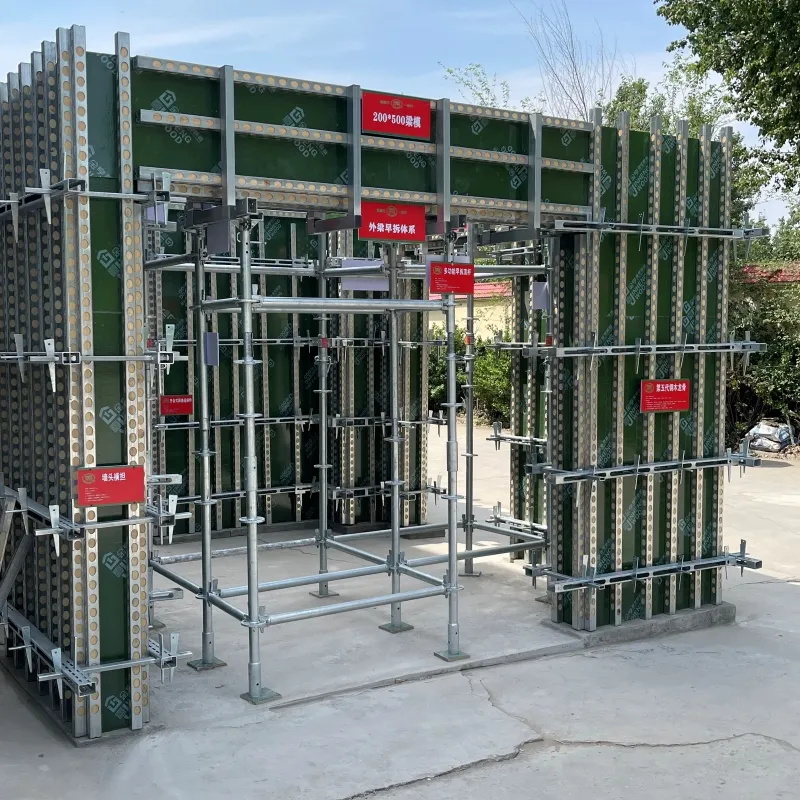
Put simply, a self climbing platform system is a scaffold-like structure attached to a building that can 'climb' upward on its own as construction progresses. It’s equipped with hydraulic or electro-mechanical jacks gripping guide rails affixed to the building, enabling the platform to ascend without external cranes or manual labor.
This method is especially useful for skyscrapers, dams, bridges, and large-scale industrial projects where safe working surfaces must move vertically in sync with build progress.
Beyond construction, these systems are handy for maintenance and repair of tall structures and even in humanitarian contexts such as rapid post-disaster rebuilding where quick, elevated access is crucial.
Key Components of Self Climbing Platform Systems
1. Durability & Material Strength
The platforms are made of steel or aluminum alloys, designed to withstand weather extremes, heavy loadings, and repeated climbing cycles without structural fatigue.
2. Scalability & Modularity
Components are modular, allowing configuration to various heights and platform sizes, adapting easily to different building shapes and projects.
3. Safety Features
Guardrails, automatic locks, and emergency brakes prevent falls or uncontrolled descents, reducing worker risks substantially.
4. Cost Efficiency
Though initial investment is notable, eliminating crane redeployment and reducing manual scaffold assembly leads to substantial time and labor cost savings.
5. Automation & Controls
Modern systems include control panels for smooth hydraulic operation, with sensors for monitoring platform position and load.
| Specification | Details |
|---|---|
| Max Platform Height | Up to 250 meters |
| Load Capacity | Up to 3,000 kg per platform |
| Climbing Mechanism | Hydraulic jacks with guide rails |
| Platform Dimensions | Customizable; typically 4-12m length, 2-4m width |
| Safety Systems | Guardrails, anti-fall locks, load sensors |
| Power Supply | Electric or hydraulic power packs |
Global Applications of Self Climbing Platform Systems
Around the world, many industries rely on self climbing platforms:
- Construction: Super-tall skyscrapers in Asia and the Middle East use these platforms to enable construction workers to work efficiently at extreme heights.
- Energy Sector: Wind turbines get maintenance via self climbing platforms, especially offshore where cranes are limited.
- Disaster Relief: In post-earthquake zones, NGOs deploy self climbing platforms to rebuild damaged vertical infrastructure rapidly.
- Industrial Maintenance: Chemical plants with towering structures benefit from these to conduct repairs safely without shutting down operations.
For example, after the 2010 Chile earthquake, rapid restoration of vertical infrastructure used climbing platforms to expedite the workflow, which was crucial for community resilience.
Self climbing platform system solutions thus serve diverse needs — in harsh weather, remote locations, and even beyond traditional construction roles.
Vendor Comparison: Leading Self Climbing Platform Systems Available
| Vendor | Max Height | Load Capacity | Unique Feature | Average Cost (USD) |
|---|---|---|---|---|
| ClimbSafe Systems | 200m | 2800 kg | Advanced sensor safety tech | $250,000 |
| BuildLift Corp | 250m | 3000 kg | Modular platform design | $280,000 |
| Elevate Solutions | 180m | 2600 kg | Hydraulic efficiency system | $230,000 |
Advantages & Long-Term Value
The reasons to opt for a self climbing platform system go way beyond cost savings. Safety is a massive factor — reducing accidents from scaffold collapses or improper crane loads saves lives and legal headaches.
On the emotional side, it feels reassuring for workers to have a stable, reliable working floor that moves with them up the skyscraper, reducing the fear factor. Socially, this means less downtime, faster building delivery, and potentially lower final costs passed to customers or tenants.
Environmentally, some innovations incorporate recyclable materials and lower energy demands compared to traditional scaffolding logistics.
Future Trends & Innovations in Self Climbing Platforms
Oddly enough, these systems are evolving faster than many realize. Look out for integration of IoT sensors that provide real-time structural health and position data, boosting safety yet further.
Materials innovation aims to reduce platform weight without sacrificing strength — think carbon fiber composites or recycled metal alloys.
Moreover, as the drive for sustainability grows, self climbing platforms powered by green energy (solar-assisted hydraulics?) might become the norm.
Challenges & Solutions
Not everything is perfect though — some current limitations include high upfront costs, complexity requiring skilled operators, and occasional technical hiccups in harsh weather.
Experts recommend early project planning to factor in platform installation and training. Also, modular designs can be adapted for specific environmental challenges.
Frequently Asked Questions About Self Climbing Platform System
- Q1: How does a self climbing platform system improve worker safety compared to traditional scaffolding?
- These systems reduce manual repositioning, minimizing the time workers spend at height during scaffold assembly/disassembly. Automated climbing and built-in safety features (like guardrails and emergency brakes) provide a stable environment, significantly lowering fall risks and accidents.
- Q2: Can self climbing platforms be customized for irregular building shapes?
- Yes! Most self climbing platforms feature modular components adaptable to different sizes and contours, allowing them to "wrap" around complex geometries or fit narrow spaces on site. This flexibility is crucial for modern architectural designs.
- Q3: What maintenance is required for these systems?
- Routine inspections of hydraulic jacks, jacking guides, control panels, and safety locks are essential. Most vendors provide maintenance schedules and offer training to site teams to ensure systems perform reliably during construction.
- Q4: Are self climbing platform systems eco-friendly?
- While they require energy for operation, reducing crane usage lowers fuel consumption overall. Newer models increasingly use recyclable materials and energy-efficient hydraulics, enhancing sustainability credentials.
- Q5: How do NGOs import these solutions for disaster relief projects?
- Organizations usually work with specialized vendors offering turnkey solutions, including shipping, installation, and local training. Early planning with customs agents and local authorities expedites import while ensuring regulatory compliance.
Conclusion: Investing in Safer, Smarter Vertical Access
In real terms, self climbing platform systems represent a vital evolution in construction and maintenance — combining safety, efficiency, and adaptability to meet growing global demands. Whether building tomorrow’s metro towers or responding swiftly after disasters, these platforms help keep workers safe and projects on track.
Curious to see how it all works? Explore our detailed resources and product offerings at https://www.formworkreinforced.com. The future of vertical access awaits.
Personal reflection: From what I’ve seen on various sites, the move away from old scaffold setups towards smart climbing platforms feels inevitable—it’s safer, smarter, and frankly just the better way to scale the sky.
-
Comprehensive Guide to Scaffolding Rods for Safe Construction PracticesNewsFeb.24,2026
-
Comprehensive Guide to Different Types of Scaffolding for Construction ProjectsNewsFeb.11,2026
-
The Crucial Role and Safe Use of Scaffolding in Modern Construction ProjectsNewsJan.30,2026
-
Maximize Productivity and Safety with a Versatile 7m Scaffold TowerNewsJan.27,2026
-
6m Scaffold Tower: A Comprehensive Guide for B2B BuyersNewsJan.26,2026
-
6ft Scaffold: Durability and Safety in ConstructionNewsJan.25,2026
-
6 Scaffolding: A Modern Construction SolutionNewsJan.24,2026