
Understanding the Cost of Aluminium Formwork: Global Benefits & Applications
Understanding the Cost of Aluminium Formwork: A Global Perspective
Aluminium formwork has quietly reshaped modern construction, standing out as a sustainable, cost-effective solution that addresses both industrial demands and humanitarian challenges worldwide. But what exactly is the cost of aluminium formwork, and why does it matter globally?
Grasping this concept sheds light on construction economics, environmental impact, and the engineering choices behind buildings we often take for granted—from everyday homes to emergency shelters. Understanding the cost nuances helps stakeholders make smarter investments with long-term value.
Introduction: Why the Cost of Aluminium Formwork Matters Globally
It’s odd, but aluminium formwork isn’t just about construction; it’s about efficiency in a world that needs sustainable growth. According to a World Bank report, global urbanization is expected to add 2.5 billion people to cities by 2050. That implies a massive surge in housing demand. Here, the cost of aluminium formwork is a decisive factor, enabling faster and more durable construction.
On a humanitarian scale, agencies like the United Nations High Commissioner for Refugees often seek inexpensive, robust shelter options for displaced communities. Aluminium formwork offers a practical answer to these needs. Yet, understanding its cost — not just price tags but life-cycle investment — remains a common challenge.
What is the Cost of Aluminium Formwork?
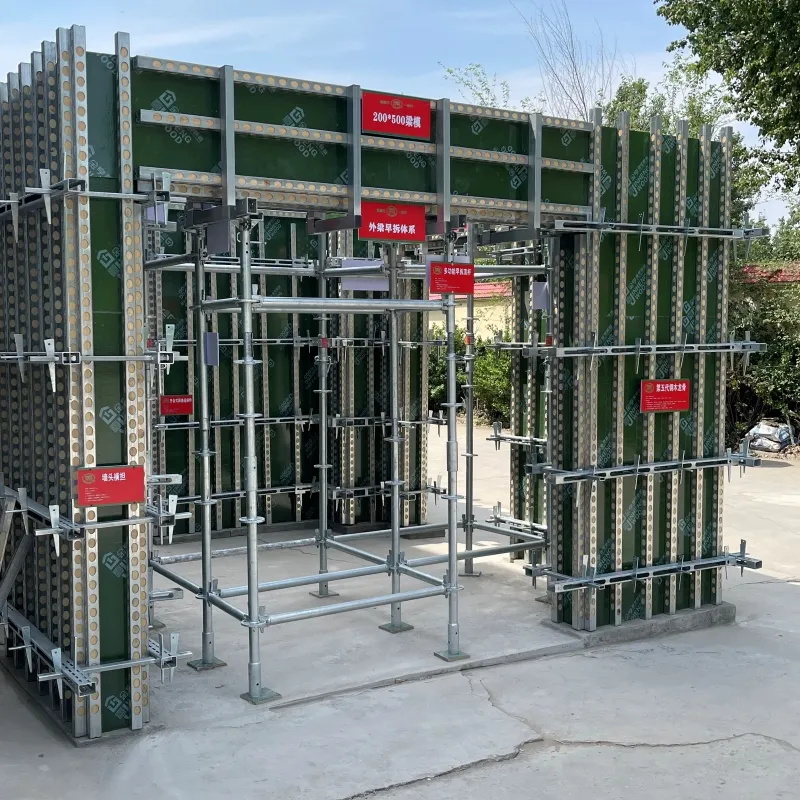
Simply put, the cost of aluminium formwork reflects the total expenses associated with designing, producing, transporting, and deploying aluminium mould systems used to shape concrete structures. It’s not just materials: labor savings, reusability, and maintenance factor heavily.
These systems are modular and lightweight, enabling rapid construction without compromising strength. But the initial investment can seem steep compared to traditional timber or steel formwork—making it key to understand the bigger picture of value rather than just sticker price.
Key Components Affecting the Cost of Aluminium Formwork
1. Durability and Lifespan
Aluminium formwork systems are built to last decades, resisting corrosion better than steel and avoiding warping like timber. This longevity means fewer replacements—spreading the cost over many projects and years.
2. Scalability and Modularity
One major cost saver is the modular design, which adapts to different building sizes without requiring new molds for each project. This flexibility reduces tooling costs and speeds up site deployment.
3. Labor Efficiency and Time Savings
Labour often accounts for a huge chunk of construction costs. Aluminium formwork’s precision-fitted components shorten assembly time, reducing man-hours significantly—an essential factor in both developed and rapidly urbanizing regions.
4. Transportation and Handling
Being lightweight compared to steel, aluminium formwork lowers shipping costs and simplifies on-site movement. This advantage is especially relevant in remote or disaster-stricken areas with limited infrastructure.
5. Maintenance and Repair
Minimal maintenance keeps long-term costs manageable. Routine inspections usually suffice, and repairs are straightforward—helping preserve the formwork’s value.
Typical Aluminium Formwork Product Specification
| Specification | Typical Values |
|---|---|
| Material | 6061-T6 Aluminium Alloy |
| Panel Thickness | 2.5 - 5.0 mm |
| Weight per Panel | 15 - 35 kg |
| Life Cycle | 500+ uses |
| Typical Cost per sq.m. | $25 - $45 (USD) |
Global Applications and Use Cases
The versatility of aluminium formwork shines around the world. In Southeast Asia, for instance, it’s revolutionized urban housing by helping developers meet aggressive timelines while keeping budgets in check. In remote industrial zones, aluminium’s light weight means quicker assembly without heavy equipment.
Humanitarian organizations deploy aluminium formwork in post-disaster relief, creating safe, durable shelters that can be built swiftly with minimal skilled labor—crucial when time is short and infrastructure damaged.
Comparison of Leading Aluminium Formwork Vendors
| Vendor | Cost per sq.m. (USD) | Max Reuse Cycles | Features |
|---|---|---|---|
| FormTech Solutions | $27 | 600 | Lightweight, modular, quick assembly |
| AluBuild Systems | $40 | 550 | High corrosion resistance, custom sizes |
| RapidForm Kits | $35 | 500 | Integrated hinges, fast lock system |
Advantages & Long-Term Value
Aluminium formwork offers tangible advantages that extend well beyond initial cost savings. Frankly, it transforms the construction process: reducing waste, lowering carbon footprints, and elevating job site safety. For communities recovering from crises, it reflects dignity through structural reliability.
Economically, the system guarantees fewer material replacements and faster project turnover, creating trust between contractors, investors, and end-users. The innovation brought by these systems feels like a quiet revolution—one that benefits us in real, measurable terms.
Future Trends & Innovations in Aluminium Formwork
Oddly enough, the future of aluminium formwork looks greener and smarter. Advances in digital modeling and automation are streamlining production and reducing errors. Meanwhile, emerging recyclable aluminium alloys align perfectly with climate protocols, promising more sustainable infrastructure.
Additionally, integration with IoT devices may soon allow real-time structural health monitoring of formwork panels — a leap forward in preventative maintenance and project oversight.
Challenges & Innovative Solutions
Of course, costs can still pose barriers, especially for small builders or NGOs with tight budgets. Sourcing quality aluminium and managing logistics in remote zones aren’t trivial, either. But new collaborative models—like shared rental pools and localized manufacturing hubs—are easing those pains.
Training also remains critical. Without skilled teams, efficient assembly and reuse become problematic. Some forward-thinking firms have developed immersive training modules, even virtual reality environments, to upskill workers quickly and safely.
Frequently Asked Questions About Cost of Aluminium Formwork
-
Q: How does aluminium formwork compare cost-wise to traditional timber?
A: While aluminium formwork usually carries a higher initial price tag, its reusability and reduced labor costs typically lead to a lower total expense over multiple projects. Timber, by contrast, often requires replacement and more maintenance, increasing lifecycle costs. -
Q: Is aluminium formwork suitable for small-scale projects or mainly large developments?
A: It suits both, but the benefit increases with scale and repetition. Small projects may find it less economical unless part of a plan to reuse panels over time or across sites. -
Q: Can aluminium formwork systems be imported internationally by NGOs?
A: Yes, many vendors provide global shipping, though NGOs should consider customs, transportation costs, and localized assembly expertise. Partnering with experienced suppliers can streamline this. -
Q: What maintenance is typically needed for aluminium formwork?
A: Regular cleaning to remove concrete residues, timely replacement of seals or gaskets, and occasional inspection for dents or warping help maintain panel integrity and prolong lifespan.
Conclusion
Understanding the cost of aluminium formwork is key to unlocking an efficient, sustainable future in construction. Beyond mere price, it’s about investment in speed, safety, and environmental responsibility—qualities that resonate globally as urbanization and humanitarian needs grow.
If you want to dive deeper or get tailored cost insights, consider visiting our site: https://www.formworkreinforced.com.
-
Comprehensive Guide to Scaffolding Rods for Safe Construction PracticesNewsFeb.24,2026
-
Comprehensive Guide to Different Types of Scaffolding for Construction ProjectsNewsFeb.11,2026
-
The Crucial Role and Safe Use of Scaffolding in Modern Construction ProjectsNewsJan.30,2026
-
Maximize Productivity and Safety with a Versatile 7m Scaffold TowerNewsJan.27,2026
-
6m Scaffold Tower: A Comprehensive Guide for B2B BuyersNewsJan.26,2026
-
6ft Scaffold: Durability and Safety in ConstructionNewsJan.25,2026
-
6 Scaffolding: A Modern Construction SolutionNewsJan.24,2026