
Aluminum Formwork Companies – Innovating Construction Worldwide with Sustainable Solutions
Aluminum Formwork Companies: Shaping the Future of Construction
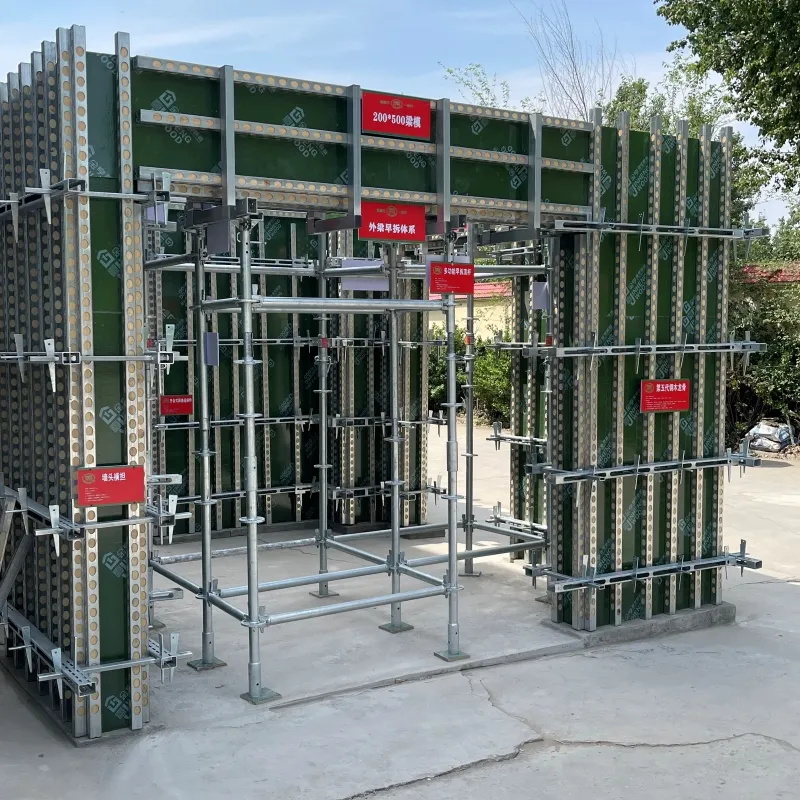
Aluminum formwork companies have quietly been revolutionizing the construction industry worldwide. These firms specialize in producing lightweight yet incredibly strong reusable molds made from aluminum alloy—used to shape concrete structures efficiently and sustainably. This method has become pivotal globally, especially in rapid urbanization and disaster relief housing, where speed, durability, and cost-effectiveness matter.
Understanding what these companies offer, and why they matter, provides insight into how modern construction balances engineering innovation with environmental responsibility. Let’s dig into what makes aluminum formwork such a game changer, examine its global applications, and see where the industry is headed.
Introduction: Why Aluminum Formwork Companies Matter Globally
Globally, urban populations are booming. According to the United Nations, 68% of the world's population is expected to live in urban areas by 2050, up from 56% in 2020 (1). This surge creates immense pressure on the construction sector to build smarter, faster, and greener. Traditional timber or steel formworks have served well but often fall short in efficiency and sustainability.
Aluminum formwork, with its modular and reusable design, addresses core challenges—cutting down on construction waste, shortening project timelines, and improving building quality. For aluminum formwork companies, this means forging solutions not only for commercial high-rises but also for humanitarian projects where quick deployment housing can restore dignity in crisis zones.
What Are Aluminum Formwork Companies?
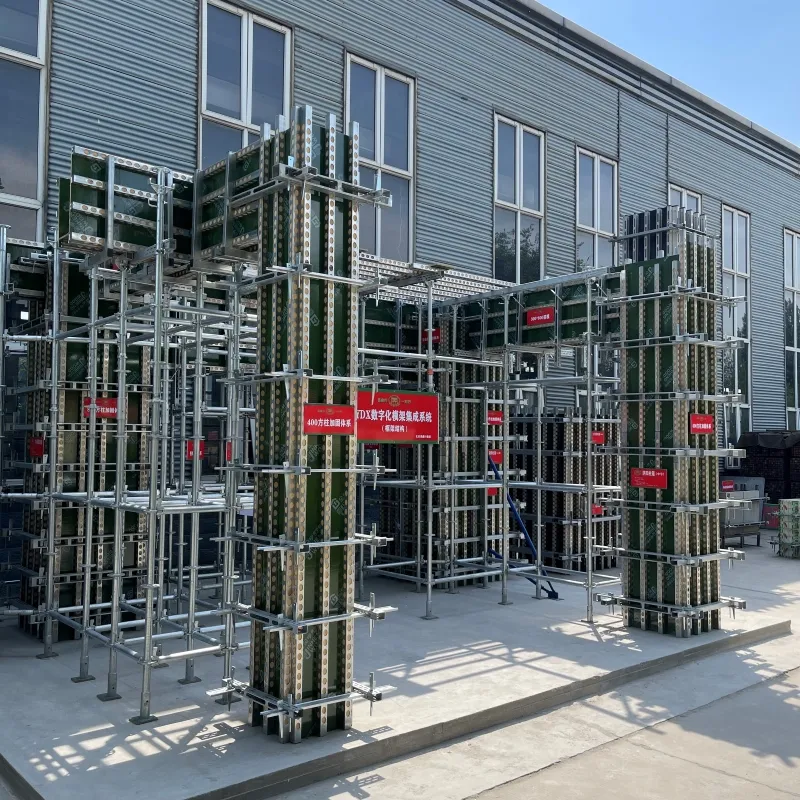
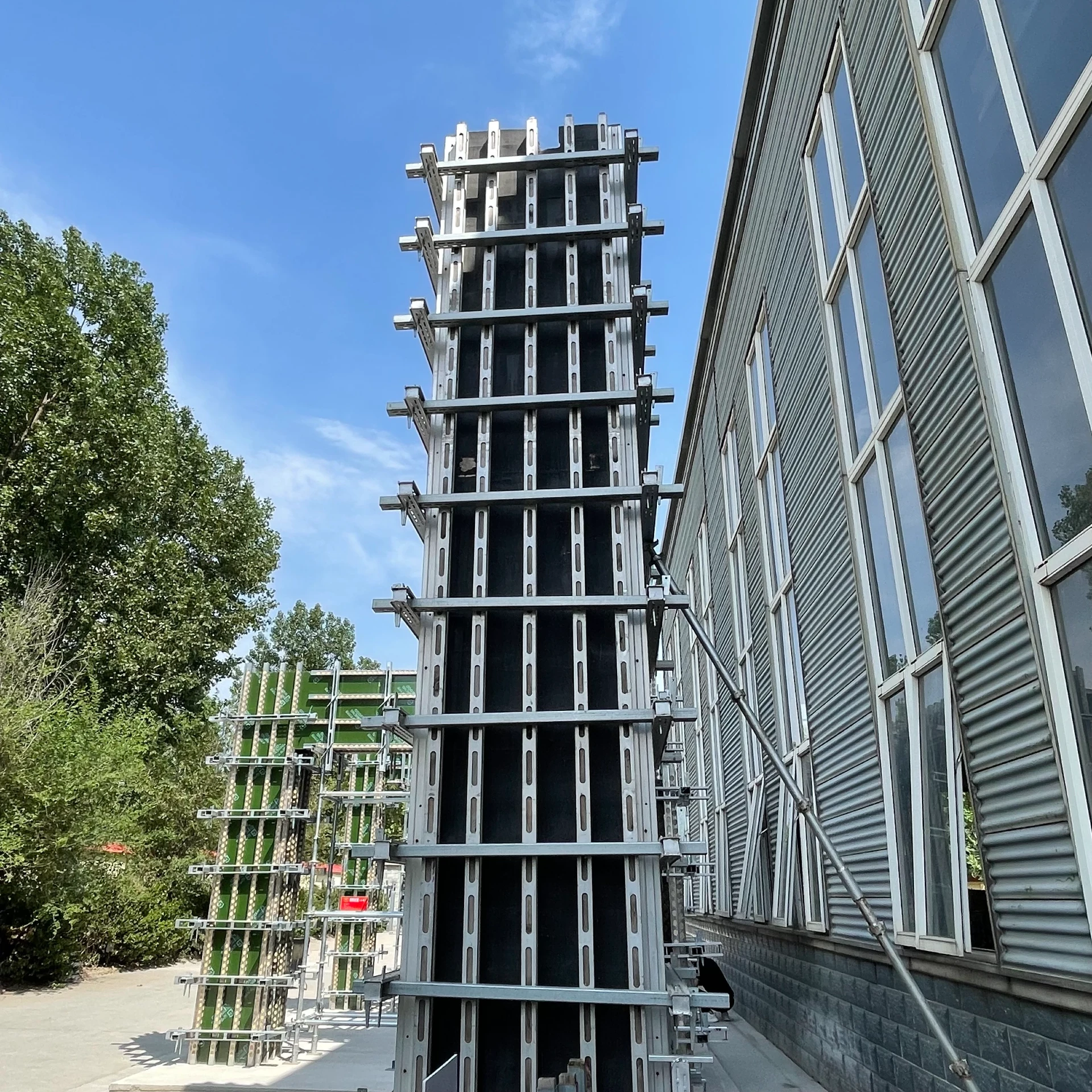
In simple terms, aluminum formwork companies manufacture and supply prefabricated mold systems made mostly from aluminum alloy. These molds shape wet concrete into walls, columns, slabs, or staircases during building construction. Unlike traditional methods that can be bulky, time-consuming, or labor-intensive, aluminum formworks are designed for quick assembly and dismantling, minimal deformation, and multiple reuse cycles.
These companies serve as crucial partners in modern construction ecosystems, integrating material science with industrial design and construction management.
Core Components That Define Aluminum Formwork Systems
Durability
Aluminum formworks resist corrosion and wear better than wood, maintaining surface precision even over many cycles. This ensures consistent concrete finishes, reduces leakages, and minimizes maintenance costs in the long run.
Scalability & Modularity
The modular nature of aluminum formworks means components can be combined or adjusted to suit various building designs, from residential high-rises to complex industrial facilities. This flexible scalability is a breath of fresh air compared to fixed traditional molds.
Cost Efficiency
Although initially pricier than timber formwork, aluminum systems pay off by cutting labor, reducing construction time, and enabling multiple reuses. Over large projects, the cost per use drops significantly, making it an economically sensible choice.
Sustainability
From reducing timber demand to minimizing construction waste, aluminum formwork companies contribute to eco-friendly building practices. Additionally, many companies use recycled aluminum, creating a circular material lifecycle that aligns with ISO 14001 environmental management standards (2).
Speed of Deployment
One of the standout features is how fast aluminum formworks can be assembled and dismantled. Projects that might have taken months can be completed in weeks, a crucial advantage in fast-growing cities or emergency housing situations.
Precision & Quality
The precision engineering of formwork ensures structural elements are uniform, reducing the likelihood of cracking and defects. This improves overall building safety and reduces post-construction repairs.
Understanding Aluminum Formwork Specifications
| Specification | Typical Value | Notes |
|---|---|---|
| Material | Aluminum Alloy 6061-T6 | High strength, corrosion-resistant |
| Weight per Panel | 20-30 kg | Lightweight compared to steel |
| Reusability | Up to 300 cycles | Varies by usage conditions |
| Panel Sizes | 1.2m x 2.4m (standard) | Custom sizes available |
| Assembly Time | 1-2 days for medium buildings | Depends on team experience |
Leading Aluminum Formwork Companies Compared
| Company | Global Reach | Specialization | Sustainability Focus | Average Project Size |
|---|---|---|---|---|
| BuildForm Tech | 40+ countries | High-rise residential | Uses 60% recycled aluminum | 100,000+ m² |
| AluForm Solutions | Asia-Pacific & Europe | Industrial and modular structures | ISO 14001 certified | 50,000+ m² |
| EcoForm Industrial | North America & Africa | Disaster relief & low-cost housing | Focus on sustainability & reusability | Various sizes |
Global Applications & Use Cases
Oddly enough, aluminum formwork is everywhere—from skyscraper developments in Dubai to post-disaster housing in Southeast Asia. In fast-growing cities, the formworks speed up construction, reduce labor dependency, and improve vertical building quality. Industries like commercial developments, hospitals, and sanitation infrastructure rely heavily on these companies.
In humanitarian contexts, NGOs and governments use aluminum formworks for emergency shelter construction. For example, the 2015 Nepal earthquake relief included rapid housing projects facilitated by modular aluminum formwork, which cut shelter building time significantly, restoring safety and dignity quickly.
In remote industrial zones, where transporting large timber or steel forms is logistically difficult, lightweight aluminum formwork panels prove a boon. Their modularity also allows custom designs adapted to local needs.
Advantages and Long-Term Value
- Cost Savings: Less labor, faster cycles, and reusability mean savings that stack up dramatically.
- Environmental Impact: Reduced deforestation and construction waste fit into green building protocols.
- Safety & Quality: Uniform concrete curing reduces defects and improves building longevity.
- Social Impact: Faster construction of housing means quicker community rebuilding and economic revitalization.
Frankly, it feels like adopting aluminum formworks is not just about cutting costs but about investing in trusted, innovative solutions that respect people and planet.
Future Trends & Innovations
The aluminum formwork sector is evolving in exciting ways. Digital construction methods—like Building Information Modeling (BIM)—integrate with formwork design to optimize material use and assembly precision. Automation and robotics are beginning to assist with panels installation, reducing human error. Plus, manufacturers are exploring ultra-lightweight composite alloys and even integrating solar reflective coatings to improve thermal performance during concrete curing.
Sustainably, many companies are pushing for a cradle-to-cradle lifecycle, ensuring all components can be recycled or reused indefinitely. Green policies globally also encourage adoption: ISO 9001 quality management and ISO 14001 environmental management certifications are becoming industry standards for reputable aluminum formwork companies.
Challenges & Expert Solutions
Current challenges include the high upfront cost, the need for skilled labor to assemble complex modular systems, and supply chain fluctuations. Quality control inconsistencies remain a concern for smaller providers. Experts advocate workforce training, better certification, and local material sourcing to overcome these issues.
Frequently Asked Questions About Aluminum Formwork Companies
- What makes aluminum formwork better than traditional timber formwork?
- Aluminum formwork is reusable, lightweight, and more durable than timber, resulting in faster assembly, better concrete finishes, and reduced waste. Over multiple cycles, it offers superior cost efficiency and sustainability (3).
- How long can aluminum formwork panels last?
- Typical aluminum formwork panels can be reused up to 300 times, depending on maintenance and usage conditions. Timber alternatives last far fewer cycles.
- Are aluminum formworks environmentally friendly?
- Yes. Using recycled aluminum reduces the environmental footprint. Also, these systems minimize timber use and construction waste.
- Can NGOs import aluminum formwork systems internationally?
- Most major companies provide international sales and support for logistics, customs, and training to NGOs worldwide.
- Is aluminum formwork suitable for modular and prefabricated buildings?
- Definitely. Its modular design complements prefab construction, enabling quick, high-quality assembly on site.
Conclusion: Building Smarter with Aluminum Formwork Companies
Aluminum formwork companies play an understated but central role in modern construction’s future—driving innovations that blend speed, precision, cost savings, and sustainability. More than just tools, these formwork systems embody a vision toward safer, faster, and greener building practices, critical as global urbanization accelerates and disaster response needs mount.
If you want to dive deeper and explore partnerships with leading aluminum formwork companies, check out our comprehensive resources and connect with experts ready to transform your next project.
Here’s to building smarter, sustainably, and with a little aluminum magic.
Mini-Takeaway: Aluminum formworks are shaping the skyline of tomorrow’s cities today – durable, eco-friendly, and fast to deploy.
References
-
Comprehensive Guide to Scaffolding Rods for Safe Construction PracticesNewsFeb.24,2026
-
Comprehensive Guide to Different Types of Scaffolding for Construction ProjectsNewsFeb.11,2026
-
The Crucial Role and Safe Use of Scaffolding in Modern Construction ProjectsNewsJan.30,2026
-
Maximize Productivity and Safety with a Versatile 7m Scaffold TowerNewsJan.27,2026
-
6m Scaffold Tower: A Comprehensive Guide for B2B BuyersNewsJan.26,2026
-
6ft Scaffold: Durability and Safety in ConstructionNewsJan.25,2026
-
6 Scaffolding: A Modern Construction SolutionNewsJan.24,2026