
Understanding Plastic Formwork: Benefits, Applications & Industry Insights
Understanding Plastic Formwork: What It Is and Why It’s Fueling the Future of Construction
Plastic formwork has increasingly become a staple in modern construction, yet many still wonder what exactly it is and why it matters globally. At its core, plastic formwork is a modular system used to shape and support concrete until it hardens. Beyond the technicalities, plastic formwork reflects a shift in how industries approach efficiency, sustainability, and cost-effectiveness amid rapidly evolving construction demands worldwide. Understanding this technology offers a glimpse into a more resilient and eco-conscious building landscape.
Introduction: The Global Context of Plastic Formwork
From bustling megacities constructing skyscrapers to remote regions rebuilding after disasters, plastic formwork's role is gaining traction worldwide. According to the UN, global urbanization is expected to push the world's urban population to 68% by 2050, intensifying the need for efficient building methods. Meanwhile, the World Bank highlights infrastructure as a key driver of economic development in low- and middle-income countries, where fast, affordable construction solutions are essential.
Plastic formwork addresses these challenges head-on by offering a reusable, lightweight alternative to traditional materials, helping builders reduce waste, speed up construction cycles, and cut costs — all while meeting the growing demand for sustainable solutions.
What is Plastic Formwork?
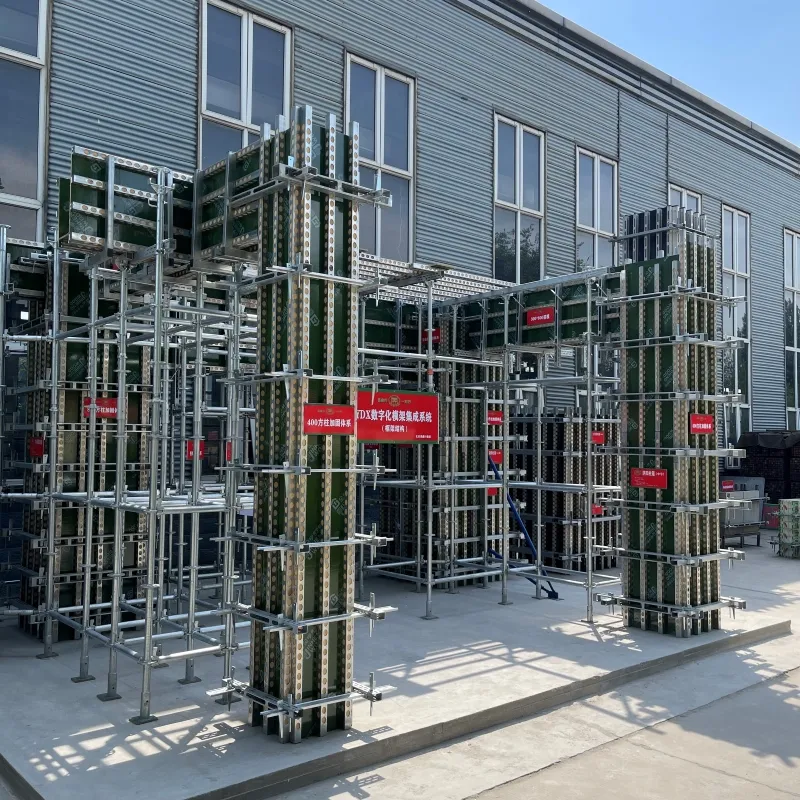
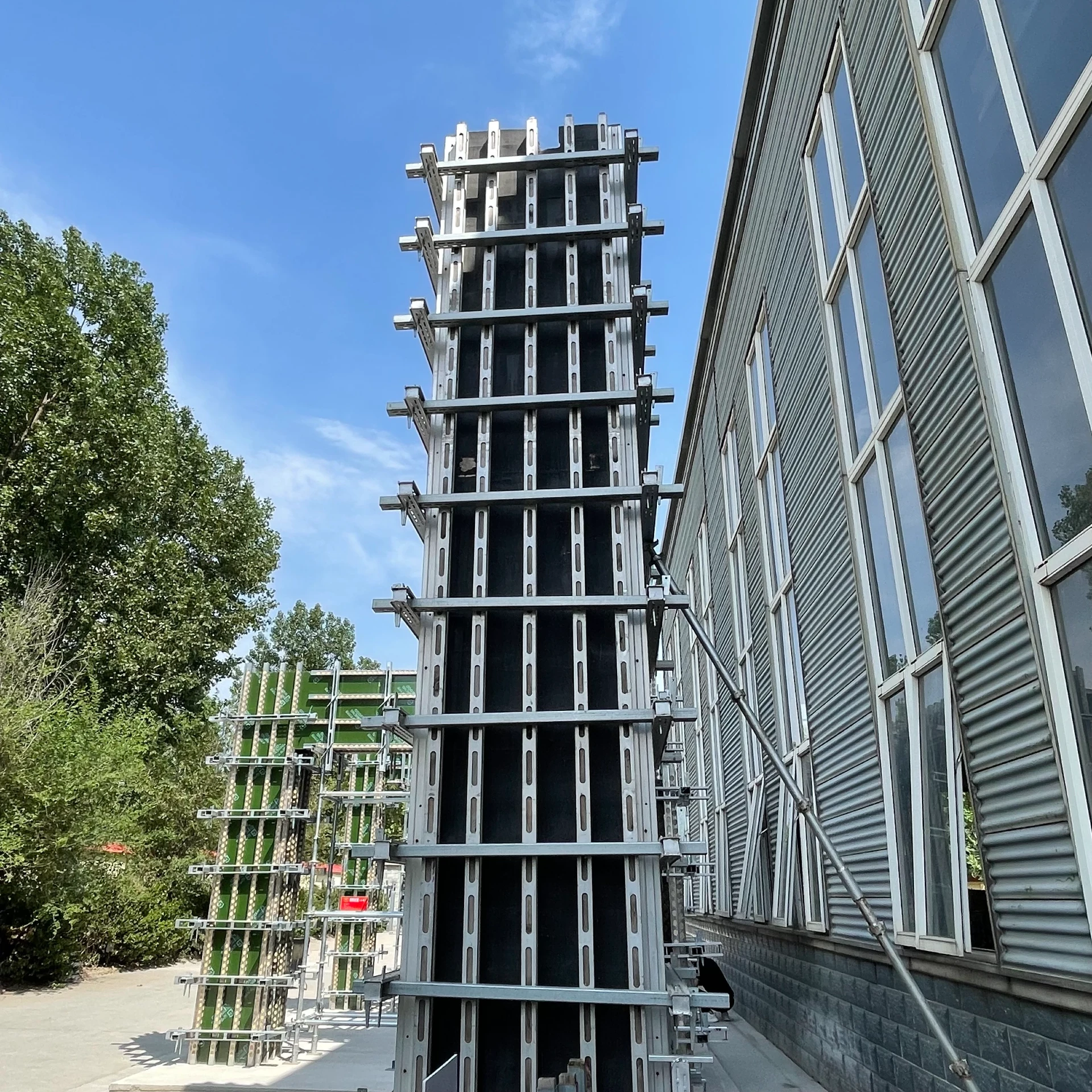
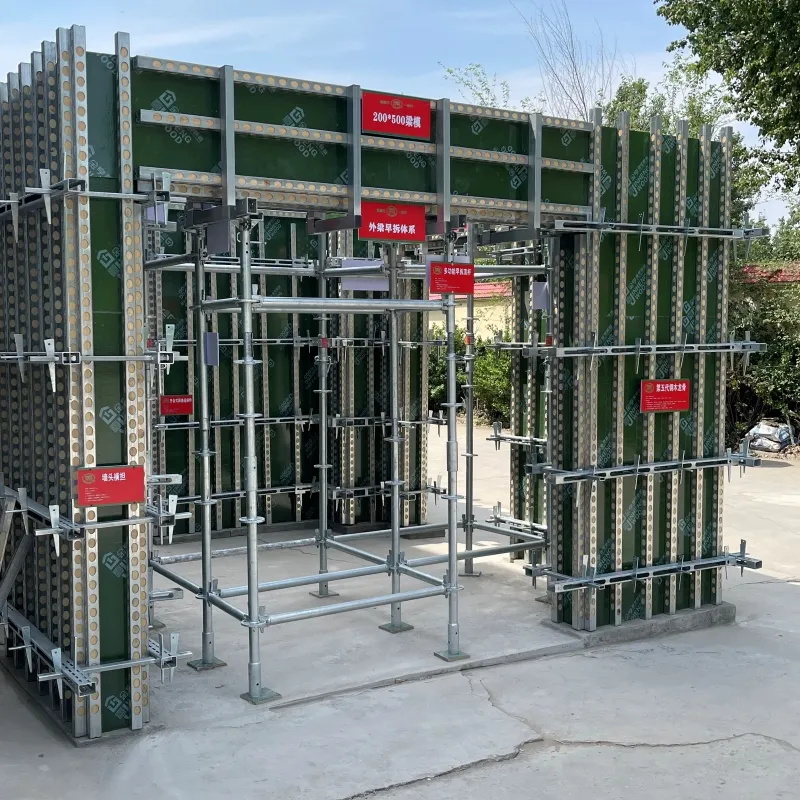
At its simplest, plastic formwork is a system of panels made from durable polymer materials designed to mold fresh concrete. Think of it as the temporary skeleton that holds shape as concrete sets, but unlike traditional timber or steel forms, these panels are lightweight, non-absorbent, and often recyclable. This system integrates seamlessly into modular construction approaches, which are rapidly becoming favored in sectors ranging from residential housing to humanitarian aid, thanks to their quick deployment and adaptability.
Key Components of Plastic Formwork
1. Durability
Unlike wood, which can warp or absorb water, plastic formwork resists moisture, chemicals, and impact. This means you can reuse these panels dozens of times without compromising structural integrity, a practical and eco-friendly bonus.
2. Scalability
Plastic formwork systems are designed for modularity — easy to assemble or dismantle, which suits projects of varying sizes and complexities. Whether on a small rural build or a large urban development, these systems scale gracefully.
3. Cost Efficiency
Despite a higher upfront cost compared to cheap timber, plastic formwork reduces labor hours, waste disposal costs, and maintenance, leading to significant savings long-term, especially on larger projects.
4. Environmental Sustainability
Many systems use recyclable or recycled plastics, and their reusability cuts down on unwanted construction waste. It’s odd but encouraging to see plastics, often criticized in environmental debates, playing a restorative role here.
5. Ease of Handling
The lightweight nature means fewer workers and less heavy equipment — making on-site logistics simpler and safer.
Product Specifications of Typical Plastic Formwork Panels
| Specification | Value |
|---|---|
| Panel Size | 1.2m x 0.6m |
| Material | High-Density Polypropylene (HDPE) |
| Weight per Panel | 10 kg |
| Reusability | Up to 100 uses |
| Max Concrete Pressure | 60 kN/m² |
Plastic Formwork Around the World: Applications and Use Cases
In real terms, plastic formwork is found from Asia to Africa and Europe, supporting everything from affordable housing initiatives to rapid rebuilding after natural disasters. For instance:
- In Southeast Asia, plastic formwork enables quick construction of schools and clinics in rural areas.
- NGOs use it in post-disaster relief — Haiti’s 2010 earthquake aftermath saw plastic formwork employed for durable, fast rebuilding.
- Urban development projects in Europe and North America increasingly use plastic systems because of their environmental benefits and labor savings.
- Remote industrial zones, like mining sites in Australia, find the lightweight panels easier to transport than steel or timber counterparts.
Oddly enough, these systems often cross-usability thresholds — a panel designed for a house in one country can often be repurposed elsewhere, creating a global ecosystem for construction materials that’s both versatile and durable.
Vendor Comparison: Popular Plastic Formwork Systems
| Vendor | Panel Material | Max Reusability | Weight per Panel | Price Range (per panel) |
|---|---|---|---|---|
| FormTech | Recycled HDPE | 100 uses | 9.5 kg | $25–30 |
| EcoBuild | Virgin Polypropylene | 75 uses | 11 kg | $28–35 |
| BuildSmart | HDPE + Fiber Reinforced | 120 uses | 12 kg | $32–38 |
Advantages and Long-Term Value of Plastic Formwork
Frankly, one of the most compelling draws is the blend of economic and environmental benefits. These systems reduce timber use drastically, helping conserve forests, while also minimizing on-site waste. Cost-wise, the flexibility and speed of assembly translate into less downtime and quicker project turnover — something every contractor appreciates.
On a social side, faster and more reliable construction means communities gain safe shelters sooner, fostering dignity and stability during uncertain times. Many engineers I’ve talked to mention how it feels reassuring knowing panels won’t fail due to weather or wear mid-build, adding a layer of trust to projects.
Looking Ahead: Future Trends & Innovations in Plastic Formwork
The future looks bright—actually, almost futuristic. Innovations like 3D printing formwork panels on-site could customize shapes perfectly, minimizing excess materials. Also, integration with digital tracking systems will allow asset management across global supply chains, improving logistics.
Sustainability remains central with growing use of bio-based plastics and closed-loop recycling practices. Automation in assembly, possibly through robotics, might become a fixture, especially in hazardous or remote construction conditions. The synergy between plastic formwork and green building technologies could define this next era.
Challenges & Expert Solutions
Plastic formwork isn’t without hurdles. Initial cost barriers can deter smaller builders, and some systems may lack the structural strength needed for extremely high-rise projects. However, innovations in fiber reinforcement and hybrid systems combining plastic with steel or timber are bridging these gaps.
Moreover, training workers to properly handle plastic panels is crucial for safety and longevity; many vendors provide comprehensive tutorials and on-site guidance to overcome initial learning curves. It’s a transition, but one well worth the effort.
FAQ: Practical Questions About Plastic Formwork
- How does plastic formwork compare cost-wise to traditional timber?
While plastic formwork panels often have higher upfront costs, they outperform timber in terms of lifecycle cost savings due to reusability, reduced labor, and less waste disposal. - Is plastic formwork suitable for seismic zones?
Yes, when combined with proper reinforcement and engineering, plastic formwork can be adapted to meet seismic codes, providing resilient structures. - Can plastic formwork panels be recycled at end-of-life?
Most high-quality panels are recyclable, either through vendor take-back programs or municipal recycling, helping reduce environmental impact. - How easy is it to transport plastic formwork to remote sites?
Their lightweight and stackable design simplifies transportation, often reducing shipping costs compared to steel or timber. - Do NGOs face import restrictions when shipping plastic formwork internationally?
Some countries regulate construction materials, but NGOs typically navigate these by working with certified vendors experienced in customs procedures.
Conclusion & Call to Action
Plastic formwork represents a meaningful step forward toward smarter, greener, and faster construction worldwide. Its benefits ripple not only through cost savings and durability but also through social impact—helping build safer, more dignified spaces for people around the globe. If you’re interested in learning more about cutting-edge plastic formwork systems and how they can innovate your next project, visit our website at https://www.formworkreinforced.com and explore the future of construction today.
It feels like plastic formwork isn’t just shaping concrete — it’s shaping the future of building.
References
-
Comprehensive Guide to Scaffolding Rods for Safe Construction PracticesNewsFeb.24,2026
-
Comprehensive Guide to Different Types of Scaffolding for Construction ProjectsNewsFeb.11,2026
-
The Crucial Role and Safe Use of Scaffolding in Modern Construction ProjectsNewsJan.30,2026
-
Maximize Productivity and Safety with a Versatile 7m Scaffold TowerNewsJan.27,2026
-
6m Scaffold Tower: A Comprehensive Guide for B2B BuyersNewsJan.26,2026
-
6ft Scaffold: Durability and Safety in ConstructionNewsJan.25,2026
-
6 Scaffolding: A Modern Construction SolutionNewsJan.24,2026