
What is Insulated Concrete Formwork? Benefits, Applications & Future Trends Explained
What is Insulated Concrete Formwork and Why Does It Matter Globally?
Insulated concrete formwork (ICF) is a construction technology that's quietly revolutionizing how buildings are made around the world. Simply put, it's a system that combines insulation and concrete into a single, strong structural component. But why should we care about this? Well, with the globe facing increasing energy demands and climate challenges, better building solutions aren’t just desirable—they're critical. Understanding and adopting ICF can lead to stronger, more energy-efficient structures that stand the test of time and nature, making a tangible impact globally.
Introduction: The Global Relevance of Insulated Concrete Formwork
Construction is responsible for a staggering 39% of all global carbon emissions, according to the United Nations Environment Programme (UNEP). So, it’s no surprise that innovations like insulated concrete formwork are gaining global traction as a way to build greener. The World Bank notes that thermal efficiency in buildings significantly reduces overall energy consumption, which matters for both developed and developing countries alike. Yet, traditional methods often fall short—offering poor insulation and vulnerability to extreme weather. This is where insulated concrete formwork steps in, helping builders address energy waste while simultaneously increasing structural integrity.
Summary Takeaway:
- Globally, energy-efficient construction is an urgent need.
- Insulated concrete formwork offers a practical way to reduce carbon emissions.
- It combines insulation and concrete to cut energy waste and improve durability.
Defining Insulated Concrete Formwork (ICF)
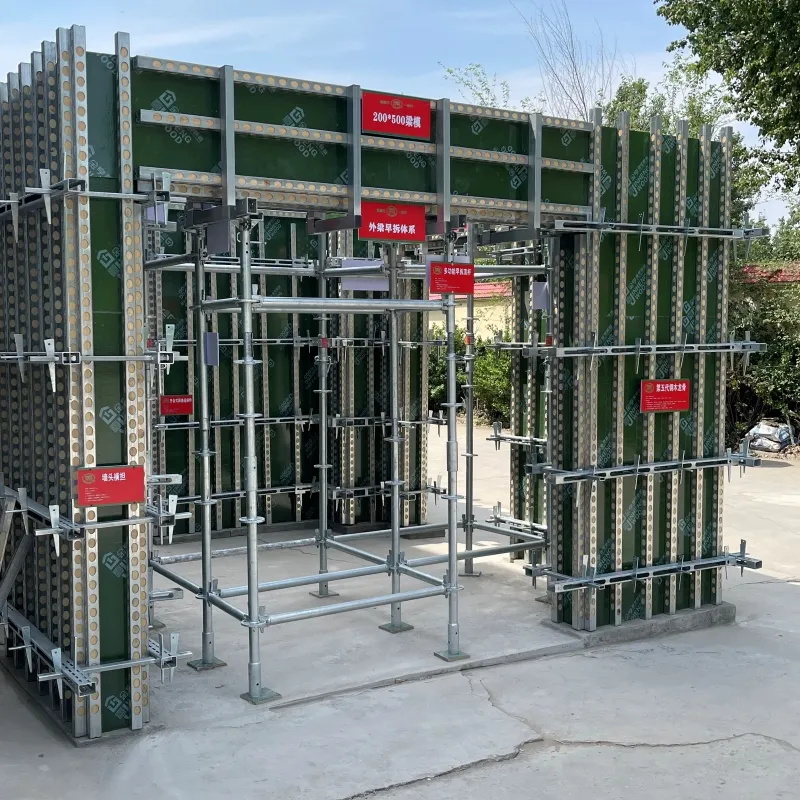
If you’re new to the term, insulated concrete formwork is basically hollow blocks or panels made of insulation material, usually expanded polystyrene, that are stacked to form the shape of walls. Concrete is then poured into these forms, creating a unified structure that’s insulated on both sides. This system merges structural strength with excellent thermal insulation. It’s getting increasingly popular both in commercial and residential construction, and even in rapid-deployment housing projects by humanitarian organizations, where durability and speed matter greatly.
Summary Takeaway:
- ICF is a modular building system combining insulation and concrete.
- It simplifies construction and improves building performance.
- Also valuable in humanitarian and industrial applications.
Key Components of Insulated Concrete Formwork
1. Durability
The concrete core provides exceptional resistance against fire, pests, and natural disasters. In fact, many engineers note that ICF walls often outperform wood or steel in long-term stability, which makes it ideal for areas prone to hurricanes or seismic activity.
2. Thermal Insulation
ICF systems typically use expanded polystyrene (EPS) or other insulative foams that dramatically improve the R-values—meaning buildings stay cooler in summer and warmer in winter without excessive energy use.
3. Soundproofing
The combined mass of concrete and insulation also blocks noise transfer, which appeals to urban developers aiming for peaceful living spaces in noisy cities.
4. Speed of Construction
ICF blocks stack quickly and require fewer finishing steps than traditional methods, which can reduce project timelines—critical in disaster relief or fast-growing urban areas.
5. Cost Efficiency
While initial material costs can be somewhat higher, the reduced labor time plus energy savings often pays off within a few years, especially when factoring in maintenance.
6. Environmental Impact
Many ICF products are increasingly made with recycled materials, aligning with sustainability goals and reducing construction waste.
Summary Takeaway:
- Durability and insulation are key benefits of ICF.
- Speed and soundproofing add practical advantages.
- Cost and sustainability are steadily improving.
Product Specifications of a Typical ICF System
| Feature | Value |
|---|---|
| Insulation Material | Expanded Polystyrene (EPS) Foam |
| Wall Thickness | 150-300 mm (6-12 inches) |
| Thermal Resistance (R-value) | Approx. R-20 to R-30 per wall |
| Fire Resistance | Up to 4 hours UL tested |
| Sound Transmission Class (STC) | 50-60 (Excellent Soundproofing) |
| Typical Load Bearing Capacity | Up to 25 kN/m² |
Global Applications & Use Cases for Insulated Concrete Formwork
ICF systems are not limited to fancy developments—they’re making waves everywhere. In North America and Europe, residential and commercial buildings increasingly adopt ICF to boost sustainability and energy efficiency. Meanwhile, humanitarian agencies across Asia-Pacific and Africa rely on insulated concrete formwork in post-disaster reconstruction because of its durability and fast assembly. For example, after the 2015 Nepal earthquake, several NGOs experimented with ICF shelters that could better withstand aftershocks and provide thermal comfort in cold mountain climates.
On the industrial front, oil and mining operations in remote, cold regions use ICF for workers’ housing—reducing heating costs and improving living conditions in an otherwise harsh environment. These real-world examples reflect the versatility and global reach of insulated concrete formwork technology.
Summary Takeaway:
- ICF supports sustainable living in developed regions.
- It’s vital in disaster relief and humanitarian housing worldwide.
- Industrial remote sites benefit from its durability and insulation.
Advantages and Long-Term Value of Insulated Concrete Formwork
What really makes insulated concrete formwork stand out is its combination of emotional and practical value. People feel safer and more comfortable inside ICF buildings, knowing the walls provide protection against fires, floods, and extreme temperature swings. There’s a dignity in living and working in structures that endure rather than decay. From a logical perspective, building owners see tangible savings in energy bills and maintenance costs over decades. Sustainability gains are real, too — lower emissions, less waste, and materials reuse. It’s quite the package.
Future Trends and Innovations in Insulated Concrete Formwork
Looking ahead, ICF tech is evolving along fascinating lines. We’re seeing a surge in eco-friendly materials like bio-based insulation foams replacing EPS. Digital design tools and robotics speed up manufacturing and onsite assembly, minimizing human error. In the sustainability arena, integrating ICF with solar-ready panels and smart sensors is beginning to appear, merging passive building design with active energy management. Frankly, it feels like ICF will play a key role in the construction sector’s green transition.
Challenges and Solutions
Nothing’s perfect, right? The upfront costs of ICF remain a hurdle, particularly in regions with cheaper conventional labor. Moreover, there’s a learning curve for contractors unfamiliar with this system, leading to resistance or suboptimal installations. To counter these, some manufacturers offer bundled training plus financing options, making adoption easier. Also, selecting regionally sourced materials can reduce expenses and carbon footprint. In essence, the pathway forward involves education, collaboration, and innovation.
Vendor Comparison Table
| Vendor | Material Type | R-value per Inch | Average Cost per m² | Notable Feature |
|---|---|---|---|---|
| BuildForm Pro | EPS Foam | 5.0 | $120 | Pre-cut blocks, fast assembly |
| EcoWall Systems | Bio-based Foam | 4.8 | $135 | Sustainably sourced materials |
| ConcreteShell Ltd. | XPS Foam | 5.2 | $140 | High strength concrete mix |
Frequently Asked Questions About Insulated Concrete Formwork
1. What makes insulated concrete formwork better than traditional concrete walls?
ICF offers integrated insulation, which traditional concrete walls lack. This means buildings stay thermally comfortable with less energy. They’re also faster to build and provide better soundproofing, fire resistance, and disaster resilience.
2. How long do ICF buildings typically last?
With proper construction and maintenance, ICF structures can last 50 to 100 years or more. Their concrete core resists decay, pests, and fire, making them some of the most durable buildings available.
3. Can ICF construction be used in cold climates?
Absolutely. In fact, the superior insulation dramatically reduces heating needs in cold regions. It's widely used in Canada, Scandinavia, and mountainous areas to maintain indoor warmth while cutting energy costs.
4. Are there environmental concerns associated with the EPS foam used in ICF?
EPS foam is petroleum based but inert and does not off-gas chemicals once cured. Many manufacturers now incorporate recycled EPS or bio-based alternatives to reduce environmental impact.
5. How do I find qualified contractors for ICF construction?
Look for vendors who offer certification programs or training partnerships. Experienced contractors often advertise ICF-specific credentials, ensuring proper installation and warranty protection.
Conclusion
In the grand scheme of construction innovation, insulated concrete formwork stands out as a smart, sustainable solution addressing today’s toughest challenges: energy efficiency, durability, and rapid deployability. It’s kind of the Swiss Army knife of building systems. We’ve barely scratched the surface here, but hopefully you see why so many sectors worldwide are embracing it. To dive deeper and explore products tailored to your needs, visit insulated concrete formwork.
As we watch building trends evolve, it’s clear insulated concrete formwork will be part of the future’s foundation.
References
-
Comprehensive Guide to Scaffolding Rods for Safe Construction PracticesNewsFeb.24,2026
-
Comprehensive Guide to Different Types of Scaffolding for Construction ProjectsNewsFeb.11,2026
-
The Crucial Role and Safe Use of Scaffolding in Modern Construction ProjectsNewsJan.30,2026
-
Maximize Productivity and Safety with a Versatile 7m Scaffold TowerNewsJan.27,2026
-
6m Scaffold Tower: A Comprehensive Guide for B2B BuyersNewsJan.26,2026
-
6ft Scaffold: Durability and Safety in ConstructionNewsJan.25,2026
-
6 Scaffolding: A Modern Construction SolutionNewsJan.24,2026