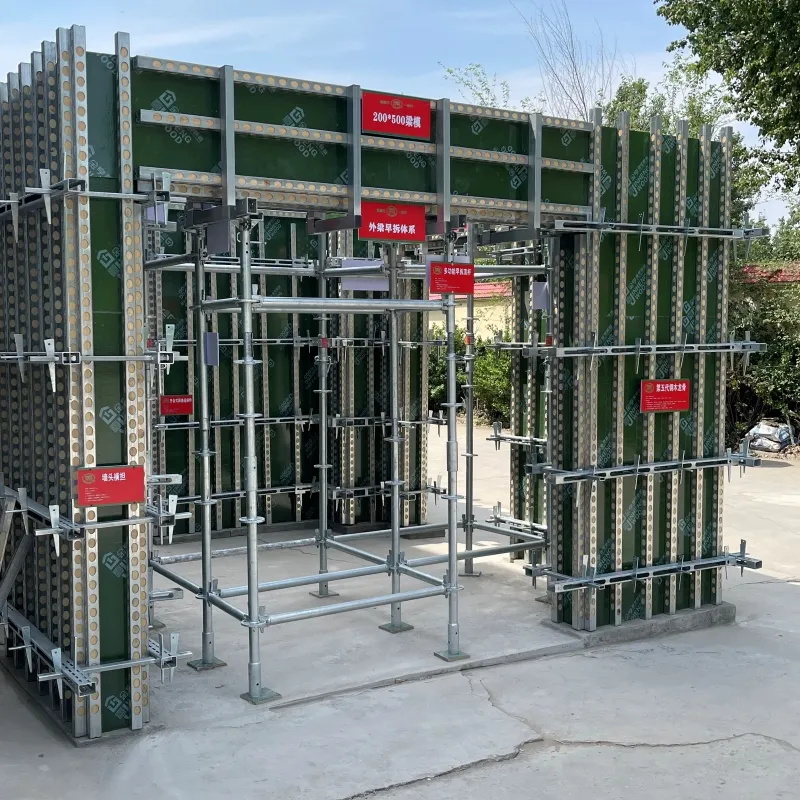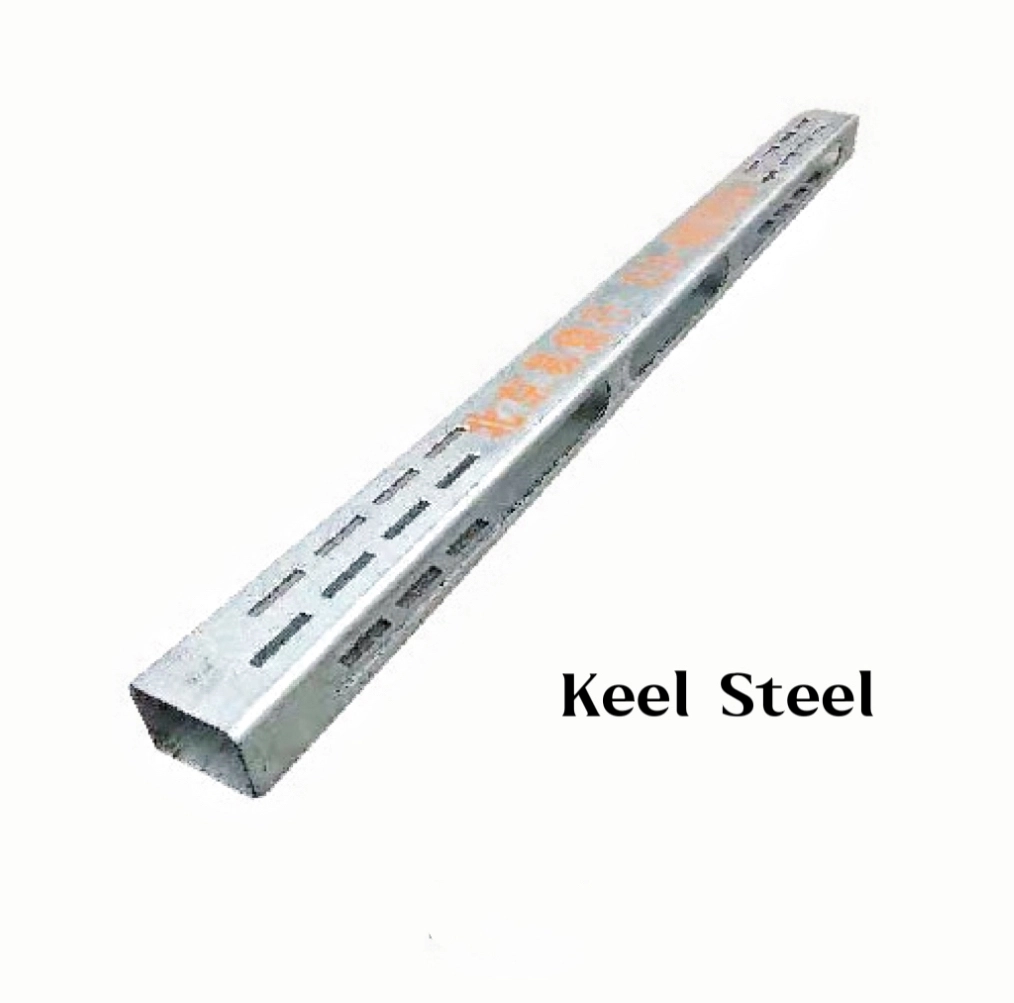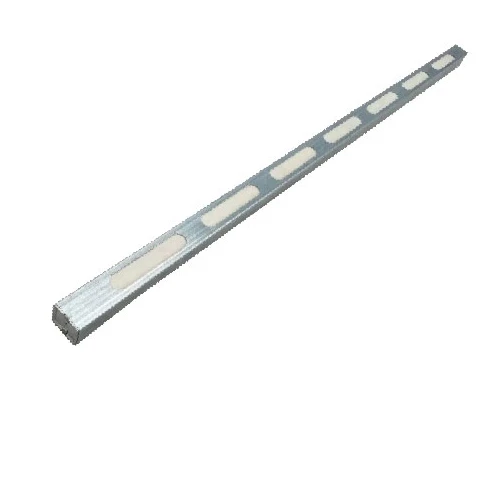

Toeboard Scaffolding: Essential Safety Gear for Construction Sites
Why toeboard scaffolding remains essential on job sites
Having spent a fair few years in the industrial equipment world—mostly around construction and large-scale projects—I’ve often found that the humble toeboard gets surprisingly little attention compared to towering scaffolds or heavy machinery. But, frankly, it’s one of those small details that plays a massive role in safety and compliance on site. Oddly enough, it’s almost like the unsung hero of scaffolding components.
For those not knee-deep in the industry lingo, a toeboard in scaffolding is essentially a protective barrier fitted at the edge of a scaffold platform. Its primary function? To stop tools, materials, and, most importantly, personnel from slipping off and causing accidents. You’d think such a simple component wouldn’t have so many specification details, but the variation in materials, sizes, and design can make all the difference depending on your project requirements.
Material choices and design considerations
Most toeboards are made from steel or aluminum—each bringing its own pros and cons. Steel toeboards are well-known for strength and durability under harsh site conditions but tend to be heavier to handle, which matters when you’re assembling or customizing scaffolding repeatedly throughout the day. Aluminum, on the other hand, feels lighter and easier to manipulate but sometimes raises concerns about long-term robustness when exposed to the elements. I’ve seen both types in action, and honestly, your choice often boils down to the specific needs of your job site versus budget constraints.
Testing and compliance with safety standards like OSHA or EN norms are non-negotiables. Many manufacturers submit their toeboards to rigorous load and impact tests. From my experience visiting fabrication plants, this is where quality control really shows. Cheap knockoffs or untested panels can be ticking time bombs.
Practical specs to watch
| Specification | Typical Range | Notes |
|---|---|---|
| Height | 100 - 150 mm (4” - 6”) | To meet OSHA recommendation minimum |
| Material | Steel, Aluminum, Plywood (less common) | Depends on durability vs. weight requirements |
| Thickness | 2 - 5 mm (steel/aluminum) | Thicker means stronger but heavier |
| Length | Standard 2 m or cut to size | Customization frequently requested |
Comparing vendors: What to look for
When it comes to buying toeboard scaffolding, several vendors offer similar specs on paper, but the differences emerge in durability, ease of installation, and customer service. Here’s a quick glance at common offerings from three popular suppliers:
| Vendor | Material Options | Customization | Warranty | Average Lead Time |
|---|---|---|---|---|
| Formwork Reinforced | Steel, Aluminum | Yes, custom sizes & finishes | 5 years | 2-3 weeks |
| Industrial Scaffold Co. | Steel only | Limited customization | 3 years | 4-6 weeks |
| Safety Edge Supplies | Aluminum, plywood | Custom plywood cuts only | 2 years | 1-2 weeks |
I recall a project a few years ago where a mid-size contractor switched their entire scaffolding setup to include toeboards from Formwork Reinforced. They noticed a drop in dropped-tool incidents almost immediately, which may seem obvious but frankly can save tens of thousands in liabilities and downtime. It made me appreciate how the right toeboard is as much an investment in safety as it is in productivity.
In real terms, many engineers and site supervisors I’ve spoken with stress that while bigger pieces of equipment tend to snag the spotlight, toeboards help "close the loop" on overall site safety. The fit and finish, and even slight edge design tweaks, can prevent accidents that would cost dearly—not just in money but reputations.
For anyone sourcing scaffolding components, taking time to review these toeboards—checking for compliance, material quality, and customization options—is, in my experience, never wasted effort.
So, while the toeboard scaffolding might not be the flashiest gear on site, it’s one I genuinely believe deserves a second look.
References:
- OSHA Scaffold Safety Guidelines, OSHA.gov
- EN 12811-1: Temporary Works Equipment Standards, CEN
- Formwork Reinforced Product Data & Testing Documentation
-
Comprehensive Guide to Scaffolding Rods for Safe Construction PracticesNewsFeb.24,2026
-
Comprehensive Guide to Different Types of Scaffolding for Construction ProjectsNewsFeb.11,2026
-
The Crucial Role and Safe Use of Scaffolding in Modern Construction ProjectsNewsJan.30,2026
-
Maximize Productivity and Safety with a Versatile 7m Scaffold TowerNewsJan.27,2026
-
6m Scaffold Tower: A Comprehensive Guide for B2B BuyersNewsJan.26,2026
-
6ft Scaffold: Durability and Safety in ConstructionNewsJan.25,2026
-
6 Scaffolding: A Modern Construction SolutionNewsJan.24,2026