
Tubular Scaffolding: Strength and Flexibility for Industrial Sites
The Practical Appeal of tubular scaffolding in Industrial Construction
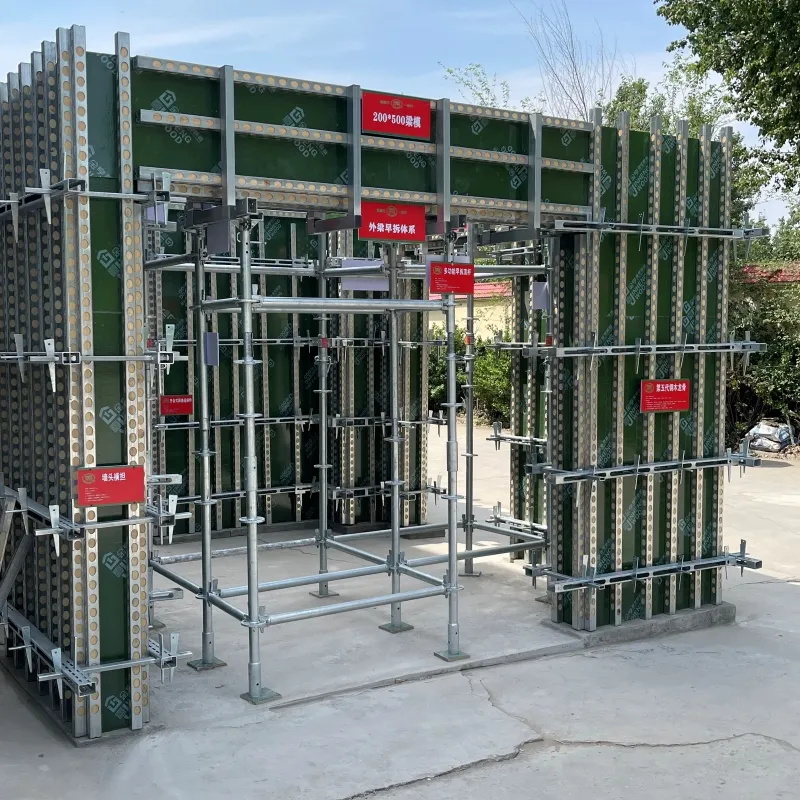
Having spent more than a decade working hands-on in the industrial equipment sector, I’ve seen scaffolding evolve from clunky, rigid assemblies to much more refined—and frankly, smarter—systems. Tubular scaffolding is one of those workhorses that quietly keeps projects safe and productive without much fanfare.
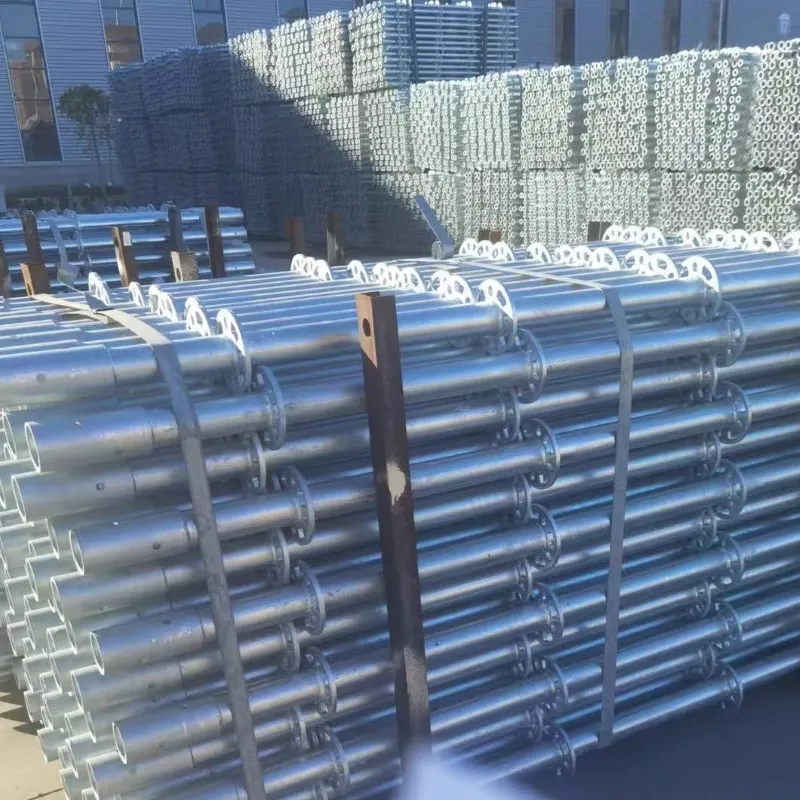
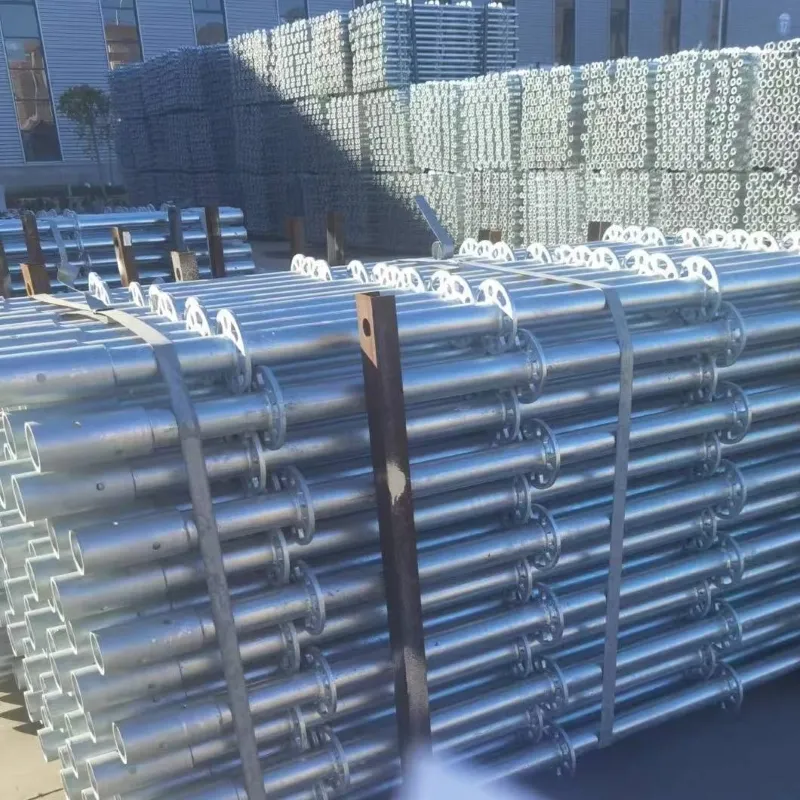
You might not think much about the tubes themselves, but the quality, design, and assembly of tubular scaffolding can make or break a job site’s efficiency. Back in the early days, we often wrestled with heavy steel fittings prone to rust. Thankfully, modern tubular scaffolding leans heavily on galvanized steel or even aluminum alloys, combining strength with surprisingly decent corrosion resistance. It feels lighter but isn’t weak—in fact, many engineers swear by the balance.
Oddly enough, one of my favorite stories was about a project in a coastal refinery where salt spray was beating down on everything. Most scaffolding brands began showing rust after a few months, but the tubular scaffolding sourced from reputable vendors (you know who I’m thinking of) held up impressively well. A case study like that really affirms the value of material quality over cheap shortcuts.
Core Specs of Typical Tubular Scaffolding
| Specification | Details |
|---|---|
| Material | Galvanized Steel / Aluminum Alloy |
| Tube Diameter | 48.3 mm (Standard) |
| Tube Thickness | 3.2 mm to 4 mm |
| Load Capacity | Up to 200 kg/m² (varies by configuration) |
| Height Limitation | Flexible, modular by design |
| Standard Compliance | EN 12810 / OSHA Standards |
| Typical Use | Industrial, commercial, refurbishment |
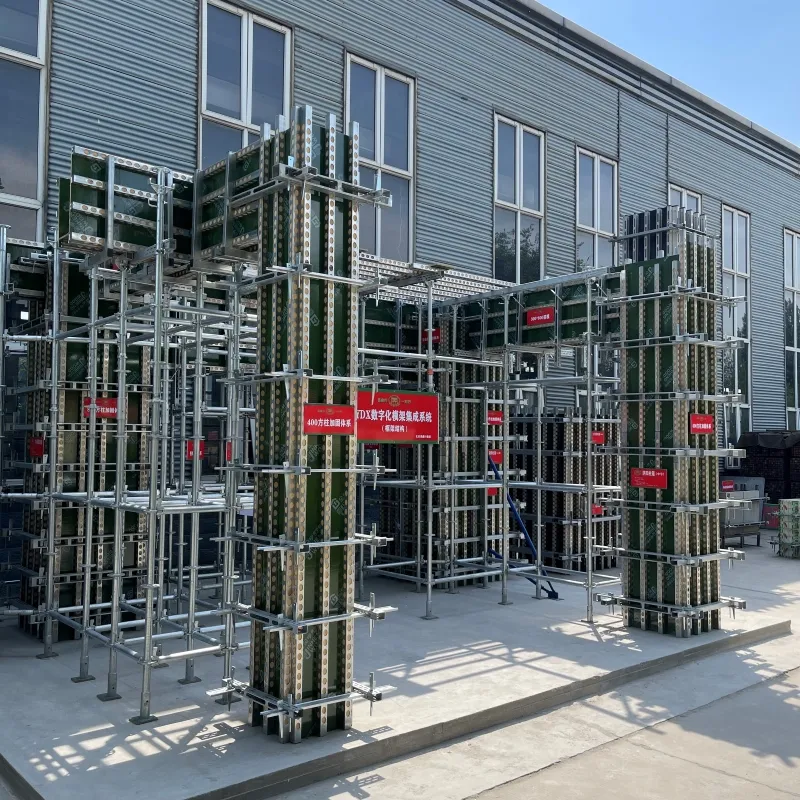
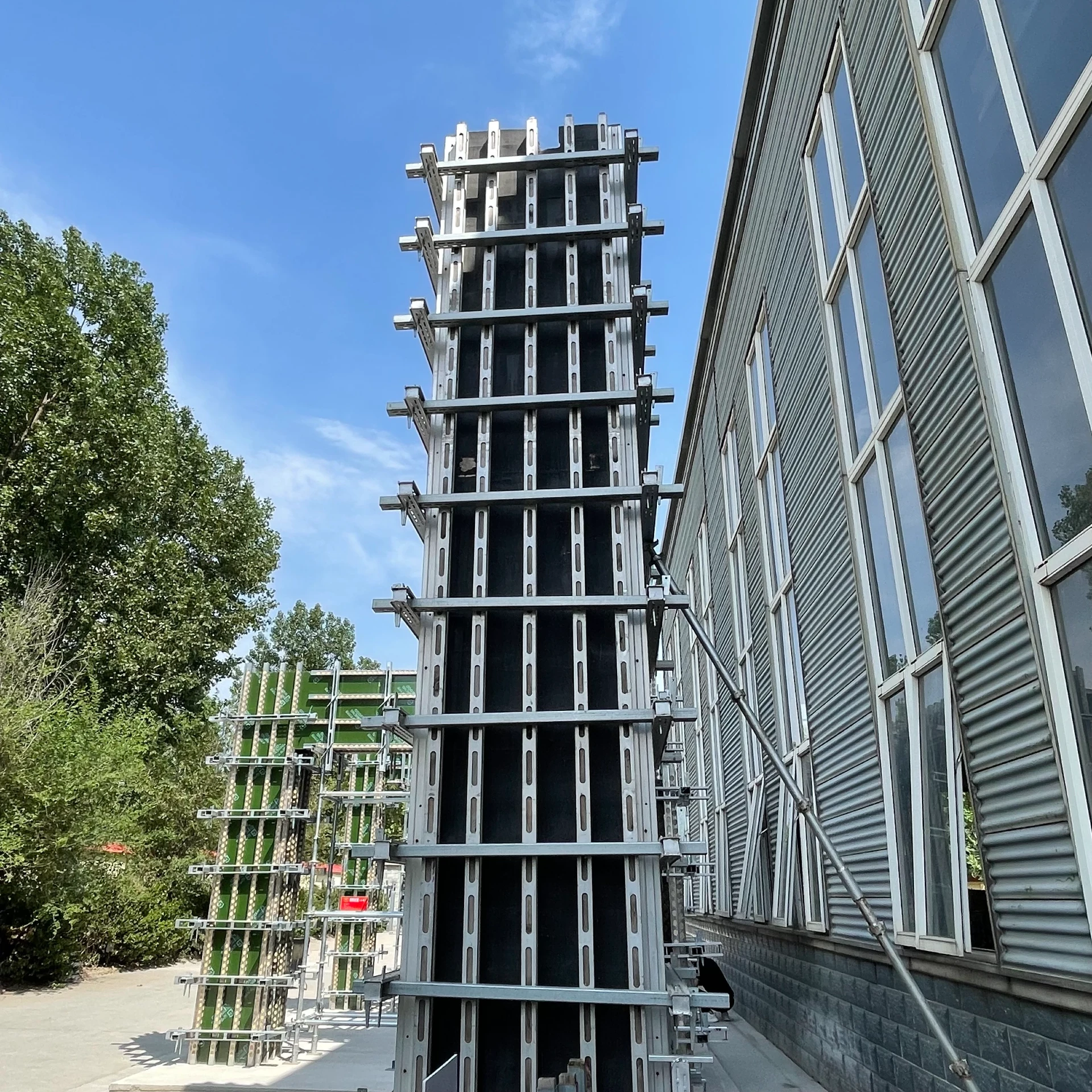
Now, I suppose it’s not just about the specs on paper. The beauty of tubular scaffolding lies in the modularity. You can quickly assemble and disassemble sections, adapt heights, and add safety features like guardrails or toe boards with ease. This flexibility is a huge plus for contractors who are juggling tight timelines or unpredictable jobsite conditions.
Another aspect worth noting is the rigorous testing these systems go through. Most top-tier tubular scaffolding products are pressure-tested and inspected by third-party bodies to meet EN or OSHA standards. Frankly, it’s a necessity—not a luxury—when lives depend on the strength and stability of your scaffold.
Vendor Comparison: Choosing the Right Tubular Scaffolding Supplier
| Feature | Formwork Reinforced | Generic Supplier A | Generic Supplier B |
|---|---|---|---|
| Material Quality | High-grade galvanized steel | Standard steel | Mixed grades, less consistency |
| Customization Options | Wide range, modular kits available | Limited | Some customization possible |
| Compliance Certifications | EN 12810, OSHA verified | Partial certification | Unverified, depends on batch |
| Delivery Lead Time | 2-3 weeks | 4-6 weeks | Variable, sometimes delayed |
| Technical Support | Extensive, on-call engineers | Minimal | Basic support |
I often tell contractors that picking the right scaffolding supplier is almost as important as the product itself. You can get lucky with lesser-known brands, but frankly, it’s a gamble you may not want to take. The extra bit of technical support and consistent compliance verification from established suppliers like Formwork Reinforced can save lots of headaches down the line.
In real terms, scaffolding isn’t just saving you time; it’s literally keeping workers safe. And that’s where quality blends with responsibility, something I’m always passionate about seeing in the field.
So, if you’re in the market for tubular scaffolding, do your homework on materials, certifications, and vendor reliability. It might sound obvious, but you’d be surprised how often those basics get overlooked in the rush of project deadlines.
To sum it all up: tubular scaffolding remains a cornerstone of industrial construction for good reason—adaptability, strength, and safety all rolled into one modular system that just keeps getting better.
References:
1. EN 12810 Standard for Scaffolding (European Committee for Standardization)
2. OSHA Scaffold Safety Guidelines
3. Industry Whitepapers on Galvanized Steel Durability in Coastal Environments
-
Comprehensive Guide to Scaffolding Rods for Safe Construction PracticesNewsFeb.24,2026
-
Comprehensive Guide to Different Types of Scaffolding for Construction ProjectsNewsFeb.11,2026
-
The Crucial Role and Safe Use of Scaffolding in Modern Construction ProjectsNewsJan.30,2026
-
Maximize Productivity and Safety with a Versatile 7m Scaffold TowerNewsJan.27,2026
-
6m Scaffold Tower: A Comprehensive Guide for B2B BuyersNewsJan.26,2026
-
6ft Scaffold: Durability and Safety in ConstructionNewsJan.25,2026
-
6 Scaffolding: A Modern Construction SolutionNewsJan.24,2026