
Timber Steel: Durable Brackets & Modern Frame Solutions
The Evolving Landscape of Hybrid Construction Materials: Insights into Timber Steel
In contemporary engineering and construction, the demand for materials that offer a superior blend of strength, sustainability, and aesthetic appeal has led to significant innovations. Among these, timber steel hybrid solutions are emerging as a transformative force, providing an optimal balance between the natural warmth and renewable attributes of timber and the unparalleled structural integrity of steel. This synergy is not merely about combining two materials; it is about leveraging their complementary properties to create systems that outperform traditional standalone solutions in various demanding applications. From large-scale industrial infrastructure to complex architectural designs, the integration of timber and steel elements offers enhanced durability, improved seismic performance, and greater design flexibility. Our extensive experience in developing and deploying advanced hybrid material solutions positions us at the forefront of this evolution, ensuring that clients receive products engineered to the highest standards of performance and reliability. The strategic adoption of timber steel components facilitates lighter structures, reduced foundation requirements, and often, faster construction timelines, contributing to overall project efficiency and cost-effectiveness. Furthermore, the inherent fire resistance and acoustic properties of engineered timber, when combined with steel’s robust framework, address critical safety and comfort criteria, making it a preferred choice for a multitude of sectors seeking robust and sustainable building methodologies. This innovative approach redefines possibilities in construction, offering solutions that are not only structurally sound but also environmentally conscious and economically viable for long-term project success.
Precision Engineering: Decoding the Manufacturing Process of Timber Steel Components
The manufacturing of advanced timber steel components involves a meticulous multi-stage process, ensuring the highest levels of material integrity and structural performance. It typically begins with the careful selection of premium-grade timber, often engineered wood products like Glued Laminated Timber (Glulam) or Cross-Laminated Timber (CLT), renowned for their superior strength-to-weight ratio, dimensional stability, and inherent sustainability. Simultaneously, high-strength structural steel, compliant with international standards such as ASTM A992 or EN 10025, is prepared. The manufacturing process often incorporates state-of-the-art techniques like precision CNC machining for timber elements to achieve exact dimensions and intricate joint designs, minimizing waste and ensuring perfect fit-up. Steel components, ranging from connection plates to entire structural frames, undergo processes such as high-precision laser cutting, bending, and welding (often Robotic Arc Welding for consistency), ensuring robust and reliable connections with minimal deformation. For critical applications, specialized processes like hot-dip galvanization (per ISO 1461 or ASTM A123) or advanced powder coating are applied to the steel elements to provide superior corrosion resistance, extending the component's service life, particularly in harsh environments like petrochemical or wastewater treatment facilities where exposure to aggressive chemicals is common. Quality control is paramount at every step, with rigorous inspections including ultrasonic testing for welds, magnetic particle inspection, and dimensional checks, all conforming to stringent standards like ISO 9001 and ANSI specifications. The integrated approach ensures that the finished timber metal system not only meets but often exceeds the specified performance criteria for strength, durability, and fire resistance, providing a projected service life of 50 years or more under typical conditions. This comprehensive approach underscores our commitment to delivering superior, long-lasting solutions for demanding industrial and civil engineering projects, from large-scale industrial complexes to intricate bridge structures.
Technical Specifications: Unpacking Timber Steel Performance Metrics
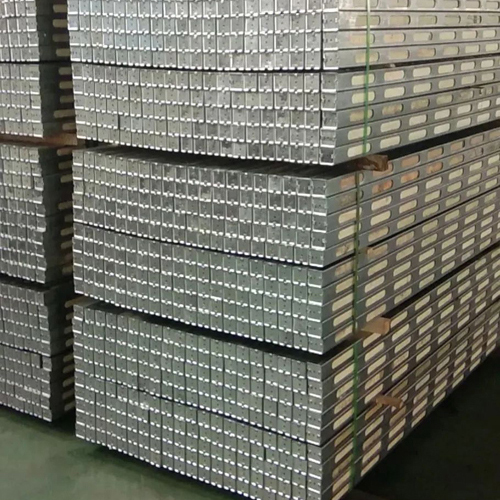
Understanding the detailed technical specifications of timber steel components is crucial for engineers and procurement specialists to ensure optimal selection for specific project requirements. These hybrid solutions leverage the high tensile strength and ductility of steel and the impressive compressive and bending strength of engineered timber. For instance, common steel grades used include S355 or A572 Grade 50, offering nominal yield strengths typically ranging from 345 MPa to 450 MPa, ensuring robust load-bearing capabilities. Timber elements, such as Glulam (e.g., GL24h or GL28c), can achieve characteristic bending strengths of 24 MPa to 40 MPa, while Cross-Laminated Timber (CLT) panels provide excellent shear and compressive resistance, suitable for floor and wall applications. Critical parameters for timber and steel connections, often facilitated by robust steel timber brackets or concealed steel plates, include ultimate tensile strength, shear capacity, and rotational stiffness, which are rigorously tested according to Eurocode 5 (EN 1995-1-1) for timber structures or American Wood Council (AWC) National Design Specification (NDS) standards. Our internal testing reveals superior performance metrics, with hybrid beams demonstrating up to a 30% reduction in deflection compared to equivalent timber-only sections under similar loads, and enhanced fire resistance ratings (e.g., R60, R90, or R120) when properly designed and protected through intumescent coatings or sacrificial char layers. The table below provides a general overview of typical performance characteristics for our premium timber steel products, highlighting the balanced advantages this material offers in terms of structural efficiency and material optimization. These specifications underscore the versatility and robustness of our hybrid solutions, making them ideal for applications demanding both high structural performance and sustainability credentials, effectively reducing the carbon footprint of construction projects while maintaining stringent safety standards.
| Parameter | Value Range | Relevant Standard |
|---|---|---|
| Steel Yield Strength | 345 - 450 MPa | ASTM A572 Gr.50 / EN 10025 S355 |
| Timber Bending Strength (Glulam) | 24 - 40 MPa | EN 14080 / AWC NDS |
| Fire Resistance Rating | R60 - R120 (Min.) | EN 13501-2 / ASTM E119 |
| Corrosion Protection (Steel) | Hot-Dip Galvanized / Advanced Powder Coated | ISO 1461 / ASTM A123 |
| Expected Service Life | > 50 Years | Design Life Expectancy |
Versatile Applications: Where Timber Steel Excels in Industrial and Commercial Settings
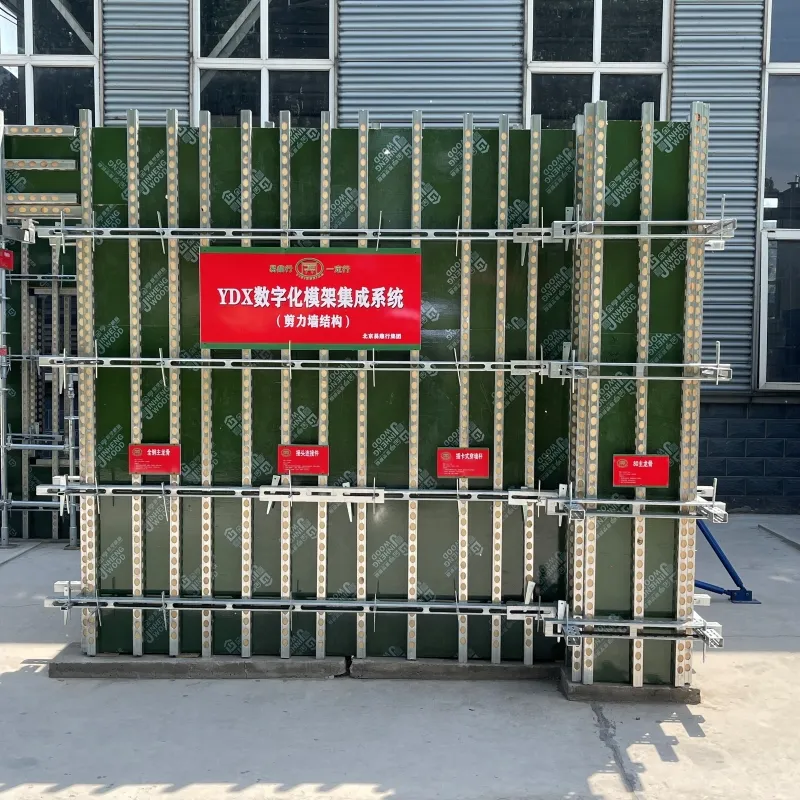
The adaptability and superior performance characteristics of timber steel make it an ideal choice across a diverse range of demanding industries. In the petrochemical sector, its combination of structural strength and enhanced corrosion resistance – particularly for steel components treated with advanced coatings – ensures the integrity of non-process structures, pipe racks, and support systems exposed to aggressive chemical environments. For metallurgy, the material's ability to withstand significant loads and thermal variations makes it suitable for heavy industrial buildings, crane runways, and material handling facilities where traditional materials might falter, offering robust and long-lasting structural solutions. In water supply and drainage systems, where resistance to moisture and potential biological degradation is crucial, timber metal components offer durable and sustainable alternatives for retaining walls, service bridges, and plant structures, often outperforming conventional concrete or steel solutions in long-term maintenance costs and environmental impact, thereby promoting circular economy principles. The aesthetic flexibility of timber combined with the robust support of steel also positions it favorably in large-span commercial buildings, sports arenas, and public infrastructure projects where visual appeal, rapid construction, and long-term resilience are paramount. Our successful deployment in these varied sectors underscores the material's proven reliability and versatility. For instance, in a recent industrial facility project, the adoption of timber steel truss systems led to a 15% reduction in overall structural weight, translating into significant savings on foundation costs and a 20% faster erection time compared to traditional all-steel frameworks, showcasing tangible efficiency gains. This efficiency is a direct result of the optimized strength-to-weight ratio and simplified connection details inherent in hybrid designs.
Strategic Advantages: Maximizing Efficiency with Timber Steel Engineering Solutions
The engineering advantages of utilizing timber steel hybrid structures extend far beyond mere material combination, offering a strategic approach to project optimization. One significant benefit is the enhanced structural efficiency: timber excels in compression and bending, while steel provides superior tensile strength and ductility. This allows for optimized member sizing, leading to lighter structures that require less extensive foundations, thereby reducing civil works and associated costs. For instance, large clear spans are readily achievable with composite beams, often integrating concrete slabs, leveraging the high stiffness of steel and the thermal insulation properties of timber, thus creating highly efficient floor and roof systems. Furthermore, the inherent sustainability of timber, a renewable resource harvested from sustainably managed forests, combined with the recyclability of steel, positions timber and steel solutions as leaders in environmentally responsible construction, aligning with global green building initiatives and significantly reducing the embodied carbon footprint of projects. The precise prefabrication of both timber and steel elements off-site, including the integration of specialized steel timber brackets, minimizes on-site labor requirements, improves construction quality control by reducing errors, and significantly accelerates erection times, reducing project schedules by weeks or even months for large-scale developments. This advanced method of construction not only delivers superior performance but also contributes to reduced operational costs through improved thermal performance and simplified maintenance, distinguishing our offerings in the competitive B2B landscape. The resilience of these hybrid systems against natural forces, including seismic events, is also a key advantage.
Tailored Solutions: Crafting Custom Timber Steel Designs for Unique Project Needs
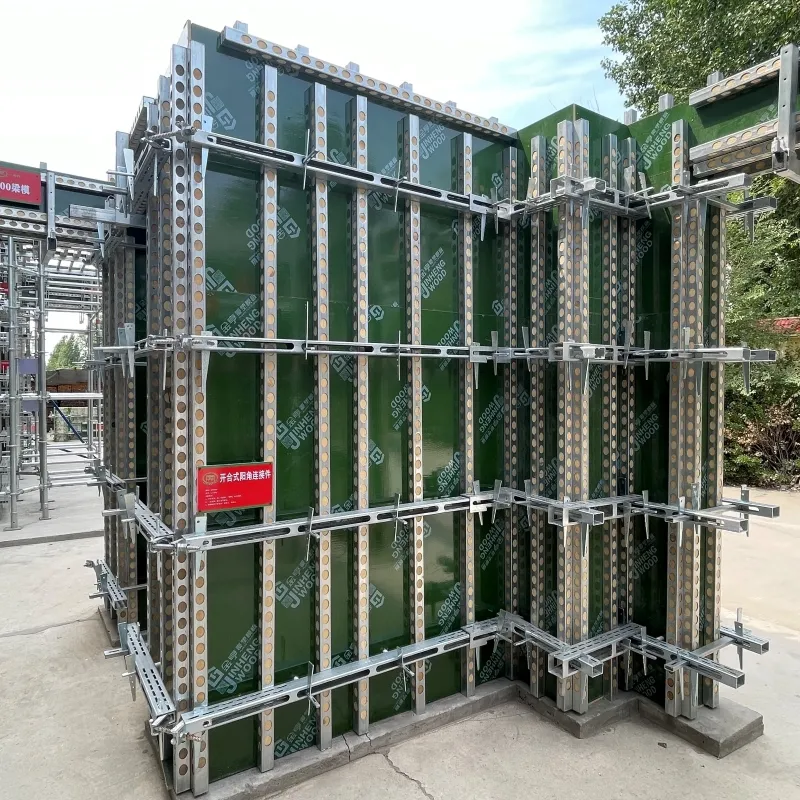
Recognizing that every project presents a unique set of challenges and requirements, our approach to timber steel solutions emphasizes bespoke design and customization. We work closely with clients from the conceptualization phase through to detailed engineering and fabrication, ensuring that the final product precisely matches their specific performance, aesthetic, and budgetary objectives. This collaborative process involves advanced computational design and finite element analysis (FEA) to simulate structural behavior under various load conditions, optimizing material usage and ensuring compliance with international building codes and project-specific performance criteria. Whether it's designing custom timber frame steel brackets for complex architectural forms, developing large-span composite trusses for industrial clear-span requirements, or engineering specialized connections for enhanced seismic resistance, our team of experienced structural engineers and material scientists is equipped to deliver innovative solutions. Our manufacturing capabilities allow for high-precision fabrication of both steel and timber elements, including complex geometries and integrated service provisions. This flexibility extends to surface finishes, corrosion protection systems, and fireproofing strategies, all tailored to the specific operational environment and client preferences. We understand that standard off-the-shelf solutions rarely fully address the intricacies of high-stakes B2B projects, which is why our commitment to custom engineering provides a distinct advantage, ensuring that our clients receive a product that is not just a component, but a perfectly integrated solution designed for optimal long-term performance and value.
Manufacturer Comparison: Why Choose Our Timber Steel Expertise?
In a market with evolving options for hybrid construction, discerning manufacturers of timber metal solutions is vital. While some providers focus solely on standard components, our distinct advantage lies in our deep engineering expertise, comprehensive testing protocols, and commitment to full-lifecycle support. Unlike firms that outsource critical fabrication steps, we maintain integrated production facilities for both timber processing and steel fabrication, ensuring unparalleled quality control from raw material acquisition to finished product assembly. Our adherence to a broad spectrum of certifications, including ISO 9001 for quality management, ISO 14001 for environmental management, and OHSAS 18001 for occupational health and safety, provides clients with an unparalleled assurance of consistent quality, responsible practices, and employee well-being. Furthermore, our dedicated R&D team continuously explores new material compositions and connection methodologies, staying ahead of industry trends and offering innovative solutions that optimize performance and cost for future demands. We provide detailed engineering support, including comprehensive structural analysis, precise shop drawings, and hands-on installation guidance, a level of service often unmatched by competitors. Our transparent project management and consistent on-time delivery record, bolstered by efficient logistics networks, significantly reduce project risks and enhance overall client satisfaction. Choosing us means partnering with a recognized leader in hybrid material innovation, committed to delivering not just products, but holistic, high-performance solutions designed for the future of resilient and sustainable construction.
| Feature | Our Offering | Typical Standard Manufacturer |
|---|---|---|
| Engineering Design Capability | Full In-House FEA, Custom Design & Optimization | Limited Standard Designs, Basic Modifiability |
| Manufacturing Control | Integrated Timber & Steel Fabrication & QC | Often Sub-Contracted Components with Varied QC |
| Certifications & Standards | ISO 9001, 14001, OHSAS 18001, ASTM, EN, Local Codes | Basic Product Certs or Compliance Statements Only |
| After-Sales Support | Dedicated PM, Installation Guidance, Long-Term Warranty, Technical Consults | Limited Product Warranty, Basic Technical Queries |
| Innovation & R&D | Dedicated R&D, New Material/Connection Dev., Performance Testing | Focus on Existing Product Lines, Market Response |
Ensuring Trust and Reliability: Quality Assurance and Client Success Stories
Our unwavering commitment to quality assurance is a cornerstone of our operations, guaranteeing that every timber steel component delivered meets the most rigorous performance and safety criteria. Our robust quality management system is certified to ISO 9001, underscoring our dedication to consistent excellence across all phases, from raw material procurement and manufacturing to final inspection and delivery. This is complemented by continuous internal audits and adherence to international design and testing standards like ANSI/AISC for steel structures and Eurocode 5 for timber structures, ensuring compliance and superior performance in diverse global projects. We invest significantly in advanced non-destructive testing (NDT) methods, including ultrasonic testing for welds and magnetic particle inspection for critical steel elements, alongside visual and dimensional inspections for all components, documented rigorously for full traceability. Furthermore, our experience spans over two decades in the structural component fabrication industry, serving a global clientele across various sectors. We pride ourselves on long-standing partnerships, with many clients returning for repeat projects due to our proven reliability and responsive support. For example, in a recent project involving complex bridge elements for a municipal infrastructure upgrade, our timber and steel hybrid design offered superior load-bearing capacity, a significantly reduced environmental footprint, and accelerated construction, earning commendation for both technical innovation and timely execution from the client. Positive feedback consistently highlights our proactive communication, technical proficiency, and ability to deliver complex solutions on schedule and within budget, building invaluable trust within the B2B community. This dedication extends to ensuring product longevity and structural integrity through meticulous design and fabrication processes, providing clients with peace of mind.
Frequently Asked Questions (FAQ) about Timber Steel Solutions
Q: What are the primary advantages of timber steel over traditional materials?
A: Timber steel offers a compelling blend of benefits including a superior strength-to-weight ratio, enhanced fire resistance (engineered timber chars slowly, providing a protective layer for the steel core), improved thermal performance, aesthetic versatility, and significant environmental advantages due to the use of renewable timber. It allows for longer spans and lighter foundations compared to concrete, and can be more cost-effective than pure steel structures in certain applications, especially when considering reduced construction time, labor savings, and potential eligibility for green building certifications.
Q: Is timber metal suitable for outdoor or high-moisture environments?
A: Yes, with appropriate design and protective measures. The steel components are extensively treated, often galvanized or powder-coated, for enhanced corrosion resistance, making them highly suitable for outdoor exposure. Timber elements can be factory-treated with preservatives, utilize naturally durable species like Douglas Fir or Larch, or be encapsulated to prevent moisture ingress. For high-moisture environments like wastewater treatment plants, specific timber treatments and advanced encapsulation techniques for connections are employed to ensure long-term durability and resistance to biological degradation, maintaining structural integrity over decades of service.
Q: What is the typical lead time for custom timber and steel fabrication?
A: The lead time for custom timber steel components varies significantly depending on the project's complexity, volume, and current production schedule. Generally, for bespoke projects, the design and engineering phase can take 2-4 weeks after client approval, followed by a fabrication period of 6-12 weeks, and finally 1-2 weeks for logistics and delivery depending on destination. We prioritize transparent communication regarding project timelines and work closely with clients to meet their critical deadlines, leveraging our efficient supply chain and integrated manufacturing processes to minimize lead times while upholding the highest quality standards, ensuring predictable project execution.
Q: What kind of warranty and customer support do you offer for timber frame steel brackets and other components?
A: We stand behind the quality of our products with a comprehensive warranty, typically covering material and manufacturing defects for a period of 5-10 years, depending on the specific component and application, and adherence to recommended maintenance. Our customer support includes dedicated project managers who serve as single points of contact, detailed technical assistance during the design and installation phases, and responsive post-delivery consultations for any operational inquiries. We are committed to ensuring client satisfaction throughout the entire lifecycle of our products, offering responsive support for any inquiries or requirements that may arise, reflecting our long-term partnership approach and dedication to product excellence.
Conclusion: Pioneering the Future of Sustainable and Resilient Construction
The advent of advanced timber steel hybrid solutions marks a pivotal moment in the evolution of construction materials, offering an unparalleled synergy of structural performance, environmental stewardship, and design flexibility. From the meticulous selection of high-grade timber and steel to the application of advanced manufacturing techniques and rigorous quality control, every stage of our production process is geared towards delivering components that meet the most demanding industrial and commercial requirements with precision and reliability. The inherent advantages, including superior strength-to-weight ratios, enhanced fire resistance, and impressive sustainability credentials, position timber steel as the material of choice for visionary projects aiming for efficiency, longevity, and reduced environmental impact. Our unwavering commitment to customized engineering, bolstered by extensive industry experience and adherence to global certification standards, ensures that clients receive not just a product, but a fully integrated, high-performance solution tailored to their specific needs. By embracing timber metal technology, businesses can achieve significant operational efficiencies, lower long-term maintenance costs, and contribute meaningfully to a greener built environment. We invite industry leaders, architects, and project developers to explore the transformative potential of our hybrid solutions, confident that our expertise and innovative product range can elevate their next venture to new heights of success and sustainability.
References
- The American Institute of Steel Construction (AISC). Specification for Structural Steel Buildings.
- European Committee for Standardization (CEN). Eurocode 5: Design of timber structures.
- International Organization for Standardization (ISO). ISO 9001: Quality management systems – Requirements.
- Forest Stewardship Council (FSC). Principles and Criteria for Forest Stewardship (version V5-2).
- ASTM International. Standard Specification for High-Strength Low-Alloy Structural Steel, up to 50 ksi [345 MPa] Minimum Yield Point, with Atmospheric Corrosion Resistance.
- American Wood Council (AWC). National Design Specification (NDS) for Wood Construction.
- American National Standards Institute (ANSI). Building Code Requirements for Structural Steel Buildings (AISC 360).
-
Comprehensive Guide to Scaffolding Rods for Safe Construction PracticesNewsFeb.24,2026
-
Comprehensive Guide to Different Types of Scaffolding for Construction ProjectsNewsFeb.11,2026
-
The Crucial Role and Safe Use of Scaffolding in Modern Construction ProjectsNewsJan.30,2026
-
Maximize Productivity and Safety with a Versatile 7m Scaffold TowerNewsJan.27,2026
-
6m Scaffold Tower: A Comprehensive Guide for B2B BuyersNewsJan.26,2026
-
6ft Scaffold: Durability and Safety in ConstructionNewsJan.25,2026
-
6 Scaffolding: A Modern Construction SolutionNewsJan.24,2026