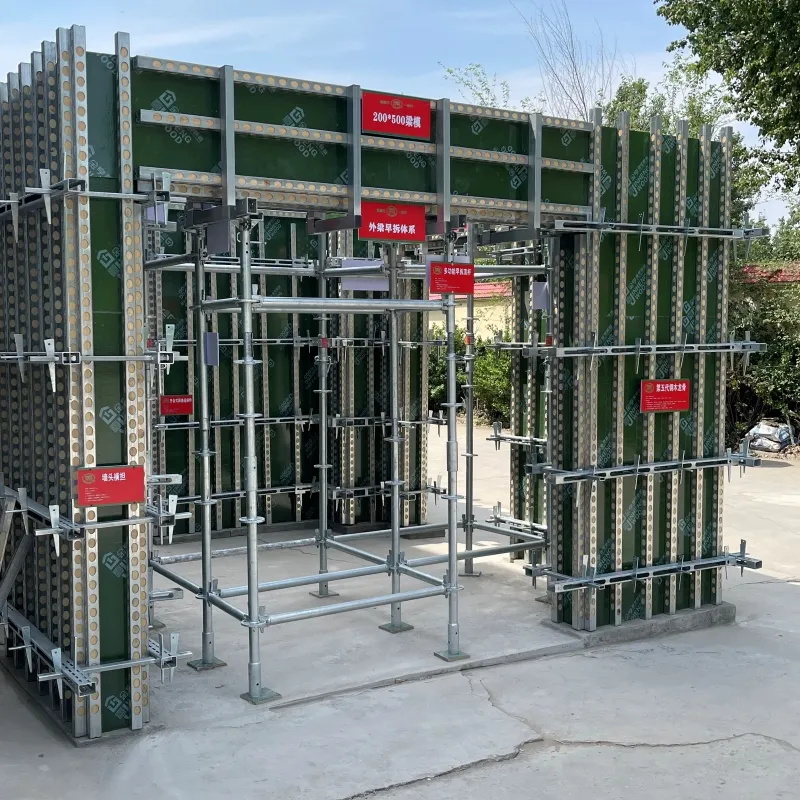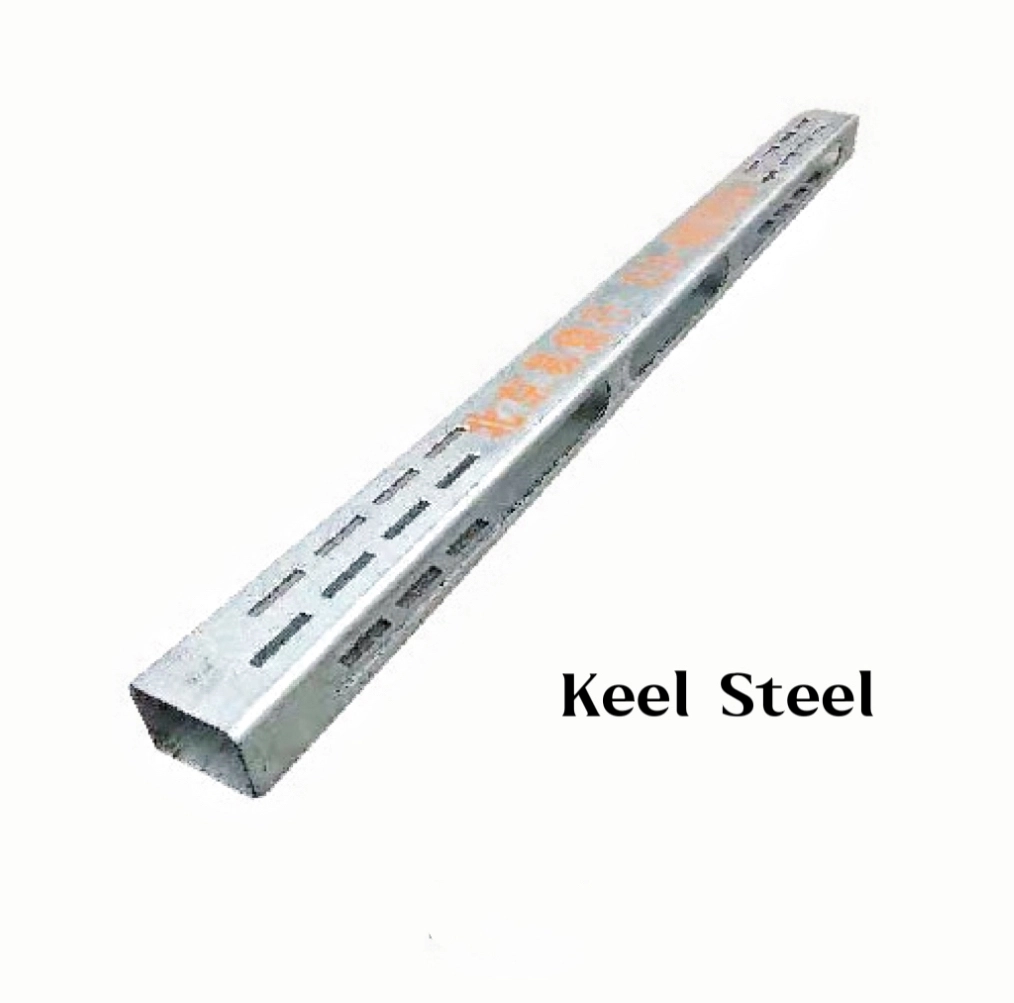

Timber Steel Brackets & Connections: Strength & Modern Design
The Evolution of Structural Materials: Embracing Hybrid Timber and Steel Solutions
In the rapidly evolving landscape of modern construction and industrial applications, the demand for materials that offer an optimal blend of strength, sustainability, and aesthetic appeal has led to the emergence of advanced composite solutions. Among these, timber steel stands out as a transformative innovation, integrating the inherent ecological benefits and natural beauty of timber with the unparalleled structural integrity and ductility of steel. This synergistic combination is not merely a trend but a fundamental shift towards more resilient and environmentally conscious infrastructure. Industry trends unequivocally point towards increased adoption of hybrid structures due to their superior performance across various metrics, including seismic resistance, fire safety, and thermal efficiency. The application of sophisticated engineering principles allows these materials to address complex design challenges, providing architects and engineers with unprecedented flexibility. From large-span industrial buildings to intricate architectural facades, the composite nature of timber and steel offers a compelling alternative to conventional concrete or pure steel structures, promising reduced carbon footprints and enhanced project timelines. Furthermore, the rising global emphasis on green building certifications and sustainable practices amplifies the relevance of hybrid materials like timber steel, positioning it as a cornerstone for future developments. This material’s versatility extends beyond mere structural support; it facilitates innovative design solutions that are both functional and visually striking, setting new benchmarks for efficiency and sustainability in the built environment.
Unveiling the Precision: Manufacturing Prowess of Timber Steel Systems
The robust performance of timber steel systems stems from a meticulously engineered manufacturing process that combines high-grade materials with advanced fabrication techniques. Material selection is paramount, involving responsibly sourced structural timber such as Glued Laminated Timber (Glulam), Cross-Laminated Timber (CLT), or Laminated Veneer Lumber (LVL), selected for their superior strength-to-weight ratio and dimensional stability. These timber elements are strategically paired with various steel alloys, including galvanized steel for enhanced corrosion resistance, stainless steel for aggressive environments like petrochemical or wastewater treatment plants, or high-strength low-alloy (HSLA) steels for demanding structural applications. The manufacturing journey typically begins with precision cutting and shaping of timber components using sophisticated CNC (Computer Numerical Control) machining, ensuring exact specifications and seamless integration. Concurrently, steel components, often comprising intricate steel timber brackets, connectors, and reinforcing elements, undergo processes such as laser cutting, plasma cutting, and precision bending. For critical structural connections or specialized timber frame steel brackets, advanced welding techniques like Gas Metal Arc Welding (GMAW) or Flux-Cored Arc Welding (FCAW) are employed, often followed by non-destructive testing (NDT) to verify weld integrity.
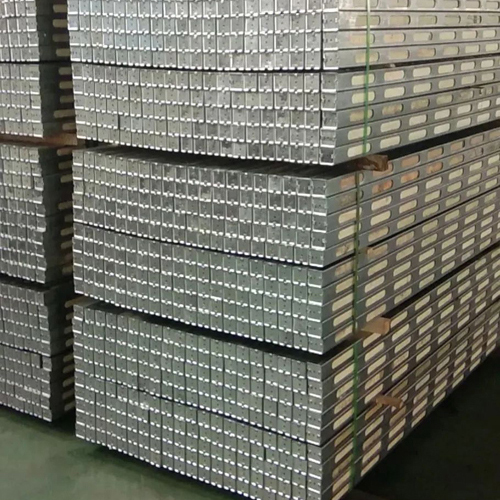
Quality control is integrated at every stage, from raw material inspection to final product assembly. Manufacturers adhere strictly to international standards such as ISO 9001 for quality management systems, ASTM International standards for material properties, and ANSI standards for structural design and performance. For example, steel components often conform to ASTM A36 for structural steel or ASTM A572 for high-strength steel, while timber elements meet standards like ANSI/AITC A190.1 for structural glued laminated timber. Comprehensive testing, including tensile strength tests for steel, bending strength tests for timber, and full-scale load tests for assemblies, ensures that each timber metal component meets or exceeds design specifications. The typical service life of properly designed and installed timber steel structures can exceed 50-100 years, depending on environmental conditions and maintenance, making them a highly durable investment. These materials are particularly well-suited for a wide range of industries including petrochemical, where high strength and corrosion resistance are critical for process structures; metallurgy, for furnace support and material handling systems; and water supply and drainage, where resistance to moisture and chemical exposure is paramount. Their inherent advantages in these demanding environments, such as superior corrosion resistance due to advanced coatings and material selection, and potential for energy savings through improved thermal performance and reduced embodied energy, underscore their strategic importance.
Technical Specifications: A Deep Dive into Timber Steel Performance Metrics
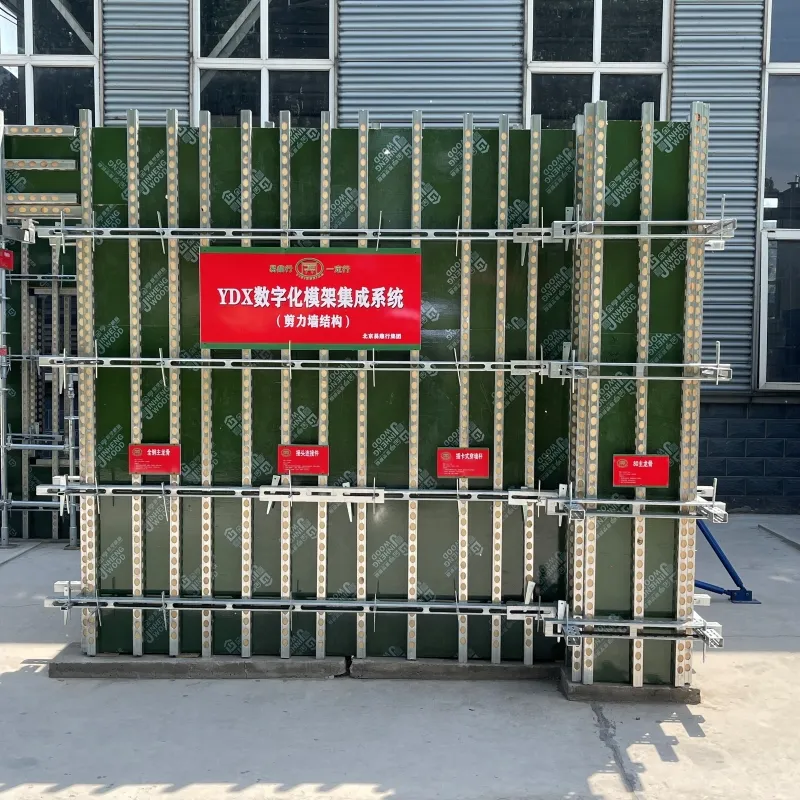
Understanding the technical parameters of timber steel composites is crucial for architects, engineers, and project developers to make informed decisions regarding their application. These hybrid materials combine the distinct advantages of both timber and steel, resulting in a synergistic profile that often surpasses the capabilities of individual materials. For timber components, properties such as compressive strength parallel to grain (e.g., 24-35 MPa for glulam) and bending strength (e.g., 20-30 MPa for glulam) are critical, influencing load-bearing capacity and span capabilities. Steel elements, conversely, contribute significantly to tensile strength (e.g., 400-550 MPa for structural steel), yield strength (e.g., 250-350 MPa), and shear resistance, providing crucial reinforcement for high-stress areas and connections. The overall composite material benefits from steel’s ductility, which allows for greater energy dissipation during seismic events, and timber’s thermal performance, contributing to reduced energy consumption in building operation. Furthermore, advancements in connection technology, particularly with specialized steel timber brackets and concealed fasteners, ensure load transfer efficiency and structural integrity. Fire resistance is another key technical consideration; while steel can lose strength at high temperatures, timber chars at a predictable rate, forming an insulating layer that protects the inner core and maintains structural capacity longer than unprotected steel, enhancing overall fire safety in timber and steel hybrid structures. This dual characteristic provides an inherent resilience that standalone materials often lack, positioning timber steel as a superior choice for projects demanding high levels of safety and operational efficiency.
Comparative Performance of Key Materials
| Parameter | Structural Steel (S355) | Glued Laminated Timber (GL32h) | Reinforced Concrete (C30/37) | Timber Steel Composite (Typical) |
|---|---|---|---|---|
| Tensile Strength (MPa) | 490-630 | N/A (low in tension) | 2-3 (concrete only) | 450-600 (composite) |
| Compressive Strength (MPa) | 355 | 32 | 30-37 | 30-350 (varies by component) |
| Density (kg/m³) | 7850 | 450-550 | 2400 | 1200-2500 (composite avg.) |
| Fire Resistance (R Rating) | R15-R60 (unprotected) | R30-R120 (mass timber) | R60-R180 | R90-R180 (enhanced composite) |
| Thermal Conductivity (W/mK) | 50 | 0.12-0.16 | 1.5-2.0 | ~0.5-1.5 (composite) |
The table above highlights that while individual materials excel in specific areas, the timber steel composite offers a balanced profile, particularly in fire resistance and thermal performance, while retaining high strength. This makes it an ideal choice for projects where both structural integrity and operational efficiency are critical. The combination of timber's excellent thermal insulation properties and steel's high load-bearing capacity results in structures that are not only robust but also energy-efficient, directly contributing to lower long-term operational costs and enhanced building performance. This data underscores why industries are increasingly turning towards timber metal solutions for their next-generation infrastructure needs.
Diverse Applications and Strategic Advantages of Timber Steel Composites
The versatility of timber steel composite materials enables their application across an impressive spectrum of industries and project types, delivering strategic advantages that extend far beyond mere structural support. In large-span industrial facilities, such as warehouses, manufacturing plants, and sports arenas, timber steel offers an ideal solution due to its high strength-to-weight ratio, which allows for expansive, column-free spaces and reduced foundation costs. The inherent stiffness of steel coupled with the lightweight nature of timber makes long-span trusses and beams both feasible and economical. For projects in corrosive environments, like chemical processing plants, wastewater treatment facilities, or coastal structures, the selection of appropriate steel alloys (e.g., stainless steel) combined with timber’s natural resistance to certain chemicals and moisture offers superior longevity and reduced maintenance requirements compared to traditional materials. Aesthetically, timber metal structures are highly prized in architectural design, particularly for public buildings, educational institutions, and commercial complexes, where the exposed timber elements create warm, inviting, and biophilic environments while the steel provides a contemporary industrial edge. This unique aesthetic appeal, coupled with outstanding performance, positions timber steel as a preferred material for high-profile, sustainable projects seeking to achieve green building certifications like LEED or BREEAM.
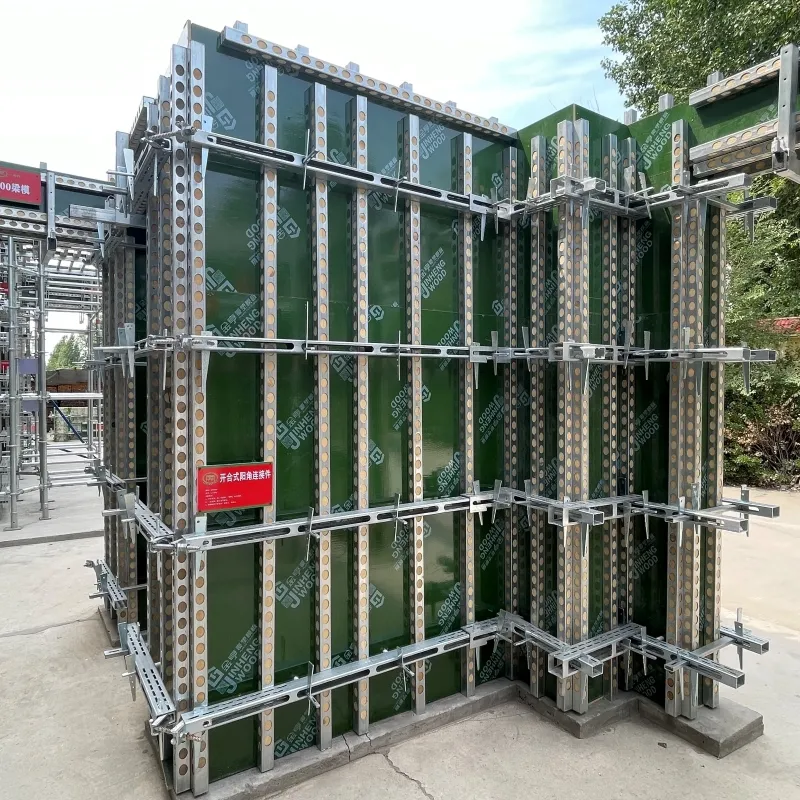
Beyond aesthetics and structural capacity, timber steel offers significant benefits in terms of construction efficiency and environmental impact. The prefabrication of timber frame steel brackets and other composite elements off-site accelerates construction timelines, reduces on-site labor costs, and minimizes disruptions, a critical advantage for time-sensitive projects. This modular approach also enhances quality control, as components are manufactured under controlled factory conditions. Environmentally, the use of timber as a renewable resource, coupled with steel's high recyclability rate, contributes significantly to a lower embodied carbon footprint compared to traditional concrete and steel-only construction. Moreover, the superior seismic performance of timber steel structures, attributed to the ductility of steel and the resilient nature of timber, provides enhanced safety in earthquake-prone regions. The ability to customize steel timber brackets and connections allows for unique architectural expressions while ensuring optimal structural performance, making timber steel a truly versatile and future-proof material solution for a broad spectrum of demanding applications, from infrastructure to high-rise buildings and specialized industrial frameworks, all benefitting from its integrated strength and sustainable profile.
Selecting the Right Partner: Manufacturer Considerations & Customization Solutions
Choosing the appropriate manufacturer for timber steel components is a critical decision that directly impacts the success, safety, and longevity of any project. A reputable supplier should demonstrate profound expertise in both timber engineering and steel fabrication, evidenced by a robust portfolio of successful hybrid structure projects and a team of certified structural engineers and fabricators. Key criteria for evaluation include adherence to international quality standards such as ISO 9001, relevant material certifications (e.g., CE marking for structural steel, certification for timber products), and a strong commitment to research and development that fosters continuous innovation in composite material design and connection technologies. Furthermore, a manufacturer's capacity for customization is paramount, as timber steel projects often demand bespoke solutions to meet unique architectural visions and specific structural requirements. This includes the ability to design and produce custom timber frame steel brackets for complex geometries, tailor steel sections for optimal load distribution, and integrate various timber types to achieve desired aesthetic and performance outcomes. A reliable partner will engage in a collaborative design process, offering valuable insights from initial concept through detailed engineering, ensuring that the final product is perfectly aligned with project specifications and performance expectations, thereby reducing potential on-site challenges and optimizing construction efficiency.
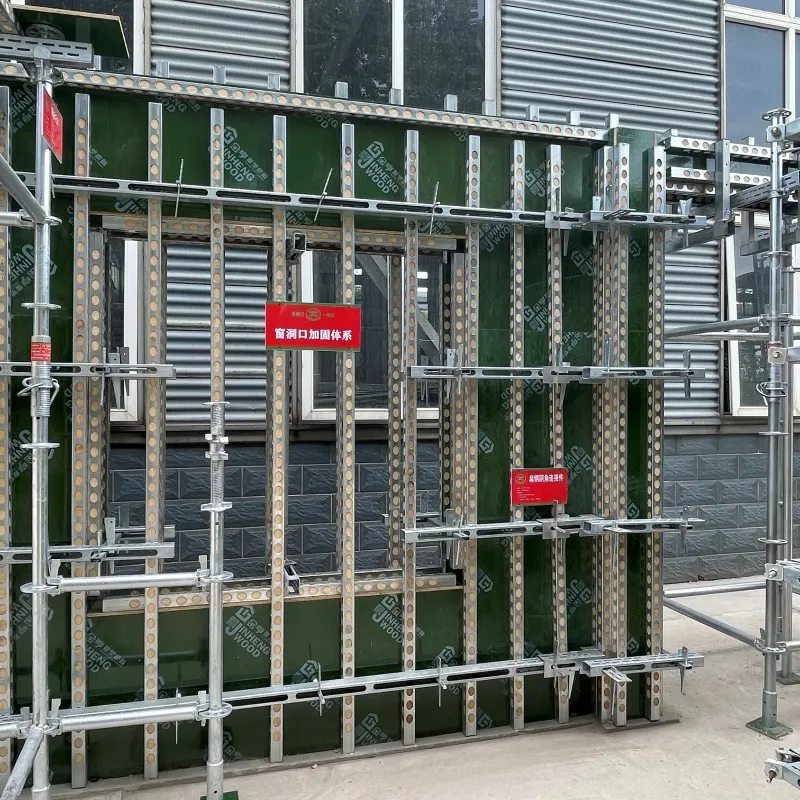
The capability to provide comprehensive support throughout the project lifecycle, from initial design and fabrication to logistics and on-site technical assistance, distinguishes leading timber steel manufacturers. This end-to-end service ensures seamless integration of components and optimal structural performance. For instance, a manufacturer with extensive experience in international logistics can guarantee timely and secure delivery of large, prefabricated timber metal elements to global construction sites, overcoming complex logistical hurdles. Additionally, the availability of detailed technical documentation, installation guides, and ongoing customer support for queries related to maintenance or long-term performance further enhances a manufacturer’s value proposition. Prioritizing partners who demonstrate a proven track record in delivering high-quality, customized timber steel solutions, along with a commitment to long-term client relationships and post-sales support, significantly mitigates project risks and ensures superior outcomes. Collaborating with such a specialist not only streamlines the procurement process but also leverages their deep industry knowledge to unlock the full potential of timber steel composites, resulting in structures that are not only structurally sound but also cost-effective and built to last.
Empirical Evidence: Real-World Applications and Success Stories
The theoretical advantages of timber steel composites are powerfully validated by their successful deployment in a myriad of challenging real-world scenarios, demonstrating their robust performance and adaptability. One notable application involves a large-span industrial warehouse where timber steel trusses were utilized to create a clear span of over 50 meters. This design not only significantly reduced the number of internal columns, maximizing usable floor space, but also accelerated the construction timeline by nearly 25% due to the lightweight and prefabricated nature of the components. The project achieved a 30% reduction in embodied carbon compared to an equivalent steel-only structure, showcasing the environmental benefits. In another instance, a multi-story office building in a seismic zone employed timber steel hybrid frames, leveraging the ductility of steel connections to provide superior seismic resistance while using timber for floor plates and core elements. Post-occupancy evaluations revealed enhanced thermal comfort and reduced operational energy consumption, attributed to timber’s natural insulation properties. These cases underscore the material’s capacity to address complex engineering challenges while delivering on sustainability and efficiency goals, making timber and steel a preferred choice for forward-thinking developers.
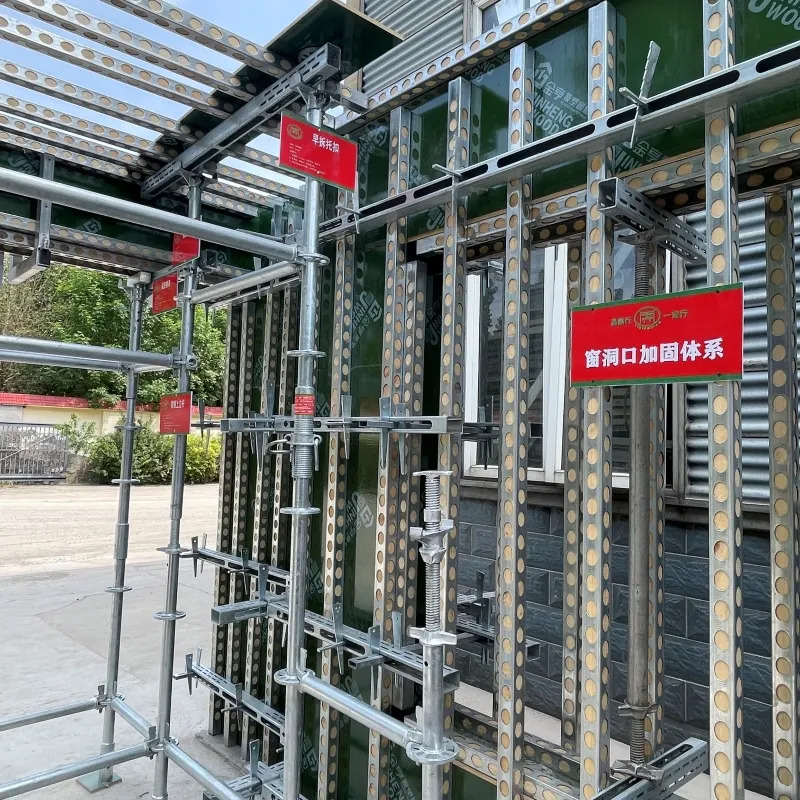
Further testament to the versatility and reliability of timber steel lies in its application within highly corrosive industrial environments, such as a specialized chemical processing facility. Here, timber metal beams and columns, featuring marine-grade stainless steel connections and pressure-treated timber, were selected for their exceptional resistance to chemical degradation and moisture, vastly outperforming traditional concrete or standard steel in similar conditions. The facility reported minimal corrosion and maintenance costs over a five-year operational period, validating the material selection and design. Similarly, the construction of a pedestrian bridge across a river involved prefabricated timber frame steel brackets and main timber girders, leading to a remarkably fast on-site assembly phase, minimizing disruption to surrounding ecosystems. The project benefited from the aesthetic integration of natural materials with the structural robustness provided by steel. These diverse application examples firmly establish timber steel as a high-performance, sustainable, and economically viable solution across various sectors, proving its efficacy in meeting stringent performance criteria and delivering long-term value for clients and stakeholders globally, showcasing its robust adaptability to intricate design requirements.
Ensuring Trust and Reliability: Your Questions Answered
Building trust with B2B decision-makers requires transparency, robust support, and clear commitments. Our dedication to quality and client satisfaction is integral to every timber steel solution we provide. We understand that investing in advanced structural materials necessitates comprehensive assurances regarding product performance, logistics, and post-sales service. Our commitment begins with ensuring every timber steel component is manufactured to the highest standards, adhering to strict international certifications like ISO 9001 for quality management and relevant ASTM/ANSI standards for material properties and structural integrity. This rigorous quality control minimizes risks and ensures the long-term reliability of our products. Furthermore, our global logistics network is optimized for timely and secure delivery of components, irrespective of project location. We provide detailed shipping schedules, tracking information, and professional packaging to protect the integrity of the prefabricated timber metal elements during transit. For complex international deliveries, our team assists with customs documentation and regulatory compliance, streamlining the import process and ensuring on-schedule project progression. Our goal is to provide a seamless procurement experience from initial inquiry to final installation, reinforcing confidence in our capabilities and dedication to client success.
Frequently Asked Questions (FAQ)
- What are the primary benefits of timber steel composites?
Timber steel composites offer a unique blend of high strength-to-weight ratio, excellent thermal performance, superior fire resistance compared to unprotected steel, accelerated construction timelines due to prefabrication, and significant environmental benefits through the use of renewable and recyclable materials. They also provide aesthetic versatility, combining the warmth of timber with the sleekness of steel. - How does timber steel perform in terms of fire resistance?
While steel can lose strength at elevated temperatures, timber chars at a predictable rate, forming an insulating layer that protects the inner core and maintains structural capacity for extended periods. This synergistic behavior often results in a higher fire resistance rating for timber steel hybrid structures compared to standalone steel structures, contributing to enhanced building safety. - What is the typical lead time for timber steel components?
Lead times vary depending on project complexity, component size, and order volume. For standard components, typical lead times range from 4-8 weeks from confirmed design to factory gate. For highly customized timber frame steel brackets or large-scale projects, specific timelines are provided based on detailed project planning, but our emphasis on prefabrication significantly reduces overall construction schedules compared to traditional methods. - What warranty terms do you offer for timber steel products?
We stand by the quality of our timber steel products with comprehensive warranty terms covering manufacturing defects and material integrity. Standard warranties typically extend for 10-20 years, depending on the specific product and application, with options for extended coverage. Full details are provided with each quotation and contract, ensuring peace of mind for our clients. - Do you offer post-installation support and technical assistance?
Yes, our commitment to client success extends beyond delivery. We provide extensive post-installation support, including technical guidance for assembly, maintenance recommendations, and troubleshooting assistance. Our team of experienced engineers is available for consultation, ensuring optimal performance and longevity of your timber steel structure.
Our dedication to comprehensive customer support ensures that every client receives the necessary technical guidance and assistance throughout the entire project lifecycle. This includes providing detailed engineering drawings, installation manuals, and on-site technical supervision when required. By maintaining strong communication channels and offering proactive problem-solving, we aim to be more than just a supplier; we strive to be a reliable partner in your success. Our long-standing relationships with leading architectural and engineering firms, coupled with numerous successful project completions globally, further attest to our reliability and commitment to delivering exceptional timber steel solutions. This robust framework of support and quality assurance underpins our promise of delivering not just products, but complete, reliable, and high-performance structural systems, enhancing user trust.
The Future Landscape of Hybrid Construction
As the global construction industry increasingly prioritizes sustainability, efficiency, and resilience, timber steel composites are poised to become an even more dominant force in the future of building and infrastructure development. The intrinsic advantages of combining renewable timber with recyclable steel address critical challenges related to climate change, resource depletion, and the demand for high-performance structures capable of withstanding extreme conditions. Innovations in material science, advanced manufacturing techniques, and sophisticated connection systems continue to expand the possibilities for timber steel applications, pushing the boundaries of what is achievable in hybrid construction. Future developments are likely to focus on integrating smart technologies within timber metal components for enhanced monitoring and predictive maintenance, further optimizing their operational lifespan and performance. The growing awareness of embodied carbon and life cycle assessments in construction will further accelerate the adoption of materials like timber steel, which offer a significantly lower environmental impact compared to traditional concrete and steel-intensive methods. This evolution represents a paradigm shift towards truly sustainable and high-performance building solutions.
Moreover, the aesthetic appeal and biophilic qualities of exposed timber, seamlessly integrated with the strength and precision of steel timber brackets and beams, will continue to drive its use in architecturally significant projects, creating spaces that are both functional and inspiring. As regulatory frameworks evolve to support greener construction practices and design software becomes more adept at modeling complex hybrid structures, the design and construction processes for timber steel projects will become even more streamlined and cost-effective. The ongoing research into improving fire resistance, acoustic performance, and long-term durability of timber frame steel brackets and composite assemblies ensures that this material will remain at the forefront of innovation. By embracing timber steel, industries are not just selecting a construction material; they are investing in a future where structures are more resilient, environmentally responsible, and economically viable, setting new standards for the built environment globally.
References
- Brandner, R., Ringhofer, A., & Schickhofer, G. (2018). Multi-storey timber buildings and hybrid timber-concrete-steel structures. Engineering Structures, 171, 107-124.
- Buchanan, A. H., & De La Roche, C. (2017). Fire performance of timber structures. Fire Safety Journal, 93, 1-13.
- Frangi, A., Fontana, M., Hugi, E., & Juillerat, M. (2013). Fire resistance of timber-concrete composite floors. Journal of Structural Engineering, 139(2), 273-282.
- Kropiunigg, M. (2014). Hybrid Timber-Steel Structures. Procedia Engineering, 82, 337-344.
- Schmidt, J., & Fink, G. (2018). Embodied energy and carbon in timber buildings: A review. Energy and Buildings, 171, 172-181.
-
Comprehensive Guide to Scaffolding Rods for Safe Construction PracticesNewsFeb.24,2026
-
Comprehensive Guide to Different Types of Scaffolding for Construction ProjectsNewsFeb.11,2026
-
The Crucial Role and Safe Use of Scaffolding in Modern Construction ProjectsNewsJan.30,2026
-
Maximize Productivity and Safety with a Versatile 7m Scaffold TowerNewsJan.27,2026
-
6m Scaffold Tower: A Comprehensive Guide for B2B BuyersNewsJan.26,2026
-
6ft Scaffold: Durability and Safety in ConstructionNewsJan.25,2026
-
6 Scaffolding: A Modern Construction SolutionNewsJan.24,2026