
Rebar Concrete Cover: Durable Spacers for Optimal Protection
The Indispensable Role of Concrete Cover for Rebar in Modern Construction
In the dynamic world of civil engineering and construction, the longevity and structural integrity of reinforced concrete structures hinge on a multitude of factors, not least of which is the provision of adequate concrete cover for the embedded reinforcing steel. This critical element, often underestimated, acts as the primary defense mechanism protecting the steel reinforcement from corrosive agents, ensuring the structure’s designed lifespan and performance. Without precise and consistent concrete cover, even the most robust structural designs can succumb prematurely to environmental degradation, leading to costly repairs and potential safety hazards. This comprehensive guide delves into the nuances of concrete cover for rebar, exploring its technical parameters, manufacturing excellence, diverse applications, and the authoritative standards that govern its use, providing insights essential for B2B stakeholders in the construction sector.
The concept of concrete cover refers to the thickness of concrete between the outer surface of the reinforcing bar (rebar) and the exposed surface of the concrete member. Its importance cannot be overstated. A sufficient cover thickness provides a protective alkaline environment for the rebar, fostering a passive film on the steel surface that prevents corrosion. When this cover is insufficient, or when its quality is compromised, external aggressive substances like carbon dioxide, chlorides, and moisture can permeate the concrete matrix, reach the rebar, and initiate corrosion. This process, known as depassivation, leads to the formation of rust, which occupies a larger volume than the original steel, inducing tensile stresses within the concrete. These stresses eventually cause cracking, spalling (flaking off of concrete), and ultimately, a reduction in the load-bearing capacity and ductility of the structure. Effective concrete cover for rebar is therefore not merely a compliance issue but a fundamental requirement for long-term structural integrity and economic sustainability.
Industry Trends and the Evolution of Reinforcement Accessories
The construction industry is constantly evolving, driven by demands for greater efficiency, sustainability, and durability. This trend extends directly to reinforcement accessories, including spacers and chairs designed to ensure optimal concrete cover for rebar. Historically, construction often relied on improvised methods like broken bricks or stones to maintain rebar position, leading to inconsistent cover and compromised structural longevity. Modern practices, however, mandate the use of precisely manufactured accessories. The market is witnessing a shift towards high-performance engineered plastics (such as HDPE and PP) and fiber-reinforced concrete spacers, which offer superior mechanical properties, chemical resistance, and environmental benefits compared to older materials.
The increasing complexity of architectural designs and structural demands necessitates specialized reinforcing bar positioners. These are not just simple spacers but engineered components designed for specific applications, such as large-diameter rebars, heavy-duty load-bearing, or challenging environmental conditions. Innovations also include integrated clips and interlocking designs for easier and more secure installation, reducing on-site labor and improving accuracy. Furthermore, digital construction and Building Information Modeling (BIM) are driving the demand for standardized, dimensionally accurate accessories that can be easily specified and integrated into digital workflows, contributing to overall project efficiency.
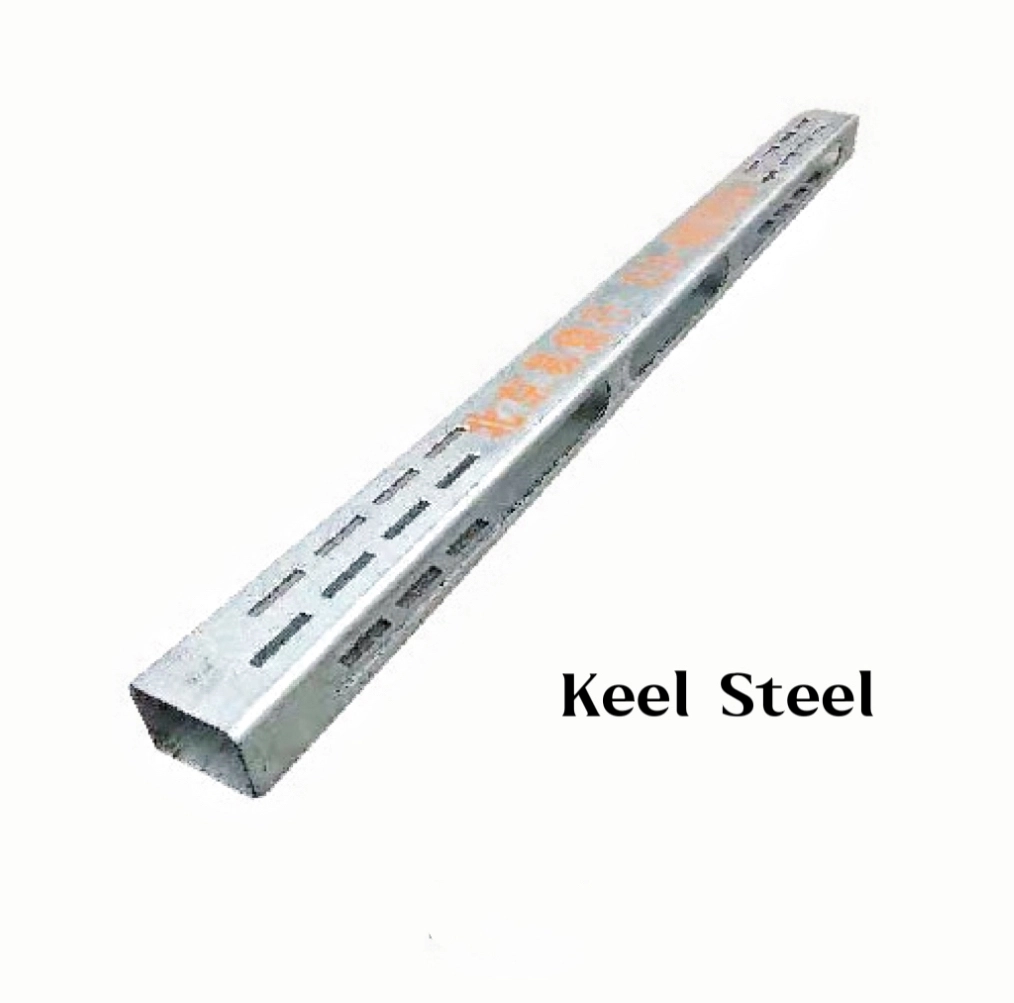
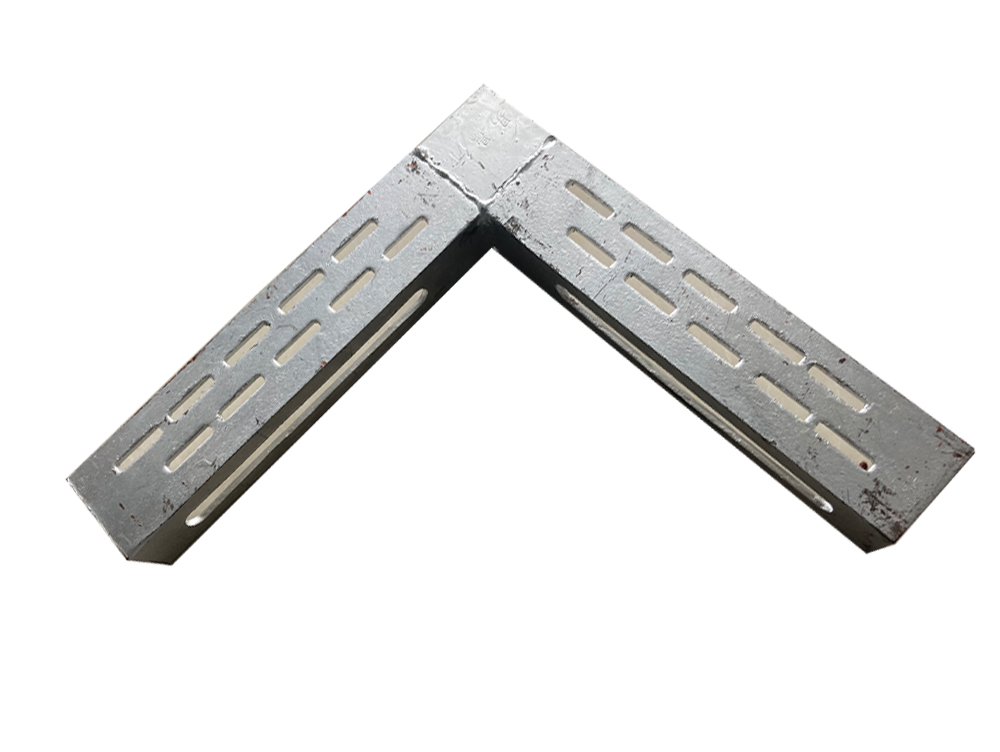
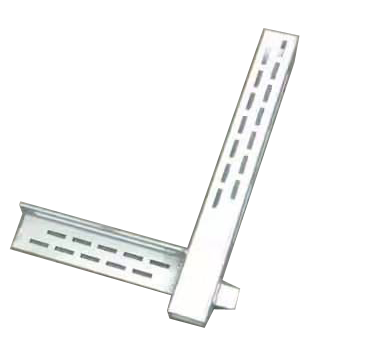
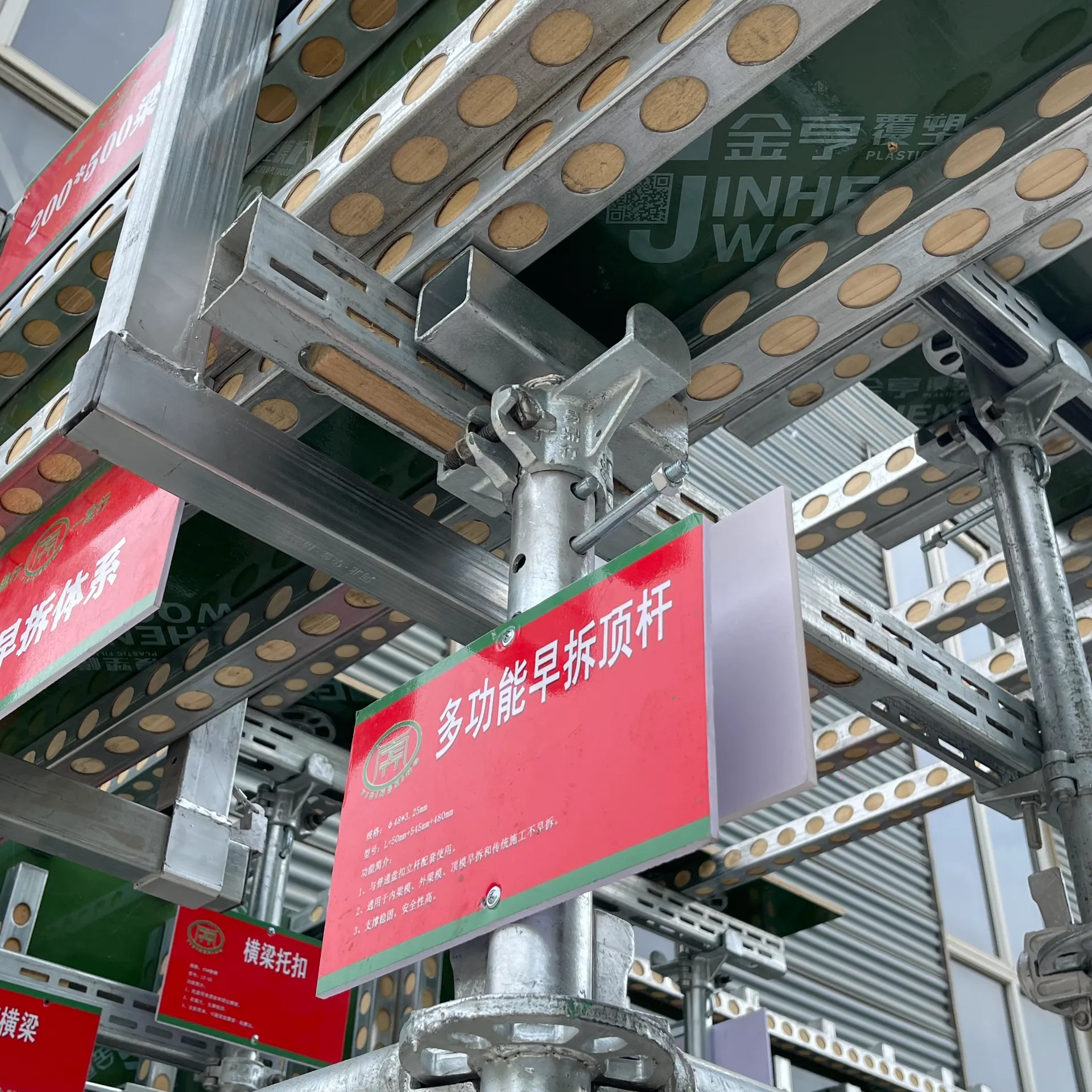
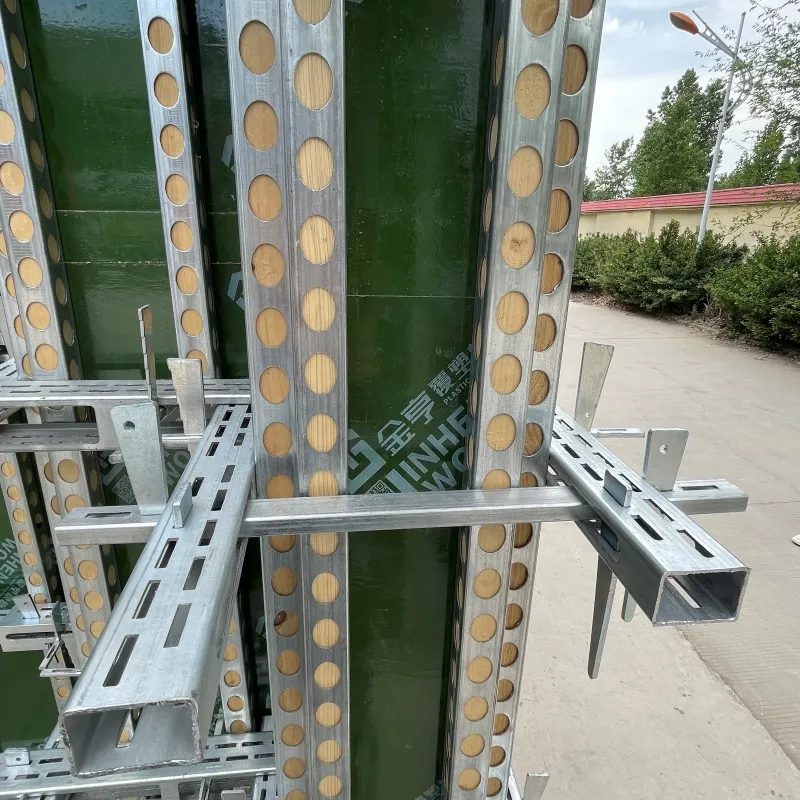
While our primary focus is on accessories for concrete cover for rebar, it's worth noting the broader ecosystem of construction support components. Products like slotted angle steel and rack slotted angle are fundamental in creating robust frameworks, shelving, and support structures on construction sites, offering versatile solutions for temporary and permanent installations. This interconnectedness highlights the importance of a comprehensive approach to construction materials, where each component, no matter how small, plays a vital role in the overall success and safety of a project.
Understanding Concrete Cover for Rebar Technology & Parameters
Achieving the specified concrete cover for rebar requires a precise understanding of various technical parameters and the types of accessories available. The design cover thickness is determined by several factors, including the type of structural element (e.g., slab, beam, column), the exposure class of the concrete (e.g., dry, humid, marine, aggressive chemical environment), and the required fire resistance. International standards such as ACI 318 (Building Code Requirements for Structural Concrete), Eurocode 2 (Design of Concrete Structures), and BS 8500 (Concrete – Complementary British Standard to BS EN 206) provide detailed guidelines on minimum cover requirements for different scenarios.
The accessories used to maintain this cover are broadly categorized into three types:
- Plastic Spacers/Chairs: Manufactured from recycled or virgin high-density polyethylene (HDPE) or polypropylene (PP). They are lightweight, non-corrosive, and come in various shapes (wheel, bar, block, clip-on) and sizes, suitable for diverse applications. Their non-absorbent nature prevents rust stains on exposed concrete surfaces.
- Fiber Concrete Spacers: Made from high-strength concrete with embedded fibers, these spacers offer excellent compatibility with the surrounding concrete, minimizing differential shrinkage and thermal expansion. They are highly durable, fire-resistant, and ideal for heavy-duty applications or where appearance is critical.
- Wire Spacers/Chairs: Typically made from galvanized or stainless steel wire, these are strong and stable, often used for heavy reinforcement cages in beams and foundations. Their open design allows for good concrete flow.
Key parameters for selecting the appropriate accessories include: the specified cover height, the diameter of the rebar, the weight of the reinforcement cage, the type of formwork, and the method of concrete placement (e.g., pumping, vibratory compaction). For instance, an accessory designed for a 20mm cover must precisely maintain that 20mm distance. Its compressive strength must be sufficient to bear the weight of the rebar and the dynamic forces during concrete pouring without deformation. Environmental resistance, such as UV stability for plastic spacers in outdoor storage or chemical resistance in industrial applications, is also paramount.
Typical Specifications for Concrete Cover Accessories
Note: Actual product specifications may vary by manufacturer and specific product model. Always refer to product datasheets for precise details.
The Manufacturing Process of High-Quality Concrete Cover for Rebar Accessories
The production of reliable accessories for concrete cover for rebar is a meticulous process demanding precision, quality control, and adherence to stringent international standards. Our manufacturing philosophy centers on delivering products that not only meet but exceed the industry's expectations for durability, performance, and sustainability. The process typically involves several key stages, from raw material selection to final quality inspection.
1. Material Selection
- For Plastic Spacers: We primarily utilize high-grade virgin or recycled HDPE (High-Density Polyethylene) and PP (Polypropylene) resins. These materials are chosen for their excellent chemical resistance, high impact strength, and dimensional stability. Recycled content is maximized where performance is not compromised, aligning with sustainable construction practices.
- For Fiber Concrete Spacers: A specialized mix of high-strength cement, aggregates, and alkali-resistant glass or synthetic fibers is used. This ensures compatibility with the surrounding concrete and provides enhanced crack resistance and structural integrity.
2. Manufacturing Processes
- Injection Molding (for Plastic Spacers): This is the predominant method for plastic accessories. Granulated plastic resins are melted and injected under high pressure into precisely engineered molds. This process ensures high accuracy in dimensions, consistent quality, and efficient mass production. Our state-of-the-art CNC machining for mold creation guarantees intricate designs and minimal tolerances.
- Casting/Vibratory Compaction (for Fiber Concrete Spacers): The specialized concrete mix is cast into molds, followed by vibratory compaction to eliminate air voids and ensure a dense, homogeneous product. Curing is then carefully controlled to achieve optimal strength and durability.
- Wire Forming (for Wire Spacers): High-tensile steel wire is precisely bent and welded into various shapes using automated machinery, ensuring consistent geometry and robust connections.
3. Quality Control & Testing Standards
Our commitment to quality is upheld through rigorous testing at every stage:
- Dimensional Accuracy: Each batch undergoes meticulous checks to ensure the exact specified concrete cover for rebar is maintained. This is critical for preventing issues like reduced service life or structural failure due to inadequate cover.
- Load-Bearing Capacity (Compressive Strength): Spacers are tested under compression to verify they can withstand the weight of rebar cages and the forces encountered during concrete pouring and vibration without collapsing or deforming. This ensures the cover reinforcement remains precisely positioned.
- Material Properties: For plastic spacers, tests include tensile strength, impact resistance, UV resistance (especially for outdoor applications), and chemical resistance to common construction chemicals. For fiber concrete spacers, tests include compressive strength, water absorption, and freeze-thaw resistance.
- Adherence to Standards: Our products are manufactured and tested in accordance with international and national standards such as ISO 9001 (Quality Management Systems), BS 7973 (Spacers for reinforcement), DIN standards, and relevant ASTM and EN norms. This ensures global applicability and trustworthiness.
4. Environmental Considerations & Service Life
We prioritize the environmental footprint of our products. By using recycled materials where feasible and optimizing manufacturing processes to reduce waste and energy consumption, we contribute to more sustainable construction. The design life of our concrete cover for rebar accessories typically matches or exceeds the design life of the concrete structure itself, often ranging from 50 to over 100 years, depending on the material and exposure conditions. This long service life translates directly into reduced lifecycle costs and enhanced structural resilience, particularly in demanding environments like petrochemical facilities, marine structures, and water treatment plants where corrosion is a constant threat.
Application Scenarios and Strategic Advantages of Our Accessories
The precise positioning of rebar using high-quality accessories is fundamental across a wide array of construction sectors, ensuring the longevity and structural integrity of reinforced concrete. Our accessories for concrete cover for rebar are designed to meet the rigorous demands of various industries, providing distinct advantages that translate into superior project outcomes.
Diverse Industry Applications:
- Residential & Commercial Buildings: From high-rise apartment complexes to sprawling office buildings, accurate concrete cover for rebar is crucial for preventing cracking and spalling, ensuring the aesthetic appeal and structural safety over decades.
- Infrastructure Projects: Bridges, tunnels, highways, and dams are constantly exposed to varying environmental conditions. Our durable reinforcing bar positioners ensure that critical infrastructure elements maintain their integrity against moisture, chlorides, and temperature fluctuations, extending their operational life and reducing maintenance costs.
- Marine Structures: Piers, jetties, sea walls, and offshore platforms face the most aggressive environments due to constant exposure to saltwater and tidal actions. Specialized spacers, particularly those made from fiber concrete or corrosion-resistant plastics, are vital for providing superior cover reinforcement and preventing chloride-induced corrosion, which is rampant in marine settings.
- Industrial Facilities (Petrochemical, Metallurgical, Water Treatment): These sectors often involve exposure to harsh chemicals, extreme temperatures, and heavy loads. Our accessories contribute to the robust design of foundations, containment areas, and process structures by ensuring the rebar is adequately protected against chemical attack and mechanical stress, leading to enhanced safety and reduced downtime.
- Precast Concrete Elements: In a controlled factory environment, precision is paramount. Our spacers facilitate the creation of high-quality precast beams, columns, slabs, and wall panels, where consistent cover is easily achieved, contributing to faster on-site assembly and reduced labor.
Technical Advantages of Our Accessories:
- Enhanced Durability & Corrosion Protection: By maintaining precise concrete cover for rebar, our accessories create an optimal environment for the passivation layer on the steel, significantly extending the structure’s life and resisting carbonation and chloride ingress. This prevents premature deterioration and costly repairs.
- Superior Material Properties: Crafted from robust HDPE, PP, or high-strength fiber concrete, our products exhibit exceptional resistance to environmental degradation, UV radiation, and chemical exposure, ensuring their integrity throughout the concrete's lifespan.
- Precision Engineering & Consistent Cover: Our manufacturing processes, utilizing advanced injection molding and casting techniques, guarantee dimensional accuracy. This consistency eliminates variations in cover thickness, a common cause of structural vulnerabilities.
- Ease and Security of Installation: Designed for efficient use, our spacers feature user-friendly clips and secure-fit designs that expedite the placement of rebar cages, reducing installation time and labor costs. Their stable design prevents displacement during concrete pouring and vibration.
- Cost-Effectiveness & Sustainability: By preventing rebar corrosion and ensuring the longevity of structures, our accessories lead to significant long-term cost savings by minimizing the need for maintenance, rehabilitation, or early replacement. Furthermore, our use of recycled materials supports green building initiatives and reduces environmental impact.
- Optimized Concrete Flow: The design of our spacers allows for unobstructed concrete flow around the rebar, minimizing the risk of honeycombing and ensuring full compaction, which is vital for achieving the concrete's designed strength and impermeability.
Manufacturer Comparison & Selection Criteria
Choosing the right supplier for concrete cover for rebar accessories is as crucial as selecting the right materials for the concrete itself. The market offers numerous manufacturers, each with varying capabilities and product qualities. For B2B decision-makers, a thorough evaluation based on specific criteria is essential to ensure consistent quality, reliability, and long-term project success.
Key Evaluation Criteria for Suppliers:
- Quality & Compliance: Verify the manufacturer's adherence to international standards (e.g., ISO 9001 for quality management, specific product standards like BS 7973 or EN 13393). Request product datasheets and test reports demonstrating dimensional accuracy, compressive strength, and material durability. Companies with a robust internal QC system and third-party certifications are preferable.
- Material Expertise: A good supplier should have deep knowledge of material science for both plastics and concrete, capable of advising on the best material for specific exposure classes and structural requirements. This includes understanding the longevity and environmental impact of the chosen materials for reinforcing bar positioners.
- Product Range & Customization: Does the supplier offer a comprehensive range of concrete cover for rebar accessories for various cover heights, rebar diameters, and applications (vertical, horizontal, precast)? The ability to provide customized solutions for unique project demands is a significant advantage.
- Technical Support & Experience: A reputable manufacturer provides expert technical support, including assistance with product selection, application guidance, and problem-solving on-site. Longevity in the industry and a proven track record of successful projects indicate reliability and experience in cover reinforcement.
- Supply Chain & Delivery Reliability: Timely delivery is critical for project schedules. Assess the manufacturer's production capacity, logistics capabilities, and ability to meet demand spikes. A transparent delivery schedule and commitment to lead times are vital.
- Cost-Effectiveness vs. Price: While price is a factor, focus on the overall value proposition. High-quality accessories that prevent future corrosion and structural issues offer significant long-term savings compared to cheaper, inferior products that might lead to costly rework or premature structural failure.
Our Differentiating Strengths:
With over two decades of experience in manufacturing and supplying premium construction accessories, our company stands out through:
- Unwavering Quality Assurance: We hold ISO 9001 certification and implement multi-stage quality checks, from raw material inspection to finished product testing, ensuring every accessory meets global performance benchmarks for concrete cover for rebar.
- Extensive Product Portfolio: We offer one of the most comprehensive ranges of spacers, chairs, and specialized reinforcing bar positioners, catering to all rebar diameters and cover heights, including solutions for demanding projects. Our offerings seamlessly integrate with other formwork components, including robust support systems like slotted angle steel for temporary structures.
- Customization & Innovation: Our in-house R&D team and manufacturing flexibility allow us to develop bespoke concrete cover for rebar solutions for unique project specifications, leveraging advanced material formulations and design geometries.
- Dedicated Technical Partnership: Beyond sales, we act as a technical partner, offering consultations, site visits, and comprehensive support to optimize the selection and application of our accessories, guaranteeing optimal cover reinforcement.
- Reliable Global Logistics: With established logistics networks, we ensure timely and efficient delivery to project sites worldwide, minimizing delays and maintaining project momentum.
Customization and Bespoke Solutions for Concrete Cover for Rebar
While standard off-the-shelf concrete cover for rebar accessories fulfill most project requirements, complex or highly specialized construction endeavors often demand bespoke solutions. This is particularly true for mega-projects, structures in extreme environments, or those with unique architectural designs that necessitate non-standard cover depths, specific material properties, or integrated functionalities. Recognizing this need, we excel in providing tailored accessories that precisely match the unique demands of each project.
Our Customization Capabilities Include:
- Non-Standard Cover Heights: For projects requiring very specific or unusually deep concrete cover for rebar (e.g., critical infrastructure in highly corrosive zones), we can design and manufacture spacers to exact millimeter specifications.
- Specialized Material Formulations: Beyond standard HDPE, PP, and fiber concrete, we can explore custom material compounds for enhanced properties such as extreme temperature resistance, increased chemical inertness (e.g., against specific industrial effluents), or greater UV stability for prolonged exposure. This is crucial for applications where typical cover reinforcement may not suffice.
- Unique Geometries and Interlocking Designs: For intricate rebar cage configurations or prefabrication processes, we can engineer custom geometries for reinforcing bar positioners that offer superior stability, faster assembly, or specialized interlocking mechanisms for large-scale modular construction.
- Integrated Functionalities: This might include spacers with integrated rebar clips for rapid attachment, designs for multi-layer reinforcement, or accessories optimized for automated rebar placement systems.
- Load-Bearing Optimization: For structures with exceptionally heavy reinforcement cages, we can design spacers with higher compressive strengths and broader base areas to distribute loads effectively and prevent puncturing of waterproofing membranes.
Our customization process begins with a detailed consultation to understand the project’s specific challenges and technical requirements. Our engineering team utilizes advanced CAD/CAM software for design and simulation, followed by rapid prototyping and rigorous testing to ensure the bespoke solution performs precisely as intended. This collaborative approach ensures that our customized accessories for concrete cover for rebar integrate seamlessly into your project, delivering optimized performance and long-term reliability.
Real-World Application Cases & Success Stories
Our track record of successful collaborations with leading construction firms globally underscores the impact of high-quality concrete cover for rebar accessories. These case studies highlight how precise cover reinforcement translates into enhanced durability, extended service life, and significant cost savings.
Case Study 1: High-Rise Residential Tower in Coastal City
- Challenge: Constructing a 50-story residential tower in a coastal urban environment, susceptible to high humidity and chloride ingress from sea spray. The client required a minimum design life of 100 years.
- Solution: We supplied a combination of our high-grade HDPE wheel and bar spacers for columns and beams, along with fiber concrete block spacers for critical slab sections. Our reinforcing bar positioners ensured a consistent 50mm concrete cover for rebar throughout the structure.
- Outcome: Post-construction covermeter surveys confirmed precise cover accuracy (within ±2mm of specification). The project was completed on schedule, and the use of robust, non-corrosive spacers significantly reduced the risk of premature concrete deterioration, ensuring the building's long-term resilience against environmental factors. The client reported excellent workability and speed of rebar cage assembly.
Case Study 2: Major Highway Bridge Expansion Project
- Challenge: Expanding a critical highway bridge, requiring high-strength concrete and exceptional durability against de-icing salts and freeze-thaw cycles. The sheer volume and complexity of the rebar cages for the bridge decks and piers demanded extremely reliable concrete cover for rebar solutions.
- Solution: We provided heavy-duty, interlocking fiber concrete spacers and specially designed wire chairs capable of supporting substantial rebar loads for the bridge's main structural elements. Our technical team collaborated closely with the engineers to optimize placement strategies.
- Outcome: The consistent cover reinforcement achieved significantly enhanced the concrete's resistance to chloride penetration, extending the bridge's projected service life by decades. The stability of our spacers minimized rebar displacement during concrete pouring, crucial for maintaining structural integrity in a high-stress environment. The project benefited from reduced re-work, attributed to the precise positioning provided by our robust accessories.
Case Study 3: Industrial Wastewater Treatment Plant
- Challenge: Constructing concrete containment tanks and treatment basins exposed to various corrosive chemicals and continuous moisture. Maintaining optimal concrete cover for rebar was paramount to prevent chemical attack and ensure the integrity of the structures.
- Solution: We supplied custom-designed, chemical-resistant PP (polypropylene) spacers that offered enhanced inertness to the specific chemicals present in the wastewater. These specialized reinforcing bar positioners were selected for their non-absorbent properties and ability to withstand aggressive environments.
- Outcome: The project successfully met stringent environmental and durability specifications. The precise cover reinforcement provided by our chemical-resistant spacers ensured the longevity of the concrete structures, minimizing the risk of rebar corrosion and subsequent concrete degradation. This proactive approach led to significant operational savings by avoiding premature structural failures and costly rehabilitation.
Ensuring Trustworthiness: FAQs, Delivery, & Warranty
As a trusted partner in the B2B construction sector, we believe in complete transparency and unwavering commitment to customer satisfaction. Our dedication extends beyond product quality to encompass reliable logistics, comprehensive support, and clear guarantees, building the foundation for long-term partnerships.
Frequently Asked Questions (FAQs) about Concrete Cover for Rebar:
- Q1: Why is accurate concrete cover so important?
A1: Accurate concrete cover for rebar is crucial for protecting the steel reinforcement from corrosion, which is caused by the ingress of moisture, carbon dioxide, and chlorides. Insufficient cover leads to premature deterioration, spalling, and reduces the structural lifespan and safety. It ensures the steel remains in a passive, alkaline environment. - Q2: What materials are your spacers made from?
A2: Our range includes high-grade HDPE (High-Density Polyethylene) and PP (Polypropylene) for plastic spacers, and high-strength fiber-reinforced concrete for concrete spacers. We also offer wire spacers made from galvanized or stainless steel, ensuring a suitable product for every application and environmental condition. - Q3: How do your accessories ensure precise reinforcing bar positioners?
A3: Our accessories are manufactured using precision injection molding (for plastic) or controlled casting (for concrete), ensuring exact dimensional accuracy. Their design incorporates stable bases and secure rebar gripping mechanisms to prevent displacement during rebar cage assembly and concrete pouring, thereby guaranteeing the specified cover reinforcement. - Q4: Are your products compliant with international standards?
A4: Yes, all our products are manufactured and tested in strict adherence to relevant international standards, including ISO 9001 for quality management, BS 7973 for concrete spacers, and other applicable ASTM and EN standards. We provide certification and test reports upon request. - Q5: Can you provide custom solutions for specific project needs?
A5: Absolutely. We have extensive experience in designing and manufacturing customized concrete cover for rebar accessories for unique project requirements, including non-standard cover heights, specialized material properties, or bespoke geometries. Contact our technical team for a consultation.
Delivery Schedule & Logistics:
We understand the critical importance of timely delivery in construction projects. Our robust supply chain and logistics team are committed to providing efficient and reliable delivery services. Standard lead times for common products typically range from 5-10 business days, depending on order volume and destination. For large-scale projects or custom orders, we work closely with clients to establish realistic and achievable delivery schedules, often offering phased deliveries to align with construction progress. Our global distribution network ensures that your concrete cover for rebar accessories reach your site precisely when needed, minimizing project delays.
Quality Assurance & Warranty Commitment:
Our confidence in the superior quality and performance of our Accessories for concrete cover for rebar is backed by a comprehensive warranty. We warrant that our products are free from defects in material and workmanship and will perform as per our published specifications under normal use and service conditions for their designed lifespan. In the unlikely event of any manufacturing defect, we commit to prompt investigation and appropriate corrective action. Our dedicated customer support team is available to assist with any inquiries, technical guidance, or after-sales support, ensuring a seamless experience from order placement to project completion.
Conclusion
The integrity of reinforced concrete structures, from sprawling infrastructure to towering skyscrapers, fundamentally relies on the precise and consistent provision of concrete cover for rebar. This seemingly minor detail is, in fact, the linchpin of durability, safeguarding the steel reinforcement from the ravages of corrosion and extending the lifespan of the entire structure. Investing in high-quality, technically advanced reinforcing bar positioners and other cover reinforcement accessories is not merely a compliance measure but a strategic decision that delivers tangible benefits in terms of long-term performance, reduced maintenance costs, and enhanced safety.
As a leading manufacturer, we are committed to providing superior accessories for concrete cover for rebar that embody precision engineering, robust materials, and uncompromised quality. Our extensive product range, coupled with bespoke customization capabilities, ensures that we can meet the most demanding project specifications across diverse industries. By choosing our Accessories, you are not just acquiring products; you are securing a partnership dedicated to elevating the durability and sustainability of your concrete structures. Explore our range of accessories and discover how our commitment to excellence can reinforce your next project's success.
References
- ACI Committee 318. (2019). Building Code Requirements for Structural Concrete (ACI 318-19) and Commentary. American Concrete Institute.
- Eurocode 2: EN 1992-1-1. (2004). Design of concrete structures - Part 1-1: General rules and rules for buildings. European Committee for Standardization.
- British Standards Institution. (2012). BS 8500-1:2012 - Concrete - Complementary British Standard to BS EN 206-1 - Method of specifying and guidance for the specifier. BSI.
- British Standards Institution. (2001). BS 7973-1:2001 - Spacers for reinforcement - Part 1: Product requirements. BSI.
- Mehta, P. K., & Monteiro, P. J. M. (2014). Concrete: Microstructure, Properties, and Materials. McGraw-Hill Education.
- Neville, A. M. (2011). Properties of Concrete. Pearson Education Limited.
- Bentur, A., & Mindess, S. (2007). Fibre Reinforced Cementitious Composites. CRC Press.
- Concrete Society. (2018). TR 58 - The use of plastic spacers for reinforcement. The Concrete Society.
- ASTM C670. (2020). Standard Practice for Preparing Precision and Bias Statements for Test Methods for Construction Materials. ASTM International.
- ISO 9001. (2015). Quality management systems — Requirements. International Organization for Standardization.
Please note that specific standards and regulations may vary by region and project type. Always consult local building codes and engineering specifications.
-
Comprehensive Guide to Scaffolding Rods for Safe Construction PracticesNewsFeb.24,2026
-
Comprehensive Guide to Different Types of Scaffolding for Construction ProjectsNewsFeb.11,2026
-
The Crucial Role and Safe Use of Scaffolding in Modern Construction ProjectsNewsJan.30,2026
-
Maximize Productivity and Safety with a Versatile 7m Scaffold TowerNewsJan.27,2026
-
6m Scaffold Tower: A Comprehensive Guide for B2B BuyersNewsJan.26,2026
-
6ft Scaffold: Durability and Safety in ConstructionNewsJan.25,2026
-
6 Scaffolding: A Modern Construction SolutionNewsJan.24,2026