
Three Types of Scaffolding Explained – Industrial Equipment Insights
Exploring Three Types of Scaffolding: Insights from the Industrial Trenches
Having clocked more than a decade in the industrial equipment sector, I can tell you the scaffolding world is far richer than most outsiders realize. People often picture just one sort of generic scaffold outside a construction site, but frankly, it’s an entire ecosystem — each built for specific purposes and challenges. Oddly enough, some of the best scaffolding systems barely get the spotlight they deserve, even though they’re absolutely vital for safety and efficiency on sites.
Today, let's chat about the three dominant types of scaffolding you’ll encounter in industrial settings: supported scaffolding, suspended scaffolding, and rolling scaffolding. Each one has its unique traits and use cases, and I’ll share a few practical thoughts along the way.
Supported Scaffolding – The Sturdy Workhorse
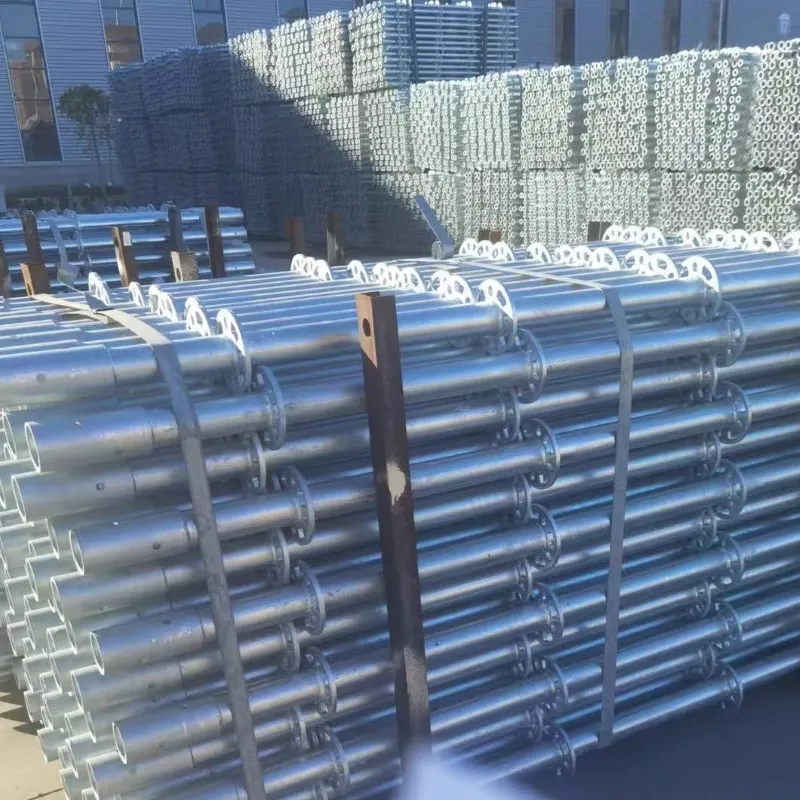
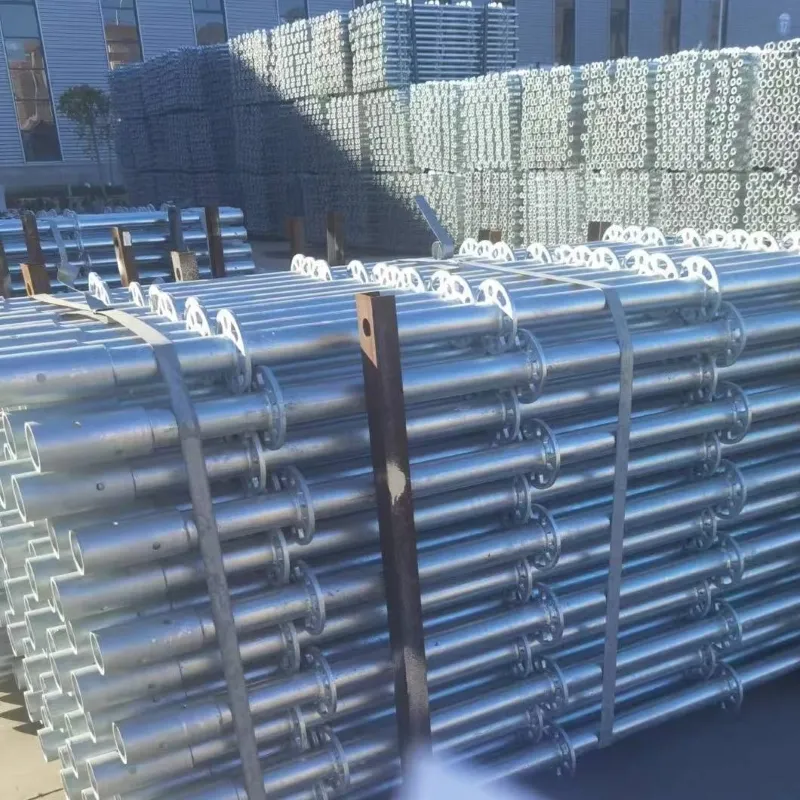
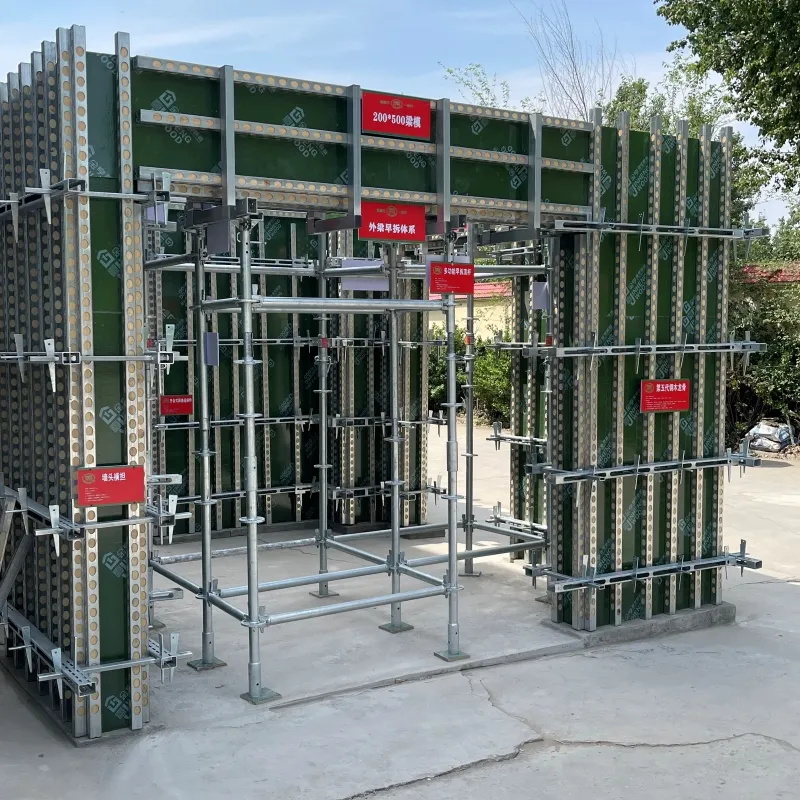
Supported scaffolding is what you probably imagine by default: platforms held up by rigid frames resting on the ground. Simple, reliable, and relatively easy to erect, this style reigns supreme when you need a stable platform to work from upwards of a few meters. What I’ve noticed over the years is how the modular steel or aluminum sections snap together — it’s like industrial LEGO, only heavier and more safety-critical.
Suspended Scaffolding – Hanging in the Balance
Suspended scaffolding is basically a platform hanging by cables or ropes from above — think window washers on skyscrapers. It requires more planning and safety considerations but offers unmatched access to hard-to-reach vertical surfaces. One memorable project I was part of involved repairing a historic refinery section where ground-supported scaffolding was out of the question due to uneven terrain. Suspended served as the elegant, if nerve-inducing, solution.
Rolling Scaffolding – The Agile Solution
Rolling scaffolds are essentially supported scaffolds on wheels. Their key allure? Mobility. When you’re patching a long pipe run or working inside a large warehouse, being able to move your platform quickly instead of dismantling and rebuilding saves hours — sometimes full shifts. Of course, the wheels lock down solid for safety, but having that flexibility is a game-changer.
A Quick Dive into Key Specs
| Scaffolding Type | Max Height | Primary Material | Typical Use Case | Mobility |
|---|---|---|---|---|
| Supported | Up to 60 ft | Steel/Aluminum Frames | General platforms & construction | Stationary |
| Suspended | Over 100 ft (depending on rigging) | Steel platform, wire ropes | Facade work, high elevations | Mobile (vertical only) |
| Rolling | Up to 20 ft | Lightweight Steel/Aluminum | Indoor maintenance, warehouses | Wheeled mobility |
Choosing the Right Vendor – A Quick Comparison
Selecting the right scaffolding supplier can be tricky. Here’s a quick vendor comparison I’ve gathered through years of partnerships and research — because the hardware means little if the support and customization aren’t up to scratch.
| Vendor | Product Range | Customization | Safety Certifications | Lead Time |
|---|---|---|---|---|
| Formwork Reinforced | Wide: supported, suspended, rolling | High – tailored designs | OSHA, EN Standards | 2–3 weeks |
| BuildWell Inc. | Mostly supported scaffolds | Medium | ANSI Certified | 3–4 weeks |
| SkyLine Gear | Specializes in suspended scaffolding | Low | CE Marked | 4–6 weeks |
One thing I appreciate about vendors like Formwork Reinforced is their attention to detailed customization. It’s rare to find suppliers ready to tweak scaffolding designs to such a degree without turning the clock back weeks. Plus, their compliance with OSHA and European standards gives you peace of mind in real terms.
From my field experience, no scaffold is “one size fits all.” Safety, site conditions, and project scope all dictate the best approach. Choosing inefficient scaffolding setups is often a costly mistake that only shows itself later when delays or accidents occur — so it pays dividends to get it right upfront.
It’s a small but wise investment that often gets overlooked — a lesson reinforced time and again.
References:
1. OSHA Scaffold Safety Guidelines
2. EN 12811 - Performance requirements of scaffolds
3. Industry case study, historic refinery repair, 2018
-
Comprehensive Guide to Scaffolding Rods for Safe Construction PracticesNewsFeb.24,2026
-
Comprehensive Guide to Different Types of Scaffolding for Construction ProjectsNewsFeb.11,2026
-
The Crucial Role and Safe Use of Scaffolding in Modern Construction ProjectsNewsJan.30,2026
-
Maximize Productivity and Safety with a Versatile 7m Scaffold TowerNewsJan.27,2026
-
6m Scaffold Tower: A Comprehensive Guide for B2B BuyersNewsJan.26,2026
-
6ft Scaffold: Durability and Safety in ConstructionNewsJan.25,2026
-
6 Scaffolding: A Modern Construction SolutionNewsJan.24,2026