
Structural Floor Slab: Durable, Sustainable, and Innovative Building Foundations
Unlocking the Power of the Structural Floor Slab: More Than Just Concrete
At first glance, a structural floor slab might seem like just another piece of the building puzzle — a flat, sturdy surface to stand on. But it really is the silent backbone of everything from high-rise offices to eco-friendly homes, industrial complexes, and humanitarian shelters. Understanding the structural floor slab isn’t merely academic; it’s about recognizing how we shape our physical world safely, efficiently, and sustainably.
Globally, rapid urbanization, population growth, and the rising need for resilient infrastructure thrust the significance of structural floor slabs into the spotlight. According to the United Nations, by 2050, nearly 70% of the world’s population will live in urban areas — places where proper floor slab design directs everything from safety to energy efficiency. Grasping how these slabs function pays dividends in construction quality, cost control, and environmental impact.
The Global Context: Why Structural Floor Slabs Matter Today
Look around the world and the data tells a story: urban infrastructure is expanding like never before. The construction industry is one of the largest global consumers of resources and energy. Behind the curtain of skyscrapers and sprawling malls lies the humble structural floor slab, responsible for load distribution, stability, fire resistance, and even thermal performance.
Just as the World Bank highlights investments in resilient infrastructure as critical for climate adaptation, structural floor slabs are pivotal components in that resilience. Without reliable slabs, buildings risk structural failure under natural hazards — a dire reality for vulnerable communities worldwide. Hence, innovations in slab technology aren’t merely about better buildings; they’re about saving lives and preserving dignity.
Mini takeaway: Structural floor slabs aren’t just structural elements; they’re enablers of safe, durable, and sustainable environments globally.
What Exactly Is a Structural Floor Slab?
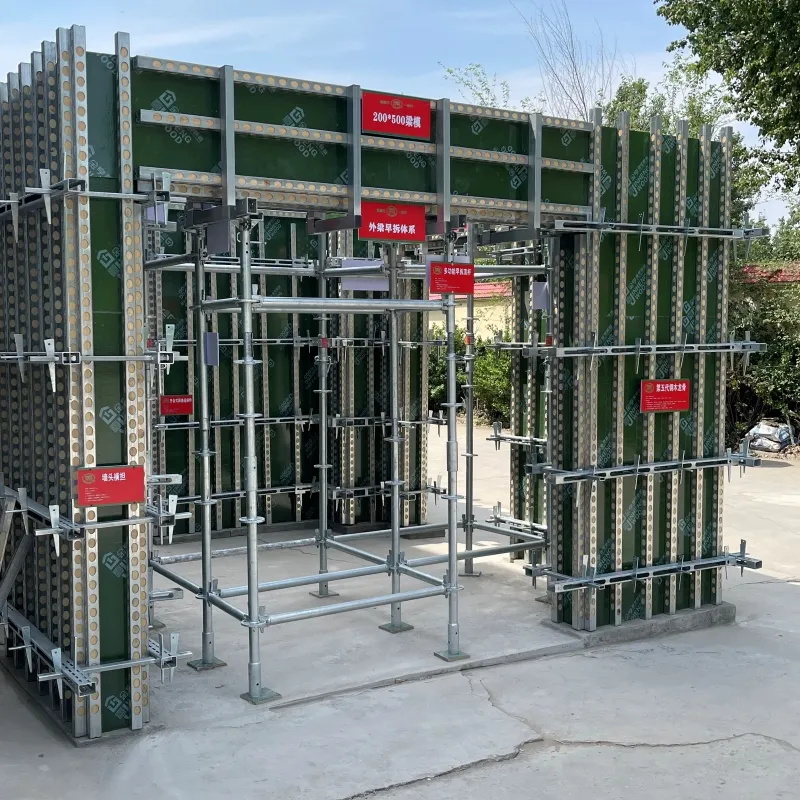
A structural floor slab is essentially a thick, flat horizontal structural element — usually concrete — that spans across beams or walls, serving as both a floor surface and a key load-bearing member. It supports both live loads (people, furniture, equipment) and dead loads (its own weight, building components).
They can be cast-in-place, precast, or made with innovative composite materials, depending on needs and context. Beyond just bearing weight, they often integrate thermal insulation, acoustic dampening, and fire resistance — features crucial to modern design standards, especially for industrial applications and humanitarian shelters.
Interestingly, structural floor slabs can either be 'one-way' or 'two-way' slabs, depending on how the load is distributed to supporting elements — a subtle engineering point but one that shapes whole design schemes.
structural floor slab elements help architects and builders meet increasingly complex requirements today, from sustainability goals to rapid deployment solutions in disaster zones.
Mini takeaway: Think of structural floor slabs not as simple floors, but as multifunctional systems designed to hold, protect, and stabilize.Core Components of a Structural Floor Slab: What Makes It Work?
1. Durability
Structural slabs must stand the test of time, weather, and load cycles. Materials like reinforced concrete resist cracking and degradation, but durability also means smart design: moisture control, chemical resistance, and freeze-thaw protection.
2. Load Bearing Capacity
This is the heart of slab performance. Engineers calculate the maximum loads — how many people, how much machinery — that the slab can safely carry. Using reinforced steel or integrating post-tensioning systems can increase this capacity well beyond traditional concrete slabs.
3. Thermal & Acoustic Performance
Especially in office buildings or residential complexes, slabs help with temperature control and noise reduction. Proper insulation layers or concrete mixes can make a huge difference to occupant comfort.
4. Cost Efficiency
Balancing initial costs with lifecycle savings is critical. Precast slabs, for example, can reduce on-site labor and waste, speeding up construction.
5. Scalability & Modularity
Modern construction often demands modular, repeatable components. Structural floor slabs designed for easy integration enable faster build times and adaptability in both industrial and humanitarian contexts.
6. Sustainability
Low-carbon concrete mixes, recycled aggregates, or green certifications are increasingly common. This is a real game changer for the environmental footprint of big projects.
Mini takeaway: From strength to sustainability, floor slabs juggle many trade-offs — and getting the mix right is part science, part art.
From Skyscrapers to Shelter: The Global Applications of Structural Floor Slabs
Across continents, structural floor slabs are essential for multiple industries:
- Urban construction: High-rises in Asia or North America rely on complex reinforced and post-tensioned slabs to support commerce and living.
- Industrial zones: Heavy machinery and large equipment require slabs with exceptional load ratings, common in Europe’s manufacturing belts.
- Disaster relief operations: In regions hit by earthquakes or floods, quick-to-install modular slabs can provide foundational support for emergency housing — critical in recovery phases.
- Remote infrastructure: Mining projects in remote Africa use precast slabs for rapid, cost-effective setup of facilities.
For humanitarian organizations, having access to pre-engineered structural floor slabs means faster shelter deployment, better safety, and reduced environmental impact. It’s not just about floors — it’s about rebuilding communities.
Mini takeaway: Structural floor slabs serve as the foundation of both modern cities and resilient emergency response, bridging high-tech and human needs.
Advantages & Long-Term Value of High-Quality Floor Slabs
The tangible advantages are easy enough to list — but the “why it matters” often goes deeper:
- Cost savings: Durable slabs reduce repair frequency and downtime, especially in industrial settings.
- Sustainability: Low-carbon designs and reuse reduce environmental footprints, aligning with global emissions targets.
- Safety & Trust: Enough said here — a poorly designed slab risks entire structures and lives.
- Innovation: New materials and digital design tools deliver slabs faster, smarter, and adapted to local conditions.
- Social Impact: Resilient infrastructure means communities feel secure, dignified, and ready for future challenges.
There’s a profound satisfaction knowing that beneath your feet lies a system engineered with safety, longevity, and sustainability, reflecting the best of human ingenuity.
Mini takeaway: Investing in the right structural floor slab pays off in economics, ethics, and peace of mind.Product Specification Table: Typical Structural Floor Slab Features
| Specification | Typical Range | Notes |
|---|---|---|
| Material | Reinforced Concrete (RC), Precast Concrete | Common worldwide |
| Thickness | 100 mm - 300 mm | Depends on load and span |
| Load Capacity | 3 kN/m² - 25 kN/m² | Higher for industrial applications |
| Fire Resistance | 2 hours (standard) | Varies by code |
| Thermal Insulation | R-value 0.5 - 2 m²K/W | Optional layers added |
| Surface Finish | Steel troweled, brushed, or rough | Depends on end-use |
Comparing Industry Suppliers: A Quick Vendor Snapshot
| Vendor | Product Range | Sustainability Features | Lead Time | Price Level |
|---|---|---|---|---|
| GlobalSlabCo | Precast & Cast-in-Place Slabs | Recycled aggregates, low-carbon mixes | 4-6 weeks | Mid-High |
| EcoFloor Solutions | Modular slabs with insulation | Carbon-neutral production | 3-5 weeks | Mid |
| RapidBuild Supplies | Rapid deployment, lightweight slabs | Partial recycled components | 2-4 weeks | Mid-Low |
Future Trends to Watch in Structural Floor Slab Technology
What’s next in the world of slabs? Let’s just say even the seemingly mundane is evolving fast:
- Green concrete: Innovations reducing CO₂ emissions during curing and using industrial by-products.
- Digital Design & BIM integration: Allowing design precision, clash detection, and smarter resource planning.
- Automation & Robotics: Automated slab casting and placement speed up construction while reducing errors.
- Smart Slabs: Embedded sensors that monitor stress or cracks in real-time, offering preventive maintenance.
- Modularity for Disaster Relief: Components fit together with minimal tools for fast rebuilding after crises.
It feels like we’re standing on the edge of a technological revolution — just beneath our feet.
Mini takeaway: Technology and sustainability trends are transforming structural floor slabs into intelligent, eco-friendly systems.Challenges & Solutions in Structural Floor Slab Implementation
Challenges remain — and that’s okay:
- Material variability: Quality of raw materials varies globally, sometimes undermining slab integrity.
- Cost constraints: Not all projects can afford premium materials or technology.
- Installation complexity: Skilled labor shortage can affect outcomes.
- Climate impacts: Extreme weather requires specialized solutions, elevating complexity.
Industry experts recommend solutions like:
- Standardized quality control and certification.
- Leveraging precast modules to reduce on-site labor needs.
- Training programs in developing regions.
- Continued reuse of waste and alternative cementitious materials.
There’s no one-size-fits-all fix, but a combination of tech, policy, and education often gets the job done.
Mini takeaway: Challenges push innovation and collaboration in developing safer, more economical floor slab solutions.FAQ: Your Questions About Structural Floor Slabs Answered
- What factors determine the thickness of a structural floor slab?
- Slab thickness depends primarily on the load it needs to carry (live and dead), the span between supports, and material strength. For typical buildings, slabs range from 100mm to 300mm thick. Industrial applications might require thicker slabs with reinforced steel or post-tensioning.
- How do precast slabs compare to cast-in-place slabs?
- Precast slabs are manufactured off-site and then installed, offering speed and quality control benefits. Cast-in-place slabs are poured on-site, allowing more design flexibility but often take longer and need more labor.
- Are structural floor slabs environmentally sustainable?
- Traditional concrete slabs aren’t inherently green, but new methods such as low-carbon concrete, recycled aggregates, and better curing techniques greatly improve sustainability. Choosing suppliers with green certifications is key.
- Can structural slabs be used in rapid deployment housing?
- Yes, modular and lightweight precast slabs enable fast shelter assembly after disasters. Their durability and load capacity ensure safe, stable floors in emergency housing.
- What maintenance is required for concrete floor slabs?
- Routine inspections for cracks, cleaning, and occasional sealing usually suffice. In industrial settings, slabs may need repair or overlay if exposed to heavy chemical or mechanical stress.
Wrapping Up: Why Structural Floor Slabs Will Always Matter
So, structural floor slabs — much more than just concrete and steel. They represent the interface where engineering rigor meets human comfort, safety, and sustainability. From bustling cities to emergency relief camps, these slabs underpin our built environment in ways we sometimes overlook but should never underestimate.
If you’re curious about leveraging the latest in floor slab tech or simply want to understand what makes these elements tick, drop by our site: https://www.formworkreinforced.com. Because feet-first, grounded in solid knowledge, we can all build better.
References
-
Comprehensive Guide to Scaffolding Rods for Safe Construction PracticesNewsFeb.24,2026
-
Comprehensive Guide to Different Types of Scaffolding for Construction ProjectsNewsFeb.11,2026
-
The Crucial Role and Safe Use of Scaffolding in Modern Construction ProjectsNewsJan.30,2026
-
Maximize Productivity and Safety with a Versatile 7m Scaffold TowerNewsJan.27,2026
-
6m Scaffold Tower: A Comprehensive Guide for B2B BuyersNewsJan.26,2026
-
6ft Scaffold: Durability and Safety in ConstructionNewsJan.25,2026
-
6 Scaffolding: A Modern Construction SolutionNewsJan.24,2026