
Nov . 28, 2025 14:20
Back to list
Suspended Concrete Floor Slab - Essential Guide to Design, Benefits & Future Trends
Understanding Suspended Concrete Floor Slabs: Why It Matters Worldwide
If you’ve ever wandered through a modern building or glanced upward at a multi-story parking garage, chances are you’ve encountered a suspended concrete floor slab — that hidden hero holding up floors safely and quietly. But beyond the bare bones of construction, these slabs serve as a cornerstone of urban development, disaster resilience, and even humanitarian relief efforts across the globe. Why pay attention to them? Well, suspended concrete floor slabs blend engineering precision with practical benefits like increased space use efficiency, durability, and fire resistance. In rapidly urbanizing regions or post-disaster zones, these slabs are vital for creating safe, adaptable living and working spaces — quickly and cost-effectively. Understanding these slabs is more than an engineering exercise; it’s a peek into how we build safer, smarter, and more sustainable environments worldwide. ---Suspended Concrete Floor Slabs in Today's Global Construction Scene
The world is building upward and outward faster than ever before. According to the United Nations, by 2050, nearly 70% of people will live in urban areas — that’s roughly 2.5 billion more city dwellers than today. In concrete terms, modern urban planning depends on structural elements like suspended concrete floor slabs that can support larger loads without sprawling footprints — a key factor in dense cities and industrial complexes. But there’s a catch. Traditional flooring systems often demand extensive ground support, take longer to install, and limit design flexibility. Suspended slabs address these challenges. For example, in earthquake-prone zones (think Japan or California), slabs must balance strength and weight to withstand seismic events. Meanwhile, humanitarian agencies working in disaster-hit regions rely on suspended slab technologies for rapid, reliable shelter rebuilds. This build-versus-stability tightrope means suspended concrete floor slabs aren’t just relevant — they’re essential. Their widespread adoption reflects a subtle but crucial shift to more resilient and scalable construction approaches globally. ---Defining Suspended Concrete Floor Slab: The Basics
So, what exactly is a suspended concrete floor slab? Simply put, it’s a flat concrete structural element that is supported at its edges by beams, walls, or columns — rather than resting directly on the ground. Imagine a concrete “bridge” for floors, holding up everything above without the need for ground-level support. This differs from a ground slab, which sits directly on the earth or a compacted base. Suspended concrete slabs are designed to carry live loads such as people, furniture, and machinery, as well as their own weight, transferring all forces efficiently to vertical supports. In modern construction, these slabs provide open-plan spaces free from intrusive columns. From skyscrapers to modular clinics deployed in refugee camps, suspended slabs merge engineering functionality with practical needs for quick, safe, and flexible infrastructure. ---Key Components That Make Suspended Slabs Work
1. Reinforcement
At the heart of strength lies steel reinforcement — rebar or mesh. It controls cracks by absorbing tension, allowing concrete (which is strong in compression, weak in tension) to do its job without splitting apart.2. Thickness & Span
The thickness of the slab depends on span length between supports and anticipated load. Longer spans require thicker slabs or addition of post-tensioning cables to minimize deflection.3. Formwork
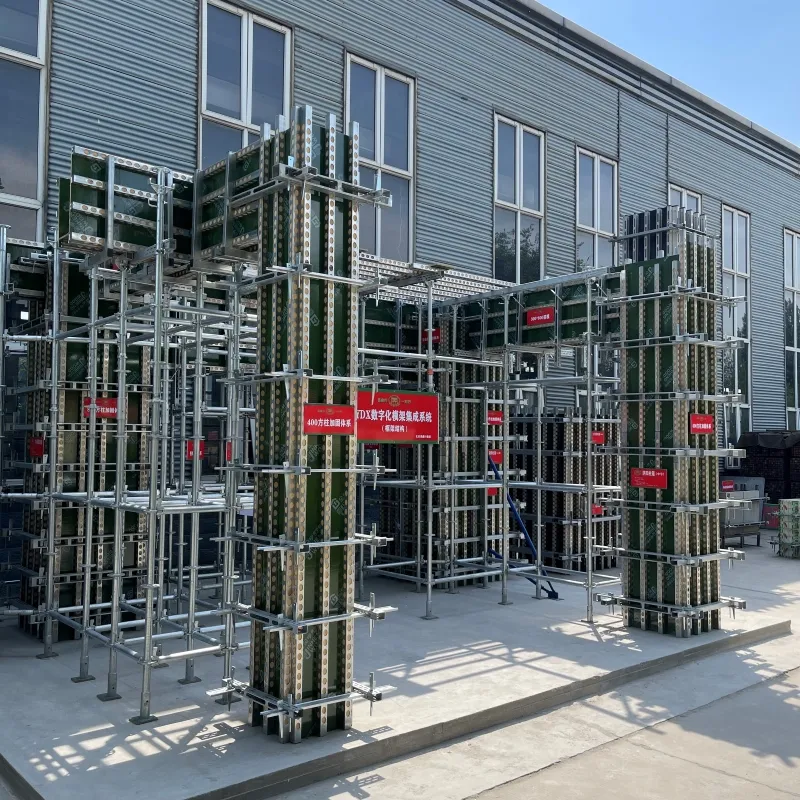
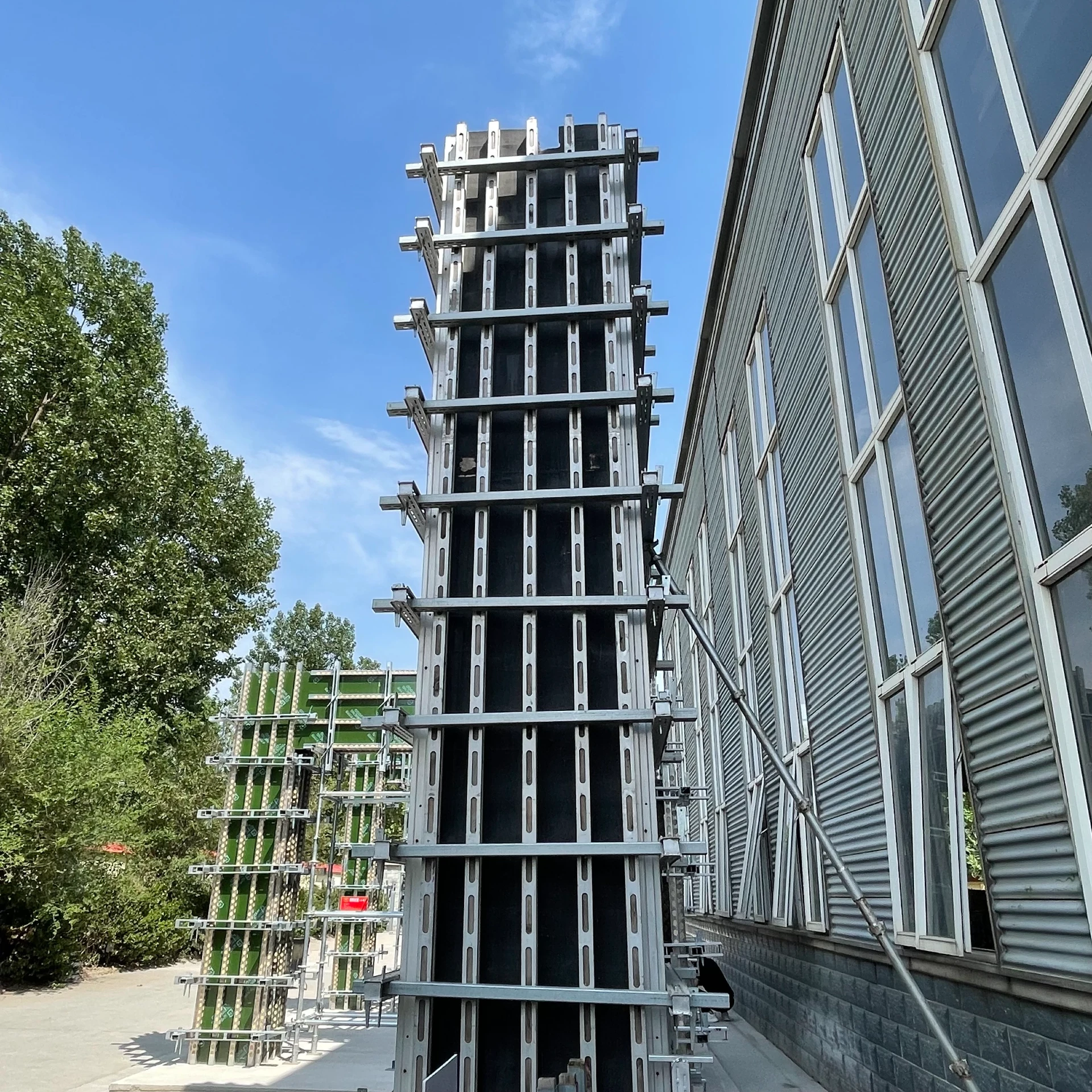
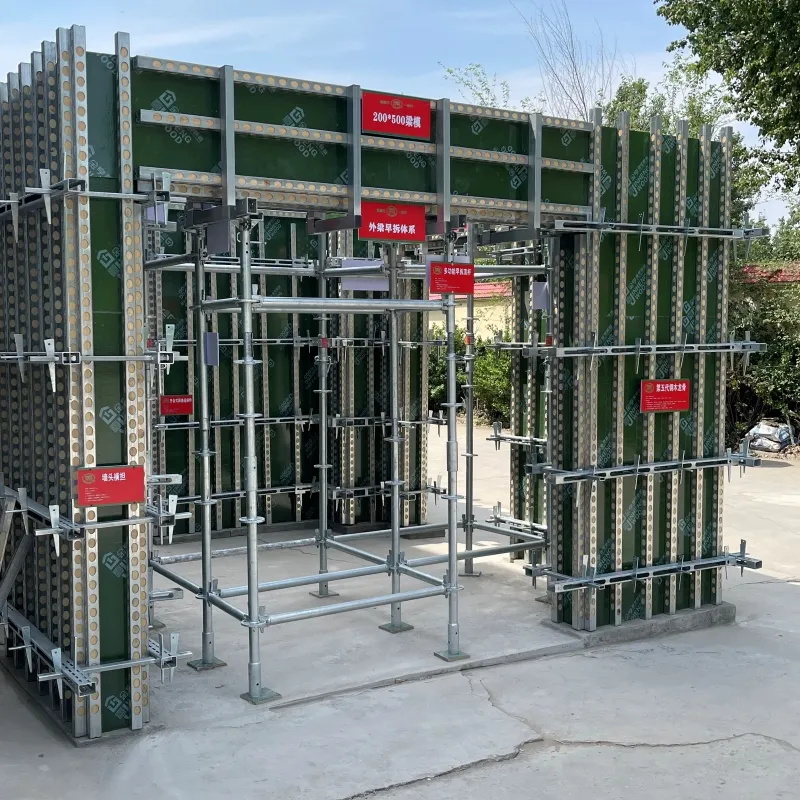
Temporary molds hold wet concrete in place while it cures. Quality formwork means precise shape, safety during pour, and reduced labor time — all crucial on big projects.4. Material Quality
Concrete mix design—its strength, durability, and workability—directly affects slab performance. Additives can improve curing time or resistance to weather.5. Load Considerations
Design engineers factor live loads (people, furnishings) and dead loads (slab weight, permanent fixtures). Safety margins account for unexpected stresses.Mini Takeaway:
Suspended concrete floor slabs are a well-orchestrated dance between steel, concrete, and design precision, all tuned to create strong, reliable floor systems. ---Global Applications: Where Suspended Concrete Floor Slabs Shine
These slabs show up everywhere—from towering office blocks in Dubai to medical centers in remote parts of Africa. Here are a few notable use cases:- Urban High-Rises: In dense cities like New York or Shanghai, suspended slabs enable multiple stories without bulky supports, maximizing rentable space.
- Post-Disaster Relief: NGOs use precast suspended slabs to rapidly rebuild schools and hospitals after earthquakes or hurricanes.
- Industrial Zones: Warehouses and factories in places such as Germany and South Korea rely on heavy-duty slabs designed for machinery loads and forklifts.
- Modular Construction: Growing in popularity, modular buildings leverage suspended floor slabs for quick assembly and transportability.
Advantages and Long-Term Value of Suspended Concrete Floor Slabs
You might wonder — beyond holding up floors — why else they matter? - Durability: Unlike wood or steel alone, concrete slabs resist fire, pests, and weathering, often lasting decades with minimal upkeep. - Space Efficiency: By suspending floors, buildings gain open interiors free from columns or bulky ground supports. - Cost-Effectiveness: Prefabrication and quicker assembly keep costs down, especially important in large-scale developments. - Sustainability: Modern mixes use recycled aggregates and low-carbon cement, aligning with global emissions reduction goals. - Safety & Trust: Knowing a floor can hold up in emergencies gives occupants peace of mind — a non-negotiable in housing or hospitals. Emotionally, these slabs contribute to dignity; a solid floor beneath your feet isn’t just physical support but a reassuring foundation to everyday life. ---Product Specification Table
| Specification | Typical Range | Notes |
|---|---|---|
| Thickness | 100mm – 300mm | Depends on span and load |
| Concrete Grade | C25/30 to C40/50 (MPa) | Higher grades for heavy loads |
| Reinforcement | T12 to T20 rebar mesh | Varies by design |
| Load Capacity | 3 – 7 kN/m² (live load) | Reflects occupancy type |
| Typical Span | 3m – 8m | Longer spans require post-tensioning |
Emerging Trends and Innovations
The future of suspended concrete floor slabs involves embracing green technologies and digitized fabrication. For instance, 3D-printed formworks speed up mold creation, reducing waste — something many engineers swear by for its sustainability edge. Additionally, “smart slabs” embedded with sensors can monitor stress and vibration in real-time, a bit like giving a building a nervous system. Some startups are working on ultra-high-performance concretes for thinner, stronger slabs that cut down on materials and costs. Industry standards (ISO 13822:2020 deals with durability of concrete structures) are pushing for longer lifespans and lower carbon footprints. Plus, the surge in modular construction means slabs are frequently designed with easy dismantling and reuse in mind. It feels like the slab’s story is just beginning — evolving from a heavy, passive element to a smart, sustainable building block. ---Challenges & Clever Solutions
Despite their strengths, suspended concrete floor slabs face some challenges: - Cracking Risks: Incorrect reinforcement or curing can cause cracks, undermining integrity. - Weight: They remain heavy; transport and handling need careful planning. - Cost in Small Projects: For smaller builds, slabs might be overkill compared to timber or steel floors. - Environmental Impact: Though improving, cement production is a major CO2 emitter. Innovators tackle these by suggesting better curing technologies — like steam curing — to speed strength gain, and new composite materials mixing fibers with concrete to reduce weight. Increasingly, precast slabs made off-site allow tight quality control, reducing onsite errors. ---Vendor Comparison Table: Choosing the Right Supplier
| Feature | BuildStrong Ltd. | ConcreteMasters | EcoSlab Systems |
|---|---|---|---|
| Product Range | Standard & Custom Slabs | Mostly Standard | Eco-friendly & Modular |
| Lead Time | 4-6 Weeks | 3-5 Weeks | 6-8 Weeks |
| Cost Range | $$ | $ | $$$ |
| Sustainability | Standard Mixes | Limited Options | High Recycled Content |
| International Shipping | Yes, with lead time adjustment | Limited Zones | Yes, with green packaging |
FAQ: Answering Your Key Questions on Suspended Concrete Floor Slabs
Q1: How long does it typically take to install a suspended concrete floor slab?Installation timelines depend on slab type and method. Cast-in-place slabs often require a few weeks (including curing), while precast slabs can be installed within days once onsite. Factors like slab size, site access, and weather influence timing.
Q2: Are suspended concrete floor slabs suitable for earthquake zones?
Yes. When engineered properly with appropriate reinforcement and seismic design guidelines, suspended slabs contribute to building stability during earthquakes by distributing forces evenly.
Q3: Can these slabs be customized for different building designs?
Absolutely. Slabs can be customized in thickness, reinforcement, and span to suit architectural needs. Prefabrication allows tailored solutions for modular or complex structures.
Q4: How sustainable are suspended concrete floor slabs?
The industry is moving toward greener materials and production. Use of recycled aggregates, low-carbon cement, and efficient fabrication methods all help reduce environmental impacts.
Q5: Where can I learn more about suspended slab standards and guidelines?
Published standards like ISO 13822 and guidelines from organziations such as ACI (American Concrete Institute) offer detailed info on design, testing, and durability. ---
Wrap-up: Why Suspended Concrete Floor Slabs Will Keep Supporting Our Future
Suspended concrete floor slabs might not be glamorous, but they’re quietly shaping skylines, saving lives, and helping humanity build back better. From ensuring safety in high-rise towers to accelerating recovery in disaster zones, these slabs demonstrate innovation’s subtle power on a practical plane. Interested in discovering more or sourcing high-quality suspended slabs? Check out suspended concrete floor slab solutions and join the growing community of engineers and architects pushing construction forward. ---References
Share
Latest news
-
Comprehensive Guide to Scaffolding Rods for Safe Construction PracticesNewsFeb.24,2026
-
Comprehensive Guide to Different Types of Scaffolding for Construction ProjectsNewsFeb.11,2026
-
The Crucial Role and Safe Use of Scaffolding in Modern Construction ProjectsNewsJan.30,2026
-
Maximize Productivity and Safety with a Versatile 7m Scaffold TowerNewsJan.27,2026
-
6m Scaffold Tower: A Comprehensive Guide for B2B BuyersNewsJan.26,2026
-
6ft Scaffold: Durability and Safety in ConstructionNewsJan.25,2026
-
6 Scaffolding: A Modern Construction SolutionNewsJan.24,2026