
Stair Scaffold Solutions for Efficient and Safe Industrial Access
Why a Stair Scaffold is a Game-Changer in Industrial Worksites
Having spent well over a decade in the industrial equipment sector, I’ve come to appreciate how something seemingly simple — like a stair scaffold — can transform the rhythm of a project. You know how on some job sites, moving between different levels feels like a bit of a nuisance? Climbing and descending traditional ladders or makeshift platforms is frankly risky and slows folks down. Stair scaffolds have addressed this in a pretty elegant way, and oddly enough, they’re becoming the unsung heroes of scaffolding systems.
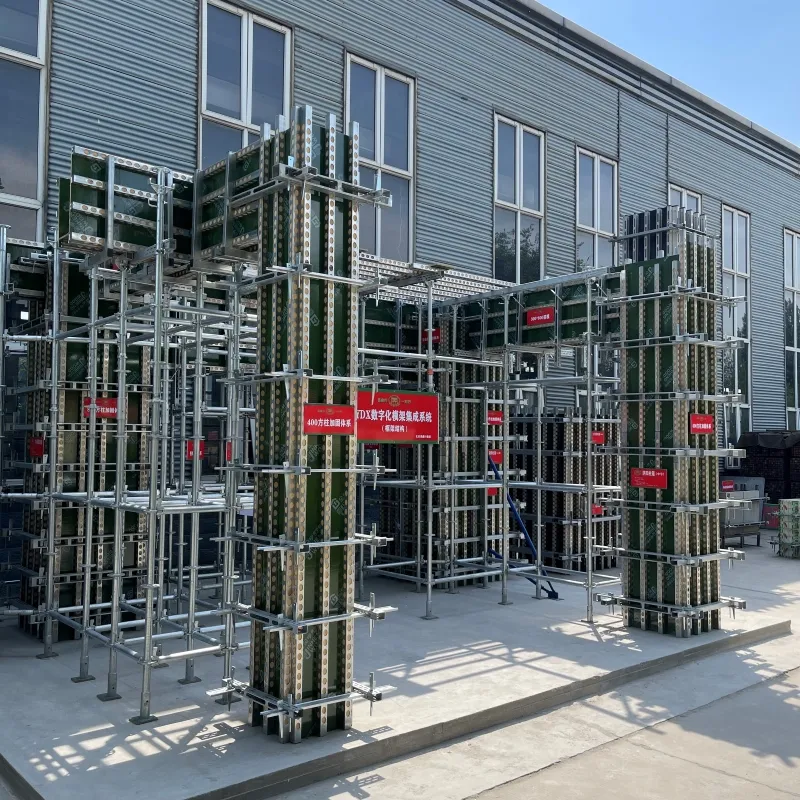
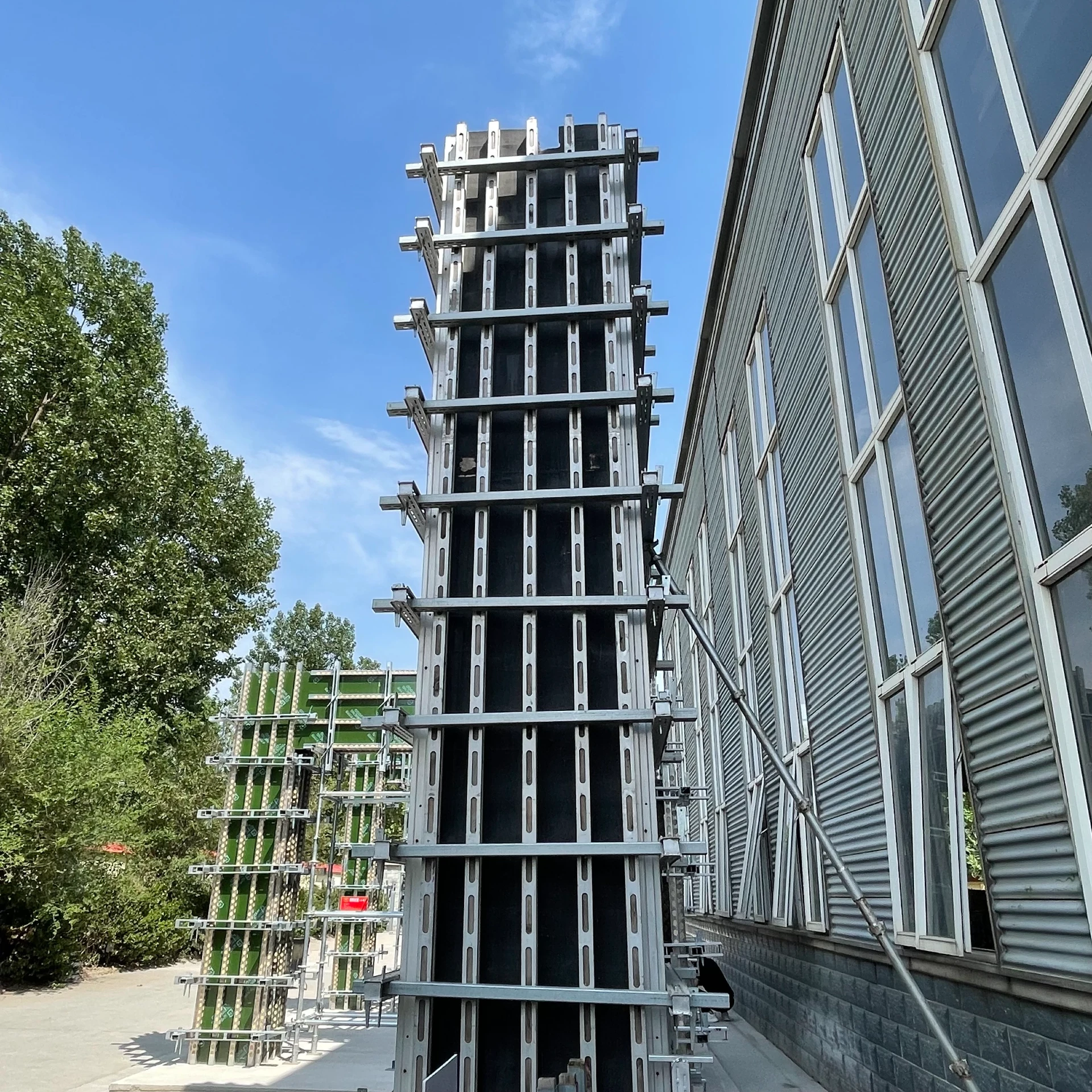
From pouring concrete on multi-level forms to maintenance work in warehouses, a stair scaffold offers a safe, sturdy, and adaptable path up and down, reducing downtime and, let’s not forget, improving worker morale. Many engineers I’ve worked alongside consider it an essential piece of kit, especially in complex projects where access is dynamic and safety can’t be compromised.
What Makes Stair Scaffolds Stand Out?
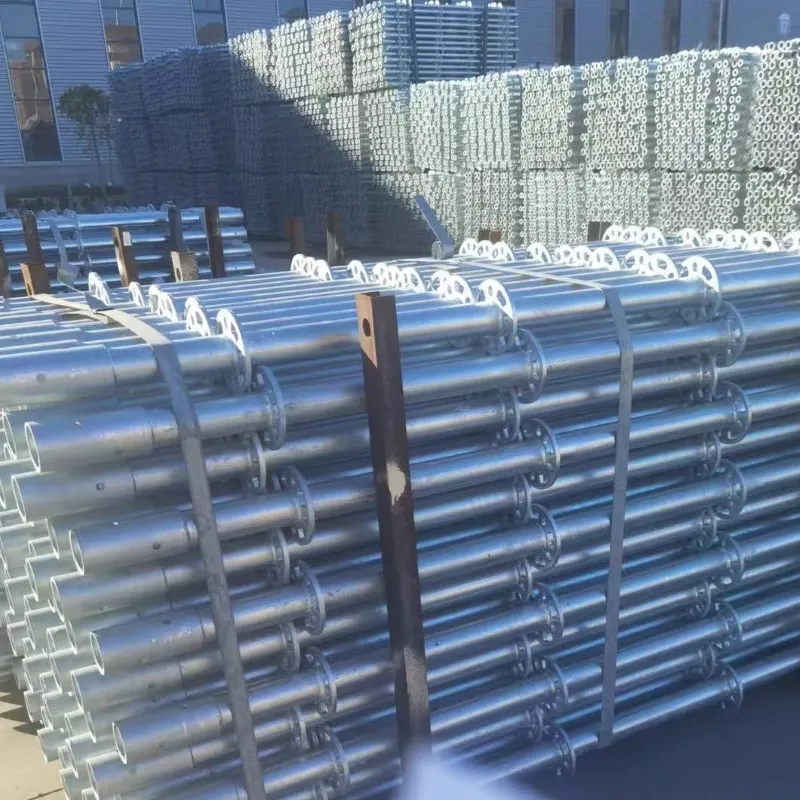
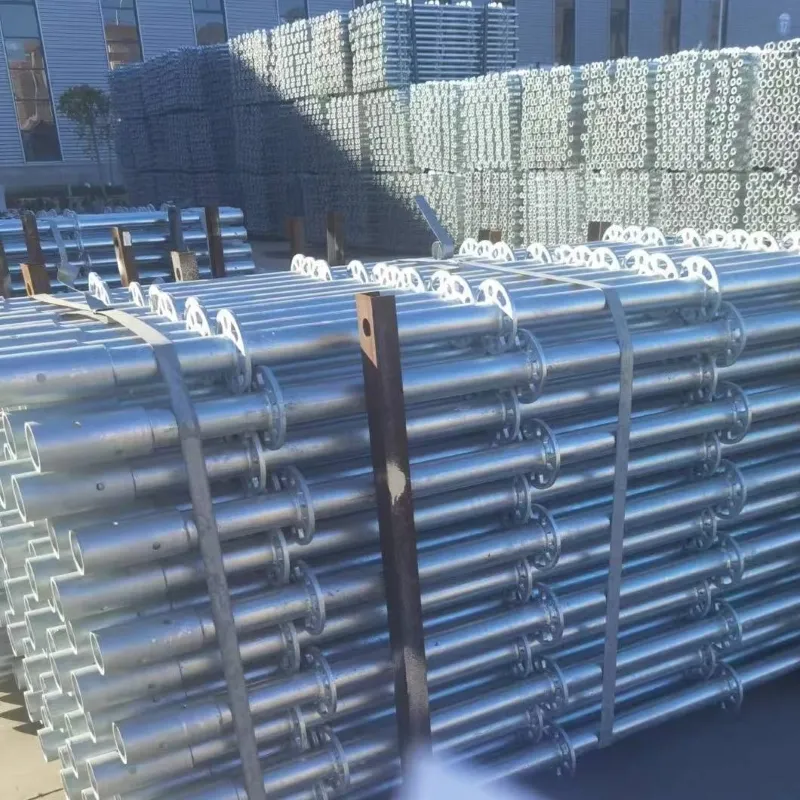
First off, their design. Unlike traditional scaffolds that require ladders or single access points, stair scaffolds come with actual stairs — think industrial-strength steps with handrails on both sides. They’re typically made of galvanized steel or heavy-duty aluminum, ensuring longevity and resistance to corrosion. One cool detail is how modular they are; you can link sections together, customize widths, and even adjust the incline slightly to suit the site’s layout.
Testing standards in the industry are fairly rigorous — compliance with OSHA and ANSI guidelines means you’re looking at a product tested for load capacity, slip resistance, and structural integrity. I remember a project where weather conditions were brutal; rain and mud would have made climb-downs on ladders practically unsafe. The stair scaffold, with its non-slip treads and solid frame, held up admirably.
| Specification | Details |
|---|---|
| Material | Galvanized Steel / Aluminum |
| Max Load Capacity | 300 lbs per step (distributed) |
| Width Options | 24", 32", 36", 48" |
| Height Range | Adjustable from 6' to 20' |
| Safety Features | Handrails, Non-slip treads, Toe boards |
| Compliance | Meets OSHA & ANSI standards |
Choosing Your Vendor: What to Look For
Now, not all stair scaffolds are created equal. I’ve noticed over the years that vendor reputation and after-sales support matter just as much as specs. Some suppliers cut corners on component quality or don’t provide clear installation support. On the other hand, a vendor with solid technical backing saves you headaches down the line.
| Vendor | Material Quality | Customization | Lead Time | Customer Support |
|---|---|---|---|---|
| Formwork Reinforced | Galvanized Steel / Aluminum, high grade | High – custom widths & options | 2–4 weeks | Excellent, technical team available |
| Scaffold Pros Inc. | Aluminum standard grade | Medium – limited sizes | 1–3 weeks | Good, but limited tech support |
| BuildSafe Systems | Steel painted, mid-grade | Low – standard models only | 4–6 weeks | Average, slow response |
One client I worked with once said to me, “It feels like the scaffold is an extension of the worksite, not just equipment.” And they were right. The ease of moving about safely, without having to haul tools or tired muscles up precarious ladders, changes daily work dynamics. It’s really about combining function with safety – a sort of no-nonsense practicality that any industrial expert will tell you matters a lot.
So, if you’re considering adding a stair scaffold to your setup, I’d say lean towards vendors who emphasize customization and quality. A scaffold is not a one-size-fits-all tool. It’s an investment in workflow efficiency and worker safety — two things you really can’t compromise on.
In real terms, the stair scaffold might not be the flashiest bit of equipment on site, but to those of us who’ve seen it in action, it’s quietly indispensable. I suppose that’s why it keeps growing in popularity.
Takeaway: A well-made stair scaffold from a trusted vendor can turn daily industrial operations from a logistical chore into a smoother, safer experience.
- OSHA Scaffolding Standards, Occupational Safety and Health Administration
- ANSI/ASSP A10.8-2011 Safety Requirements for Scaffolding
- Industry case study: Concrete Formwork company usage, 2022
-
Comprehensive Guide to Scaffolding Rods for Safe Construction PracticesNewsFeb.24,2026
-
Comprehensive Guide to Different Types of Scaffolding for Construction ProjectsNewsFeb.11,2026
-
The Crucial Role and Safe Use of Scaffolding in Modern Construction ProjectsNewsJan.30,2026
-
Maximize Productivity and Safety with a Versatile 7m Scaffold TowerNewsJan.27,2026
-
6m Scaffold Tower: A Comprehensive Guide for B2B BuyersNewsJan.26,2026
-
6ft Scaffold: Durability and Safety in ConstructionNewsJan.25,2026
-
6 Scaffolding: A Modern Construction SolutionNewsJan.24,2026