
Steel Scaffolding Solutions for Industry | Durable & High-Performance from Formwork Reinforced
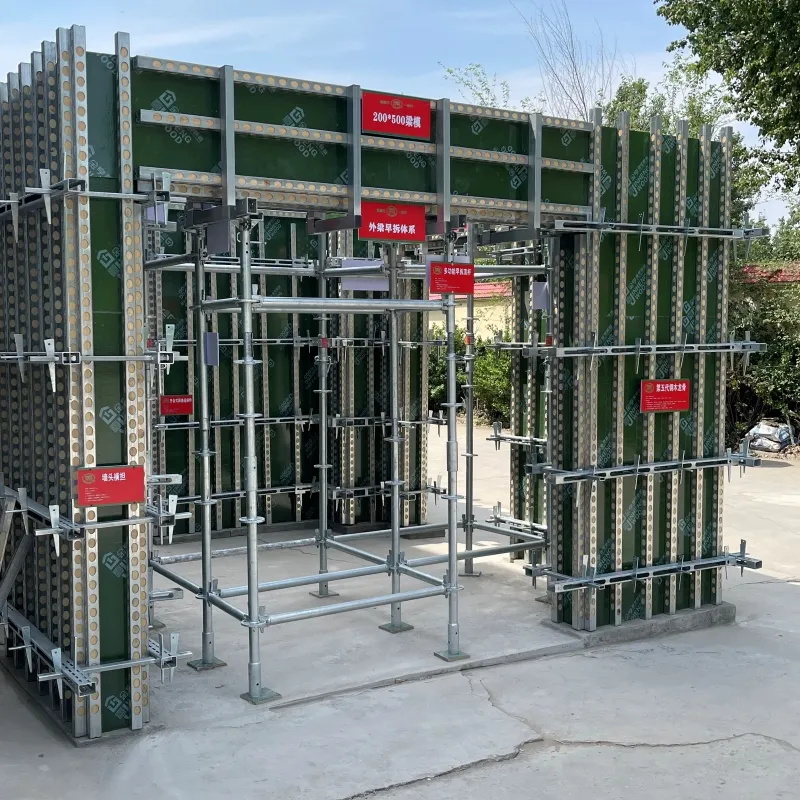
Steel Scaffolding is a key solution in the industry, specifically within construction, industrial maintenance, and infrastructure projects. This article explores how https://www.formworkreinforced.com supports professionals with durable, high-performance products, and explains why this product is an ideal choice for businesses in these sectors.
Table of Contents
- Steel Scaffolding Overview
- Benefits & Use Cases of Steel Scaffolding
- Cost, Maintenance & User Experience
- Sustainability & Market Trends
Steel Scaffolding Overview
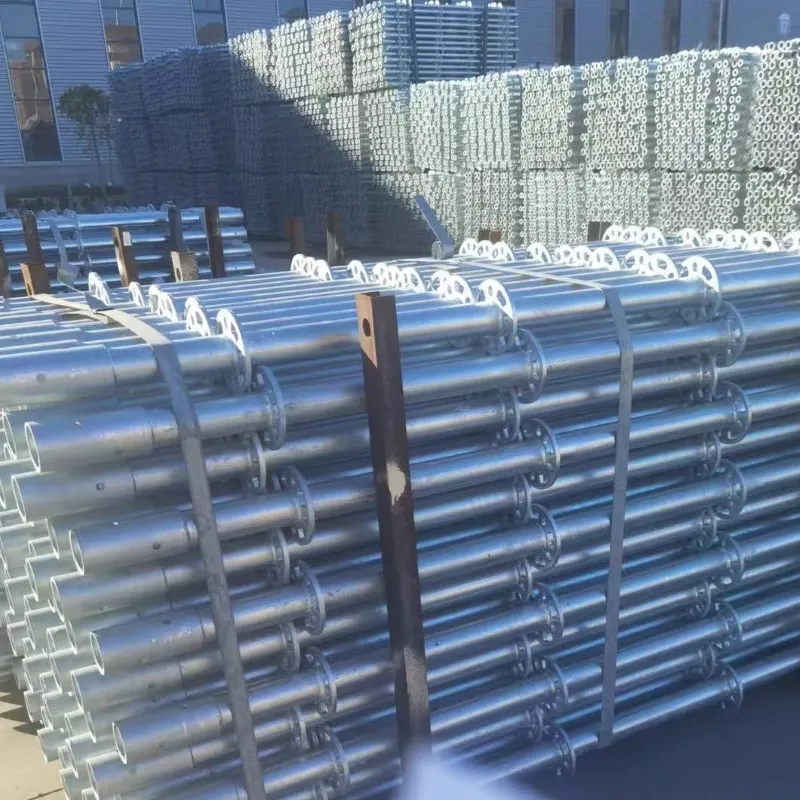
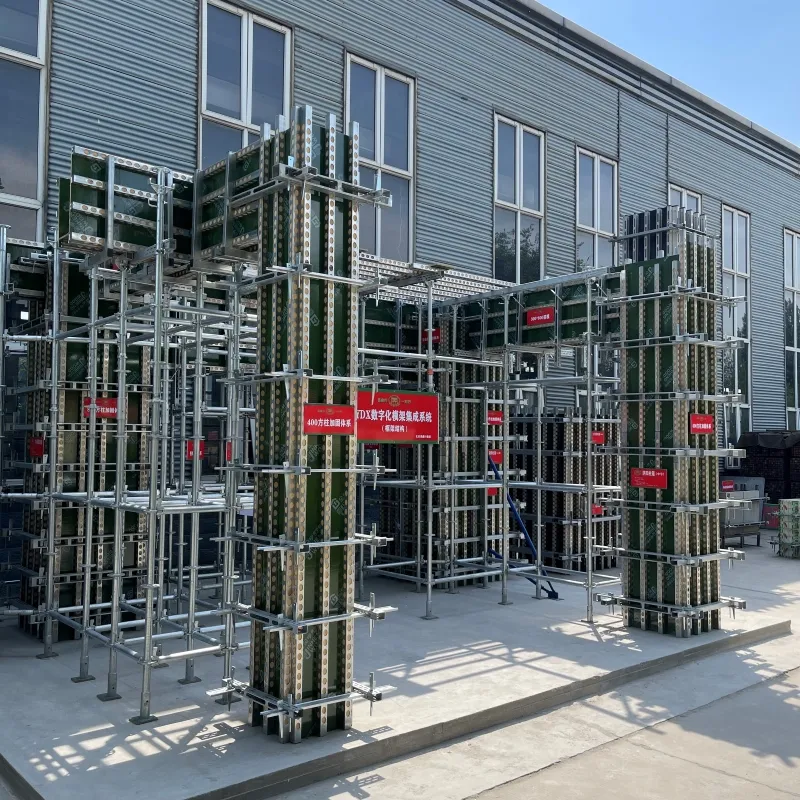
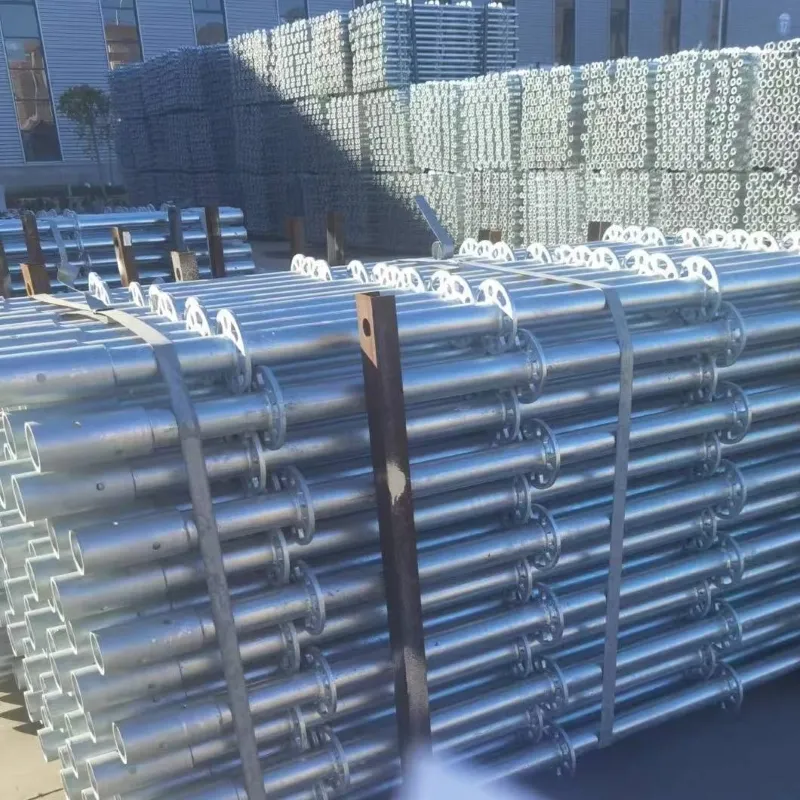
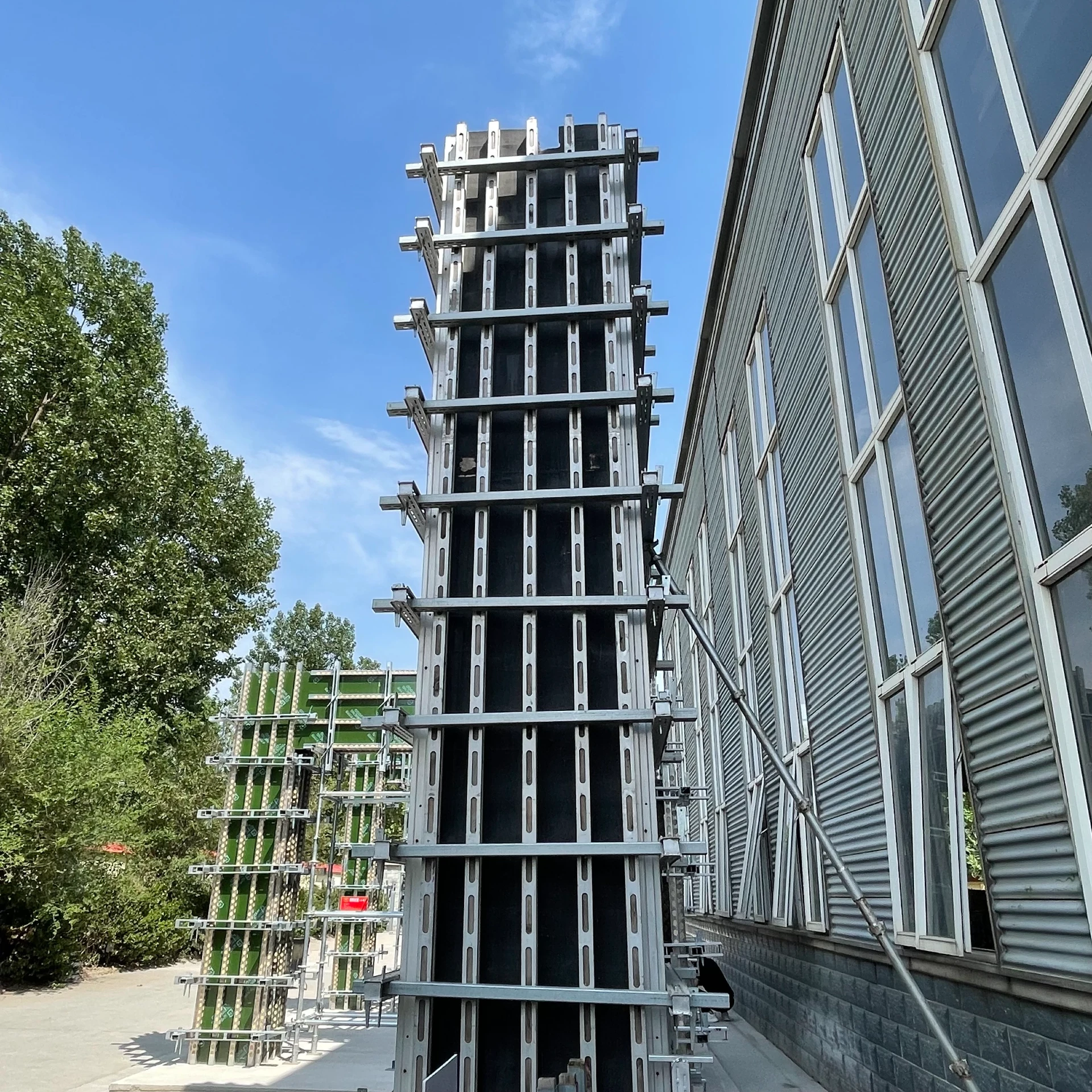
Steel scaffolding is, simply put, the backbone of countless construction and industrial projects worldwide. It’s that framework of tubular steel components assembled to support workers, tools, and materials safely at heights. What’s interesting is how this seemingly straightforward system has evolved—with advances in steel alloys, welding techniques, and modular design enhancing durability and ease of use.
At https://www.formworkreinforced.com, the focus is on providing products engineered for strength and resilience—a necessity when you consider the rugged environments these scaffolds endure. For example, their steel tubing typically features a high tensile strength of around 500-600 MPa, coupled with corrosion-resistant coatings that extend product lifespan in outdoor settings.
| Parameter | Details |
|---|---|
| Material | Galvanized steel (S235/S355 grade) |
| Tube Diameter | 48.3 mm |
| Load Capacity | Up to 200 kg/m² |
| Coating | Hot-dip galvanization / Powder coating |
| Connector Type | Drop-lock wedge or clamp connectors |
Benefits & Use Cases of Steel Scaffolding
If you think about the sheer variety of jobs steel scaffolding tackles—from high-rise construction sites in bustling cities to temporary stages at large events—it’s quite impressive. What’s not always obvious is just how versatile and reliable it truly is. Its modular design means teams can adapt setups quickly, which is a big deal when timing and safety matter so much.
One of the joys of steel scaffolding (and I realize this sounds a bit odd, but bear with me) is the peace of mind it provides thanks to its load-bearing strength and stability. In industrial sectors like petrochemicals or shipbuilding, where hazardous environments abound, having a sturdy scaffold system from a supplier like https://www.formworkreinforced.com isn’t just ideal—it’s essential.
Moreover, compared to aluminum or bamboo alternatives, steel scaffolding holds up better over time—resisting warping, severe weather, and regular wear and tear. That reliability makes a difference, especially when dealing with tight project schedules or unexpected weather conditions.
Cost, Maintenance & User Experience
Let’s talk money and upkeep. It might surprise some that steel scaffolding, while seemingly pricey upfront, often delivers the best return on investment (ROI) in real terms. The durability means fewer replacements and less downtime. Not to mention, the galvanized coatings drastically reduce corrosion-related maintenance—keeping costs manageable over years.
Feedback from customers using https://www.formworkreinforced.com’s scaffolding routinely highlights how the products stand up to demanding daily use without losing integrity. It feels like companies appreciate not just the product specs, but also the practical user-friendly aspects like ease of assembly, safety features, and modular flexibility.
In fact, a mid-sized construction contractor shared that by switching to these steel scaffolds, they reduced scaffold-related incidents by 30% and slashed equipment replacement expenses over two years. It’s little things like this—solid stats and on-the-ground results—that build trust.
Sustainability & Market Trends
There’s growing awareness these days about sustainability—not just in consumer products but industrial materials, too. Steel scaffolding fits nicely into this trend because steel is recyclable and, with proper maintenance, has a long lifecycle. Oddly enough, many in the sector underestimate the environmental benefit of using steel scaffolding over disposable or quickly deteriorating materials.
Regulations increasingly favor construction materials and practices that reduce waste and carbon footprints, nudging companies towards reusable, durable scaffolding options. At https://www.formworkreinforced.com, sustainability seems integrated in their manufacturing choices: from sourcing to finishing.
Looking ahead, market analysts predict steady growth in the scaffolding sector, fueled by booming infrastructure projects worldwide and stricter safety mandates. This combination ensures steel scaffolding remains a smart choice for companies planning on long-term efficiency and compliance.
| Feature | Formwork Reinforced | Vendor B | Vendor C |
|---|---|---|---|
| Material Quality | High-grade galvanized steel | Standard steel with paint coating | Aluminum alloy |
| Load Capacity | Up to 200 kg/m² | Up to 150 kg/m² | Up to 120 kg/m² |
| Corrosion Resistance | Excellent (galvanized + powder coat) | Moderate (paint only) | Low (bare aluminum prone to oxidation) |
| Customization Options | Wide range modules & connectors | Limited | Limited |
| Delivery & Support | Global shipping & expert consulting | Regional only | Local distributors |
Frequently Asked Questions about Steel Scaffolding
- What is Steel Scaffolding and how does it work?
- Steel scaffolding is a temporary structure made from steel tubes and connectors used to support workers and materials during construction, repairs, or maintenance. It works by creating strong, stable platforms at various heights, essential for safety and efficiency.
- What are the main benefits of using Steel Scaffolding in industrial applications?
- Key benefits include superior strength, durability, and resistance to environmental damage. Steel scaffolding improves safety, offers high load capacity, and can be reused multiple times, making it cost-effective for demanding industrial settings.
- How does Steel Scaffolding compare to traditional alternatives?
- Compared to wood or aluminum, steel scaffolding typically provides greater durability and load capacity. It resists deformation better and has longer service life, although it may be heavier and require proper corrosion protection.
- What industries can benefit most from Steel Scaffolding implementation?
- Construction, petrochemical plants, shipbuilding, and large-scale infrastructure projects benefit greatly from steel scaffolding due to their demanding safety, load, and environmental requirements.
Conclusion on Steel Scaffolding from china
To wrap up, steel scaffolding remains an indispensable part of various industries, combining durability, flexibility, and cost-effectiveness into one solid solution. What https://www.formworkreinforced.com offers is not just scaffolding but confidence on every jobsite—a partner that understands the precise demands professionals face. So yeah, if you’re looking for scaffolding that truly holds up, worth checking out.
- Reliable, high-performance steel scaffolding solutions tailor-made for industrial needs.
- Visit our website: https://www.formworkreinforced.com
-
Comprehensive Guide to Scaffolding Rods for Safe Construction PracticesNewsFeb.24,2026
-
Comprehensive Guide to Different Types of Scaffolding for Construction ProjectsNewsFeb.11,2026
-
The Crucial Role and Safe Use of Scaffolding in Modern Construction ProjectsNewsJan.30,2026
-
Maximize Productivity and Safety with a Versatile 7m Scaffold TowerNewsJan.27,2026
-
6m Scaffold Tower: A Comprehensive Guide for B2B BuyersNewsJan.26,2026
-
6ft Scaffold: Durability and Safety in ConstructionNewsJan.25,2026
-
6 Scaffolding: A Modern Construction SolutionNewsJan.24,2026