
Spider Scaffolding - Durable, High-Performance Scaffolding Solutions for Industry | Formwork Reinforced
Spider Scaffolding is a key solution in the industry, specifically within construction and maintenance sectors. This article explores how Formwork Reinforced supports professionals with durable, high-performance products, and explains why this product is an ideal choice for businesses in these sectors.
Table of Contents
- Spider Scaffolding Overview
- Benefits & Use Cases of Spider Scaffolding
- Cost, Maintenance & User Experience
- Sustainability & Market Trends
Spider Scaffolding Overview
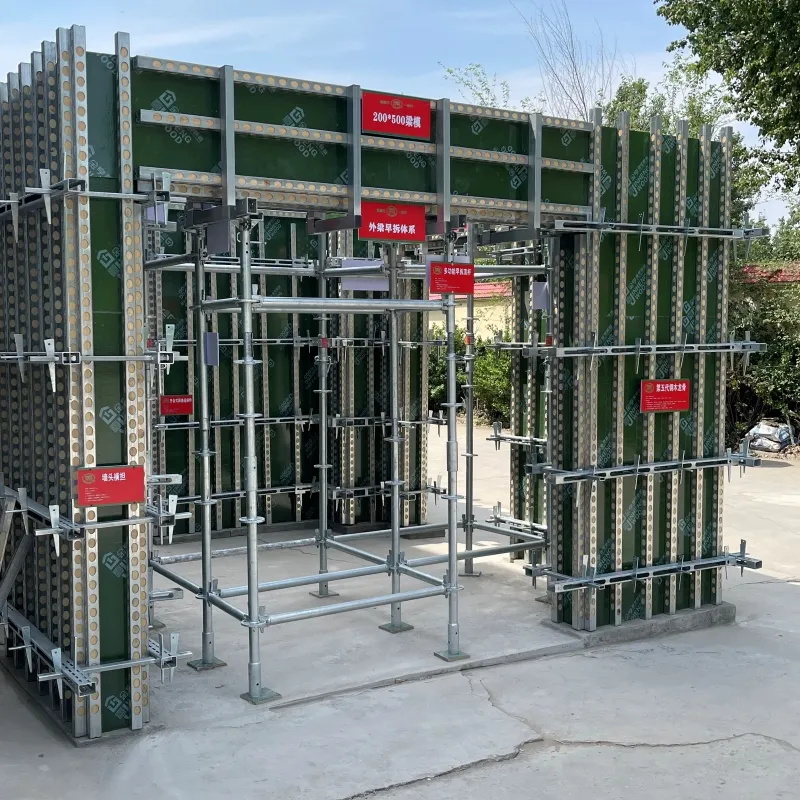
To start off, spider scaffolding might sound a bit niche or even fancy, but in real terms, it's a very clever modular scaffolding system specially designed for complex and irregular building shapes. Its name comes from the spider-like arms – multiple cantilevered supports radiating from central points – offering unmatched access in tight or unusual spaces.
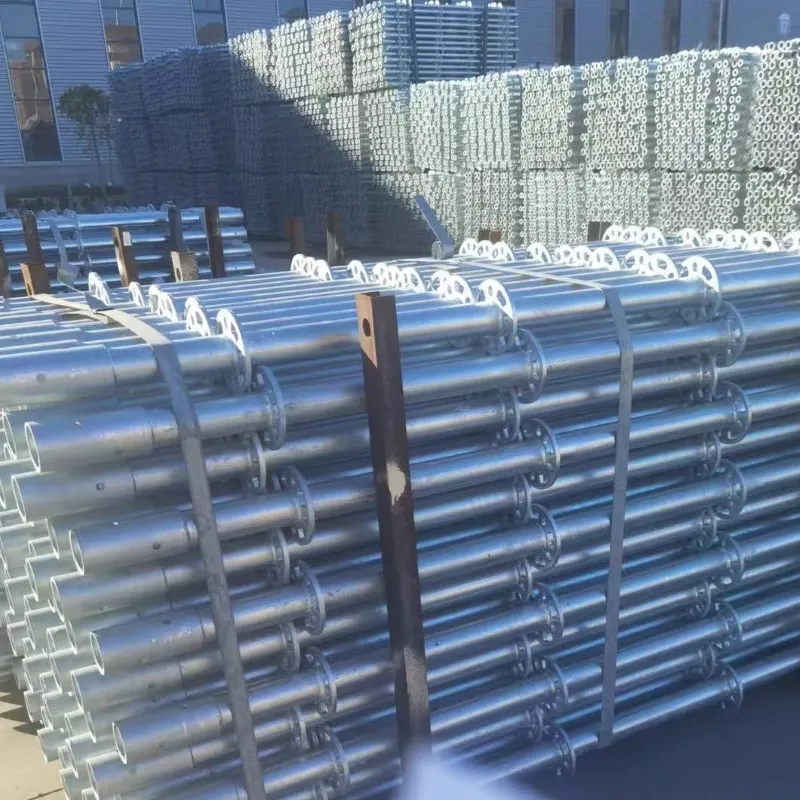
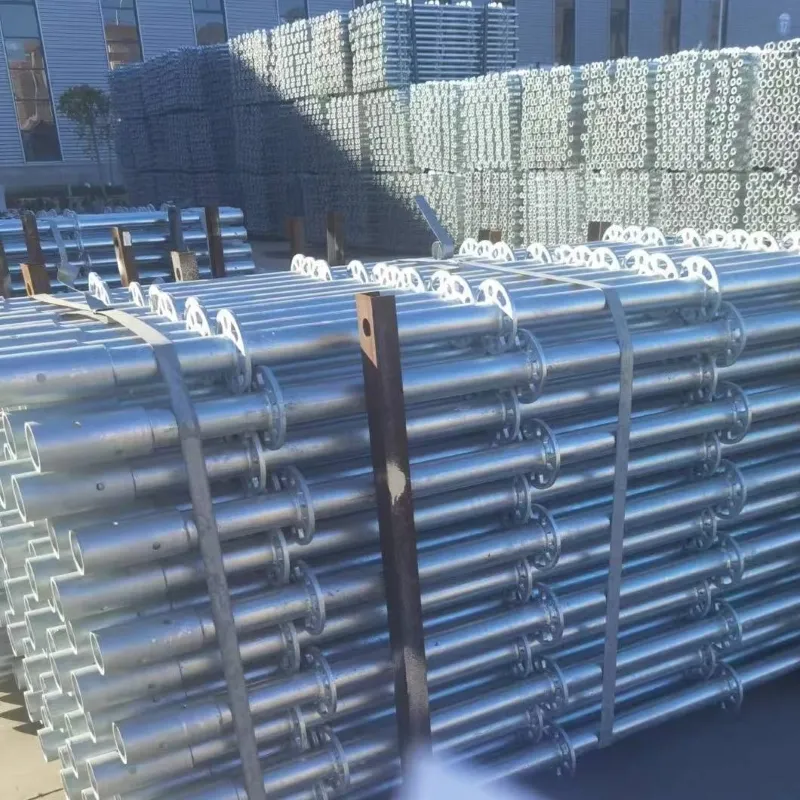
Typically made from high-grade steel alloys and galvanized to resist corrosion, these systems can safely support high load capacities while maintaining flexibility. For instance, a standard spider scaffolding unit will usually have multiple adjustable arms (often 4 to 8) allowing for quick adaptation around curves, columns, or protrusions where traditional scaffolding just won’t fit. Formwork Reinforced's product line, available at their website, offers models tested according to EN 12811 standards, which you know means reliable compliance with European safety benchmarks.
- Material: Galvanized steel with optional lightweight aluminum sections
- Load Capacity: Up to 1500 kg per platform segment
- Adjustability: Arms extendable from 500mm to 2000mm
- Connection Type: Quick-lock clamps with safety pins
- Compliance: EN 12811-1 certified
| Specification | Details |
|---|---|
| Material | Galvanized Steel, Optional Aluminum |
| Max Load Capacity | 1500 kg per platform |
| Arm Extension Range | 500mm - 2000mm |
| Height Adjustability | Modular components allow incremental heights |
| Compliance Standard | EN 12811-1 |
| Connection Type | Quick-lock clamps with safety pins |
Benefits & Use Cases of Spider Scaffolding
When you think about why B2B decision makers often recommend spider scaffolding, it’s really about versatility and precision. Unlike fixed or tower scaffolding systems, the spider model fits neatly into those tricky architectural spots — like curved facades, heritage restorations, or industrial plants with complex piping. Its agility reduces the time and manpower needed for setup, which frankly can be a big cash saver.
For example, a recent project in oil refinery maintenance we heard about used spider scaffolding extensively to access tanks with irregular shapes. The adjustable arms allowed fitment around protrusions and valves — something conventional scaffolding just can’t manage without extensive modifications.
Key competitive edges include:
- Rapid modular assembly saving up to 30% labor time
- Customizable arm lengths for tight spaces
- High load-bearing capacity for heavy equipment or workers
- Durability under harsh weather conditions, thanks to galvanized finishes
Cost, Maintenance & User Experience
In practical terms, the total cost of ownership for spider scaffolding includes upfront purchase, transport, setup, maintenance, and eventual replacement or upgrades. Formwork Reinforced’s models tend to offer excellent ROI, largely because their corrosion-resistant coatings minimize maintenance cycles. Some clients report that even after five years, the scaffolding feels like new, which is impressive.
User feedback from construction managers highlights how the intuitive locking system reduces safety incidents — always a big plus. Plus, the lightweight aluminum sections, although slightly pricier, help reduce worker fatigue when assembling or repositioning units.
Below is a quick vendor comparison you might find useful when deciding:
| Feature | Formwork Reinforced | Competitor A | Competitor B |
|---|---|---|---|
| Material Quality | Galvanized Steel & Aluminum | Steel Only | Aluminum Alloy |
| Load Capacity | Up to 1500 kg | Up to 1200 kg | Up to 1000 kg |
| Adjustability | 500-2000mm Arms | Fixed Length Arms | Flexible Arms, less robust |
| Safety Features | Quick-lock clamps, Safety pins | Standard clamps only | Quick-lock, no secondary pins |
| Price Range | Mid-High | Low-Mid | Mid |
Sustainability & Market Trends
Oddly enough, sustainability isn't always the first thing you associate with scaffolding, but it should be. More clients, especially in Europe and North America, demand products that follow green building standards or at least reduce carbon footprints. Formwork Reinforced’s commitment to using recyclable materials and durable coatings speaks to growing market trends emphasizing longevity over disposability.
Additionally, tighter safety regulations promote better-designed, more reliable scaffolding solutions. This indirectly boosts demand for spider scaffolding, as its adaptable design inherently allows better risk management in complex builds.
The market for modular systems like spider scaffolding continues to grow at roughly 6–8% annually, driven by urbanization and infrastructure retrofits globally. I suppose that means investing now can pay off in both performance and compliance.
Frequently Asked Questions about Spider Scaffolding
- What is Spider Scaffolding and how does it work?
- Spider Scaffolding is a modular scaffolding system featuring multiple adjustable arms that radiate from central hubs, designed to conform to irregular surfaces and complex structures. It works by providing adaptable support points that let workers access difficult-to-reach areas safely and efficiently.
- What are the main benefits of using Spider Scaffolding in industrial applications?
- Key benefits include flexibility for hard-to-access areas, high load capacity, rapid setup, and durability in harsh environments, which can reduce labor costs and downtime significantly.
- How does Spider Scaffolding compare to traditional alternatives?
- Compared to fixed towers or tube-and-coupler scaffolds, spider scaffolding offers superior adaptability and faster installation times, often translating into better safety and cost-effectiveness for complex projects.
- What industries can benefit most from Spider Scaffolding implementation?
- Construction, petrochemical plants, heritage building restoration, shipyards, and power plants commonly use spider scaffolding due to its ability to provide stable access in environments with irregular shapes and obstacles.
Conclusion on Spider Scaffolding from china
In summary, spider scaffolding stands out as a flexible and durable solution tailored for challenging industrial environments. It offers safety, adaptability, and long-term value, which is why many B2B decision makers turn to trusted suppliers like Formwork Reinforced for their projects.
- Spider scaffolding combines strong engineering with real-world practicality.
- Visit our website: https://www.formworkreinforced.com
I suppose with all the rapid infrastructural advances out there, investing in a proven system that saves time, labor, and headaches can hardly be overlooked.
- EN 12811-1 Scaffold Standards Documentation
- Formwork Reinforced Technical Catalog – 2024 Edition
- Industry Safety & Efficiency Reports, Construction Management Journal 2023
-
Comprehensive Guide to Scaffolding Rods for Safe Construction PracticesNewsFeb.24,2026
-
Comprehensive Guide to Different Types of Scaffolding for Construction ProjectsNewsFeb.11,2026
-
The Crucial Role and Safe Use of Scaffolding in Modern Construction ProjectsNewsJan.30,2026
-
Maximize Productivity and Safety with a Versatile 7m Scaffold TowerNewsJan.27,2026
-
6m Scaffold Tower: A Comprehensive Guide for B2B BuyersNewsJan.26,2026
-
6ft Scaffold: Durability and Safety in ConstructionNewsJan.25,2026
-
6 Scaffolding: A Modern Construction SolutionNewsJan.24,2026