
Stackable Scaffolding Solutions for Industrial Worksites | Formwork Reinforced
Stackable Scaffolding: The Unsung Hero of Industrial Worksites
Having clocked countless hours in the industrial equipment sector, I can tell you there's something oddly satisfying about stackable scaffolding. It’s the backbone of so many projects, quietly keeping workers safe, providing access, and adapting on the fly to various jobs.
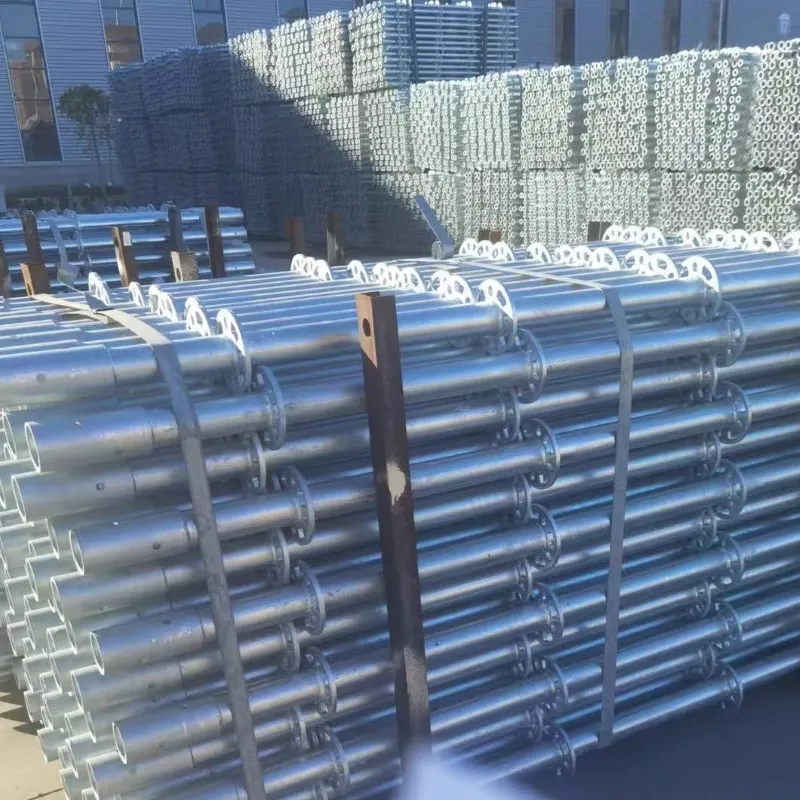
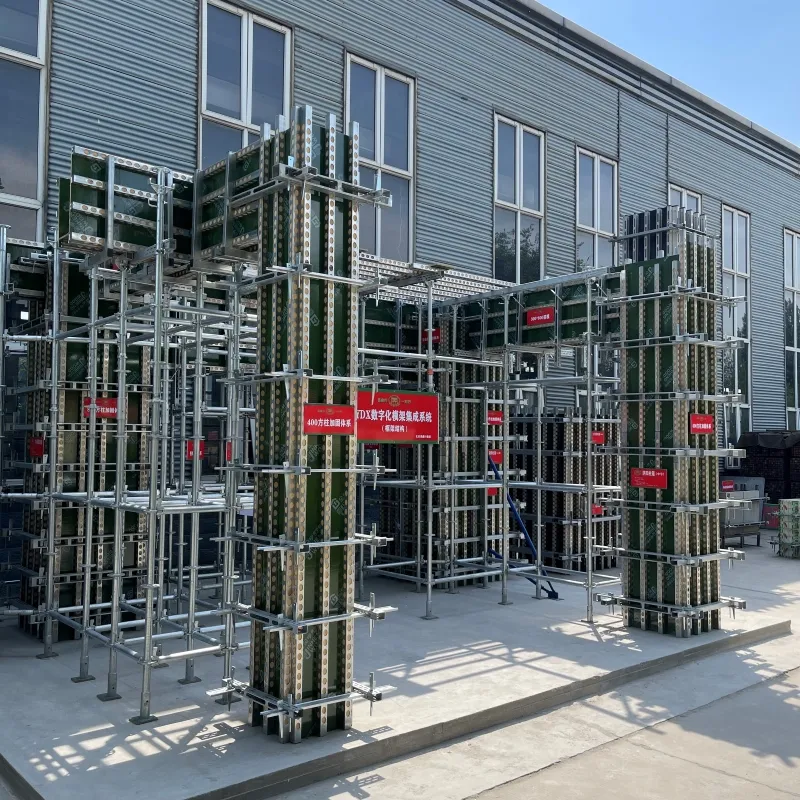
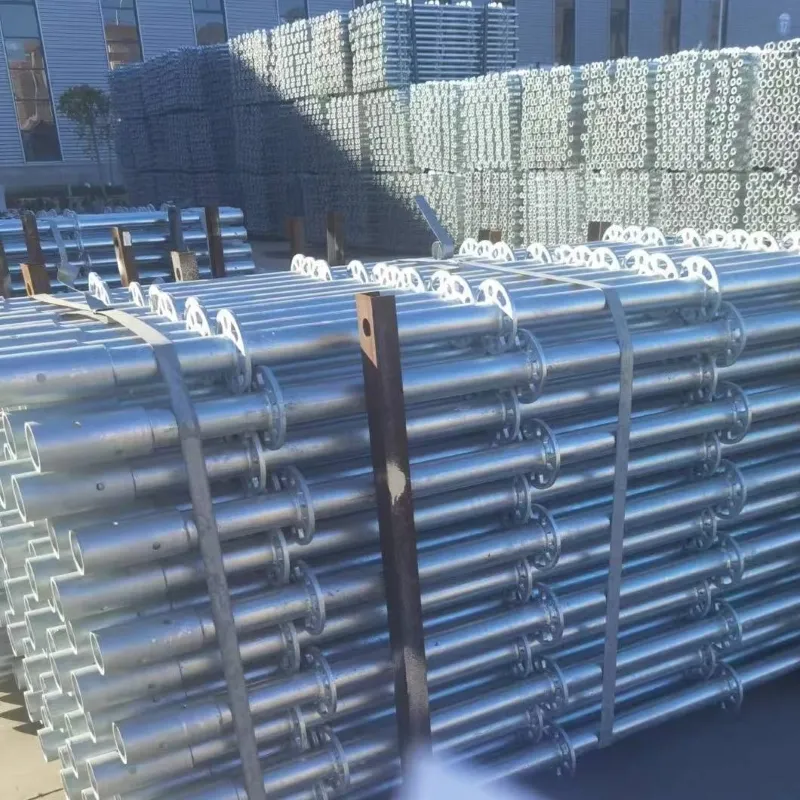
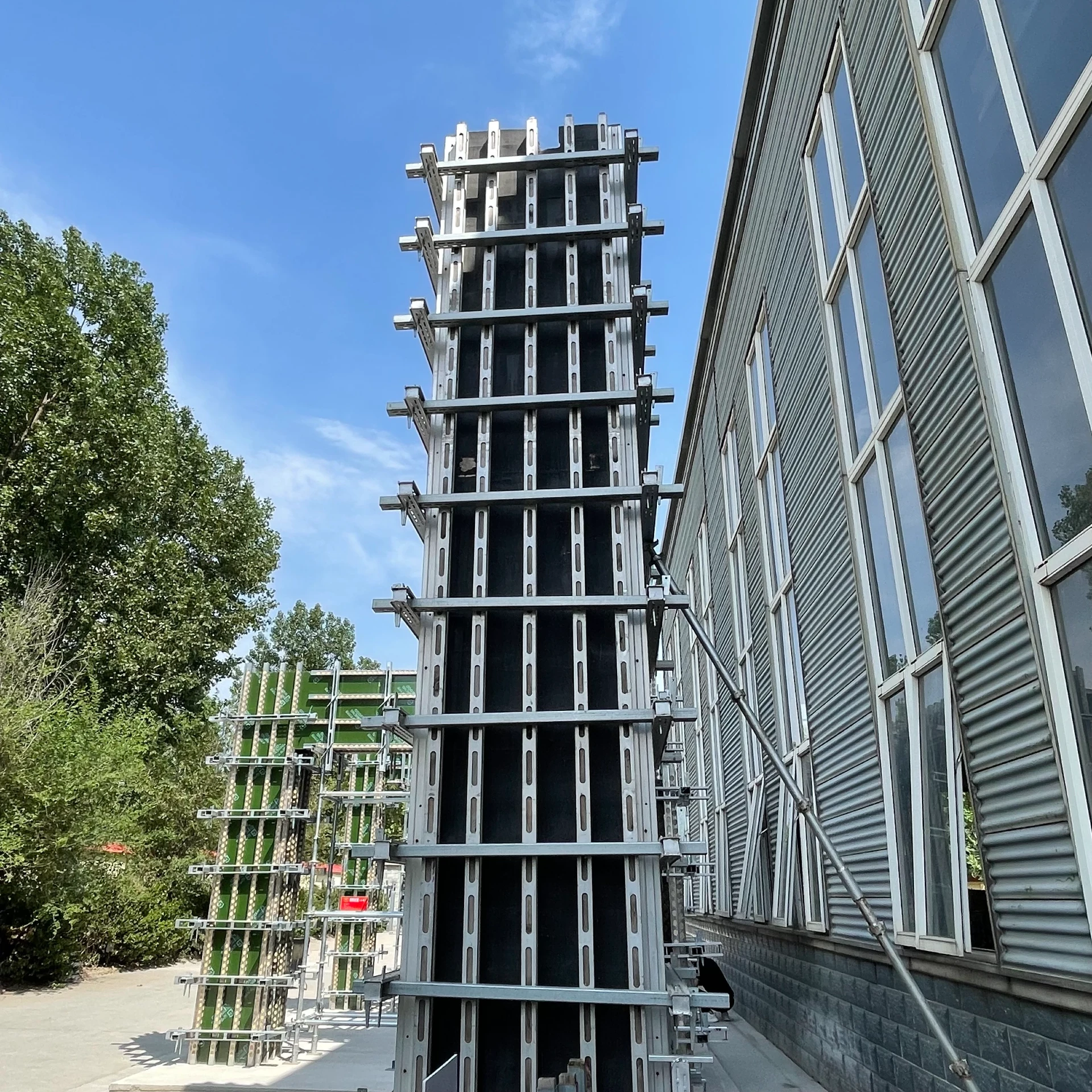
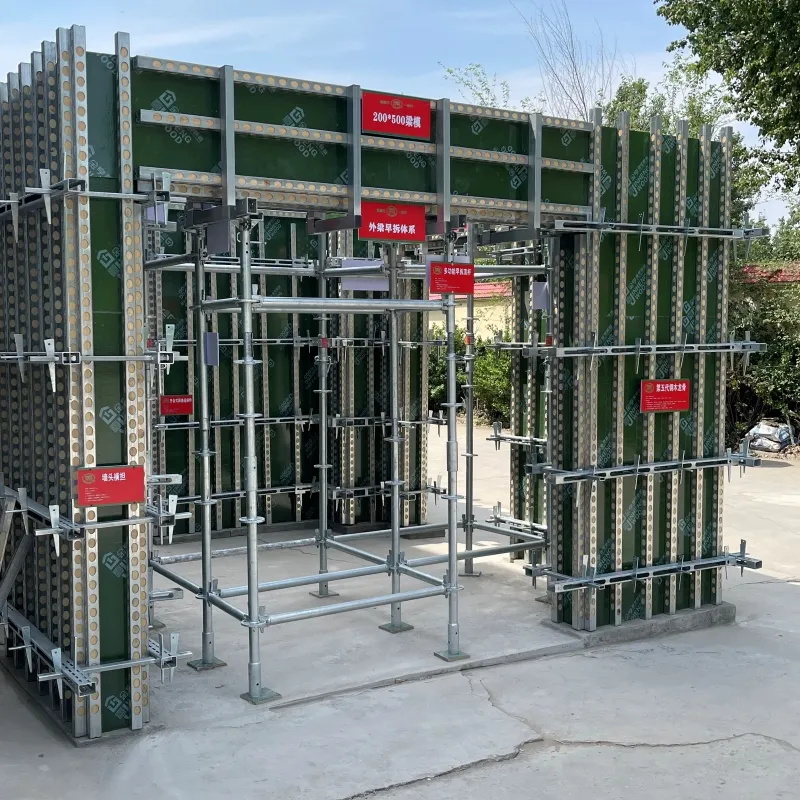
In real terms, stackable scaffolding is all about modularity and smart design. These systems allow you to build up and down rapidly—kind of like giant Lego blocks made for work, but with the steel and safety engineers swear by. The ability to stack means fewer hours lost on assembly and disassembly, and less time fussing with awkward components.
I remember early in my career on a tight-deadline refinery turnaround. The crew we worked with favored stackable scaffolds because they could adjust the platforms quickly as the scope shifted overnight. That responsiveness proved invaluable—there were fewer accidents and better efficiency, which frankly made everyone’s job easier.
Materials and Design Considerations
Most stackable scaffolds use galvanized steel or aluminum for their frames, balancing strength with weight. Hot-dip galvanizing is especially important; it protects against the harsh environments typical of industrial sites — think corrosive chemicals, moisture, and rough handling. Aluminum versions are lighter, making them popular where portability counts most.
The design isn’t just about stacking vertically. Smart systems include locking mechanisms and interlocks that stabilize the structure as it grows. That means better safety margins, and fewer “wiggles” when people are moving large tools or materials across a platform. Safety standards, like OSHA and EN12811, almost always dictate these features.
Product Specification Snapshot
| Feature | Specification |
|---|---|
| Material | Galvanized Steel / Aluminum |
| Maximum Stack Height | Up to 12 meters (depending on configuration) |
| Platform Size | 0.6m x 1.8m standard; customizable |
| Locking Mechanisms | Spring-loaded clamps with safety pins |
| Load Capacity | 250 kg/m² typical |
Comparing Top Stackable Scaffold Vendors
| Brand | Material | Customization | Avg. Price / Unit | Notable Features |
|---|---|---|---|---|
| Formwork Reinforced | Galvanized Steel | High (custom configs and sizes) | $250 - $300 | Robust locking, easy assembly |
| ScaffPro Systems | Aluminum | Moderate | $270 - $320 | Lightweight, corrosion-resistant |
| Titan Stackers | Steel (painted) | Low | $230 - $280 | Affordable, quick shipping |
Why Go Stackable? My Take
From an insider’s perspective, the appeal of stackable scaffolding isn’t just convenience — it’s a practical investment in safety, flexibility, and workflow efficiency. I’ve seen firsthand how crews who rely on these systems get fewer injuries and less downtime. Sure, upfront costs might seem a touch higher, but the long-term payoff is usually worth it.
If you’re managing a site with unpredictable or varied elevations, or if your team values quick changeovers, a stackable scaffold system might just be the easiest call you'll make this year. Oddly enough, it also tends to boost morale when workers feel the tools they rely on are reliable – simple, but overlooked.
For a deeper look or a solid supplier, I find stackable scaffolding from Formwork Reinforced stands out. Their systems elegantly blend robust design with versatility — a balance not all vendors strike so well.
Thanks for reading – sometimes the simplest tools really are what hold up the tallest projects.
- OSHA Scaffold Safety Standards – OSHA.gov
- EN 12811 Temporary Works Equipment
- “Modular Scaffolding Systems in Industrial Sites” – Journal of Construction Engineering, 2021
-
Comprehensive Guide to Scaffolding Rods for Safe Construction PracticesNewsFeb.24,2026
-
Comprehensive Guide to Different Types of Scaffolding for Construction ProjectsNewsFeb.11,2026
-
The Crucial Role and Safe Use of Scaffolding in Modern Construction ProjectsNewsJan.30,2026
-
Maximize Productivity and Safety with a Versatile 7m Scaffold TowerNewsJan.27,2026
-
6m Scaffold Tower: A Comprehensive Guide for B2B BuyersNewsJan.26,2026
-
6ft Scaffold: Durability and Safety in ConstructionNewsJan.25,2026
-
6 Scaffolding: A Modern Construction SolutionNewsJan.24,2026