
Scaffolding: Safe, Adjustable, Certified, Factory-Direct
Early-Release Falsework That Moves the Schedule
If you’ve spent time on high-rise pours, you know the difference a day makes. That’s why a lot of project managers I talk to are rethinking scaffolding strategy and migrating to early-release falsework systems that let you strike sooner without gambling on strength gain.
What is “Standards - Early Release” and why it’s trending
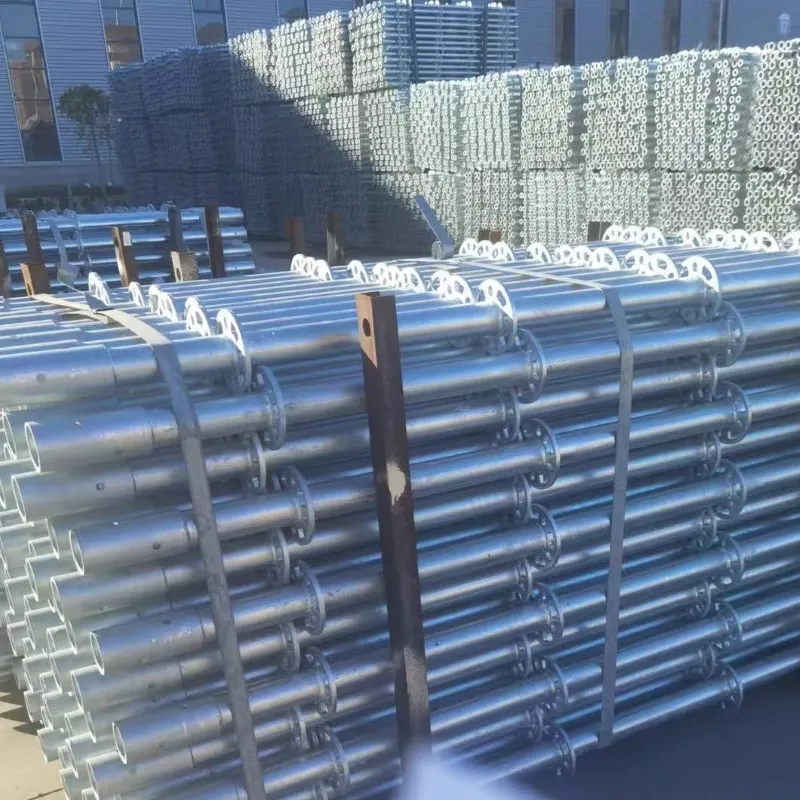
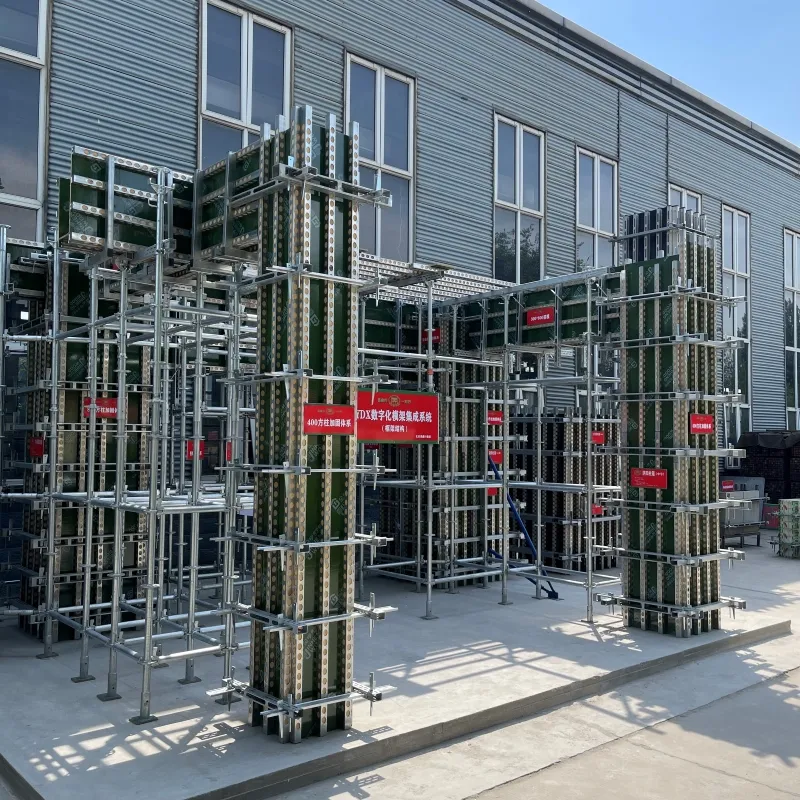
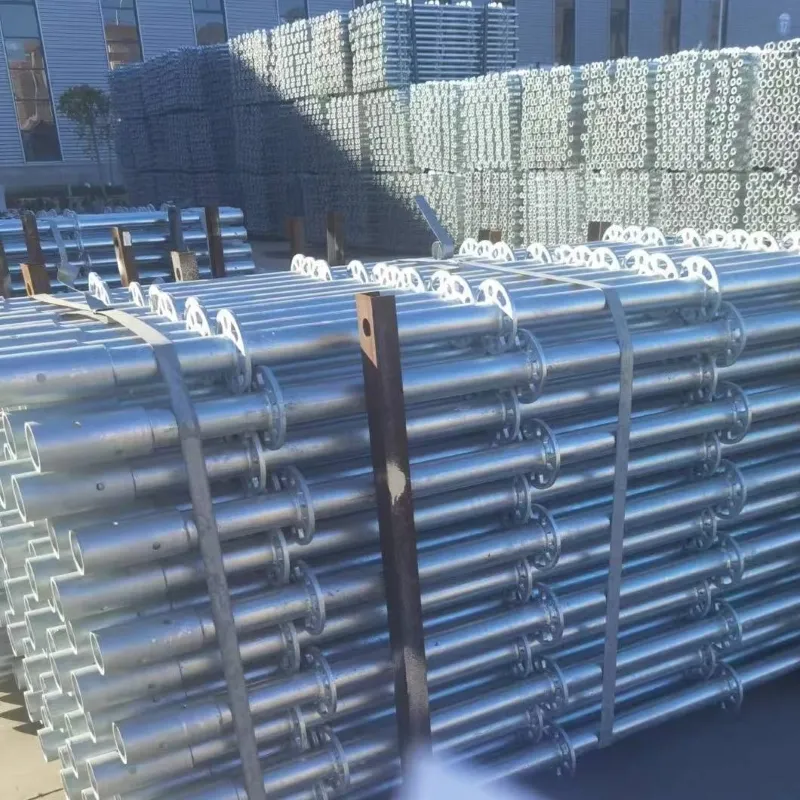
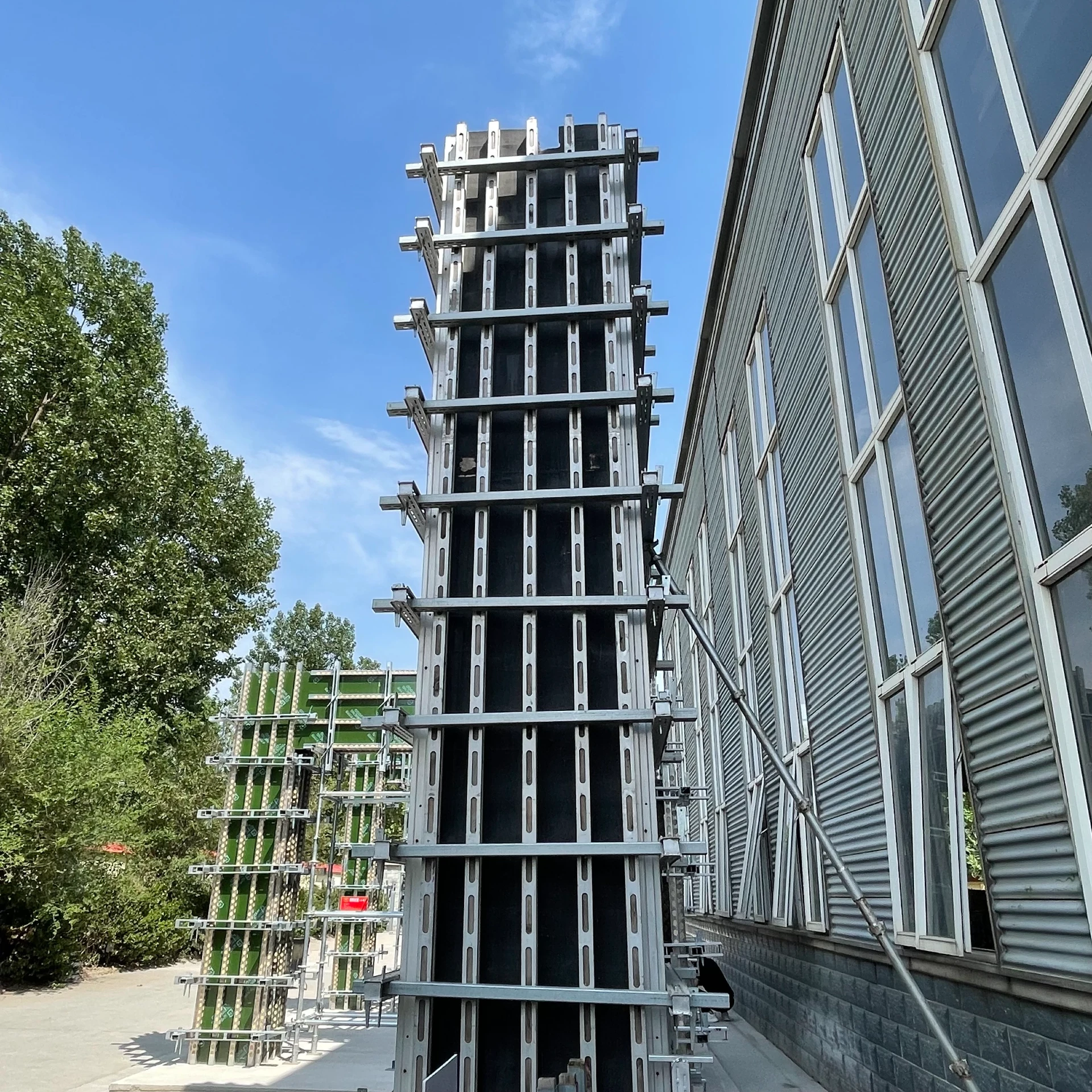
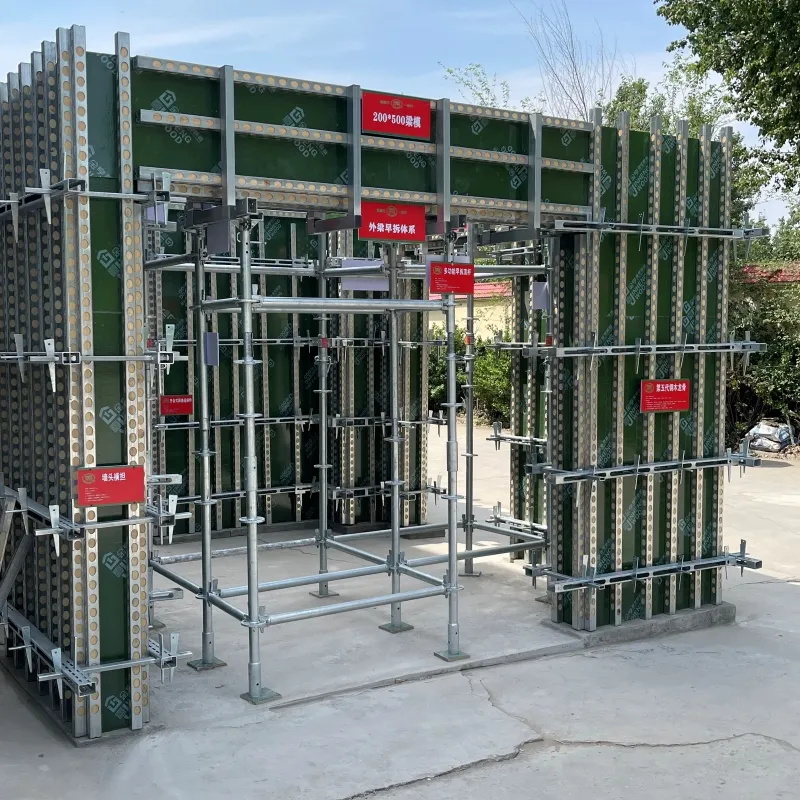
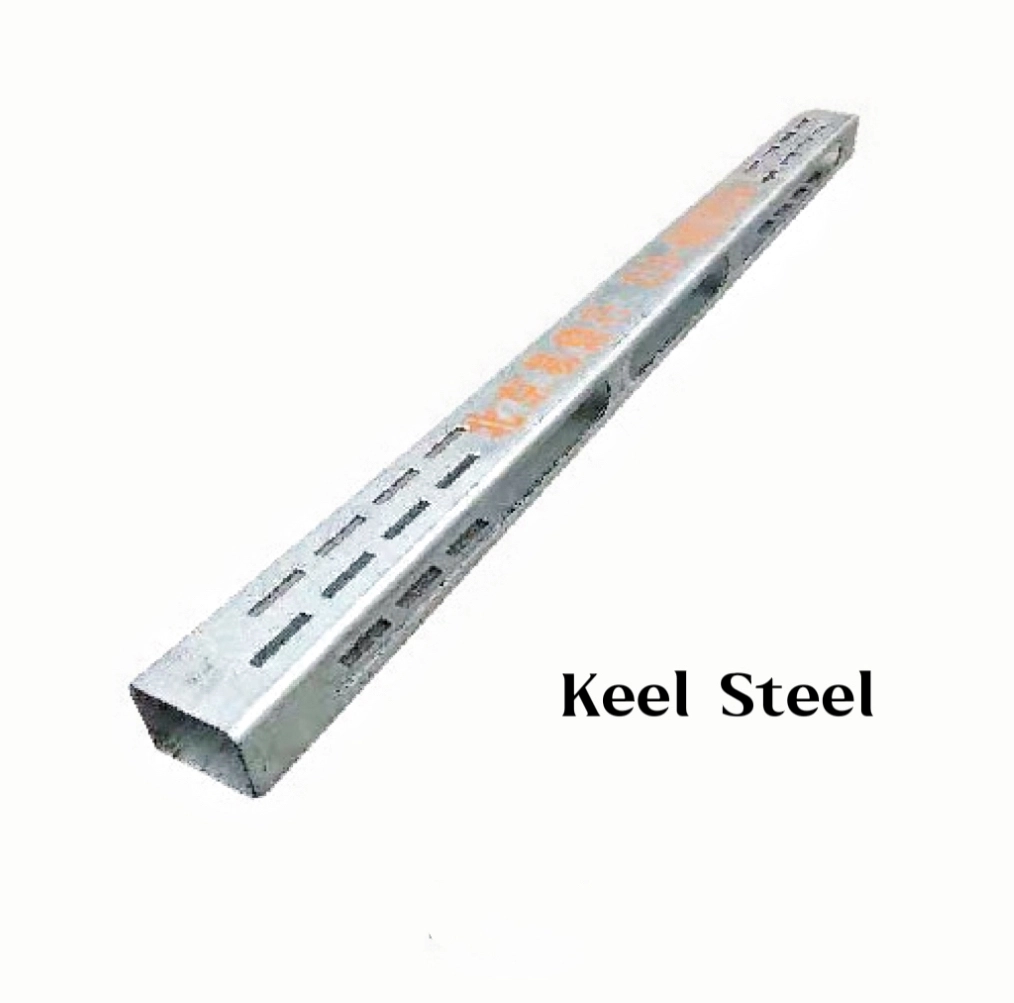
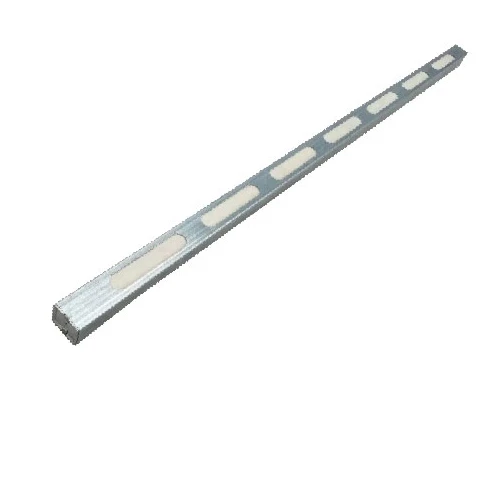
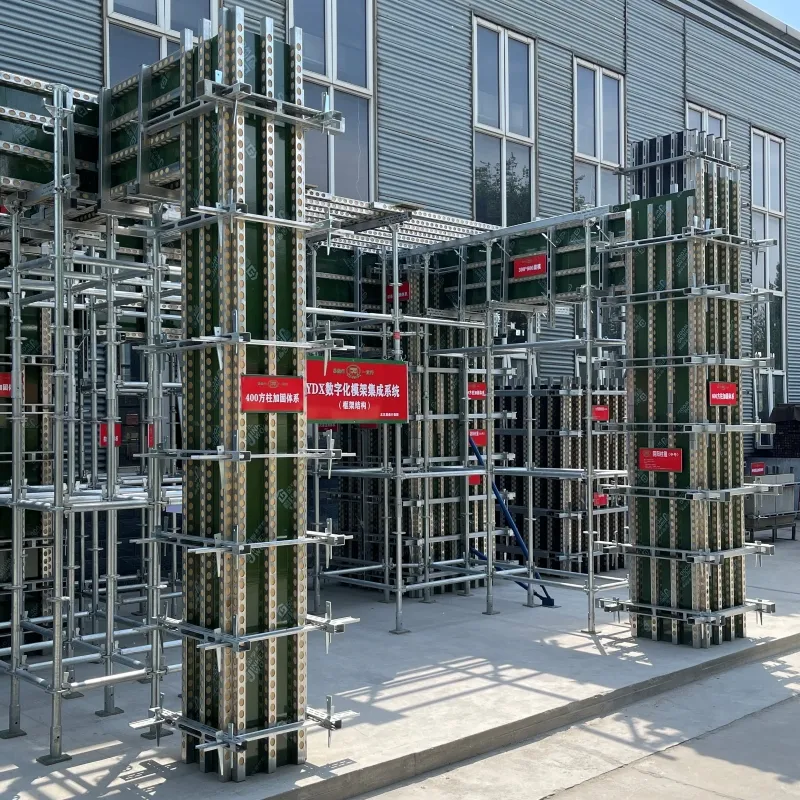
“Standards - Early Release” is a modular early-demolition support system built around disc snap risers, beam-side risers, multifunction jacks, cross bars, bases, bottom brackets, early-release buckles, main/secondary keels, beam brackets, and wood or plastic formwork. Origin: East side of Hongye Avenue, Dingzhou Economic Development Zone, Hebei Province. In plain English: it keeps the structure supported while allowing partial formwork removal once concrete hits a verified early strength. The market shift is obvious—fast-track schedules, labor pressure, and clients impatient for handover. To be honest, I’ve seen crews shave whole floor cycles by 20–30% using this approach.
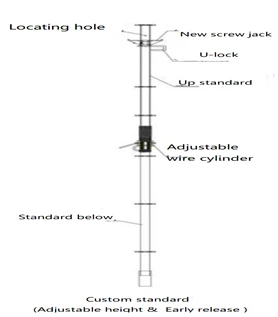
Core advantages (field notes)
- Earlier reuse of formwork sets, fewer total sets on site.
- Shorter cycle times on high-rise reinforced concrete floors—especially repetitive bays.
- Surprisingly stable under staged unloading thanks to early-release buckles and jacks.
- Compatible with wood or plastic sheathing; crews like the lighter plastic in wet seasons.
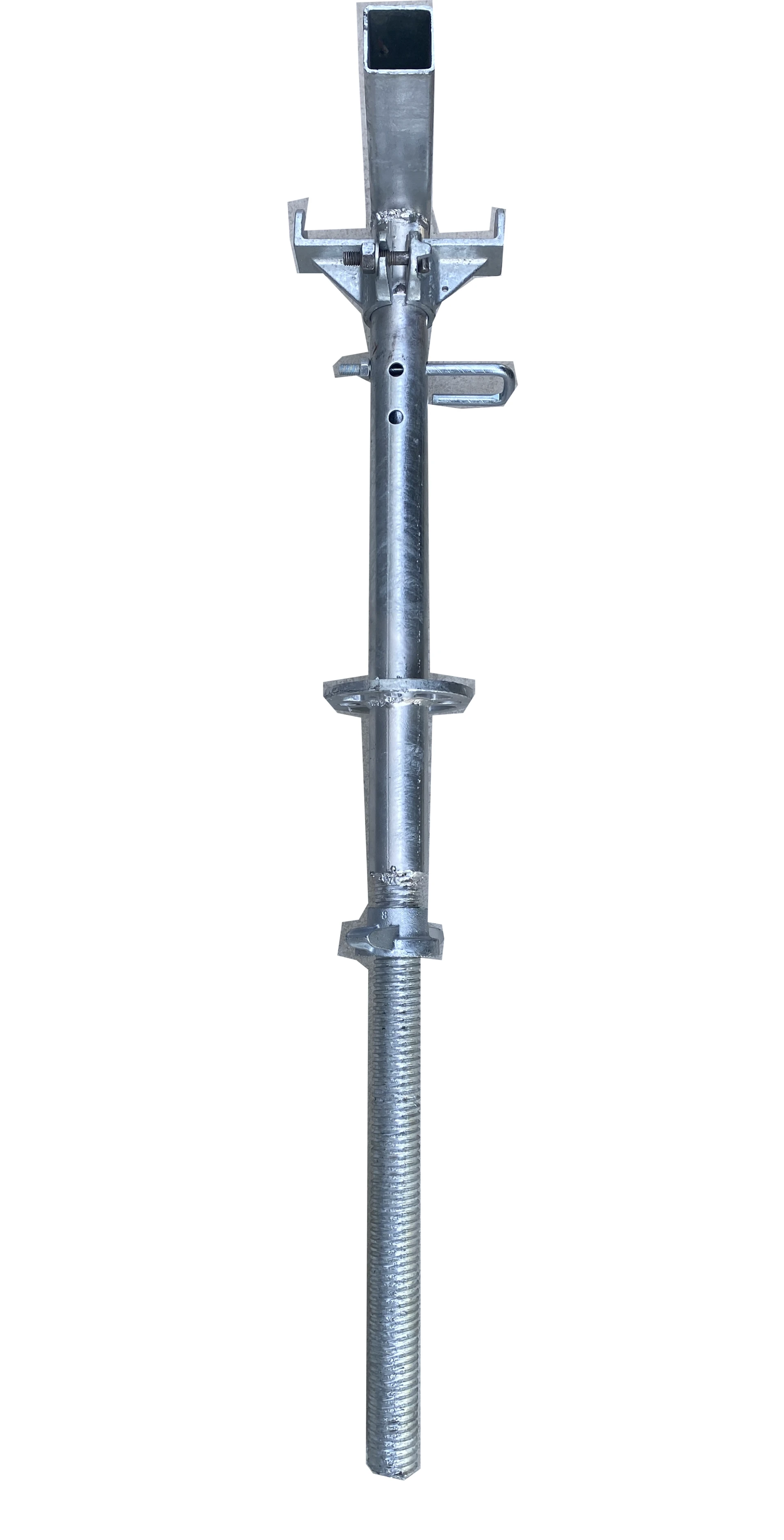
Typical applications
High-rise and super high-rise floors, transfer slabs, parking podiums, and large flat plates. Also useful in tight urban cores where laydown for extra frames is zero. Many customers say the system pays for itself by level 6–8 on residential towers. And yes, it meshes well with scaffolding for perimeter access; think of it as the fast, internal falsework engine.
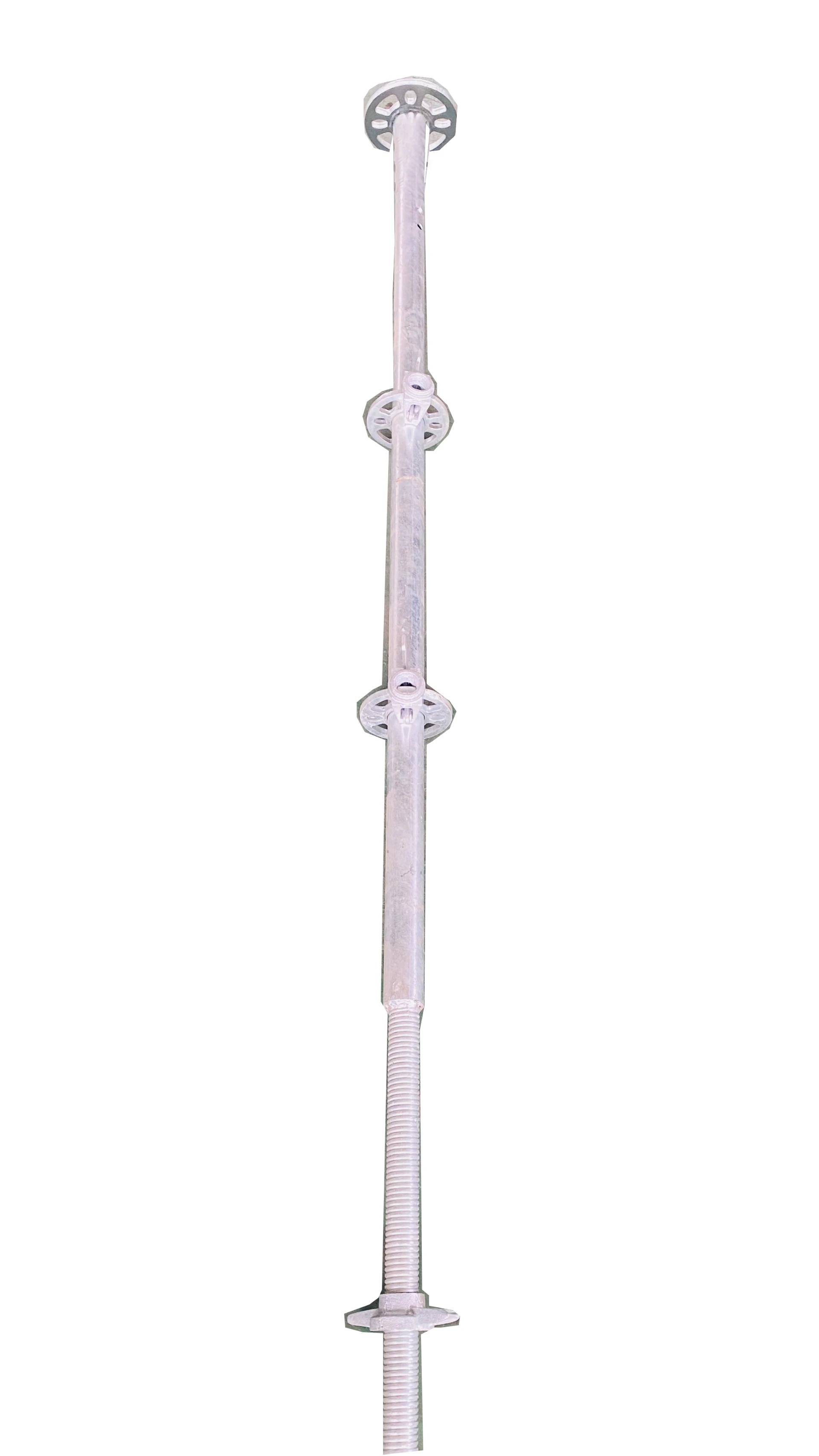
Product specifications (key data)
| Material | Q235/Q345 steel, hot-dip galvanized or powder-coated |
| Vertical riser diameter | ≈48.3 mm (typ.), wall 3.2–3.5 mm |
| Allowable load (single post) | 30–40 kN (real-world use may vary; design per calc.) |
| Jack adjustment travel | ≈300 mm |
| Early strike threshold | Concrete fc ≈ 10–15 MPa with reshoring plan |
| Safety factor | ≥2.5 (per EN 12812 method) |
| Service life | 8–12 years; 300–500 cycles with maintenance |
| Compatibility | Wood/plastic formwork, beam bottom beams, beam brackets |
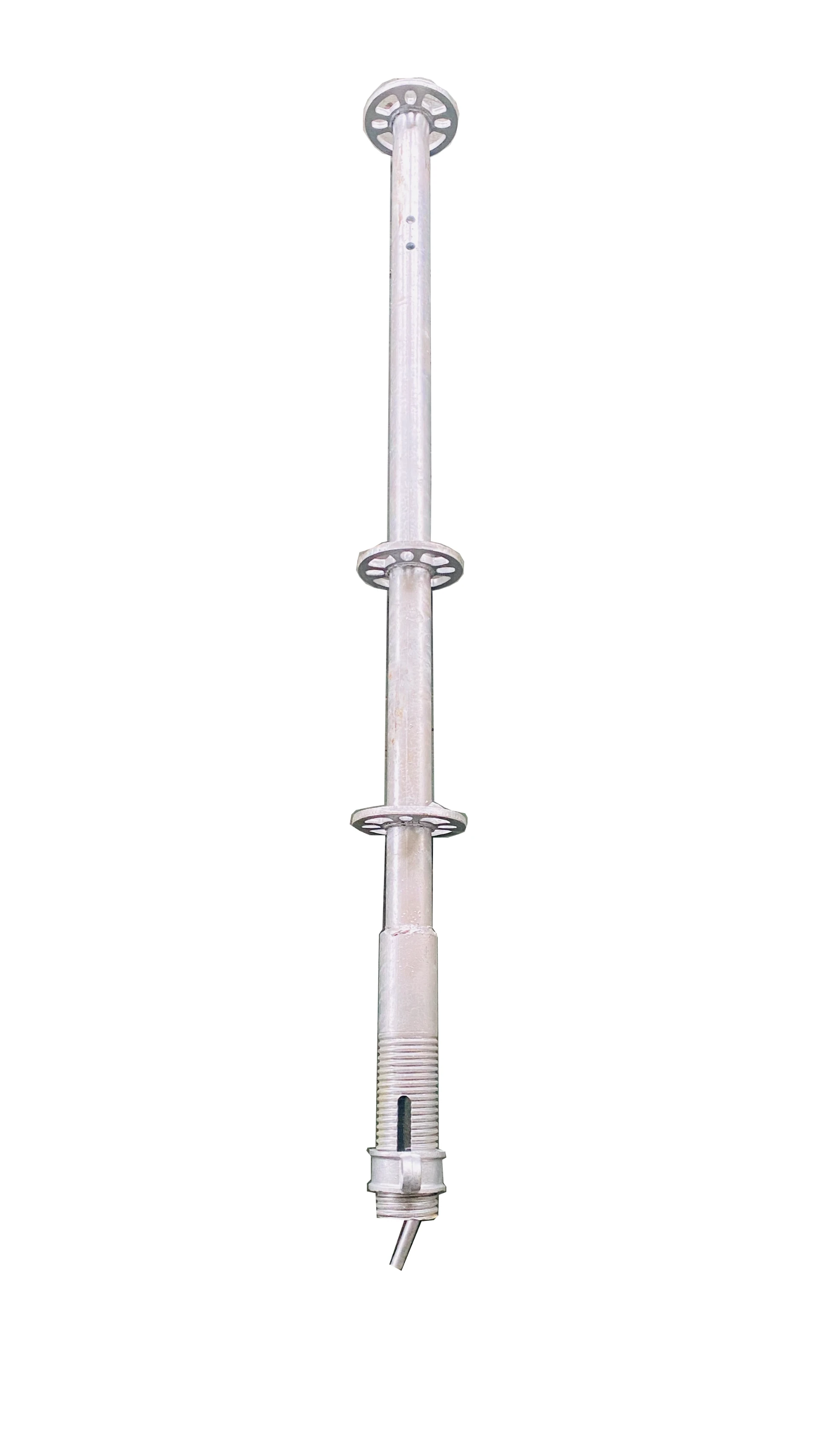
Process flow, testing, and QA
- Materials: certified Q235/Q345 steel; coating thickness checked (≥70 μm galvanized, typical).
- Method: lay out grids, set bases and bottom brackets, install risers and cross bars, place keels and sheathing, then early-release devices. Pre-pour inspection per checklists.
- Testing: load tests to EN 12812; weld inspection UT/MT spot checks; dimensional tolerance checks.
- Pour and cure: cylinders or in-situ maturity; early striking when fc meets plan; reshoring maintained.
- Service life: corrosion monitoring; component rotation; replace on deformation > L/1000 or visible cracks.
- Industries: residential towers, hospitals, malls, data centers—any fast-cycle slab work alongside scaffolding access.
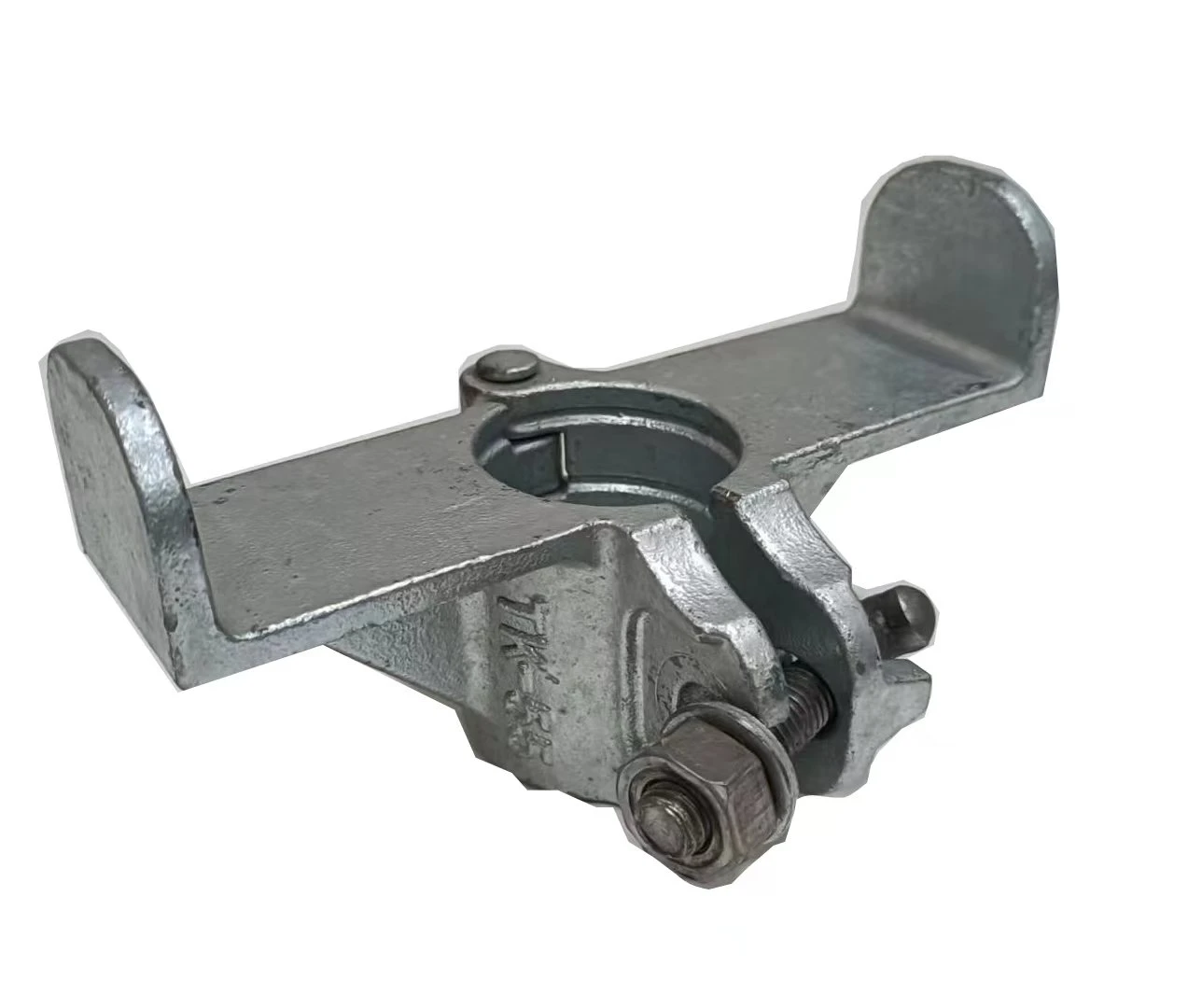
Vendor snapshot (what buyers compare)
| Vendor | Early-release type | Max post load | Certs | Lead time | Notes |
|---|---|---|---|---|---|
| Standards - Early Release | Buckle + jack | 30–40 kN | ISO 9001; EN 12812 compliance | ≈3–5 weeks | Custom sizing; Hebei origin |
| Brand X Quick‑Strike | Wedge cam | 28–35 kN | EN 12812 | 4–6 weeks | Lighter but pricier |
| Alpha Shores ER | Pin‑release | 25–32 kN | ISO 3834 (welding) | 6–8 weeks | Good for smaller bays |
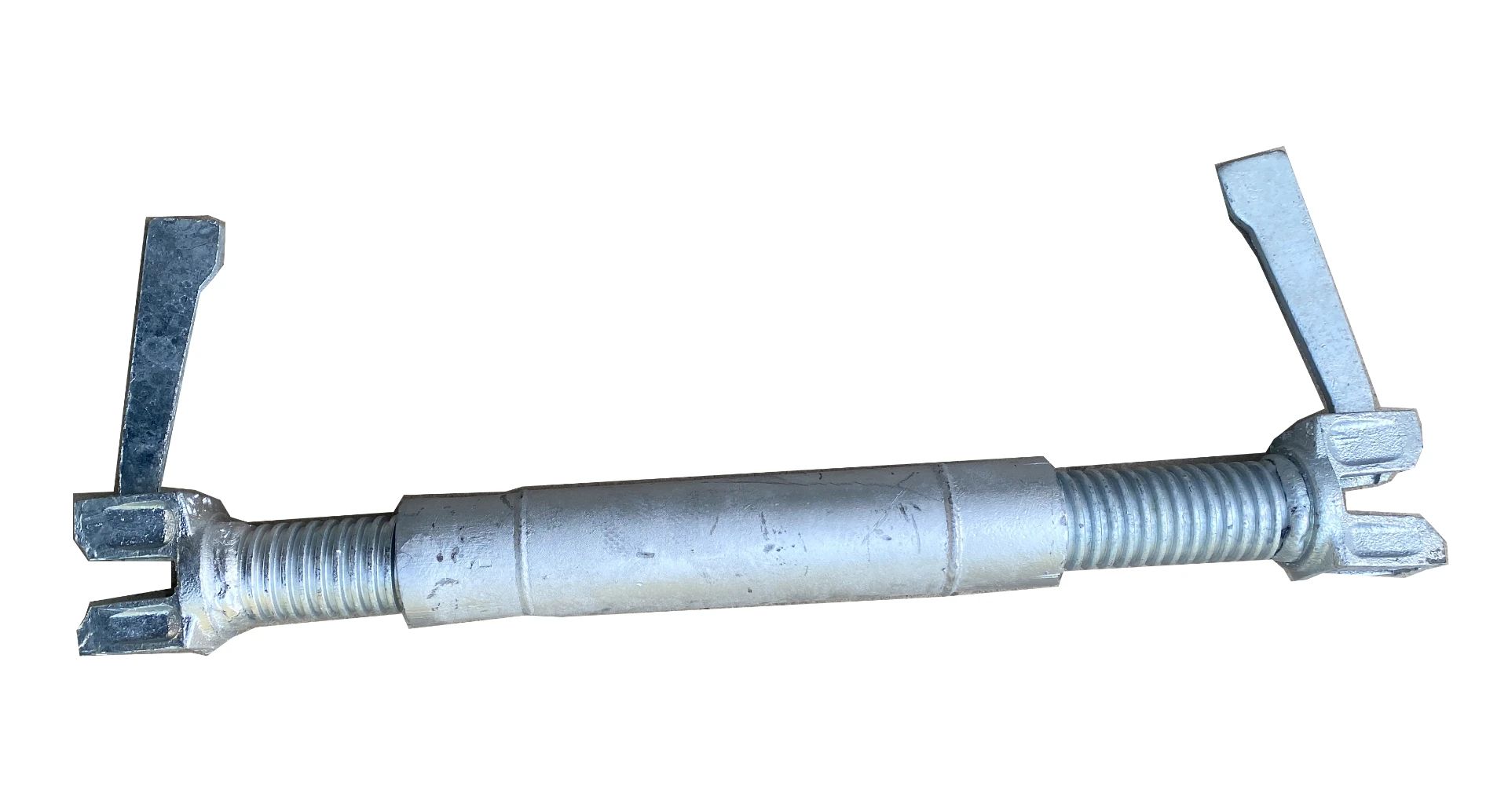
Case snippets and feedback
Case A, 38F residential tower: early strike at 12 MPa (per maturity probes), reshoring maintained two levels below. Cycle cut from 6.0 to 4.6 days per floor; deflection at mid‑span ≤ L/500, monitored with dial gauges. Foreman’s take: “We kept crews busy, less idle time between pours.”
Case B, hospital podium: heavy MEP zones; partial early release allowed corridor pours to proceed while main bays cured. Schedule saved ≈10 days overall. QA logged no post-yield events; coating intact after rainy season.
Common feedback: crews like the predictable jack feel; QC appreciates documented checks. However, training matters—first week, expect a few slowdowns while people learn the sequence with perimeter scaffolding.
Compliance, customization, and safety
- Design and checks guided by EN 12812 and BS 5975; striking windows referenced to ACI 347/ACI 318 notes.
- Custom post lengths, coating systems, and keel spacing available; project calc pack on request.
- Test data package: load curves, weld certs, coating thickness logs, and pre‑delivery fit checks.
- Integrates with perimeter scaffolding access plans; ensure clear separation of duties between access and falsework teams.
Authoritative references
- EN 12812: Falsework — Performance requirements and general design.
- ACI 347.2R: Guide for Shoring/Reshoring of Concrete Multistory Buildings.
- BS 5975:2019: Code of practice for temporary works procedures and the permissible stress design of falsework.
-
Comprehensive Guide to Scaffolding Rods for Safe Construction PracticesNewsFeb.24,2026
-
Comprehensive Guide to Different Types of Scaffolding for Construction ProjectsNewsFeb.11,2026
-
The Crucial Role and Safe Use of Scaffolding in Modern Construction ProjectsNewsJan.30,2026
-
Maximize Productivity and Safety with a Versatile 7m Scaffold TowerNewsJan.27,2026
-
6m Scaffold Tower: A Comprehensive Guide for B2B BuyersNewsJan.26,2026
-
6ft Scaffold: Durability and Safety in ConstructionNewsJan.25,2026
-
6 Scaffolding: A Modern Construction SolutionNewsJan.24,2026