
Scaffolding for Sale - Durable, Lightweight, Certified
Field Notes on Modern Ringlock Scaffolding: What to Know Before You Buy
If you’re scanning the market for scaffolding for sale, here’s the straight talk from someone who’s walked the yards, tapped the welds, and sat through too many load tests to count. Ringlock (often called disk-buckle) has become the default on major sites for a reason: fast fit-up, high capacity, and fewer headaches when the schedule gets ugly.
What’s trending in jobsites now
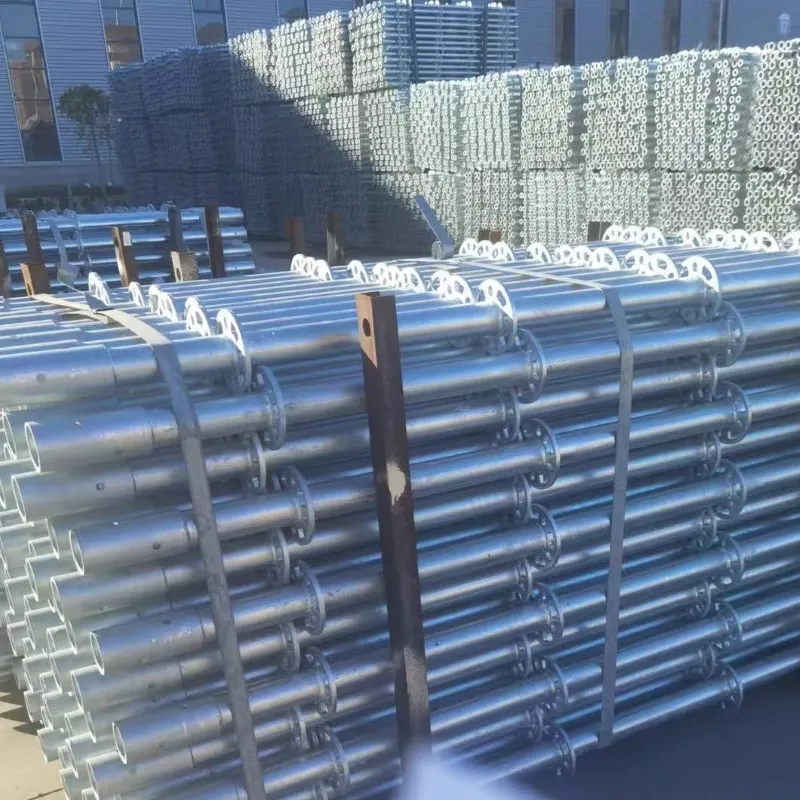
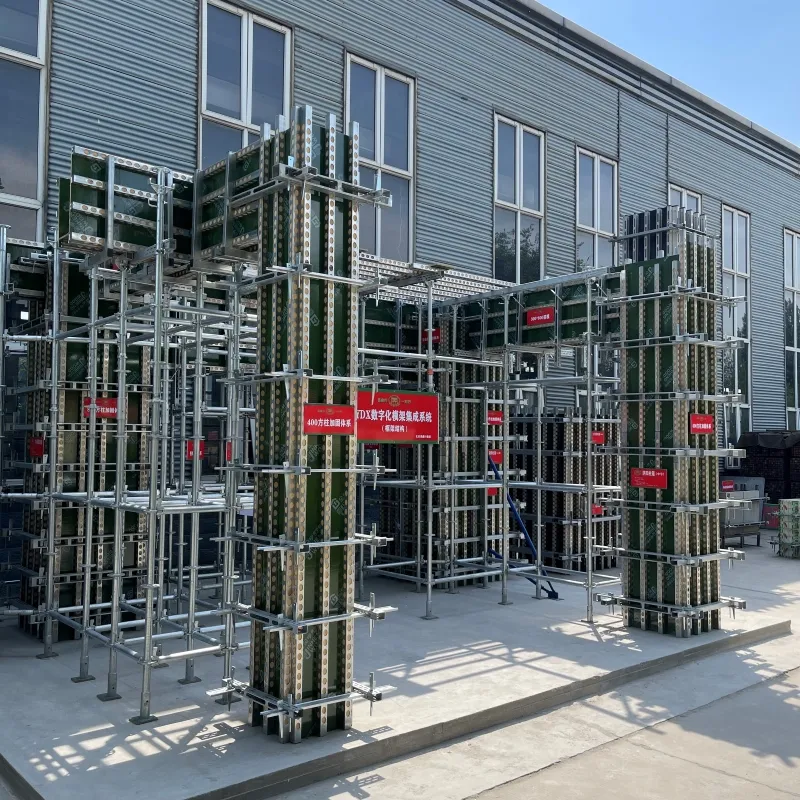
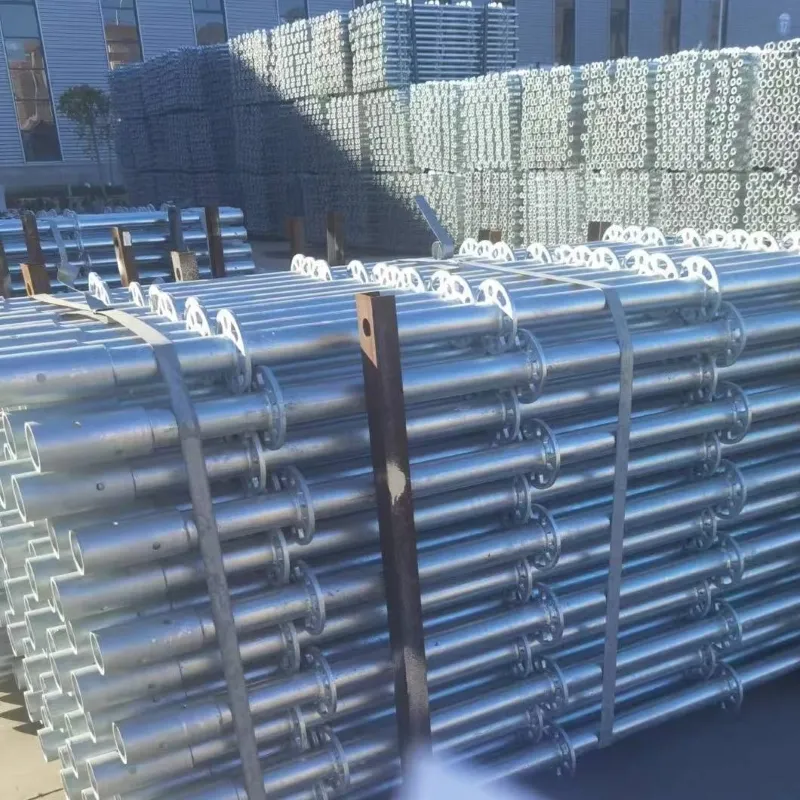
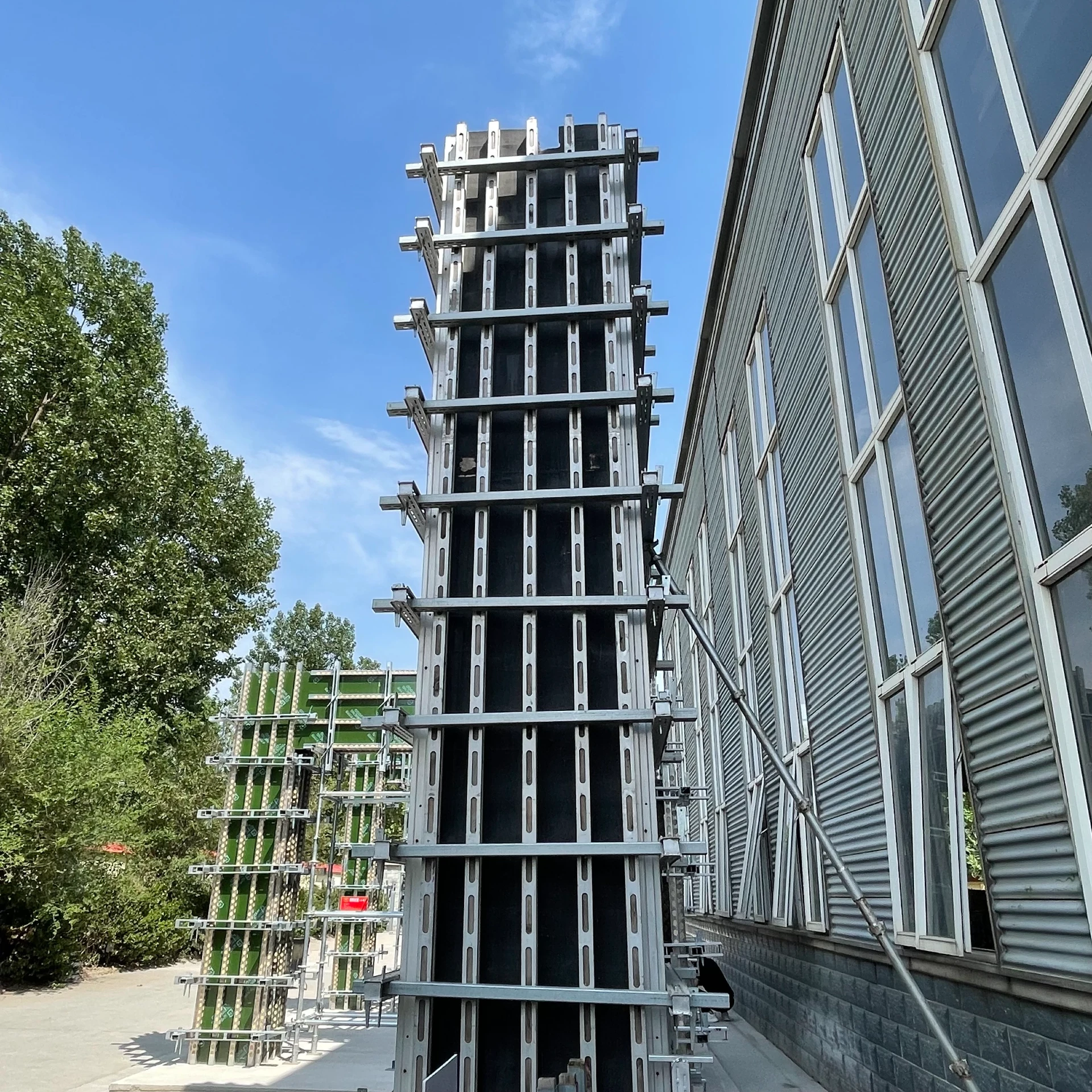
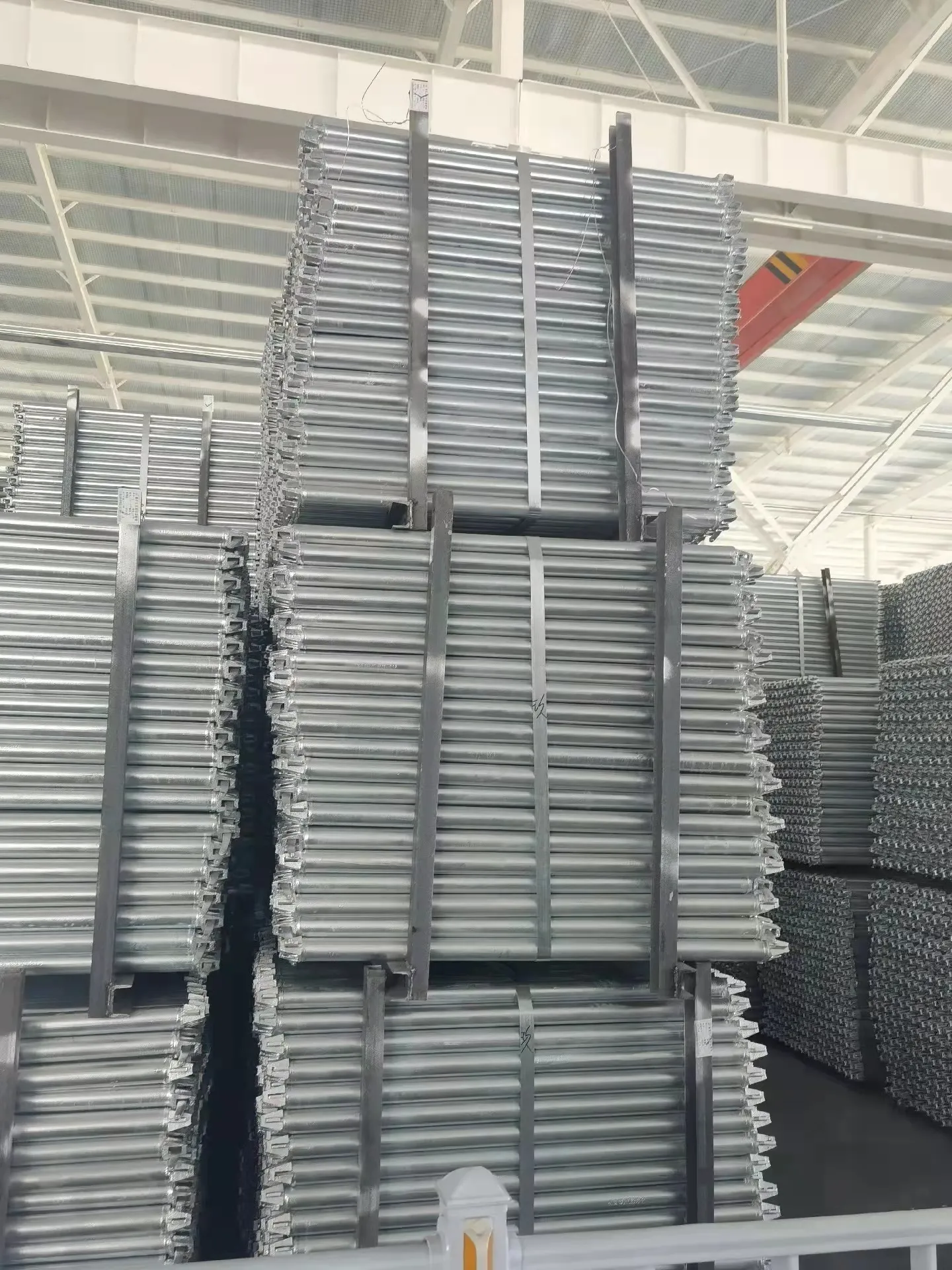
Procurement teams are standardizing around hot-dip galvanized ringlock with quick-latch ledgers, especially for high-rise cores, bridge segments, and shipyards. Two lines dominate: Type A for heavy support (formwork/falsework), Type B for house construction and decoration. Honestly, the speed of assembly is addicting—crews clip in ledgers and diagonals almost by muscle memory.
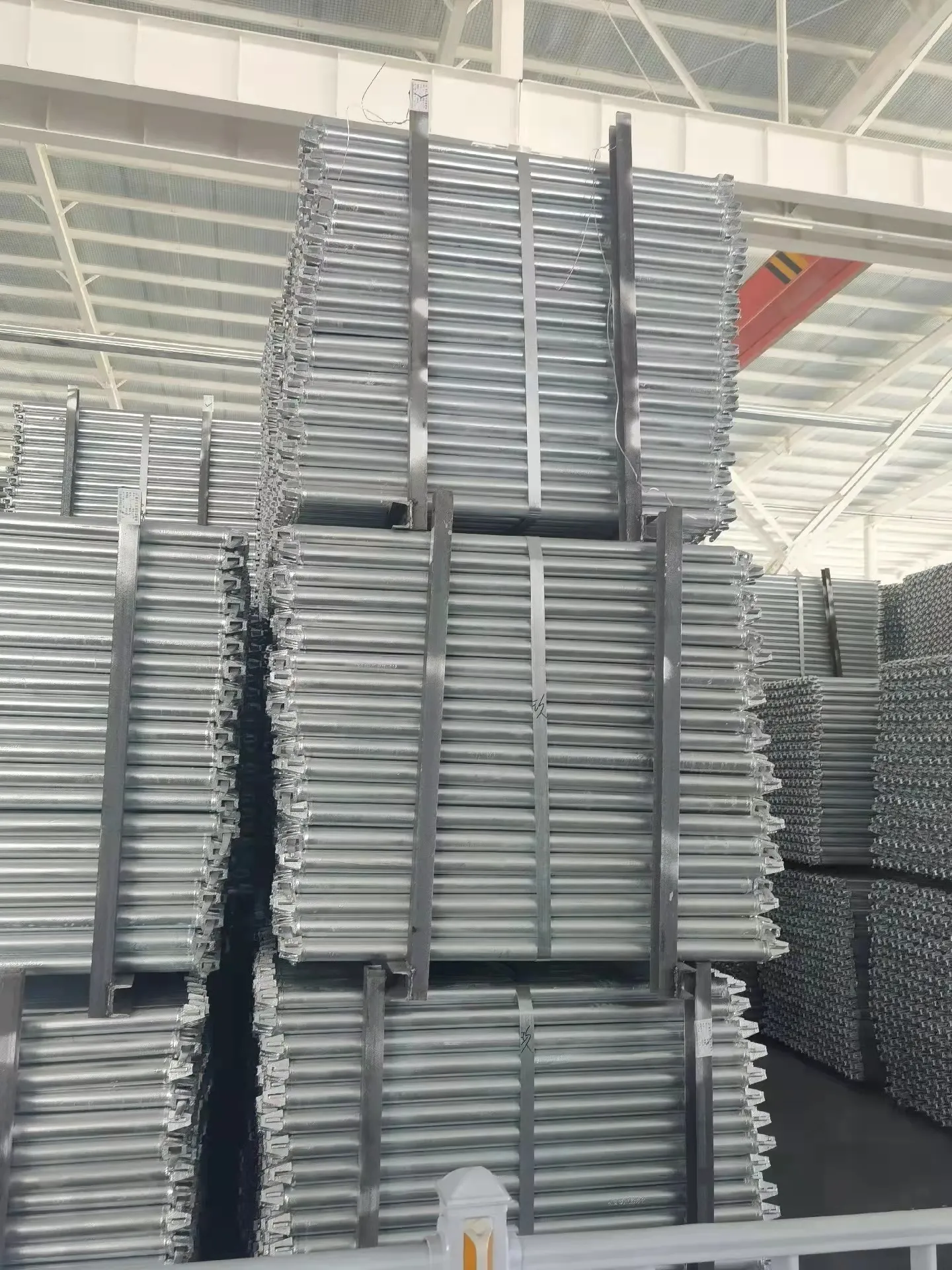
Core specifications (real-world, not brochure-speak)
| Item | Spec (≈ typical) |
|---|---|
| Vertical standard (OD × WT) | 48.3 × 3.2 mm, Q345B |
| Ledger / Diagonal | 48.3 × 2.8–3.0 mm, wedge-head connection |
| Rosette spacing | 500 mm typical |
| Surface | Hot-dip galvanized per ISO 1461 (≈70–100 μm Zn) |
| Vertical leg capacity | ≈60–90 kN per leg (test-dependent; design per EN 12811) |
| Platform class | EN 12811 Class 4–6 (field-config dependent) |
| Service life | 8–15 years with maintenance; coastal sites vary |
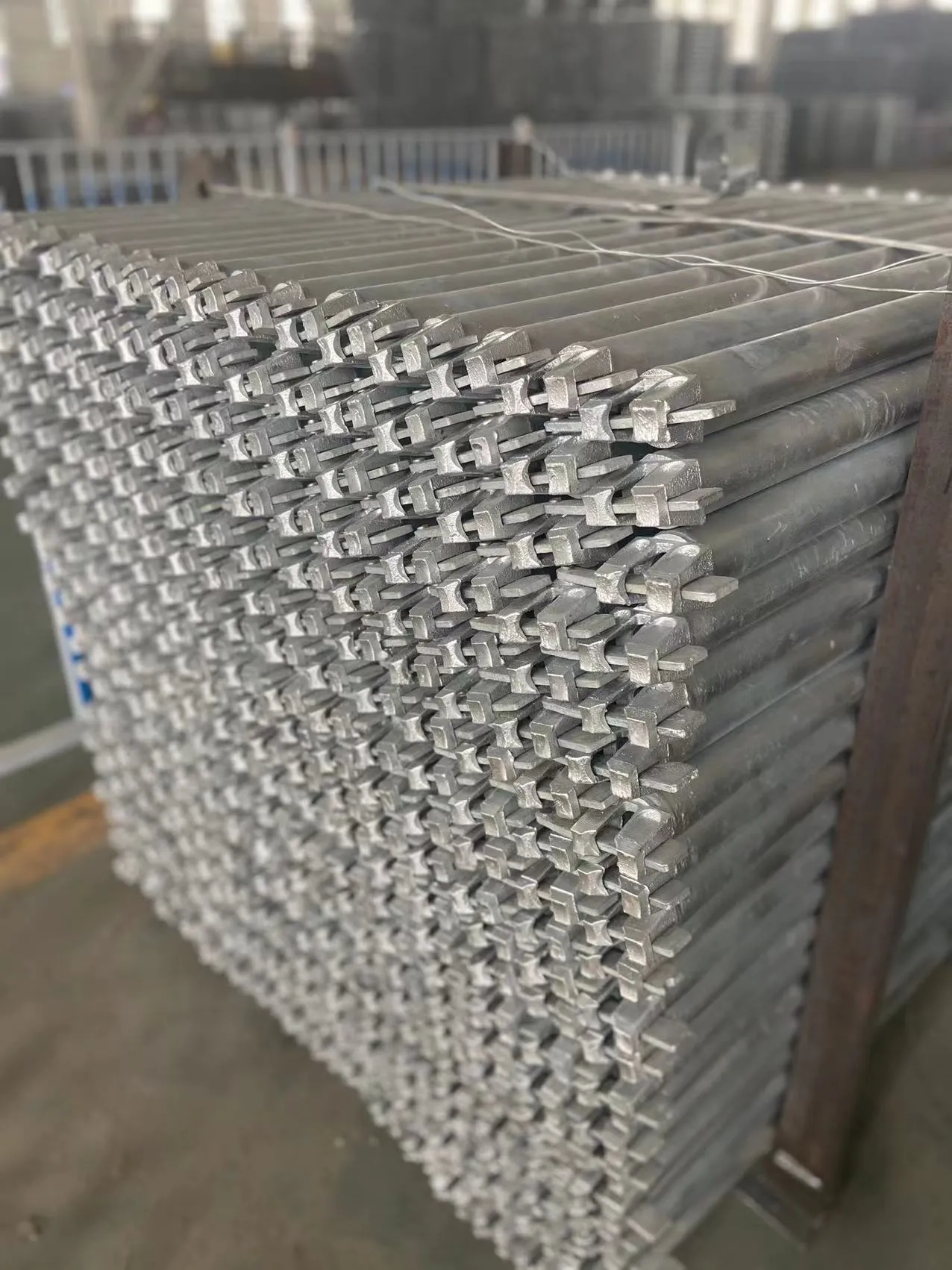
How it’s made (and why it matters)
Material: Q345B low-alloy high-strength steel is standard. Methods: CNC cutting, automated circular seam welding, rosette stamping, then hot-dip galvanizing. Tests: yield/UTS tensile tests, weld macro-etch, zinc thickness gauge checks, and occasionally salt-spray (ASTM B117, 240–480 h) on coupons. In fact, the zinc kettle quality often predicts service life—speaking from a chilly morning I spent at a plant on the east side of Hongye Avenue, Dingzhou Economic Development Zone, Hebei Province, where the galvanizing line ran like clockwork.
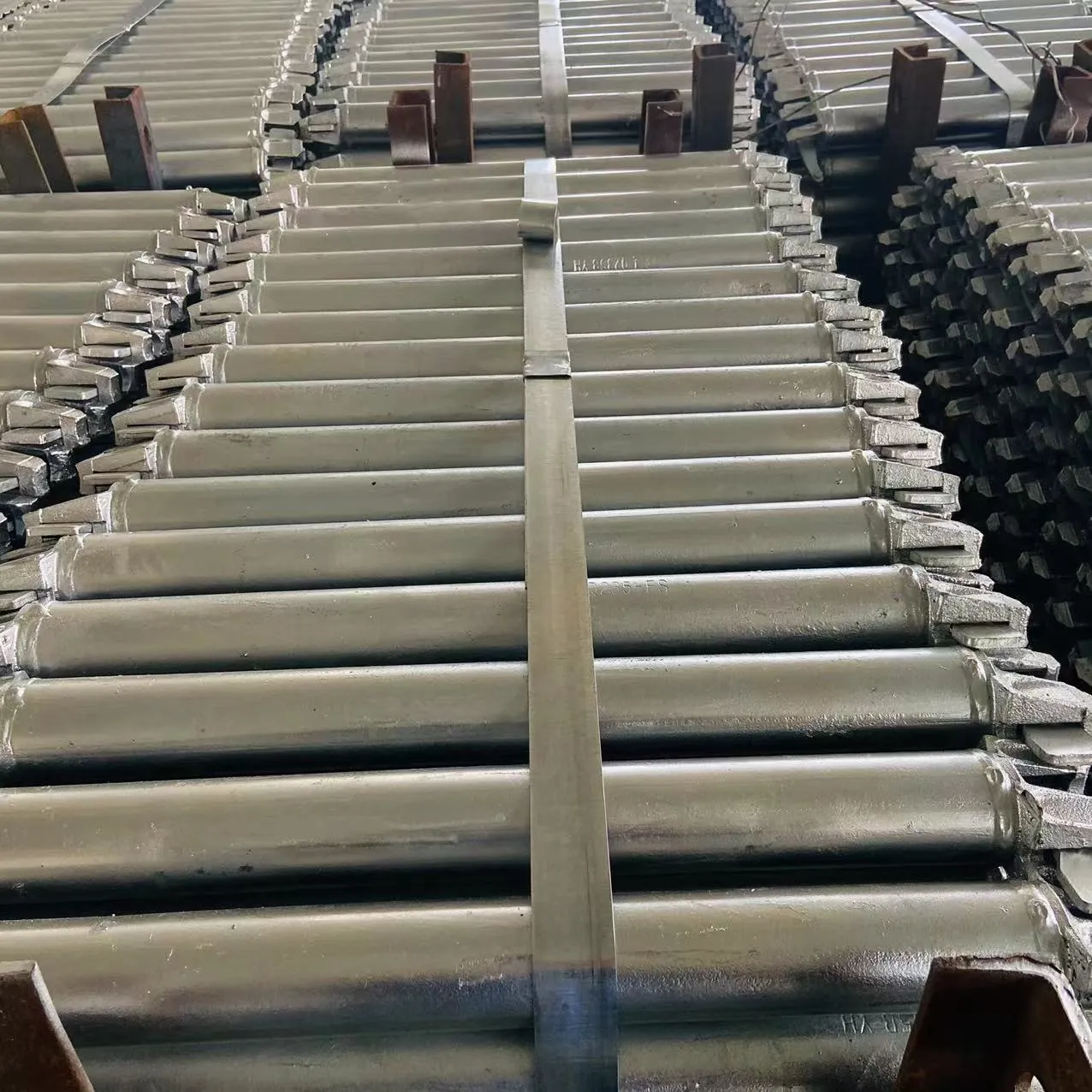
Where it shines
- High-rise cores and curtain wall access
- Bridge falsework and pier caps (Type A heavy-duty)
- Industrial plants: shutdowns, pipe-racks, boilers
- Shipbuilding hull access and block assembly
- Residential build and fit-out (Type B)
Many customers say the biggest win is fewer components for the same geometry. Less clutter, faster checks.
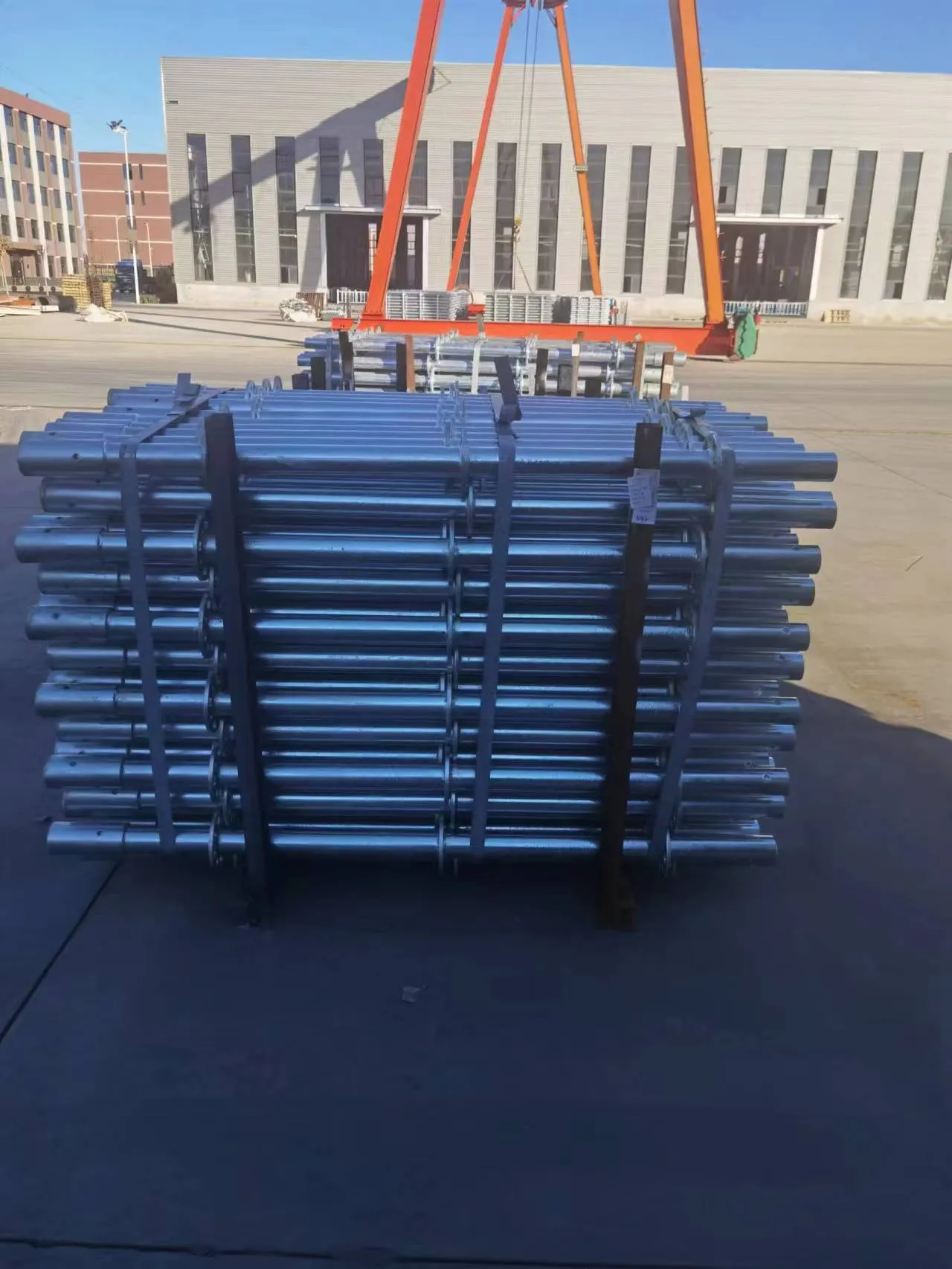
Compliance, certifications, and test data
Look for documented conformity to EN 12811 and EN 74, welding per ISO 3834, and factory ISO 9001/14001/45001. Typical in-house data: leg compression tests to failure, ledger shear at wedge seats, slip tests on rosettes, and guardrail bending. Real-world use may vary—wind, debris, and foundation settlement always win arguments.
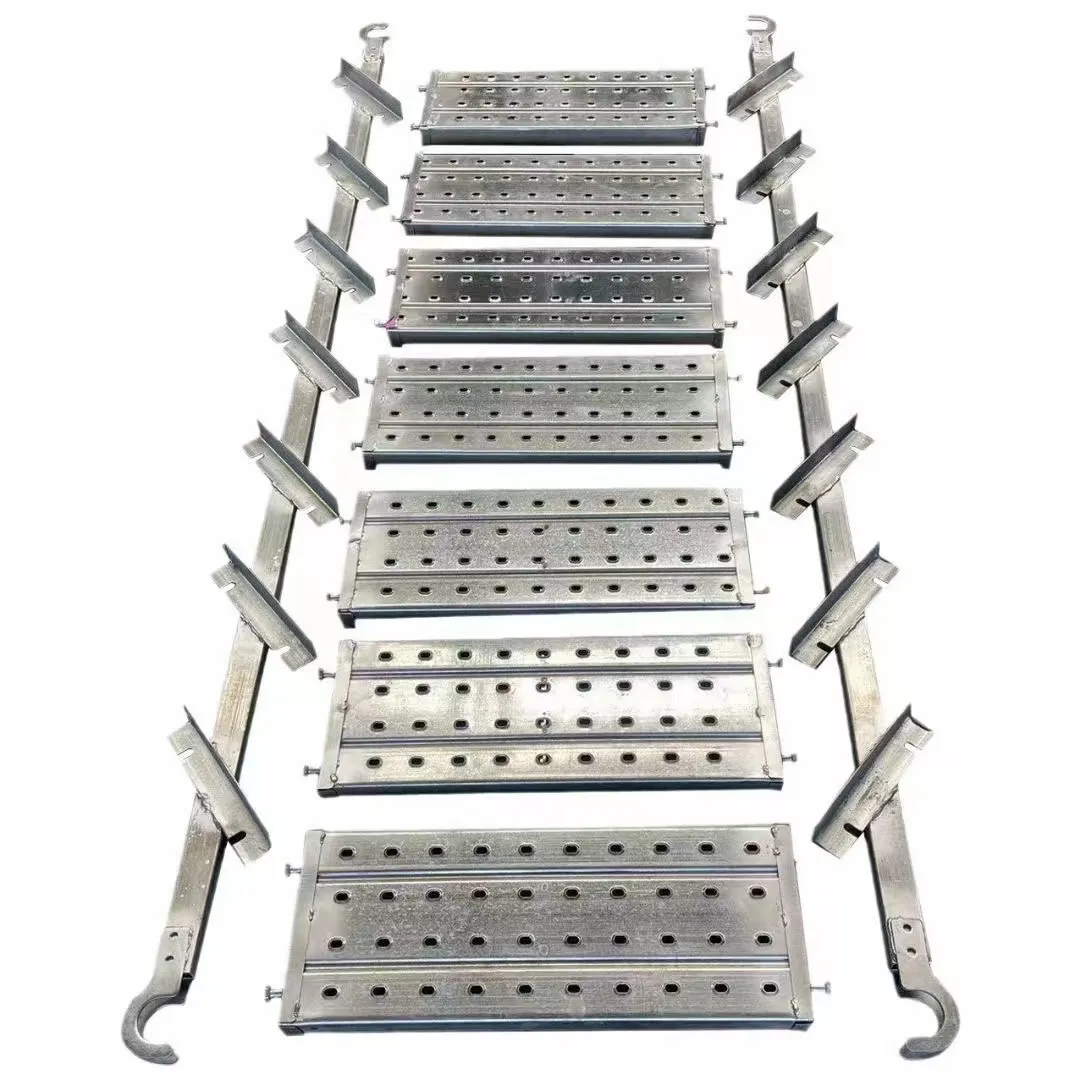
Vendor snapshot (what I’ve seen buyers compare)
| Factor | Hebei Ringlock Maker | Generic Importer | Local Rental Yard |
|---|---|---|---|
| Standard compliance | EN 12811 dossiers on request | Varies; ask for test reports | Strong on OSHA use, mixed on EN files |
| Material / galvanizing | Q345B; ISO 1461 HDG | Mixed heats; HDG or pre-galv | Used fleet; condition varies |
| Lead time | 3–5 weeks ≈ | Stock or 6–8 weeks | Immediate |
| Customization | Custom bay sizes, colors, stamps | Limited | None (rental spec) |
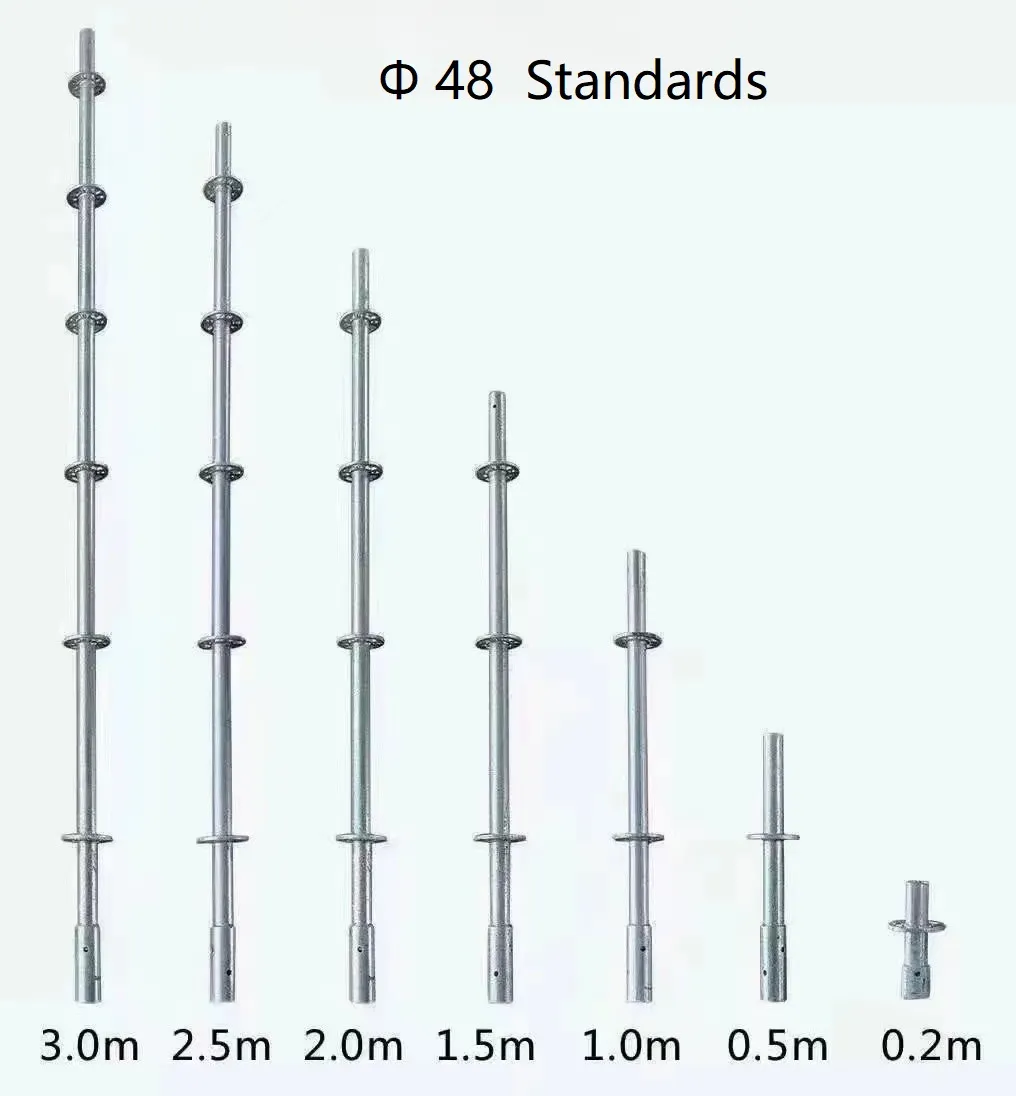
A quick case duo
Type A heavy support: A bridge deck pour (32 m span) used 2.0 m bays and dense diagonals; lab-tested leg capacity 80 kN, site design at 40 kN with 2.0 safety factor. Crew said setup time dropped ≈30% vs. tube-and-coupler.
Type B façade access: Mid-rise curtain wall install ran Class 5 platforms; surprisingly few punch-list items—mainly toe board swaps. “Locks felt tight even after a month of rain,” the superintendent told me.
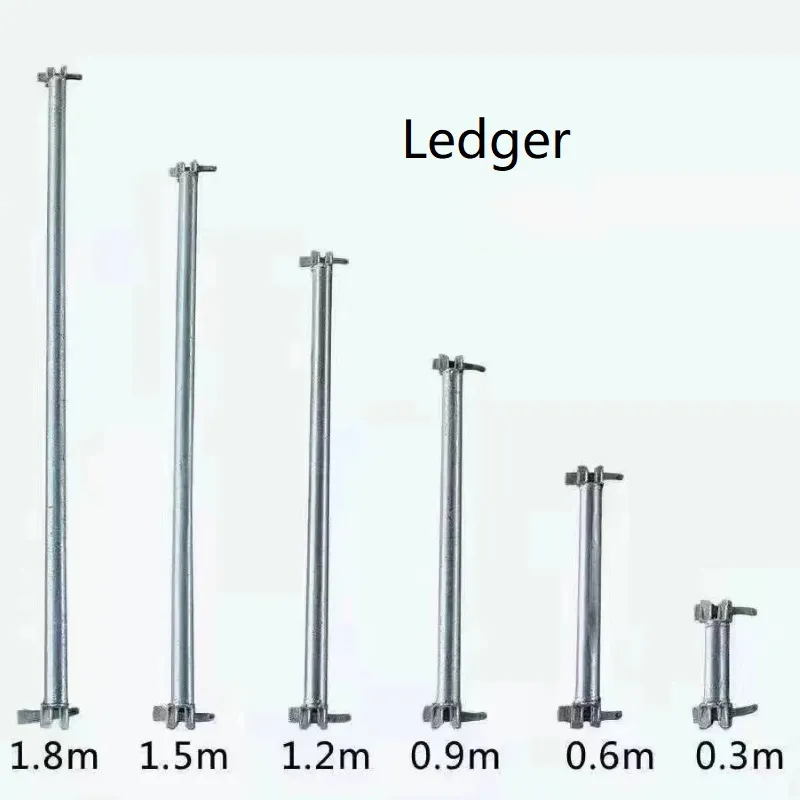
Buying checklist
- Request EN 12811 structural calculations and recent leg/ledger test reports.
- Confirm zinc thickness certificates and weld qualifications (WPS/PQR).
- Ask for spare wedges, pins, and base jacks—small parts go missing.
- For permanent fleets, specify hot-dip galvanizing; pre-galv scratches faster.
If you need a tailored package of scaffolding for sale (Type A or B), note the origin: East side of Hongye Avenue, Dingzhou Economic Development Zone, Hebei Province. Factory tours are welcome—always brings clarity.
References
-
Comprehensive Guide to Scaffolding Rods for Safe Construction PracticesNewsFeb.24,2026
-
Comprehensive Guide to Different Types of Scaffolding for Construction ProjectsNewsFeb.11,2026
-
The Crucial Role and Safe Use of Scaffolding in Modern Construction ProjectsNewsJan.30,2026
-
Maximize Productivity and Safety with a Versatile 7m Scaffold TowerNewsJan.27,2026
-
6m Scaffold Tower: A Comprehensive Guide for B2B BuyersNewsJan.26,2026
-
6ft Scaffold: Durability and Safety in ConstructionNewsJan.25,2026
-
6 Scaffolding: A Modern Construction SolutionNewsJan.24,2026