
Scaffolding Load Capacity Standards
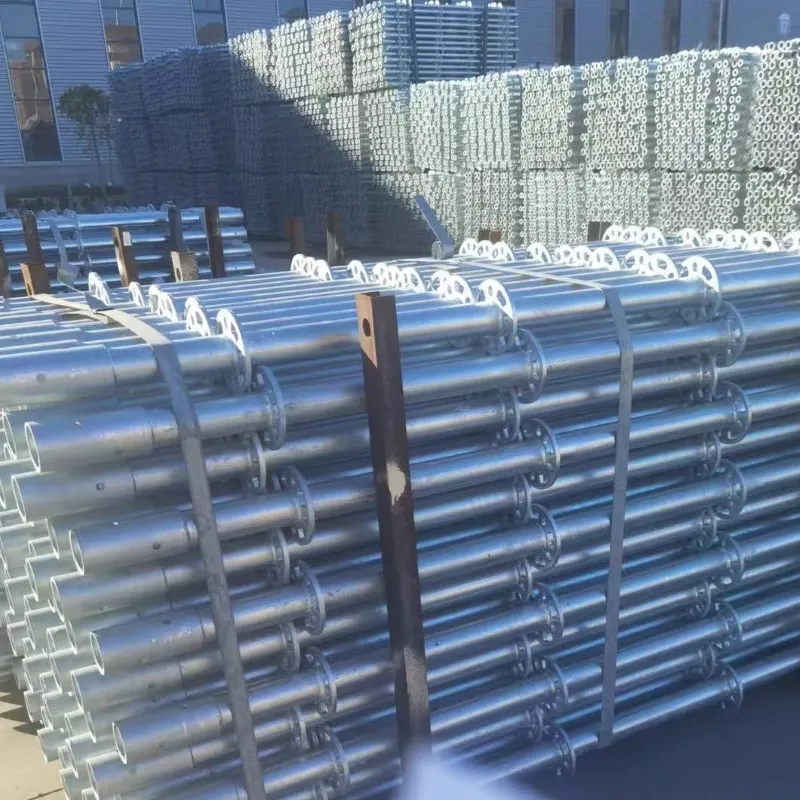
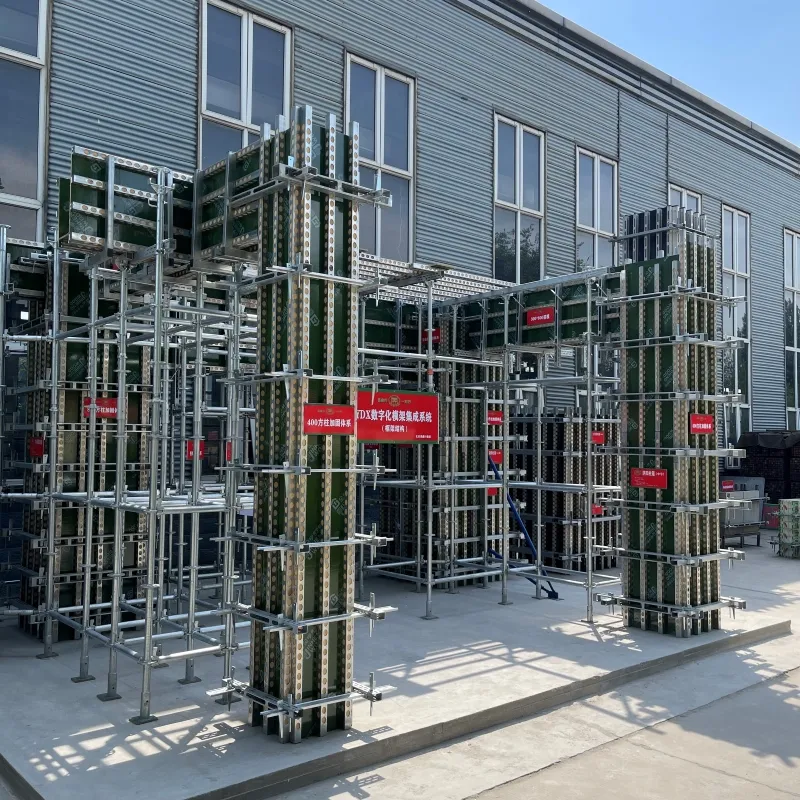
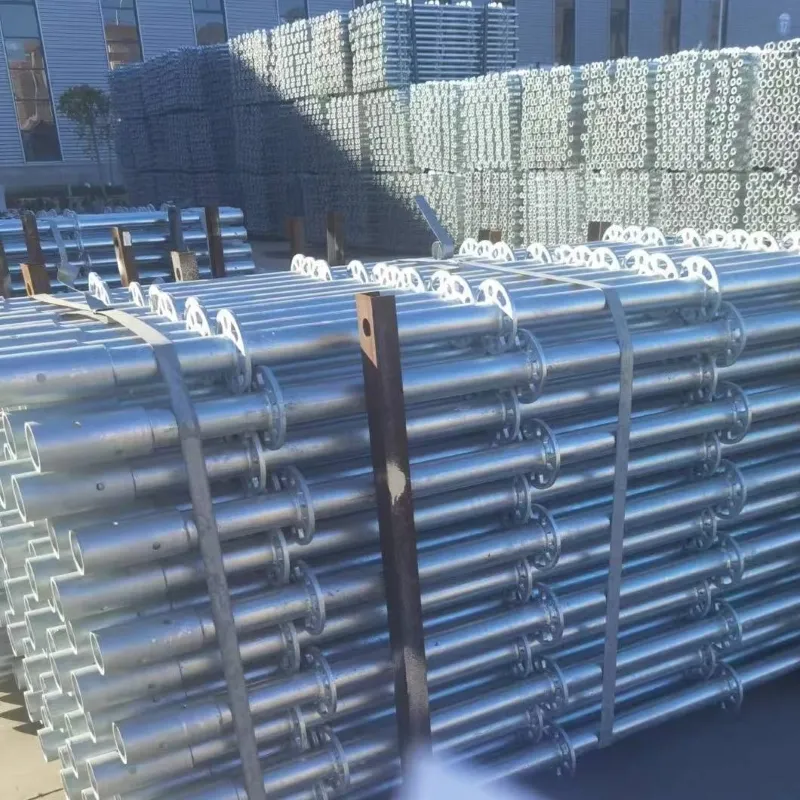
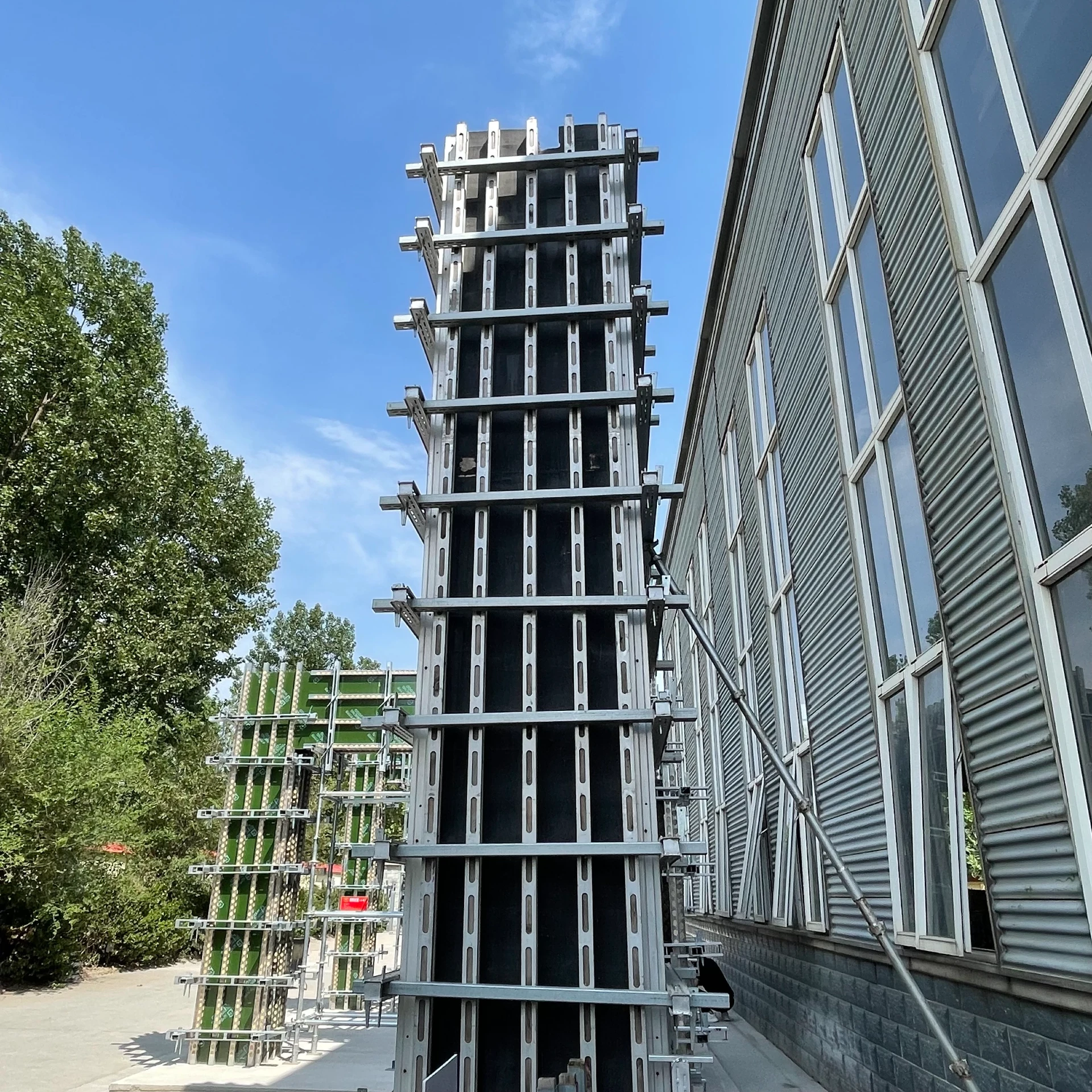
Understanding scaffolding load capacity standards is critical for ensuring safety, compliance, and optimal performance across construction projects. As a wholesaler, HeBei Yidingxing Technology Co.,LTD. recognizes that partners rely on accurate knowledge of these standards to select appropriate products, from scaffold platform options to rolling scaffold systems, and to advise customers effectively. This guide explores global load capacity standards, how they apply to different scaffolding types, and key factors influencing load ratings, empowering wholesalers to maintain safe, compliant, and marketable inventory.
Scaffolding Load Capacity Classifications
Basic Load Categories
- Light-Duty Scaffolding: Designed to support up to 200 kg/m², light-duty scaffolding is suitable for tasks like painting or minor repairs, where only a few workers and light tools are present. HeBei Yidingxing Technology Co.,LTD. offers light-duty systems with aluminum components, ideal for residential projects requiring easy maneuverability.
- Medium-Duty Scaffolding: With a load capacity of 300–500 kg/m², medium-duty scaffoldingaccommodates larger teams and heavier materials, common in commercial construction. HeBei Yidingxing Technology Co.,LTD.’s medium-duty systems feature steel frames and reinforced joints to handle consistent loads.
- Heavy-Duty Scaffolding: Supporting 500 kg/m² or more, heavy-duty scaffoldingis used for industrial projects, such as bridge construction or machinery installation. These systems from HeBei Yidingxing Technology Co.,LTD. include thick-walled steel tubes and robust base plates to withstand extreme weights.
Dynamic vs. Static Loads
- Static Loads: These include the weight of the scaffoldingstructure itself, plus permanent materials like stacked bricks or stored equipment. HeBei Yidingxing Technology Co.,LTD. calculates static load capacities by factoring in the weight of all components, ensuring the system can support its own mass without deformation.
- Dynamic Loads: Caused by moving workers, tools, or vibrations from nearby machinery, dynamic loads require scaffoldingto have additional strength to absorb sudden impacts. HeBei Yidingxing Technology Co.,LTD.’s systems are tested to handle dynamic loads 20% higher than their static ratings, providing a safety buffer.
Table: scaffolding Load Capacity Standards by Type
|
scaffolding Type |
Load Capacity (kg/m²) |
Primary Applications |
HeBei Yidingxing Technology Co.,LTD. Model Example |
|
Light-Duty Frame Scaffolding |
200 |
Residential painting, minor repairs |
AL-200 Aluminum Scaffold |
|
Medium-Duty Tube & Clamp |
300–500 |
Commercial construction, drywall |
ST-400 Steel Tube Scaffold |
|
Heavy-Duty System Scaffolding |
500+ |
Industrial projects, bridge work |
HD-600 Heavy-Duty Scaffold |
|
rolling scaffold |
200–300 |
Indoor renovations, warehouse work |
RS-250 Mobile Rolling Scaffold |
Scaffold Platform Load Capacity Specifications
Platform Material and Load Ratings
- Steel Platforms: scaffold platformmade of steel typically supports 400–600 kg/m², making them ideal for heavy-duty use. HeBei Yidingxing Technology Co.,LTD.’s steel platforms are hot-dip galvanized to resist corrosion, with reinforced edges to prevent bending under load.
- Aluminum Platforms: Lighter than steel, aluminum scaffold platformoptions handle 200–300 kg/m², suitable for light to medium tasks. HeBei Yidingxing Technology Co.,LTD.’s aluminum platforms feature anti-slip surfaces and are often paired with rolling scaffold for easy mobility.
- Wooden Platforms: Treated wooden scaffold platformsystems support 250–350 kg/m², offering a cost-effective medium-duty solution. HeBei Yidingxing Technology Co.,LTD. sources high-grade plywood with water-resistant coatings, ensuring durability in outdoor conditions.
Platform Design Factors Affecting Load Capacity
- Span Length: Longer scaffold platformspans reduce load capacity, as the middle of the platform sags under weight. HeBei Yidingxing Technology Co.,LTD. recommends limiting spans to 2.5 meters for steel platforms and 2 meters for aluminum ones to maintain rated capacities.
- Edge Support: Platforms must be fully supported along their edges by scaffoldingframes or beams. HeBei Yidingxing Technology Co.,LTD.’s platforms include hooks or clamps that distribute weight evenly across the supporting structure, preventing overloading at connection points.
- Overhang Limits: Overhanging a scaffold platformbeyond its supports by more than 300 mm reduces its load capacity by 50%. HeBei Yidingxing Technology Co.,LTD. marks maximum overhang lines on all platforms to guide safe installation.
Rolling Scaffold Load Capacity and Mobility Considerations
Wheel and Caster Load Ratings
- Caster Capacity: Each wheel on a rolling scaffoldmust support at least 1/4 of the total load (including the scaffold’s weight). HeBei Yidingxing Technology Co.,LTD.’s rolling scaffold uses 150 kg-rated casters for systems with a 600 kg total capacity, ensuring stability even when moving.
- Locking Mechanisms: Locked casters must withstand lateral forces without slipping, a critical safety feature for loaded rolling scaffold. HeBei Yidingxing Technology Co.,LTD.’s dual-locking casters (brake and swivel lock) are tested to hold 120% of the scaffold’s rated load, preventing movement during use.
- Floor Compatibility: rolling scaffoldload capacity depends on floor strength—soft surfaces like dirt or grass require larger wheels to distribute weight, reducing ground pressure. HeBei Yidingxing Technology Co.,LTD. offers 200mm diameter wheels for uneven terrain, maintaining load ratings on challenging surfaces.
Stability and Load Distribution
- Width-to-Height Ratio: rolling scaffoldstability decreases with height, so load capacity is reduced for taller units. HeBei Yidingxing Technology Co.,LTD.’s 3-meter tall rolling scaffold has a 300 kg capacity, while their 1.8-meter model supports 400 kg, adhering to the 3:1 width-to-height safety ratio.
- Uniform Loading: Unevenly distributed loads (e.g., a heavy tool on one side) can tip a rolling scaffold. HeBei Yidingxing Technology Co.,LTD. includes load distribution guides, recommending that heavy items be placed within 300mm of the platform center to maintain balance.
- Guardrail Impact Resistance: rolling scaffoldguardrails must withstand 890 N of force, a standard that protects workers if they lean or fall against them. HeBei Yidingxing Technology Co.,LTD.’s guardrails are integrated into the frame, reinforcing the scaffold’s overall load-bearing structure.
Global Scaffolding Load Capacity Standards
OSHA (U.S.) Requirements
- Minimum Load Ratings: OSHA requires scaffoldingto support at least 4 times its intended load. For example, a scaffold platform used for workers and tools (total 200 kg) must be rated for 800 kg. HeBei Yidingxing Technology Co.,LTD.’s U.S.-compliant systems exceed this, with a 5:1 safety factor for added protection.
- Inspection Protocols: OSHA mandates regular load capacity checks, including visual inspections for cracks and measurements of deflection under load. HeBei Yidingxing Technology Co.,LTD. provides calibration tools for wholesalers to verify that scaffoldingmeets these standards post-delivery.
- Specialized Scaffold Standards: OSHA sets separate standards for rolling scaffold, requiring them to be secured when not in use and limiting their height to 12 meters unless additional bracing is added. HeBei Yidingxing Technology Co.,LTD.’s tall rolling scaffoldmodels include outriggers to comply with these regulations.
EN (European) Standards
- EN 12811-1: This standard classifies scaffoldinginto load classes (1–4), with Class 4 supporting up to 6 kN/m² (≈600 kg/m²). HeBei Yidingxing Technology Co.,LTD.’s European models are certified to Class 3 (4 kN/m²) as standard, with Class 4 options available for industrial use.
- Dynamic Testing: EN standards require scaffold platformto undergo impact testing with a 150 kg weight dropped from 0.5 meters, ensuring they resist sudden loads. HeBei Yidingxing Technology Co.,LTD.’s platforms pass this test with minimal deflection, maintaining structural integrity.
- Compatibility Requirements: EN 12810 specifies that all scaffoldingcomponents (platforms, frames, braces) must be load-tested together to ensure system compatibility. HeBei Yidingxing Technology Co.,LTD. tests complete systems as a unit, guaranteeing that mixed components do not reduce load capacity.
Scaffolding FAQS
How is the load capacity of a scaffold platform calculated?
The load capacity of a scaffold platform is calculated by testing it under controlled conditions, gradually increasing weight until deflection exceeds 1/360 of the platform’s span (a standard threshold for structural safety). This includes both the platform’s own weight and the maximum intended load of workers, tools, and materials. HeBei Yidingxing Technology Co.,LTD. uses computerized testing to measure deflection accurately, ensuring their scaffold platform ratings are precise and reliable.
Can rolling scaffold be used at maximum load capacity while moving?
No, rolling scaffold should never be used at maximum load capacity while moving. Movement creates dynamic forces that increase stress on the structure, and most standards require reducing the load by 50% when the scaffold is being rolled. HeBei Yidingxing Technology Co.,LTD. recommends moving rolling scaffold with no more than one worker and minimal tools aboard, then reloading once it is locked in place.
What happens if scaffolding exceeds its load capacity?
Exceeding scaffolding load capacity can cause structural failure, including bent frames, collapsed platforms, or broken connections, leading to serious injuries. Even minor overloading can weaken components over time, reducing their lifespan and safety margin. HeBei Yidingxing Technology Co.,LTD. includes load limit labels on all scaffolding to prevent misuse, with clear warnings about the risks of overloading.
Do different materials affect the load capacity of scaffolding?
Yes, materials significantly affect scaffolding load capacity: steel systems support more weight than aluminum, while wooden components have lower capacities and are more susceptible to moisture-related strength loss. HeBei Yidingxing Technology Co.,LTD. designs each material type to maximize its potential—for example, their aluminum scaffolding uses thicker walls in high-stress areas to approach steel-like capacities while remaining lightweight.
How often should scaffold platform load capacity be rechecked?
scaffold platform load capacity should be rechecked annually, or after any significant damage (e.g., drops, impacts, or corrosion). HeBei Yidingxing Technology Co.,LTD. recommends using a calibrated load cell to apply 80% of the rated capacity and measuring deflection—if it exceeds 1/360 of the span, the platform should be repaired or replaced. Regular rechecks ensure that wear and tear do not compromise safety over time.
Adhering to scaffolding load capacity standards is non-negotiable for ensuring construction safety and regulatory compliance. From scaffold platform ratings to rolling scaffold mobility limits, understanding these standards allows wholesalers to provide customers with reliable, fit-for-purpose products. HeBei Yidingxing Technology Co.,LTD.’s commitment to rigorous testing, certification, and innovation ensures their scaffolding meets or exceeds global standards, empowering wholesalers to build trust and drive success in the market. By prioritizing load capacity education and offering compliant products, wholesalers play a critical role in fostering safer construction practices worldwide.
-
Comprehensive Guide to Scaffolding Rods for Safe Construction PracticesNewsFeb.24,2026
-
Comprehensive Guide to Different Types of Scaffolding for Construction ProjectsNewsFeb.11,2026
-
The Crucial Role and Safe Use of Scaffolding in Modern Construction ProjectsNewsJan.30,2026
-
Maximize Productivity and Safety with a Versatile 7m Scaffold TowerNewsJan.27,2026
-
6m Scaffold Tower: A Comprehensive Guide for B2B BuyersNewsJan.26,2026
-
6ft Scaffold: Durability and Safety in ConstructionNewsJan.25,2026
-
6 Scaffolding: A Modern Construction SolutionNewsJan.24,2026