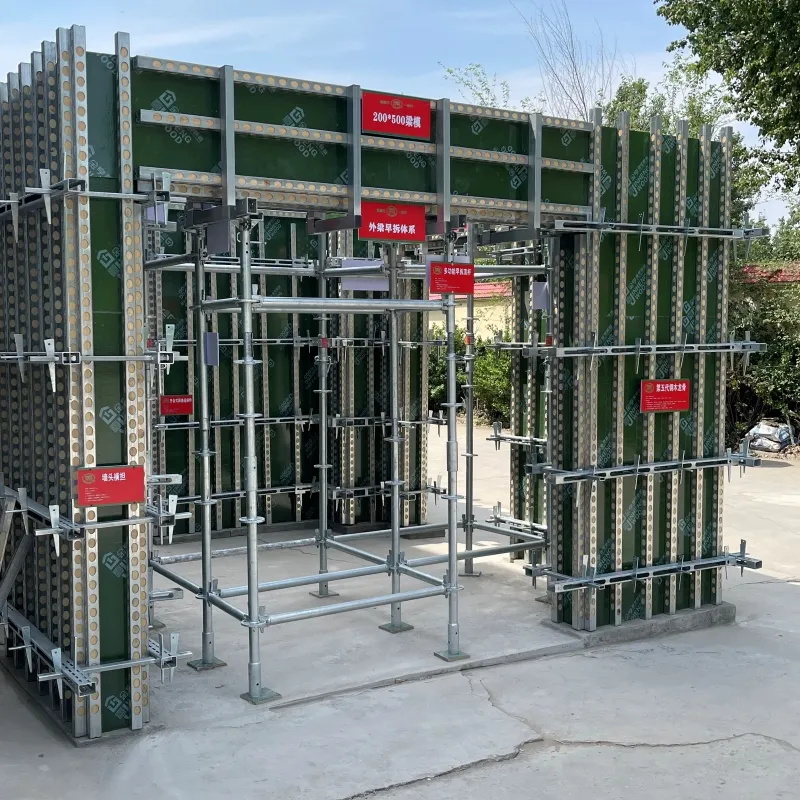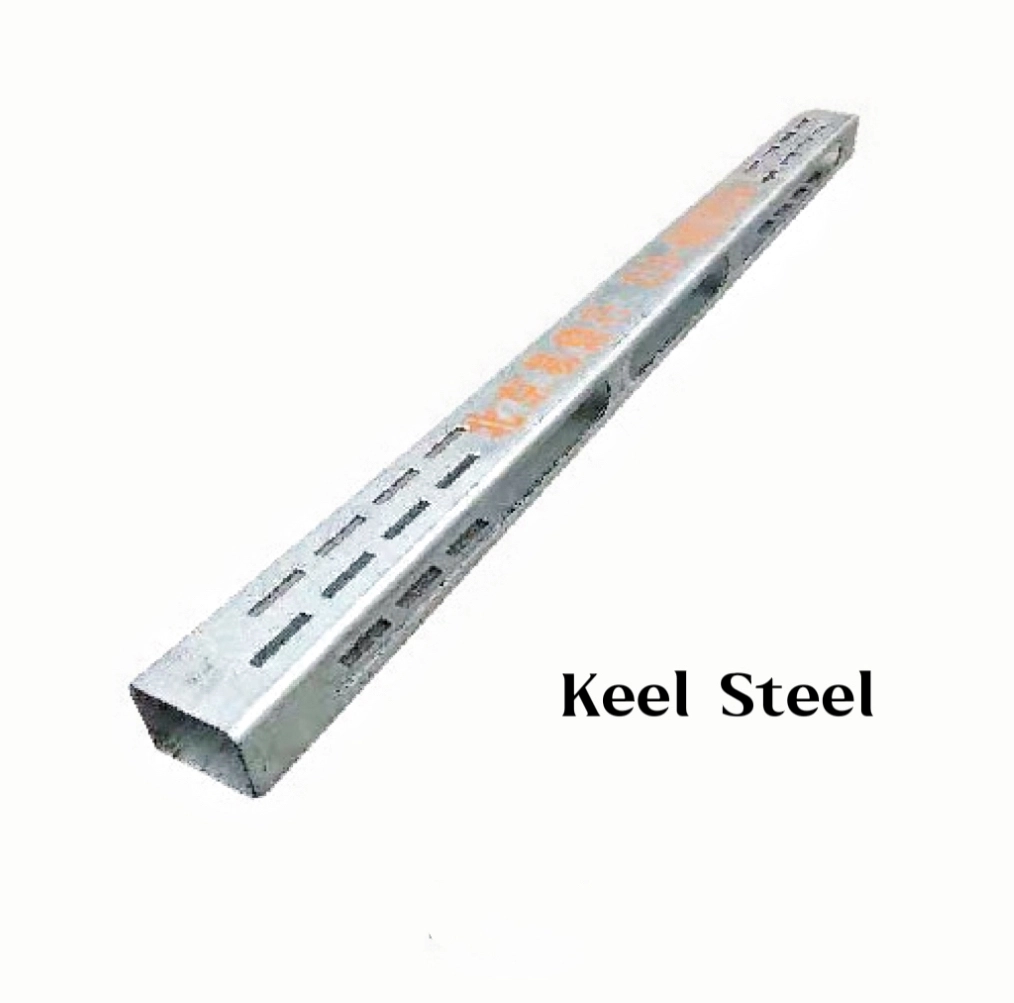

Roof Flooring Solutions for Durable, Sustainable Buildings
Understanding Roof Flooring: Why It Matters Globally
Roof flooring — it might sound like a straightforward construction term, but in reality, it plays a huge role in how we build, live, and adapt across the world. Whether you’re in bustling cities or remote regions, solid and thoughtfully designed roof flooring can be the difference between weathering storms safely or battling leaks and structural decay for years.
Why should that matter globally? Because as urban populations swell, and climate change throws more extreme weather our way, roof flooring — that is, the structural layers and systems installed atop buildings — become a frontline defense. It’s about durability, safety, sustainability, and cost-efficiency combined.
Understanding roof flooring better means architects, builders, and policy makers can push for smarter buildings that last longer, protect better, and fit the economic realities of diverse communities. It’s a small piece of the puzzle but one with outsized consequences.
The Global Context: A Growing Demand for Resilient Roof Flooring
From rapid urbanization in Asia and Africa to rebuilding efforts in disaster-stricken areas worldwide, roof flooring demands are skyrocketing. According to the UN data, nearly 60% of the world’s population will live in urban settings by 2030. That practically orders a closer look at every inch of urban infrastructure, including rooftops.
However, a big challenge remains: How to ensure roof flooring is simultaneously affordable, long-lasting, and environmentally responsible? Many regions face budget constraints, lack of skilled labor, or shortages in quality materials — problems that often lead to premature roof failures.
Disasters, too, highlight the stakes. When a typhoon or earthquake hits, the integrity of roof flooring can literally mean life or death. So this isn’t just builders’ business — it’s a global necessity.
So, What Exactly Is Roof Flooring?
Simply put, roof flooring refers to the layers of material installed on top of a structural roof frame, forming the 'floor' of the roof system. It supports any load, like roofing membranes, insulation, solar panels, or even rooftop gardens.
In construction terms, roof flooring ensures the roof isn’t just a shell, but a functional, stable surface that deals with weather challenges, mechanical loads, and thermal performance. Industrially, it bridges design, engineering, and practical needs.
From humanitarian shelters in crisis zones to commercial factory rooftops, solid roof flooring is foundational — literally and figuratively.
Key Aspects of Roof Flooring Explained
Durability
One of the first things designers aim for is durability. Roofing floor layers need to resist water ingress, UV exposure, and wear over decades. Common materials include treated timber, steel decking, and engineered wood products, each offering different lifespans.
Thermal Performance
This is crucial for energy efficiency. Roof flooring often houses insulation layers or reflective coatings to reduce heat transfer, reducing cooling and heating costs.
Load-Bearing Capacity
Whether supporting heavy solar panels or just routine foot traffic, the structure must be strong and stable. Assessment considers dead loads (weight of roofing materials) and live loads (people, snow, equipment).
Moisture and Vapor Control
Preventing moisture buildup within roof assemblies avoids rot, corrosion, and mold risks. Vapor barriers and breathable membranes are typical features paired with roof flooring.
Cost Efficiency
Ultimately, all designs need to balance upfront material/labor costs with long-term savings on maintenance and energy. Innovative composites and prefabricated elements are increasingly popular here.
Environmental Impact
More builders focus on sustainable materials—recycled steel, sustainably harvested wood, or bio-based composites—to reduce the building’s carbon footprint.
Mini takeaway: Roof flooring isn’t just a flat platform; it’s a complex, multilayered system where durability, insulation, cost, and environmental care intersect.
Where in the World Is Roof Flooring Making a Difference?
Practically everywhere, but three applications stand out:
- Urban centers: High-rises and commercial buildings demand robust roof flooring to support green roofs, solar installations, and HVAC equipment.
- Disaster Relief: In post-disaster recovery zones like Haiti or the Philippines, modular roof flooring systems enable speedy, safe shelter reconstruction.
- Remote industrial sites: Mining and energy sectors rely on durable roof flooring able to withstand harsh climates and heavy loads.
For example, in Nepal’s earthquake zones, readily deployable roof flooring kits are vital in rebuilding safe housing fast.
Even rural clinics in Sub-Saharan Africa use modern, insulated roof flooring to improve patient safety and comfort.
Product Specification at a Glance
| Feature | Common Values | Benefits |
|---|---|---|
| Material Types | Steel decking, Plywood, OSB, Composite panels | Strength, availability, cost-efficiency |
| Thickness | 18-25 mm typical | Load support & thermal properties |
| Thermal Resistance (R-value) | 2.5 - 5.0 m²K/W | Energy saving in buildings |
| Fire Rating | Class A (varies by material) | Safety compliance |
| Typical Lifespan | 20-50 years | Long-term durability |
Comparing Leading Vendors in Roof Flooring Solutions
| Vendor | Product Range | Key Strengths | Price Range |
|---|---|---|---|
| RoofTech Systems | Steel decking, insulated panels | Durability, fast shipping worldwide | $$ - $$$ |
| EcoDeck Innovations | Composite & recycled wood panels | Sustainability-focused, lightweight | $$$ |
| Global Roof Solutions | Full kits, modular roof flooring | Modular design ideal for relief projects | $$ |
Long-Term Benefits of Roof Flooring You Can’t Ignore
Cost savings over time, lower energy bills thanks to good insulation, and peace of mind that the structure won’t fail unexpectedly — those are obvious wins. But also consider the social side: solid roof flooring helps secure living conditions, protects belongings, and ultimately preserves dignity.
Trust me, many engineers say they get a real sense of accomplishment handing over buildings with expert roof flooring — it’s often overlooked, but it’s the difference between a structure that lasts and one that quickly degrades.
Plus, greener options mean this isn’t just about durability but about sustainability, too—a topic we’ll expand on next.
Emerging Trends in Roof Flooring Design
The green revolution is filtering into roof flooring big time. Solar-integrated decking, recyclable composites, and smart materials able to self-seal minor cracks are making headway. Automation also plays a role—imagine robotic installation systems improving speed and precision, especially for large commercial projects.
Digital twins and BIM (Building Information Modeling) mean designers can simulate roof performance under different scenarios before even ordering materials. That’s a game changer for both risk reduction and cost control.
Common Challenges and How the Industry Is Responding
Weather variability, material shortages, and labor skill gaps top the list of hurdles. To combat these, prefabrication offers a neat solution, reducing on-site errors and speeding deployment, especially for large-scale projects.
And eco-regulations are tightening worldwide, pushing vendors to innovate with cleaner production methods and circular economy principles.
FAQ: Practical Questions About Roof Flooring
1. How long does roof flooring typically last in regions with extreme weather?
With quality materials and proper installation, roof flooring can last 30–50 years, even in harsh climates. Protective coatings and regular maintenance are key to maximizing lifespan.
2. What are the main cost drivers when selecting roof flooring materials?
Material type, thickness, insulation properties, and local labor costs all influence the price. Prefabricated systems may cost more upfront but can save money in installation time and durability.
3. Can roof flooring support green roofs or solar panels?
Yes—modern roof flooring is often designed with increased load capacity to accommodate renewable energy systems or rooftop gardens, but it needs to be specified during design.
4. Is it possible to import roof flooring kits for disaster relief internationally?
Absolutely. Many suppliers specialize in modular kits designed for easy transport and quick assembly in crisis zones. NGOs often partner with these vendors to streamline logistics.
5. How does roof flooring impact building energy efficiency?
Its insulation layers and thermal resistance significantly reduce heat loss/gain, helping keep indoor temperatures comfortable with less reliance on HVAC systems.
Mini takeaway: Addressing these FAQs helps demystify roof flooring and highlights its practical value in diverse scenarios.
Wrapping Up: Why Roof Flooring Deserves a Spot in Your Construction Plans
In real terms, roof flooring can make or break a building's longevity, safety, and comfort. Forward-thinking design takes roofing layers seriously, balancing strength, sustainability, and cost.
If you’re serious about constructing buildings that stand the test of time and climate, exploring quality roof flooring options is crucial. Need to start somewhere smarter? Check out our trusted partners and product lines at roof flooring for robust, innovative solutions.
It might be a humble slice of your construction project, but in many ways, it’s the literal floor under your future roof—so get it right.
References
-
Comprehensive Guide to Scaffolding Rods for Safe Construction PracticesNewsFeb.24,2026
-
Comprehensive Guide to Different Types of Scaffolding for Construction ProjectsNewsFeb.11,2026
-
The Crucial Role and Safe Use of Scaffolding in Modern Construction ProjectsNewsJan.30,2026
-
Maximize Productivity and Safety with a Versatile 7m Scaffold TowerNewsJan.27,2026
-
6m Scaffold Tower: A Comprehensive Guide for B2B BuyersNewsJan.26,2026
-
6ft Scaffold: Durability and Safety in ConstructionNewsJan.25,2026
-
6 Scaffolding: A Modern Construction SolutionNewsJan.24,2026