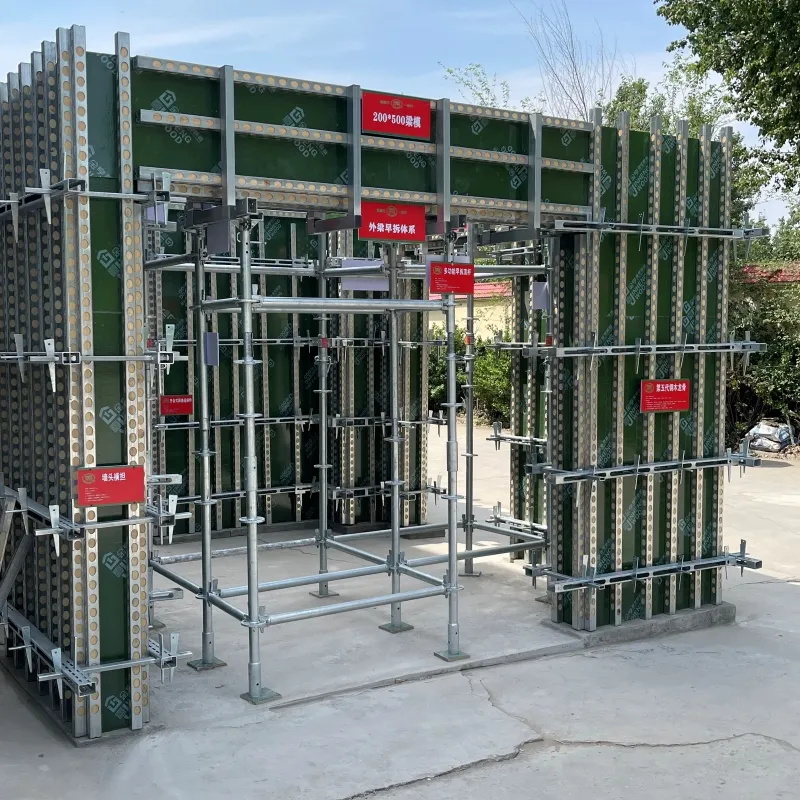

Roof Top Flooring: Durable, Sustainable Solutions for Modern Buildings
Roof Top Flooring: Why It Matters in Our Modern World
If you’ve ever stood on a rooftop—maybe pausing to admire the cityscape or take a moment’s breath—you may not have given much thought to what lies beneath your feet. But roof top flooring is more than just a surface; it’s a critical component in building design that balances strength, safety, and sustainability. Globally, as urban spaces become denser and climate challenges mount, understanding roof top flooring can unlock benefits from increasing green spaces to improving building longevity. Whether for residential buildings, commercial complexes, or humanitarian shelters, the right roof flooring strategy can transform a structure.
Mini takeaway: Roof top flooring is more than aesthetics—it's about structural integrity, environmental impact, and creating usable space above our heads.
A Global Perspective: Why Roof Top Flooring Matters More Than Ever
Urbanization is accelerating worldwide. The United Nations estimates that by 2050, nearly 70% of the world’s population will live in cities, up from 55% in 2018[1]. This shift places huge demands on building design and infrastructure. Rooftops have evolved from mere coverings to valuable real estate - think rooftop gardens, solar panel installations, and even recreational terraces. Yet, achieving a balance between traditional construction, sustainability, and cost-efficiency remains a challenge.
Additionally, climate change drives the need for roofs that can withstand extreme weather events: heavy rains, heatwaves, even seismic activity. Proper roof top flooring plays a frontline role in these defenses.
Mini takeaway: With growing urban populations and climate pressures, roof top flooring is a vital solution for sustainable, functional city living.
What Exactly Is Roof Top Flooring?
Simply put, roof top flooring is the surface layer or composite structure designed to be walkable or usable on a rooftop. It can range from concrete slabs to modular deck panels, covering insulation, waterproof membranes, and reinforcement layers beneath. It’s the “floor” of a roof space, intended for foot traffic, equipment support, or recreational use.
This concept now extends beyond conventional commercial or residential uses, playing a role in humanitarian aid—for example, creating temporary living spaces in disaster-hit areas—and in industrial applications like remote mining outposts where rooftop utility platforms are common.
Mini takeaway: Roof top flooring means creating a functional surface atop buildings that can serve many purposes, from leisure to lifesaving infrastructure.
The Core Components That Define Quality in Roof Top Flooring
Durability and Load-Bearing Capacity
Rooftops must shoulder substantial weight—whether that’s people, planters, or solar panels. Durable materials like reinforced concrete, steel decking, or high-density composites ensure long-term resilience.
Waterproofing and Drainage
Without robust waterproof layers beneath and good drainage design, rooftop flooring risks water damage, mold, and structural failure. This is critical in rainy or humid regions.
Thermal Insulation and Energy Efficiency
Roof floors contribute to a building’s thermal comfort. Reflective coatings or insulating substrates reduce heat gain, lowering energy costs—a big deal given buildings account for around 40% of global energy consumption[2].
Scalability and Modularity
Especially in fast-developing or temporary settings, modular roof top flooring systems allow quick installations and future adaptability, improving project timelines and budgets.
Cost Efficiency Over Lifecycle
Spotting a balance between upfront cost and long-term maintenance can save thousands, and many engineers say investing in quality roof top flooring pays off within years thanks to reduced repairs.
Mini takeaway: Good roof top flooring requires a multi-faceted approach: it’s about strength, waterproofing, insulation, flexibility, and smart budgeting.
How Roof Top Flooring Is Actually Used Around the World
In Japan, where land is scarce, rooftops serve as gardens and disaster shelters, making robust flooring essential.
In the Middle East, reflective rooftop floors help reduce heat absorption—critical for energy savings in hot climates.
NGOs use modular roof flooring extensively after natural disasters to quickly establish durable shelters, as seen during humanitarian responses in Haiti and the Philippines.
Industrial zones, such as oil rigs or remote factories, employ high-grade rooftop decks to safely mount heavy machinery while resisting corrosion.
Mini takeaway: Whether urban, humanitarian, or industrial, roof top flooring adapts to many environments, each with its unique needs.
Product Specification Snapshot: Typical Roof Top Flooring Materials
| Material | Load Capacity | Waterproofing | Thermal Properties | Typical Uses |
|---|---|---|---|---|
| Reinforced Concrete | High (up to 500kg/m²) | Needs membrane | Moderate insulation, can add layers | Urban rooftops, parks, terraces |
| Composite Deck Panels | Medium (up to 300kg/m²) | Membrane integrated | Good insulation | Modular housing, temporary shelters |
| Metal Decking with Insulation | High (up to 400kg/m²) | Membrane required | Good thermal reflection | Industrial, solar panel bases |
Comparing Leading Roof Top Flooring Vendors
| Vendor | Key Strength | Product Range | Geographical Reach | Average Lead Time |
|---|---|---|---|---|
| Formwork Reinforced | Custom modular solutions, onsite support | Concrete slabs, composites, metal decks | Global (Asia, Europe, Americas) | 4-6 weeks |
| EcoRoof Systems | Green roofing, sustainability focus | Vegetated tiles, insulated panels | North America, Europe | 6-8 weeks |
| Urban Deck Pro | Fast installation, lightweight materials | Aluminum decking, composites | Asia-Pacific region | 3-5 weeks |
Long-Term Advantages of Investing in Quality Roof Top Flooring
Focusing on high-quality roof top flooring offers tangible benefits:
- Cost Savings: Less maintenance, fewer leaks, and longer lifespan mean money saved over years.
- Sustainability: Energy-efficient materials reduce environmental impact, while green roofs can improve air quality.
- Social Impact: Safe, usable rooftops enhance community spaces or provide critical shelter in emergencies.
- Reliability: Tough roofing floors withstand weather and daily wear, minimizing risk.
On a human level, there’s something reassuring about a sturdy roof underfoot—a blend of safety, dignity, and trust in the buildings we inhabit.
Emerging Trends in Roof Top Flooring for a Changing World
The future is bright—and green. Innovations include:
- Eco-friendly Composites: Biodegradable or recycled materials entering the market to reduce waste.
- Solar Integration: Photovoltaic tiles that double as flooring, generating energy while serving structural needs.
- Smart Surfaces: Sensor-embedded floors that track load, temperature, or damage in real time.
- Automation in Installation: Robotics and prefabrication minimizing human error and speeding builds.
As sustainability standards tighten globally, roof top flooring solutions will need to keep pace, blending tech and environmental care.
Common Challenges and How Experts Suggest Overcoming Them
Predictably, no solution is perfect:
- Water Ingress: Even small flaws in waterproofing can ruin roof floors. Solution? Redundant membranes, better inspections.
- Material Fatigue: Weather wears surfaces down. Choosing materials tested for local climates helps avoid premature failures.
- High Initial Costs: Often a barrier for smaller projects; however, modular designs and economies of scale can reduce expenses.
The key, many engineers say, lies in integration—viewing roofing floors as part of the entire building ecosystem rather than isolated systems.
FAQ: Frequently Asked Questions About Roof Top Flooring
What types of roof top flooring are best for extreme climates?
Materials like reinforced concrete with waterproof membranes and thermal insulating layers work best in harsh climates, ensuring durability and protection against freeze-thaw cycles or intense heat.
Can modular roof top flooring be used in emergency shelters?
Absolutely. Modular or composite deck panels are favored for fast deployment housing because they’re lightweight, quick to assemble, and provide structural integrity for temporary or semi-permanent dwellings.
How do green rooftops impact roof top flooring design?
Green rooftops require waterproofing plus additional load-bearing capacity and root-resistant barriers. Flooring materials must accommodate moisture and plant growth without damage.
Is roof top flooring installation disruptive to building occupants?
Modern prefabricated systems minimize onsite work, reducing noise and downtime. Often, sections can be installed piecemeal, so occupants feel minimal disruption.
What maintenance is typically needed for roof top flooring?
Routine inspections for waterproofing integrity, cleaning drainage paths, and addressing surface cracks early help maintain performance and extend life.
Wrapping Up: The Roof Above, The Future Ahead
Roof top flooring might not be the first thing on a builder’s or homeowner’s mind, but its role in shaping sustainable, safe, and functional urban spaces can’t be overstated. As we embrace denser cities and face environmental challenges, investing wisely in reliable roof top floors means healthier buildings, happier occupants, and more options for how we use the spaces above us.
Want to explore innovative solutions in roof top flooring? Visit our website: roof top flooring for custom modular systems and expert advice.
References
-
Comprehensive Guide to Scaffolding Rods for Safe Construction PracticesNewsFeb.24,2026
-
Comprehensive Guide to Different Types of Scaffolding for Construction ProjectsNewsFeb.11,2026
-
The Crucial Role and Safe Use of Scaffolding in Modern Construction ProjectsNewsJan.30,2026
-
Maximize Productivity and Safety with a Versatile 7m Scaffold TowerNewsJan.27,2026
-
6m Scaffold Tower: A Comprehensive Guide for B2B BuyersNewsJan.26,2026
-
6ft Scaffold: Durability and Safety in ConstructionNewsJan.25,2026
-
6 Scaffolding: A Modern Construction SolutionNewsJan.24,2026