
Reliable Frame Scaffolding for Industrial Projects | Safety & Versatility
Frame Scaffolding: The Backbone of Safe, Versatile Industrial Work
Having spent quite a few years around industrial sites—where scaffolds are as common as hard hats—I’ve come to appreciate just how frame scaffolding plays a crucial role in both worker safety and project efficiency. Oddly enough, it’s often overlooked in favor of flashier equipment, but in real terms, it’s the unsung hero of construction and maintenance jobs.
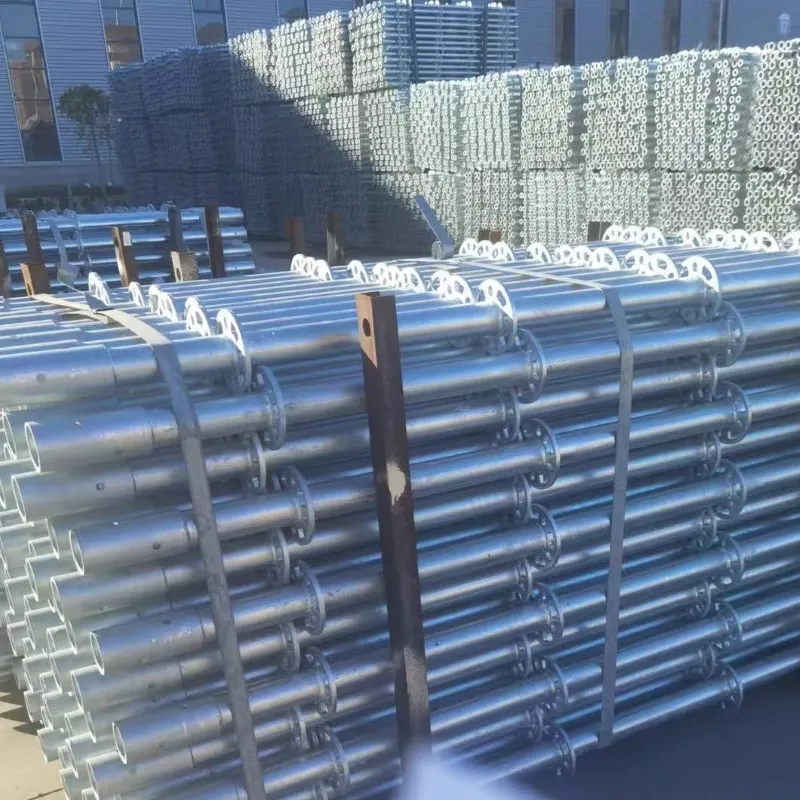
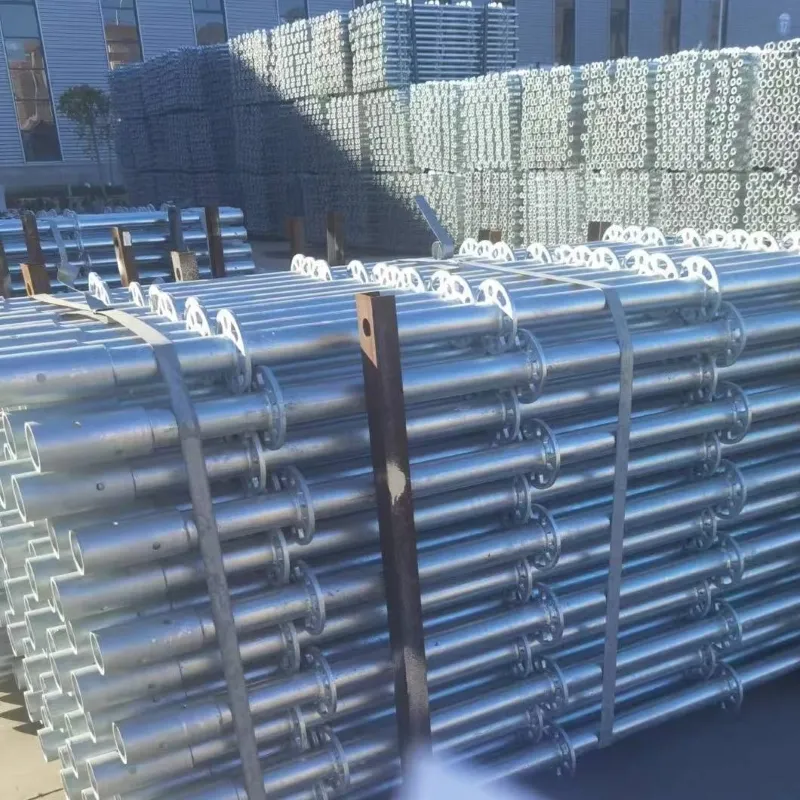
Frame scaffolding, for those not deeply familiar, basically consists of steel or aluminum frames connected by cross braces, forming a reliable, modular structure on which workers can move and carry out tasks at height. It feels like a no-nonsense system—straightforward, durable, and very adaptable. Frankly, it’s hard to imagine managing a mid-rise project without it.
One thing that’s always stuck with me is the material choices. Steel frames dominate the scene for their strength and longevity, yet aluminum’s lighter weight often makes a difference on projects requiring quick assembly and disassembly. Both undergo rigorous testing to ensure they meet safety standards like OSHA and ANSI, which is paramount given the risks involved. Safety testers typically look for load capacity, frame stability, and durability under rough conditions.
Here’s a quick specs snapshot that covers a common type of frame scaffolding used in many industrial projects:
| Specification | Details |
|---|---|
| Frame Material | Steel (Powder-Coated) or Aluminum |
| Standard Frame Height | 5 ft (1.52m) |
| Frame Width | 5 ft (1.52m) |
| Load Capacity | Up to 75 lbs per sq ft (distributed load) |
| Weight per Frame | Steel: ~40 lbs; Aluminum: ~20 lbs |
| Cross Bracing | Steel Tubular, Bolt-On / Clip-On |
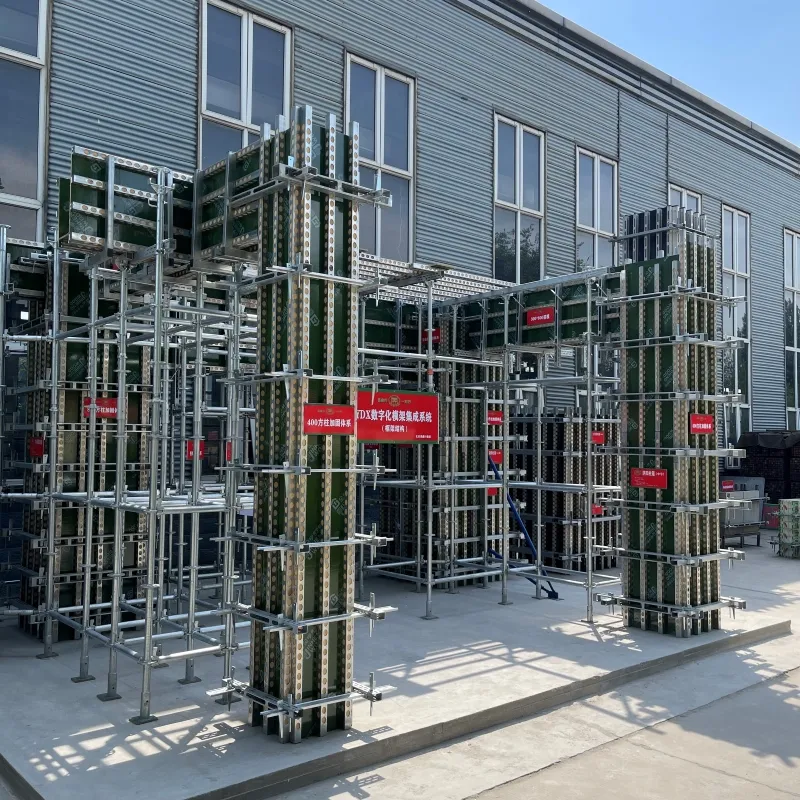
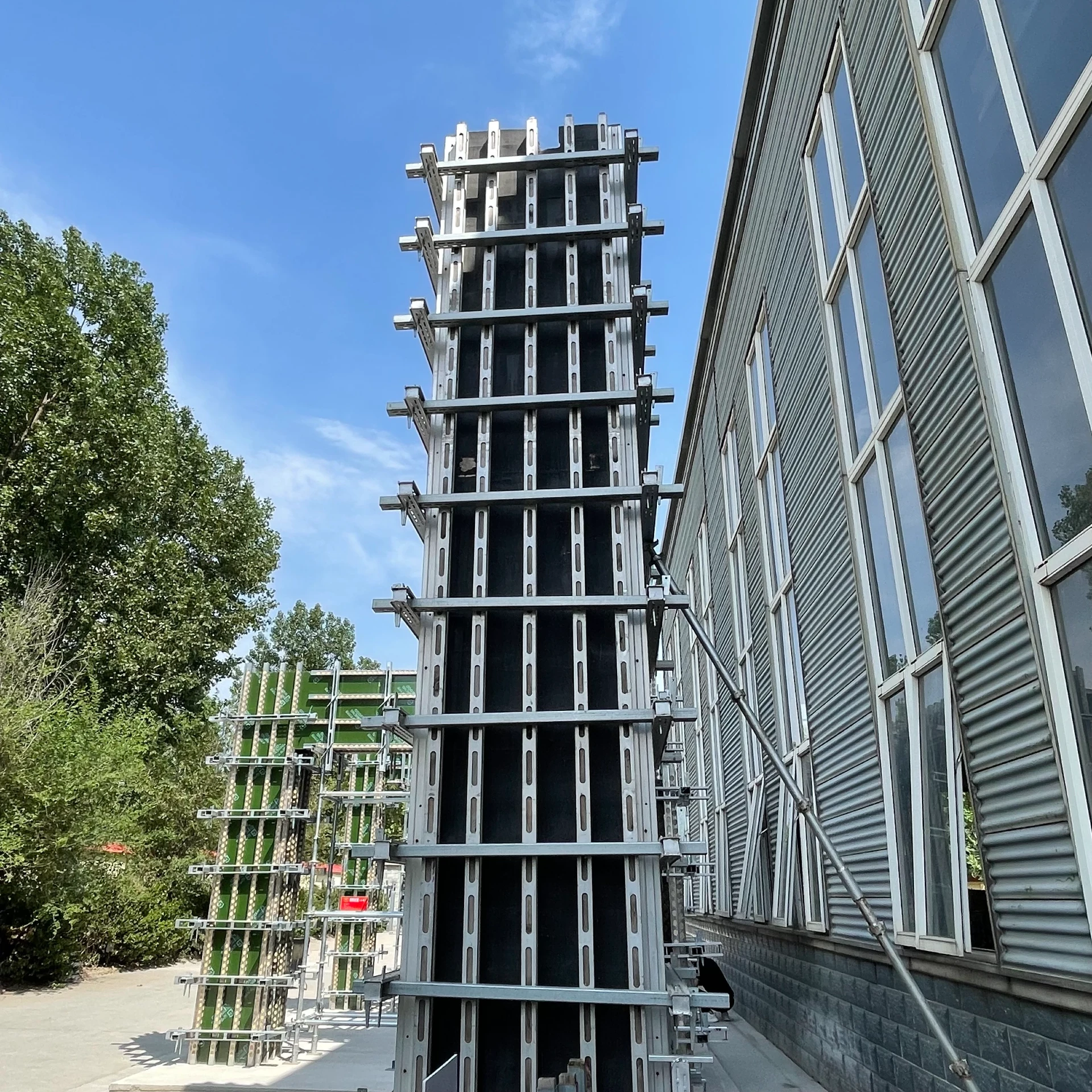
What many don’t realize is the extent to which customization drives the choice of scaffolding. Different sites, different tasks, different challenges. Some projects call for towers; others, long horizontal runs. Custom spans, adjustable leg jacks, and various deck options are common upgrades. Some engineers I know swear by modular kits that let you adapt on the fly. It’s sort of like a puzzle—but one where safety is the prize, not just the completion.
Over the years, I came across three main vendors repeatedly recommended among professionals. Each has its quirks and strengths. Here’s a quick comparison that might help those still figuring out what to pick:
| Vendor | Material Options | Load Capacity (lbs/sq ft) | Typical Price Range | Warranty |
|---|---|---|---|---|
| ScaffoldCo | Steel / Aluminum | Up to 75 lbs | $$ | 5 years |
| BuildSafe Systems | Steel Only | Up to 90 lbs | $$$ | 7 years |
| AluForm Solutions | Aluminum Only | Up to 65 lbs | $ | 3 years |
I recall one site where we switched from an older steel scaffold system to a modern modular frame one. Installation time fell dramatically, and the team felt safer on the job — not just because the frames locked securely, but also due to better clog-resistant decks and simpler braces. Someone even joked it was their new “favorite piece of kit,” which honestly surprised me. You don’t usually hear workers rave about scaffolds!
So, what’s the bottom line? Frame scaffolding remains the practical, cost-effective choice for countless industrial projects. While newer technologies like system scaffolding and suspended platforms have their places, nothing quite beats the versatility and sturdy reliability of a well-built frame scaffold. If you’re in the industry, getting to know your frame scaffolding options—and picking the right vendor—is a foundation worth laying carefully.
Thanks for tagging along on this little scaffolding journey. Remember, it’s not just steel and aluminum stacked together; it’s safety, efficiency, and a whole lot of experience in every frame.
References:1. OSHA Scaffold Safety Standards (osha.gov)
2. ANSI/ASSE A10.8 - Safety Requirements for Scaffolding
3. Industry insights based on 15+ years in industrial equipment and construction.
-
Comprehensive Guide to Scaffolding Rods for Safe Construction PracticesNewsFeb.24,2026
-
Comprehensive Guide to Different Types of Scaffolding for Construction ProjectsNewsFeb.11,2026
-
The Crucial Role and Safe Use of Scaffolding in Modern Construction ProjectsNewsJan.30,2026
-
Maximize Productivity and Safety with a Versatile 7m Scaffold TowerNewsJan.27,2026
-
6m Scaffold Tower: A Comprehensive Guide for B2B BuyersNewsJan.26,2026
-
6ft Scaffold: Durability and Safety in ConstructionNewsJan.25,2026
-
6 Scaffolding: A Modern Construction SolutionNewsJan.24,2026