
Comprehensive Guide to H Frame Scaffolding: Benefits, Applications & Future Trends
Understanding H Frame Scaffolding: A Global Construction Backbone
At first glance, h frame scaffolding might sound like just another construction term — frameworks and metal bars forming temporary platforms. But it’s much more. Worldwide, the construction industry depends on reliable, efficient scaffolding systems, and the H frame design has proven to be a global workhorse supporting everything from skyscrapers in New York to post-disaster reconstruction in Southeast Asia. Understanding this scaffolding type unlocks insights about safety, cost efficiency, and adaptability across countless projects.
Global Context: Why H Frame Scaffolding Matters
The construction sector accounts for nearly 13% of global GDP according to the World Bank, employing millions and shaping infrastructures that define economies. Efficient scaffolding like the H frame is indispensable in this massive ecosystem. ISO standards ensure scaffolding safety across countries, but the demand for easy assembly, durability, and scalability remains a constant challenge — especially in regions with fast urbanization or frequent natural disasters.
Take humanitarian relief for example: organizations rely on quick-deployable scaffolding to rebuild homes and hospitals post-catastrophe. Without versatile solutions, disaster zones may remain vulnerable. So, the design and practical use of h frame scaffolding contribute far beyond just construction — they support resilience and recovery.
Mini takeaway: Globally, h frame scaffolding is not just construction gear; it’s a pillar supporting economic growth and emergency rebuilding efforts.
What Exactly Is H Frame Scaffolding?
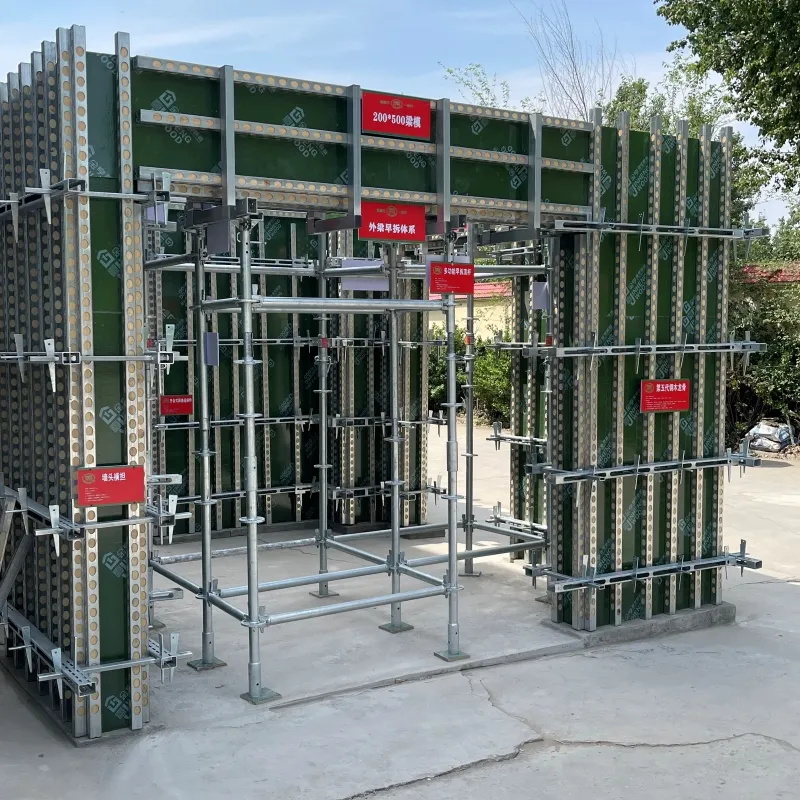
Simply put, h frame scaffolding consists of welded steel frames shaped like a capital “H,” connected with horizontal and diagonal braces to provide structural support. These frames form the vertical framework over which planks or decks are laid, creating working platforms at adjustable heights.
It’s cherished for its simplicity and robustness. The frames’ “H” shape allows quick setup and makes the structure inherently stable. Compared to other scaffolding types — like tube-and-clamp or system scaffolding — h frame systems often require fewer components, making them a practical choice on many job sites.
H frame scaffolding is widely relevant, found in everything from urban construction to modular housing projects where time and safety are critical.
Mini takeaway: H frame scaffolding is a straightforward, sturdy frame system key to versatile, fast scaffolding needs.
Core Components and Key Factors
1. Durability
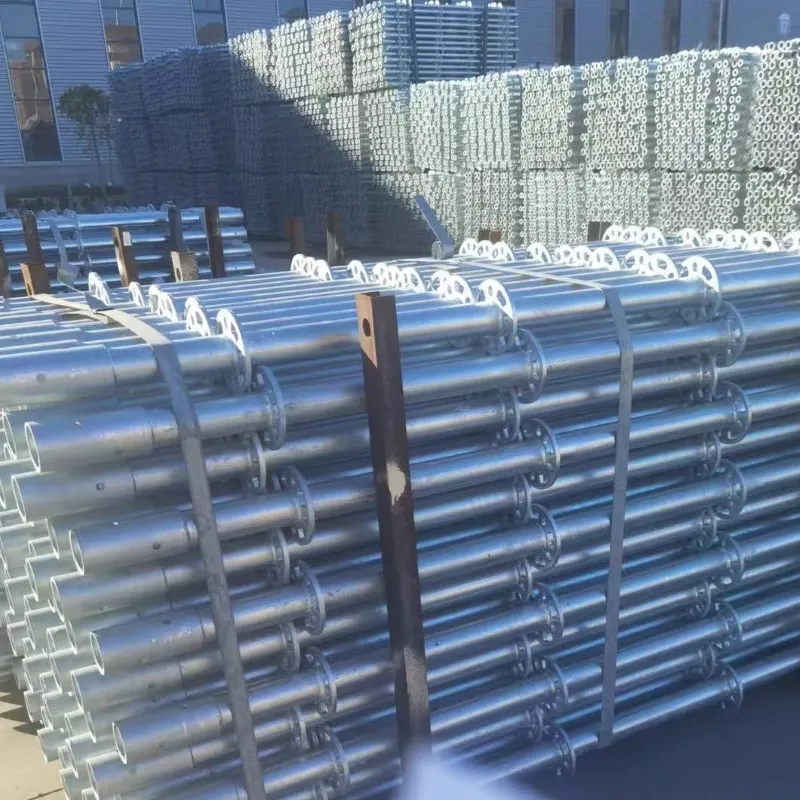
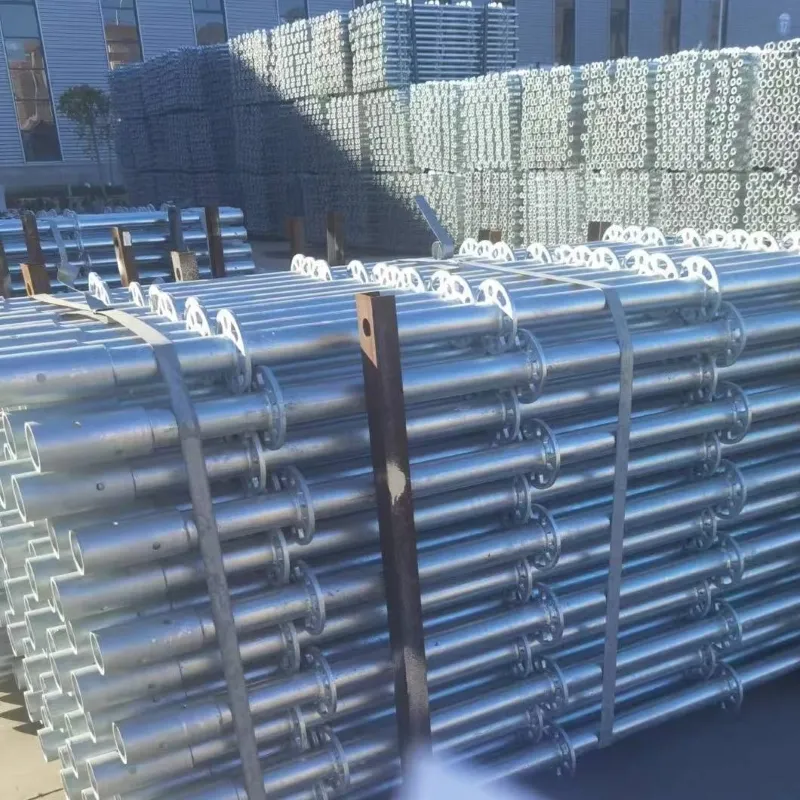
The backbone of h frame scaffolding is its steel frames — commonly galvanized or powder-coated for corrosion resistance. This ensures longevity even under harsh weather or frequent reuse. Many engineers say that the frames can last decades with proper maintenance, which frankly makes good economic sense.
2. Scalability
Because each frame is modular, scaffolds can be built to practically any height or length by simply connecting more frames and braces. This scalability is essential on large projects or complex structures where work platforms need adjusting frequently.
3. Cost Efficiency
Fewer parts and quick assembly reduce labor costs and downtime. Additionally, since h frame scaffolding is reusable and durable, equipment investment pays off over many projects.
4. Safety
Compliance with OSHA and ISO standards is crucial, and the h frame’s rigid structure offers high load-bearing capacity, helping protect workers against falls or structural failure.
5. Adaptability
They work for various surfaces and terrains, with compatible adjustable base jacks and planks. This flexibility supports a wide range of industries and environmental conditions.
Product Specifications Table
| Specification | Details |
|---|---|
| Material | Galvanized Steel (Grade A572) |
| Standard Frame Size | 6 ft (Height) x 5 ft (Width) |
| Load Capacity | Up to 25 kN per frame |
| Weight per Frame | ~32 kg |
| Connection Type | Bolt and pin locking system |
| Compliance | ANSI/OSHA & ISO 9001 certified |
Global Applications & Use Cases
Oddly enough, h frame scaffolding’s reach goes well beyond traditional construction. Let’s explore a few examples:
- Urban Construction: Used extensively in North America and Europe, especially for building multi-story residential and commercial buildings.
- Post-Disaster Relief: NGOs employ modular scaffolding for quick reconstruction after earthquakes or hurricanes, notably in South Asia and Caribbean regions.
- Industrial Maintenance: In remote oil and mining operations—say, in Australia or Canada—the scaffolding supports periodic inspections and repairs in harsh environments.
- Infrastructure Projects: Bridge building and highway refurbishments across Africa and Latin America increasingly depend on cost-efficient scaffold systems.
Mini takeaway: H frame scaffolding facilitates diverse projects worldwide, from rebuilding after disasters to maintaining energy infrastructure.
Comparing Leading Vendors of H Frame Scaffolding
| Vendor | Pricing (per frame) | Warranty | Lead Time | Certifications |
|---|---|---|---|---|
| SteelBuild Inc. | $75 | 5 Years | 2 Weeks | ISO 9001, OSHA |
| Global Scaffolding Ltd. | $82 | 7 Years | 3 Weeks | ANSI, ISO 14001 |
| BuildSafe Equipment | $70 | 3 Years | 1 Week | OSHA, ISO 9001 |
Advantages and Long-Term Value of H Frame Scaffolding
Investing in reliable h frame scaffolding isn’t just about avoiding regulatory fines or ticking safety checkboxes. It makes an emotional and logical difference. Workers feel more secure on sturdy frames; site managers appreciate faster setups and less downtime. The cost savings from minimal repairs and ease of handling ripple through project budgets.
More broadly, these scaffolds help build safer communities. Post-disaster, they provide the framework to rebuild homes rapidly, restoring dignity and hope. Industries edging towards sustainable construction lean on systems like this for adaptability and reusability.
Mini takeaway: H frame scaffolding strengthens safety, boosts project economics, and supports social progress.
Future Trends & Innovations
The industry is not standing still. Green coating methods reduce environmental impact while improving frame life. Digital solutions, including RFID tagging and IoT sensors, help monitor scaffold integrity in real time, prompting preventive maintenance. Automation in assembly using robotic aids is starting to take shape, promising to make scaffold erection even faster and safer.
These innovations cleverly blend tradition with tech, ensuring h frame scaffolding remains not just relevant but leading-edge.
Challenges & Solutions in H Frame Scaffolding Use
Of course, no system is without hurdles. Transporting heavy steel frames to remote sites can spike costs. Handling skilled labor shortages complicates safe assembly. Weather impacts, especially corrosion in coastal or humid zones, add maintenance burdens.
However, solutions emerge: lightweight alloys for lower transport weight, advanced worker training programs, and improved coating technologies help extend lifespan. Plus, modular designs mean fewer parts on site — simplifying logistics.
Frequently Asked Questions About H Frame Scaffolding
-
Q: How quickly can h frame scaffolding be assembled on site?
A: Generally, an experienced crew can assemble 100 square meters of h frame scaffolding in under a day, thanks to its modular design and fewer components compared to tube-and-clamp systems. -
Q: Are h frame scaffolds suitable for uneven terrain?
A: Yes, with adjustable base jacks and leveling accessories, h frame scaffolding adapts well to slopes or irregular surfaces, providing stable platforms. -
Q: Can h frame scaffolding be rented for short-term projects?
A: Many vendors offer rental options, ideal for temporary projects, but owning scaffolding is more cost-effective if used frequently. -
Q: What safety standards must h frame scaffolding meet?
A: It must comply with regional OSHA or equivalent standards, plus international ISO certification where applicable, ensuring structural integrity and worker protection.
Conclusion: Why H Frame Scaffolding Remains Essential
Long story short, h frame scaffolding is more than a temporary metal framework; it’s a foundational technology integral to building safer, faster, and more sustainable structures worldwide. Whether you're in bustling urban centers or remote recovery zones, its proven design stands the test of time.
Thinking about upgrading your project’s scaffolding or exploring tailored solutions? Visit our website at https://www.formworkreinforced.com to discover industry-leading options and expert advice.
Taking scaffolding seriously means building with confidence — literally.
References:
1. World Bank - Urban Development
2. Wikipedia – Scaffold (Construction)
3. ISO Standards for Scaffolding
-
Comprehensive Guide to Scaffolding Rods for Safe Construction PracticesNewsFeb.24,2026
-
Comprehensive Guide to Different Types of Scaffolding for Construction ProjectsNewsFeb.11,2026
-
The Crucial Role and Safe Use of Scaffolding in Modern Construction ProjectsNewsJan.30,2026
-
Maximize Productivity and Safety with a Versatile 7m Scaffold TowerNewsJan.27,2026
-
6m Scaffold Tower: A Comprehensive Guide for B2B BuyersNewsJan.26,2026
-
6ft Scaffold: Durability and Safety in ConstructionNewsJan.25,2026
-
6 Scaffolding: A Modern Construction SolutionNewsJan.24,2026