
Reinforced Concrete Ground Floor Slab | Durable Foundations for Modern Construction
Why Reinforced Concrete Ground Floor Slabs Matter More Than Ever
At first glance, a reinforced concrete ground floor slab might seem like just another construction detail, tucked away beneath walls and interiors. But when you pause to think about it, this seemingly humble structural element shapes entire buildings’ strength, safety, and longevity. Across the globe, from bustling urban centers to remote development zones, it forms a foundation (quite literally) for sustainable infrastructure.
Understanding its design and specifications isn’t just technical mumbo jumbo for engineers—it’s critical for communities needing durable housing, industry aiming for cost-effective solutions, and the environment seeking lower-impact building methods.
The Global Context: Building Strong Foundations for a Changing World
Reinforced concrete ground floor slabs play a pivotal role worldwide, especially as the United Nations reports ongoing urbanization with 68% of the world’s population expected to live in cities by 2050.1 The construction sector must keep pace without compromising on safety, cost-efficiency, and environmental impact.
However, many regions face soil instability, flood risks, and seismic zones that challenge traditional floors. A well-engineered reinforced concrete ground slab addresses these hurdles by offering resistance and longevity, which otherwise might need repeated repair or replacement—a massive burden in both financial and social terms.
What Exactly Is a Reinforced Concrete Ground Floor Slab?
Simply put, a reinforced concrete ground floor slab is a horizontal structural surface resting directly on a prepared ground base, made from concrete strengthened with steel bars or mesh.
The combination of concrete’s compressive strength and steel’s tensile resistance creates a composite that supports heavy loads and resists cracking under movement or temperature changes. In industrial, residential, or humanitarian constructions, this slab serves as the reliable “floor” that holds everything up.
Think of it as a tough, steady pancake that won’t crumble, thanks to its hidden steel reinforcement—a marriage of materials that has been a backbone of modern construction for over a century.
Key Components That Make Ground Floor Slabs Work
1. Durability
The reinforced slab provides outstanding resistance against weather, mechanical stresses, and environmental factors. This means buildings last decades longer, requiring less maintenance, especially in harsh conditions.
2. Load-Bearing Capacity
Unlike basic concrete, the steel reinforcement helps slabs manage heavy and uneven loads—be it machinery, human traffic, or storage. It’s why warehouses, factories, and even hospitals lean on reinforced slabs.
3. Thermal and Moisture Control
When paired with vapor barriers, insulation, and proper curing, these slabs minimize heat loss and provide moisture resistance — key for occupant comfort and protecting materials within.
4. Cost Efficiency
Although initially slightly more expensive than alternative foundations, their longevity and low maintenance costs save money in the medium to long term. Engineers often refer to this as a “pay now or pay more later” scenario.
5. Scalability and Versatility
Reinforced slabs can be tailored for tiny homes, industrial plants, or large commercial hubs. Their design adaptability makes them the stalwart choice across sectors.
Where Do Reinforced Concrete Ground Floor Slabs Find Their Place?
In the real world, these slabs appear everywhere—from sprawling factories in Germany to hurricane-resistant homes in the Caribbean. Regions prone to earthquakes (like Japan or California) specify particular reinforcing techniques to endure tremors.
Post-disaster relief operations often rely on quick-cast reinforced slabs to rapidly rebuild basic infrastructure, allowing displaced populations to regain safe housing faster. Similarly, mining camps in remote Australia or data centers in Nordic countries benefit from their stability and insulation properties.
Industries like logistics, aerospace, and pharmaceuticals demand floors that can hold heavy equipment and maintain cleanliness, where reinforced concrete slabs are the default choice.
Product Specification Snapshot
| Specification | Typical Value | Notes |
|---|---|---|
| Slab Thickness | 100 - 200 mm | Varies by load & use |
| Concrete Grade | C25 to C40 | Higher grades for industrial floors |
| Reinforcement Type | Steel bars or welded wire mesh | Depends on design specs |
| Vapor Barrier | Polyethylene sheets | Prevents moisture ingress |
| Higher Compressive Strength | Up to 40 MPa | Useful for heavy industrial loads |
Choosing the Right Supplier: How Do They Stack Up?
| Vendor | Experience (Years) | Specialization | Sustainability Focus | Lead Time (Weeks) |
|---|---|---|---|---|
| Formwork Reinforced | 15 | Custom slabs, rapid deployment | High (Eco materials & recycling) | 3-4 |
| ConcretePro Ltd. | 22 | Mass production, affordability | Medium | 5-6 |
| EcoBuild Systems | 10 | Green building solutions | Very High (Low carbon) | 4-5 |
Why Invest in Reinforced Concrete Ground Floor Slabs? The Long-Term Value
Many engineers say it’s not just about strength. A thoughtfully designed ground floor slab carries emotional weight too. It grants safety in disaster-prone regions, dignity in long-term housing, and confidence for industries relying on precise operations.
Moreover, sustainable materials and renewable energy integration are increasingly cutting the carbon footprint, aligning slabs with growing green policies (hello, ISO 14001!). This emotional-logical blend—security plus eco-consciousness—is reshaping how people view what feels like “just a floor.”
The Future: Innovations Shaping Ground Floor Slabs
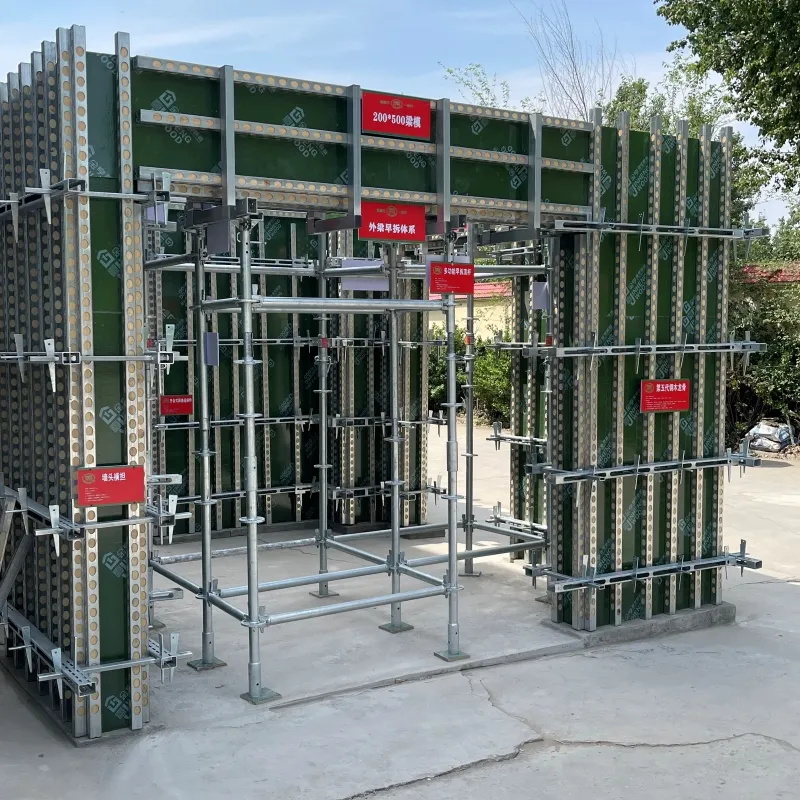
Looking ahead, automation in formwork and casting speeds up onsite construction. Digitally controlled concrete mixtures improve material efficiency and durability.
Pioneering materials like fiber-reinforced polymers or carbon fiber reinforcements are pushing strength-to-weight ratios to exciting new levels, while innovative curing methods use less energy.
Environmental imperatives drive developments in recycled aggregates and geopolymer concrete, aiming to lessen the hefty CO₂ emissions typical of cement production. It’s a slow march, but the ground slab—oddly symbolic—is at the frontline of this transformation.
Challenges Facing Reinforced Concrete Slabs—and How We Fix Them
Of course, no technology is without pitfalls. Issues like cracking from shrinkage, improper curing, or poor site prep still plague many projects. It’s frustrating because these details can make or break a slab’s lifespan.
Modern solutions include using shrinkage-compensating admixtures, advanced curing blankets, and thorough soil compaction testing before pouring. Also, digital monitoring during curing phases helps forewarn any issues—technology lending an extra set of eyes.
Everyone involved from architects to contractors must collaborate early on, otherwise, even the best slab design can falter under real-world pressures.
FAQ: Common Questions About Reinforced Concrete Ground Floor Slabs
- Q: How thick should a reinforced concrete ground floor slab be for residential buildings?
A: Typically, residential slabs range from 100 to 150 mm thick, designed to withstand normal living loads. However, site-specific factors like soil conditions and local codes can affect this. Consulting with a structural engineer ensures the right thickness and reinforcement. - Q: Can reinforced concrete ground floor slabs be installed quickly for emergency housing?
A: Yes, rapid deployment methods like precast slabs or accelerated curing can shorten installation time significantly, which is vital in disaster relief scenarios. This efficiency balances speed without sacrificing durability. - Q: Are these slabs eco-friendly?
A: Traditional concrete has a large carbon footprint, but innovations using recycled aggregates, low-carbon cement blends, and optimized mix designs contribute to greener slabs. Many vendors track sustainability metrics actively. - Q: What maintenance is needed for reinforced concrete ground slabs?
A: Regular inspections for cracks or moisture accumulation are essential. Proper drainage and sealing enhance longevity. Most well-built slabs require minimal upkeep over decades. - Q: How do you choose the right reinforcement type?
A: Factors include load expectations, exposure conditions, and budget. Steel rebar is most common, but wire mesh suits lighter loads. Emerging materials like glass fiber reinforcements are options in specialized cases.
Conclusion: Building Tomorrow’s Foundations Today
To wrap up, the humble reinforced concrete ground floor slab is quietly pivotal in shaping our built environment. The balance of strength, cost, and versatility it offers is a cornerstone of construction worldwide—helping industries thrive, communities rebuild, and sustainability goals inch closer.
Interested in exploring tailored solutions or learning about advanced products to fit your next project? Visit our website at Formwork Reinforced for detailed specs, expert advice, and innovative options.
-
Comprehensive Guide to Scaffolding Rods for Safe Construction PracticesNewsFeb.24,2026
-
Comprehensive Guide to Different Types of Scaffolding for Construction ProjectsNewsFeb.11,2026
-
The Crucial Role and Safe Use of Scaffolding in Modern Construction ProjectsNewsJan.30,2026
-
Maximize Productivity and Safety with a Versatile 7m Scaffold TowerNewsJan.27,2026
-
6m Scaffold Tower: A Comprehensive Guide for B2B BuyersNewsJan.26,2026
-
6ft Scaffold: Durability and Safety in ConstructionNewsJan.25,2026
-
6 Scaffolding: A Modern Construction SolutionNewsJan.24,2026