
Comprehensive Guide to Second Floor Concrete Slabs | Building Strong Foundations
Understanding the Second Floor Concrete Slab: A Global Perspective
When you hear “second floor concrete slab,” it’s easy to think of just another construction term, but it’s really much more. This structural element is the backbone of multi-story buildings worldwide, supporting everything from bustling offices to cozy apartments. Globally, understanding the design and function of these slabs impacts urban development, housing resilience, and disaster recovery efforts, especially in rapidly growing cities.
The structural integrity offered by a properly designed second floor concrete slab directly affects safety, sustainability, and cost-efficiency of buildings — all key factors as the UN projects that nearly 70% of the world’s population will live in urban areas by 2050. So, having slabs that can handle stresses without crumbling is crucial for meeting housing demand and protecting lives. Frankly, there’s something almost poetic about concrete slabs silently holding up entire communities.
Second Floor Concrete Slabs: What Are They and Why Do They Matter?
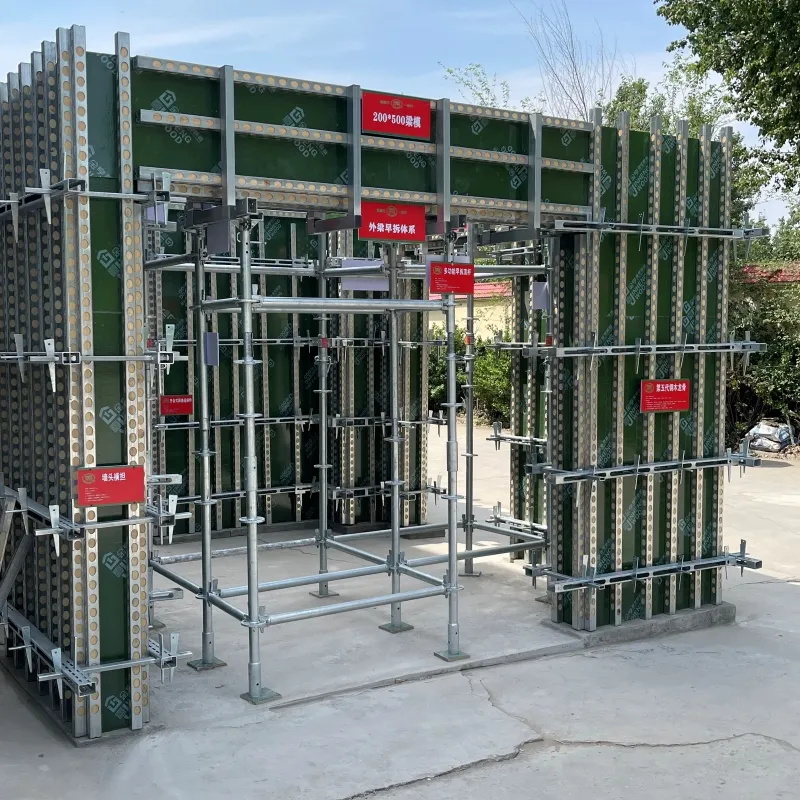
Simply put, a second floor concrete slab is a flat horizontal structural element made of concrete, designed to support loads on the second story of a building. It forms the “floor” that you walk on above the ground floor. But more than that, it connects to walls and columns, transferring weight safely down to foundations.
In modern construction, these slabs are engineered not just for strength but also to meet evolving demands — like improving fire resistance, reducing vibrations, and even integrating with heating or cooling systems. For humanitarian needs, second floor slabs enable faster, safer construction in areas recovering from disasters or where affordable, durable housing is urgently needed.
Core Components Influencing Second Floor Concrete Slab Performance
1. Concrete Mix and Quality
The composition of the concrete—cement, aggregates, water, and admixtures—affects strength and durability. High-quality, well-cured concrete withstands loads and environmental wear better. Many engineers say that tweaking the mix can even mitigate cracking or improve thermal properties.
2. Reinforcement Detailing
Steel rebar embedded inside the slab provides tensile strength concrete lacks. The layout, diameter, and spacing of bars respond to expected loads and building codes. This reinforcement ensures that under bending or shifting, your second floor basically holds its ground—literally.
3. Slab Thickness and Span
How thick the slab is and the distance it covers without support columns determines how much weight it can carry. Building designs vary, but a thicker slab or using beams can boost load capacity for commercial or industrial uses.
4. Load Considerations
Knowing what the slab will bear is crucial—be it furniture, machinery, or crowds of people. Dynamic loads like foot traffic or vibrations influence design decisions to prevent failures with time.
5. Curing and Construction Practices
Proper curing ensures concrete achieves its designed strength, while quality workmanship reduces weak points. In many cases, delays in curing or improper mixing can cause future cracks or spalling—problems that become expensive headaches.
Typical Specifications at a Glance
| Specification | Typical Values | Remarks |
|---|---|---|
| Concrete Grade | M25 - M40 | Moderate to high strength |
| Thickness | 150 - 250 mm | Depends on span/loads |
| Rebar diameter | 10 - 20 mm | Steel reinforcement |
| Curing time | 7 - 28 days | Ensures strength gain |
| Load capacity | Up to 5 kN/m² | Typical for residential uses |
Where and How Second Floor Concrete Slabs Are Making a Difference
Whether it’s a packed office building in Shanghai, a hospital wing in Nairobi, or a school in a post-earthquake zone in Nepal, second floor concrete slabs quietly enable it all. In Asian megacities facing vertical growth, slabs help architects maximize interior spaces without compromising safety or comfort.
In humanitarian settings, these slabs allow rapid reconstruction with durable housing solutions. For example, NGOs often use precast slab systems to speed up rebuilding efforts after disasters, reducing exposure to elements for families that desperately need shelter. You can even find second floor slabs in remote industrial zones — supporting plants or warehouses where heavy equipment needs robust flooring.
If you want some deeper technical insight or ongoing projects, we frequently discuss these applications on our second floor concrete slab resource hub as well.
Benefits That Go Beyond the Surface
- Cost Efficiency: Durable slabs require less maintenance, saving money long-term.
- Safety and Stability: Properly designed slabs withstand loads, earthquakes, and wear.
- Sustainability: New eco-friendly concrete mixes reduce carbon footprint.
- Social Impact: Safe second floors improve living conditions and property values.
But there’s also an emotional dimension — knowing your floor won’t crumble underneath you creates a deep sense of security. Architects and developers see this as an investment in community trust and dignity, not just bricks and mortar.
Looking Ahead: Innovations Shaping the Second Floor Concrete Slab
Tech advances are revolutionizing slab construction. Ultra-high-performance concrete (UHPC) promises thinner and lighter slabs without compromising strength. Smart sensors embedded inside slabs now monitor stress and cracks in real-time — allowing predictive maintenance rather than reactive fixes.
Automation and 3D printing could also speed up slab casting, reducing human error and labor costs. On the sustainability front, recycled aggregates and low-carbon cements are becoming industry staples, dovetailing with global emissions reduction goals (ISO 14000 series).
Common Challenges and Practical Solutions
Of course, it’s not all smooth sailing. Poor curing conditions lead to premature cracks. Unexpected load surges can overwhelm designs. In some developing regions, access to quality materials or skilled labor is limited.
Innovative modular slab systems and training programs help offset these challenges. Some engineers even use fiber-reinforced concrete to enhance durability while cutting down on traditional rebar needs. When scaled properly, these solutions make robust second floor slabs accessible almost anywhere.
Vendor Comparison: Popular Second Floor Concrete Slab Providers
| Vendor | Material Quality | Customization | Lead Time | Price Range |
|---|---|---|---|---|
| SolidBase Concrete | High (M30+) | Standard sizes, limited bespoke | 3-5 weeks | $$$ |
| EcoSlab Innovations | Medium-High (M25-M35) | Custom shapes, sustainable materials | 4-6 weeks | $$ |
| RapidCast Solutions | Ultra-high performance UHPC | Fully customizable, rapid delivery | 2-3 weeks | $$$$ |
Frequently Asked Questions About Second Floor Concrete Slabs
Q1: What’s the typical lifespan of a second floor concrete slab?
A well-designed and maintained slab can last 50 years or more. Factors like environmental exposure, load stresses, and maintenance routines influence longevity. Using quality materials and proper curing upfront significantly extend slab life.
Q2: Can these slabs be modified after construction?
Modifications like drilling or embedding are possible but must be carefully planned to avoid compromising structural integrity. Always consult structural engineers before altering any concrete slab.
Q3: How important is curing time for second floor slabs?
Curing is essential. It allows concrete to hydrate and gain strength gradually. Rushing this process can cause cracking and reduce slab durability. Typically, a curing period of at least 7 days is required, with ideal strength achieved by 28 days.
Q4: Are there lightweight alternatives to traditional concrete slabs?
Yes. Options like precast hollow core slabs or fiber-reinforced concrete reduce weight while maintaining strength, beneficial for longer spans or seismic zones.
Q5: How does climate impact slab design?
In hot or wet climates, additional measures like waterproofing or thermal insulation may be integrated into slabs. Ambient temperature also influences curing times and moisture retention strategies.
Wrapping Up: Why Second Floor Slabs Matter Now and Tomorrow
From city skyscrapers to rural schools, second floor concrete slabs quietly carry our weight and expectations. Their design blends art, science, and a bit of engineering magic to protect what matters most — the people inside. As new materials and tech emerge, these slabs are becoming smarter, greener, and more adaptable than ever.
If you’re involved in construction, housing policy, or rebuilding efforts, understanding the nuances of second floor concrete slabs is a game changer. Curious to learn more or explore tailored solutions? Feel free to visit our second floor concrete slab resource center for deep dives and expert advice.
Thanks for sticking through this little concrete journey — it’s the kind of knowledge that literally supports great things.
References:
1. Wikipedia on Concrete
2. ISO 14000 Environmental Management
3. United Nations Urbanization Prospects
-
Comprehensive Guide to Scaffolding Rods for Safe Construction PracticesNewsFeb.24,2026
-
Comprehensive Guide to Different Types of Scaffolding for Construction ProjectsNewsFeb.11,2026
-
The Crucial Role and Safe Use of Scaffolding in Modern Construction ProjectsNewsJan.30,2026
-
Maximize Productivity and Safety with a Versatile 7m Scaffold TowerNewsJan.27,2026
-
6m Scaffold Tower: A Comprehensive Guide for B2B BuyersNewsJan.26,2026
-
6ft Scaffold: Durability and Safety in ConstructionNewsJan.25,2026
-
6 Scaffolding: A Modern Construction SolutionNewsJan.24,2026