
Mobile Scaffold Tower Guide: Benefits, Trends & Top Products for Safe Access
What is a Mobile Scaffold Tower and Why It Matters Globally
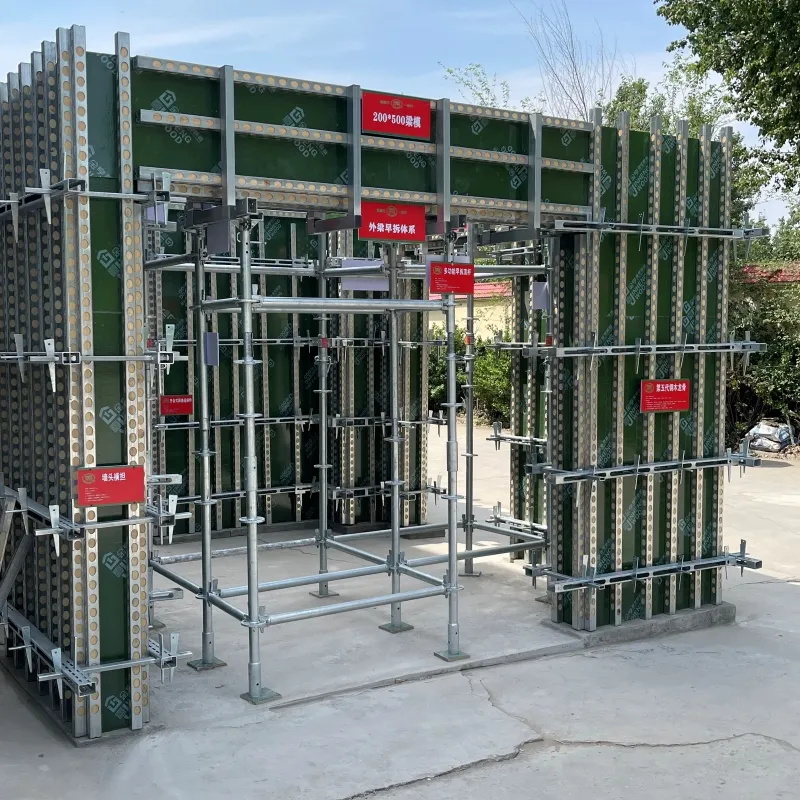
Mobile scaffold towers might not grab headlines every day, but they’re quietly fundamental in lots of industries worldwide. Essentially, they’re portable access platforms on wheels—allowing workers to reach elevated areas efficiently and safely. But beyond construction sites, these towers serve humanitarian missions, industrial maintenance, and even emergency relief efforts. Their mobility, safety features, and adaptability make them a vital component in global development and infrastructure projects.
Understanding mobile scaffold towers unlocks benefits like improved worker safety, faster project turnaround, and cost savings. It’s more than just a metal frame with wheels; it’s a solution that addresses real challenges in accessing heights under changing, sometimes tricky conditions around the world.
Introduction: The Global Context of Mobile Scaffold Towers
The construction industry alone is projected to grow into a $12 trillion market by 2030 according to the World Bank. That means scaffolding solutions, including mobile scaffolds, must evolve too. Mobile scaffold towers respond to demands for safer, faster, and more flexible access at heights—especially important in developing regions where infrastructure projects accelerate rapidly.
Oddly enough, safety remains a huge global challenge on worksites; the International Labour Organization (ILO) estimates that falls from height cause nearly 36% of construction fatalities worldwide. Mobile scaffold towers mitigate such risks by providing secure, stable, and ergonomic work platforms. Already, they’re becoming a frontline tool in addressing these industry pain points.
Definition & Meaning of a Mobile Scaffold Tower
Put simply, a mobile scaffold tower is a freestanding frame scaffold equipped with wheels for easy relocation. The towers are typically modular, made of lightweight materials like aluminum or steel, providing a safe elevated platform for workers. Unlike fixed scaffolding, their portability means they adapt quickly to changing project scopes, tight urban sites, or emergency deployments.
This mobility is critical not only in construction but in humanitarian efforts – for example, setting up temporary clinics or shelters after natural disasters, where rapid access is essential. So these towers intersect modern industry with real-world, on-the-ground needs globally.
Key Factors or Core Components of Mobile Scaffold Towers
1. Durability & Material Quality
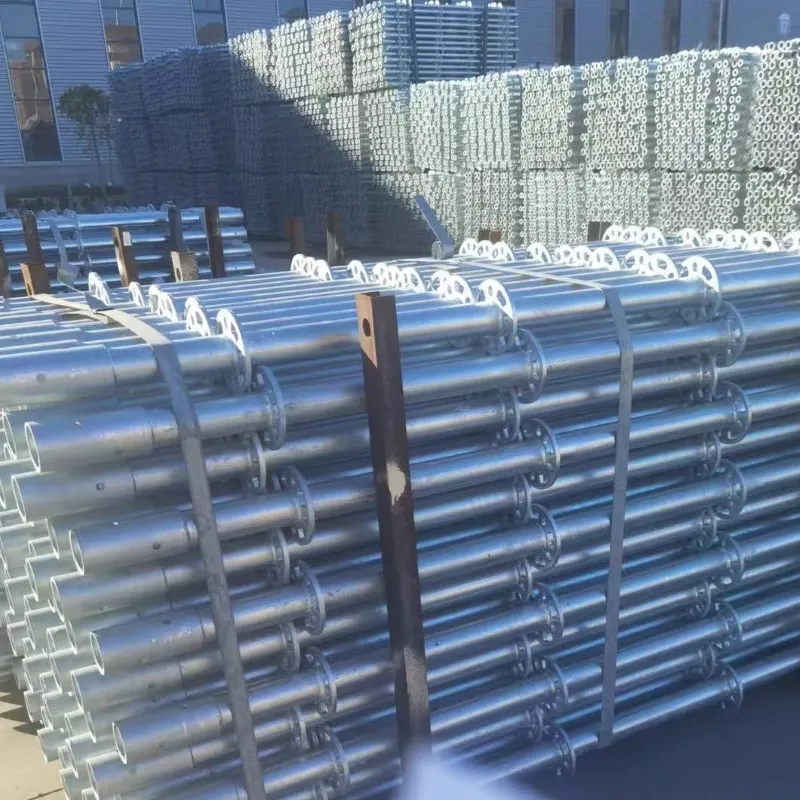
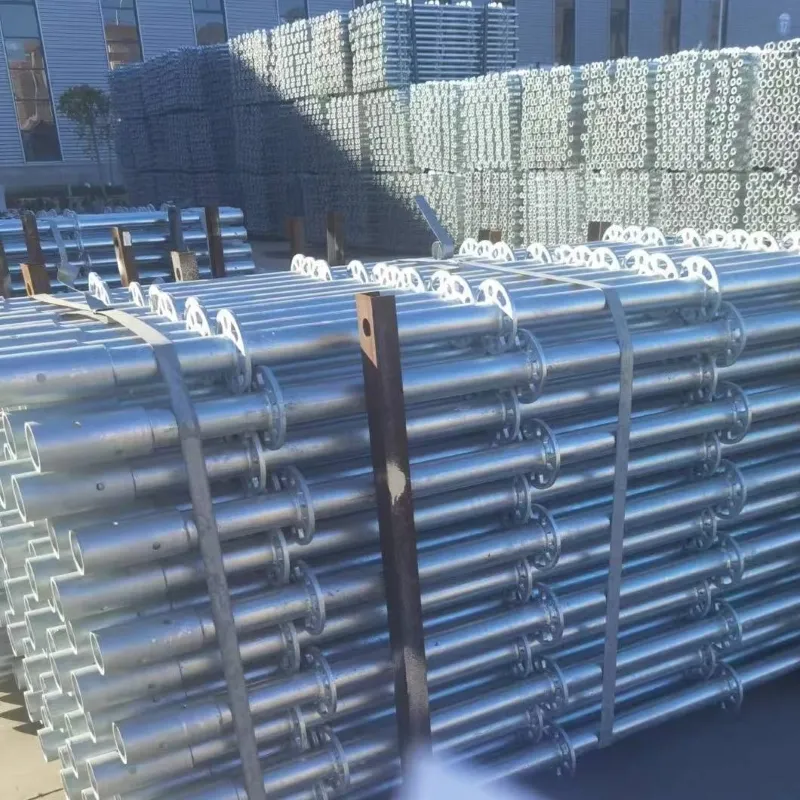
The backbone of any mobile scaffold tower is its material — usually anodized aluminum or galvanized steel. Aluminum offers corrosion resistance and lighter weight, while steel boosts structural strength. The choice affects the tower’s lifespan and maintenance. I’ve noticed many engineers strongly recommend aluminum for outdoor projects exposed to weather.
2. Scalability and Modular Design
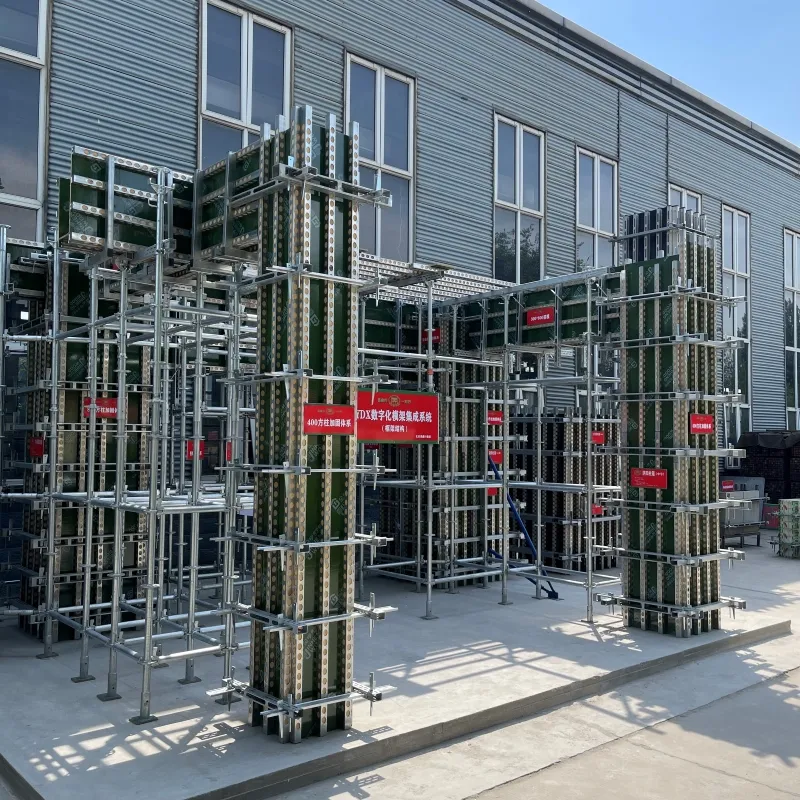
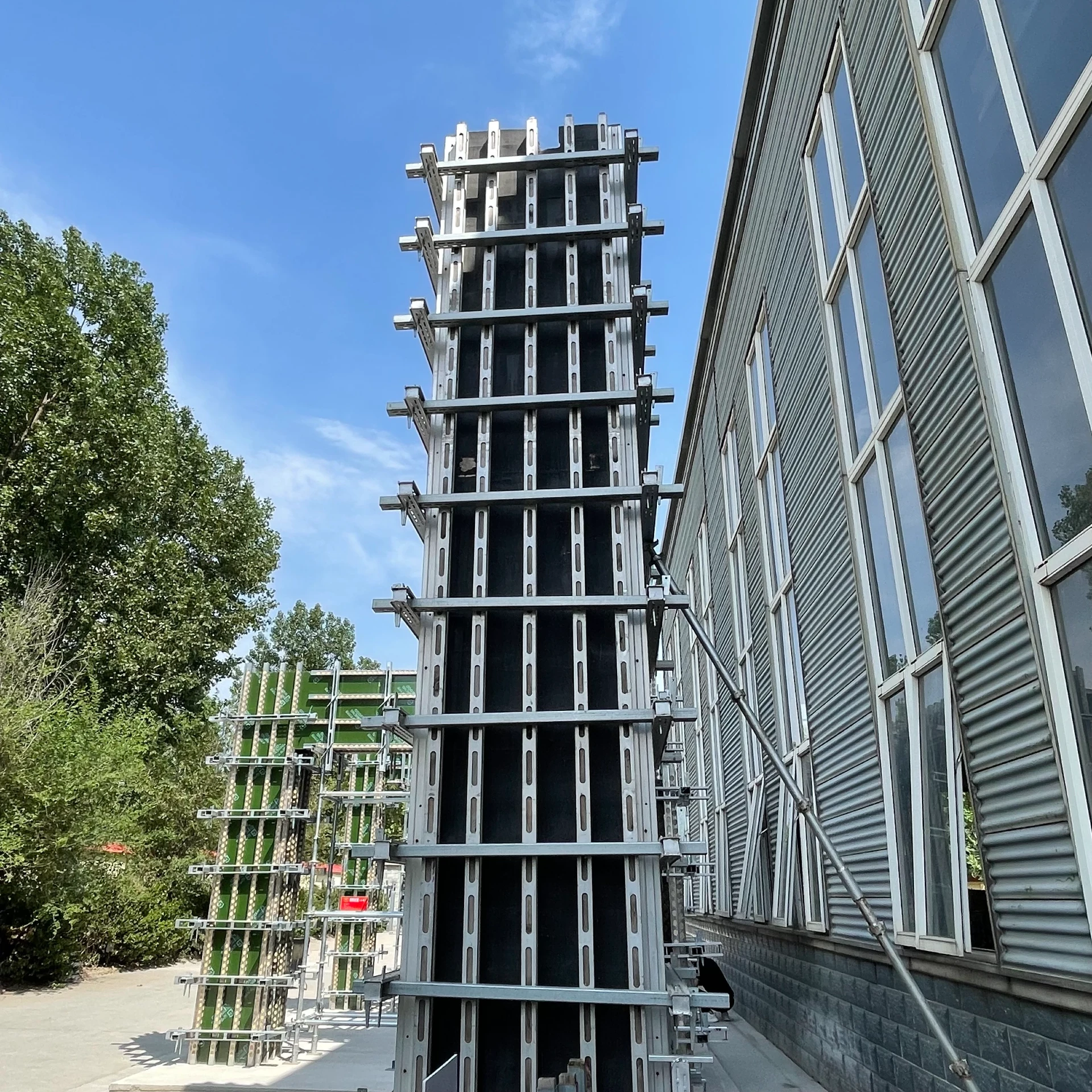
These towers are built to grow with your project. Modular sections mean you can add height or platform breadth as needed, taking care not to exceed manufacturer limits. This flexibility keeps costs down by adjusting the scaffold footprint rather than building anew.
3. Safety Features
Guard rails, non-slip platforms, stabilizer outriggers, and secure locking wheels are all part of safe mobile scaffold tower design. The right assembly training plays a big role too — but the hardware itself shouldn’t ask for second chances.
4. Ease of Mobility
Smooth-rolling casters with brakes provide straightforward movement on even surfaces. Some towers have adjustable leveling jacks to handle uneven terrain — a real boon in industrial or outdoor environments. Apparently, mobility isn’t just about wheels; it’s about adapting safely to ground conditions.
5. Cost Efficiency
While initial investment can be higher than fixed scaffolds, savings come through faster assembly and reuse across multiple projects. It feels like a practical trade-off when you consider labor costs and downtime avoidance.
Product Specification Table: Example Mobile Scaffold Tower — Model A20
| Feature | Specification |
|---|---|
| Material | Anodized Aluminum |
| Maximum Height | 12 meters (39 ft) |
| Platform Size | 1.2 x 2.4 meters |
| Weight Capacity | 300 kg (660 lbs) |
| Caster Diameter | 125 mm with locks |
| Compliance | EN 1004, OSHA |
Global Applications & Use Cases of Mobile Scaffold Towers
From skyscrapers in Dubai to remote hydroelectric plants in the Amazon, mobile scaffold towers show up everywhere. In post-disaster relief operations, NGOs use them to facilitate rapid repairs to schools, clinics, or housing. Even the film industry employs mobile scaffolds for set construction and lighting rigging.
In China and India, booming urbanization has made these towers commonplace to meet aggressive construction schedules in high-density zones. Meanwhile, European manufacturers are pushing for more ergonomic, road-legal scaffolds to address occupational safety directives.
You’ll often find organizations like the Red Cross or UN Habitat relying on these towers during emergency rebuild phases—they support rapid deployment and worker safety simultaneously.
Vendor Comparison: Leading Mobile Scaffold Tower Manufacturers
| Brand | Material | Max Height | Special Features | Price Range |
|---|---|---|---|---|
| SafeLift Pro | Steel/Galvanized | 15m | Adjustable leveling jacks, reinforced platforms | $$$ |
| AluMobi 3000 | Anodized Aluminum | 12m | Lightweight, easy assembly, anti-slip platform | $$ |
| BuildFlex Mobile | Steel/Aluminum Hybrid | 14m | Modular sections, extra wide platforms, wheel locks | $$$ |
Advantages & Long-Term Value of Mobile Scaffold Towers
Beyond the obvious practicality, mobile scaffold towers bring profound advantages across economic, safety, and social dimensions. They help reduce labor injuries dramatically, supporting a culture of safety compliance that many industrial sites still struggle to adopt.
Then there is the sustainability angle: reusability across multiple projects contributes to lower material waste. The portability means fewer steel material-intensive fixed structures, which is better long term for the environment.
Emotionally, workers often report feeling more secure and valued when provided with proper, mobile scaffold towers. This trust leads to higher productivity and dignity on-site, which is frankly an undervalued aspect of workplace culture.
Future Trends & Innovations in Mobile Scaffold Towers
Sustainability and tech upgrades are the buzzwords here. For example, bioplastics and recycled aluminum alloys are entering scaffold materials to reduce ecological footprints. Automated assembly using robotics in warehouses is also a thing now—increasing speed and accuracy.
Smart scaffolding systems that include sensors to monitor stability, worker presence, and environmental conditions are emerging, aligning with the digital transformation sweeping construction. Imagine a scaffold tower that alerts you before it’s overloaded or detects uneven ground automatically.
Challenges & Solutions
Despite all the benefits, mobile scaffold towers face some hurdles. Uneven terrain makes mobility tricky—requiring leveling solutions, which can add to cost and complexity. Regulations vary by country, so international projects need products compliant with multiple standards.
Expert advice? Investing in training programs and modular kits optimized for different terrains usually pays off. Also, partnering with reputable vendors who provide comprehensive technical support can overcome many practical issues.
Frequently Asked Questions About Mobile Scaffold Towers
-
Q: What makes a mobile scaffold tower safer than a ladder?
A: Mobile scaffold towers provide a wide, stable platform with guardrails and non-slip surfaces, reducing fall risk. Unlike ladders, they allow movement and tools handling safely at various heights. -
Q: How adaptable are mobile scaffold towers for uneven ground?
A: Many towers include adjustable leveling jacks or stabilizers to compensate for uneven surfaces, but extremely rough terrain may still pose challenges requiring additional support. -
Q: Are mobile scaffold towers compliant with international safety standards?
A: Reputable manufacturers design scaffolds to meet common regulations like EN 1004 in Europe and OSHA in the US, but always verify local requirements before deployment. -
Q: How long does it take to assemble a typical mobile scaffold tower?
A: Depending on size and experience, lightweight modular towers can be assembled in under an hour, often much faster than traditional scaffolding systems. -
Q: Can mobile scaffold towers be rented for short-term projects?
A: Yes, many service providers offer flexible rental options, ideal for short-term or phased projects, which also reduces upfront capital costs.
Conclusion & Call to Action
When you piece it all together, mobile scaffold towers are a remarkable blend of flexibility, safety, and efficiency. They’re not just tools; they’re enablers of safer, smarter work at heights worldwide. Whether in urban construction, industrial maintenance, or urgent humanitarian relief, these towers support countless hands-on projects securely and sustainably.
Curious to explore a mobile scaffold tower for your next project? Visit us at https://www.formworkreinforced.com for expert advice, products, and solutions that fit your needs.
Mini takeaway: Mobile scaffold towers blend innovation with practicality, empowering safer, greener, and faster access across industries worldwide.
References
-
Comprehensive Guide to Scaffolding Rods for Safe Construction PracticesNewsFeb.24,2026
-
Comprehensive Guide to Different Types of Scaffolding for Construction ProjectsNewsFeb.11,2026
-
The Crucial Role and Safe Use of Scaffolding in Modern Construction ProjectsNewsJan.30,2026
-
Maximize Productivity and Safety with a Versatile 7m Scaffold TowerNewsJan.27,2026
-
6m Scaffold Tower: A Comprehensive Guide for B2B BuyersNewsJan.26,2026
-
6ft Scaffold: Durability and Safety in ConstructionNewsJan.25,2026
-
6 Scaffolding: A Modern Construction SolutionNewsJan.24,2026