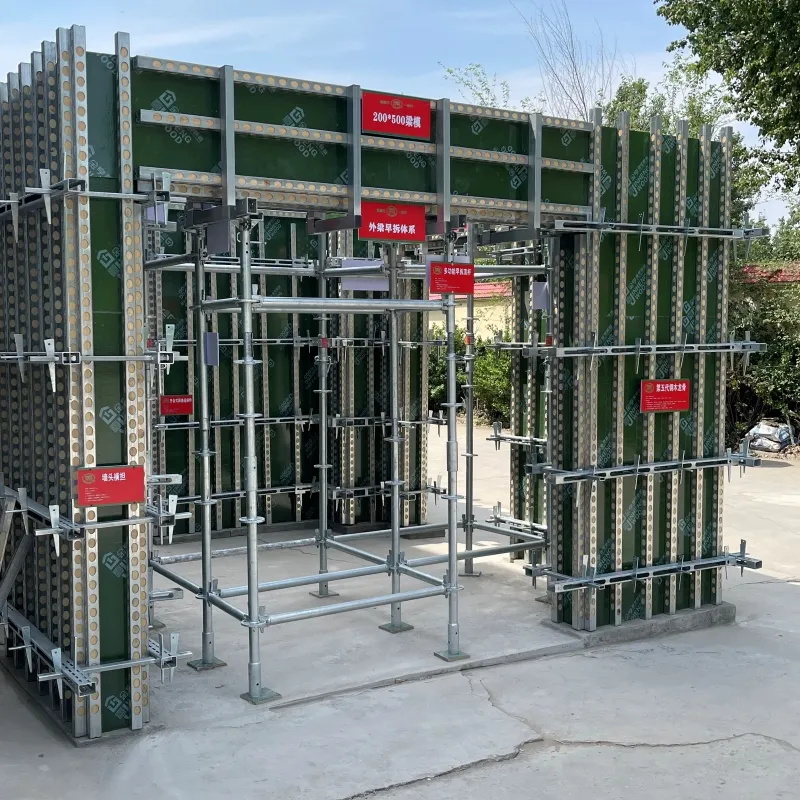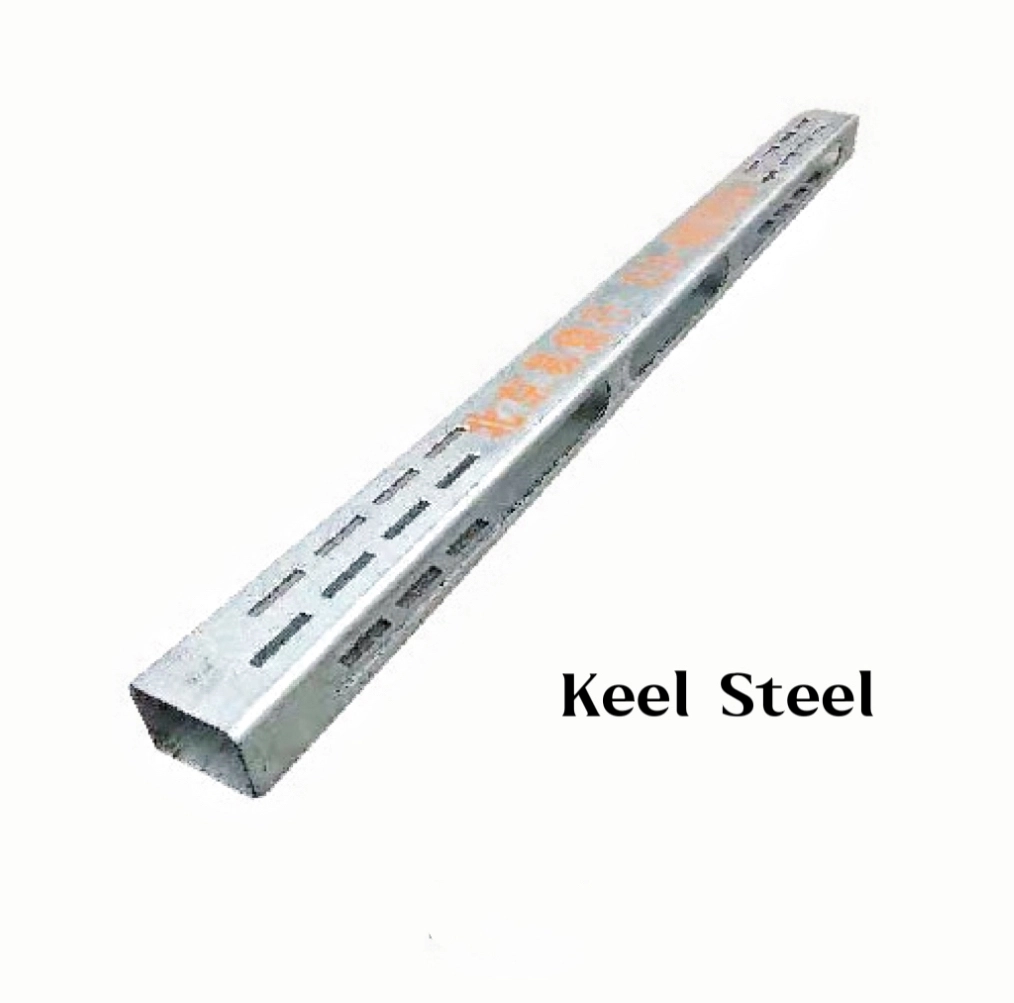

Modular Scaffolding: Durable, Flexible Access Solutions for Industrial Worksites
Modular Scaffolding: The Backbone of Efficient Industrial Worksites
Having spent well over a decade in the industrial equipment world, I can say without hesitation that modular scaffolding has been one of the quiet workhorses behind countless successful projects. It’s the kind of solution that’s both flexible and sturdy — qualities that anyone working on large-scale construction or industrial maintenance comes to deeply appreciate.
Now, if you haven’t dealt with scaffolding systems directly, you might wonder: what makes modular scaffolding so special? Well, it comes down to its design philosophy. Instead of one-size-fits-all, modular systems are made up of prefabricated components that can be assembled in countless configurations. This isn’t just theory. I remember working on a refinery upgrade that demanded tricky access points, and the modular system we used adapted to odd corners and tight spaces like a glove. Trying to get that kind of fit with traditional scaffolding? Near impossible.
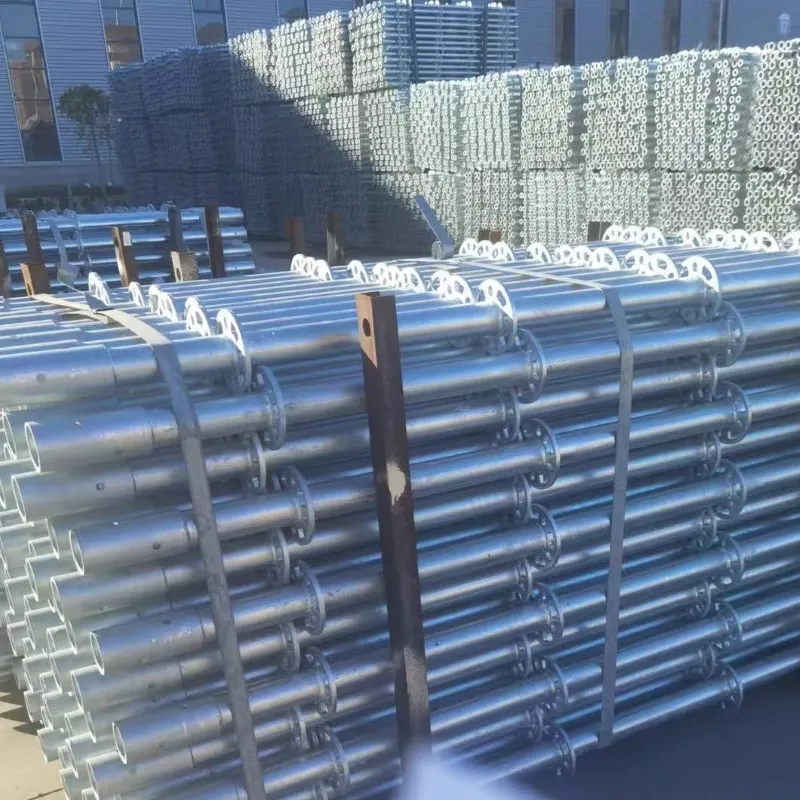
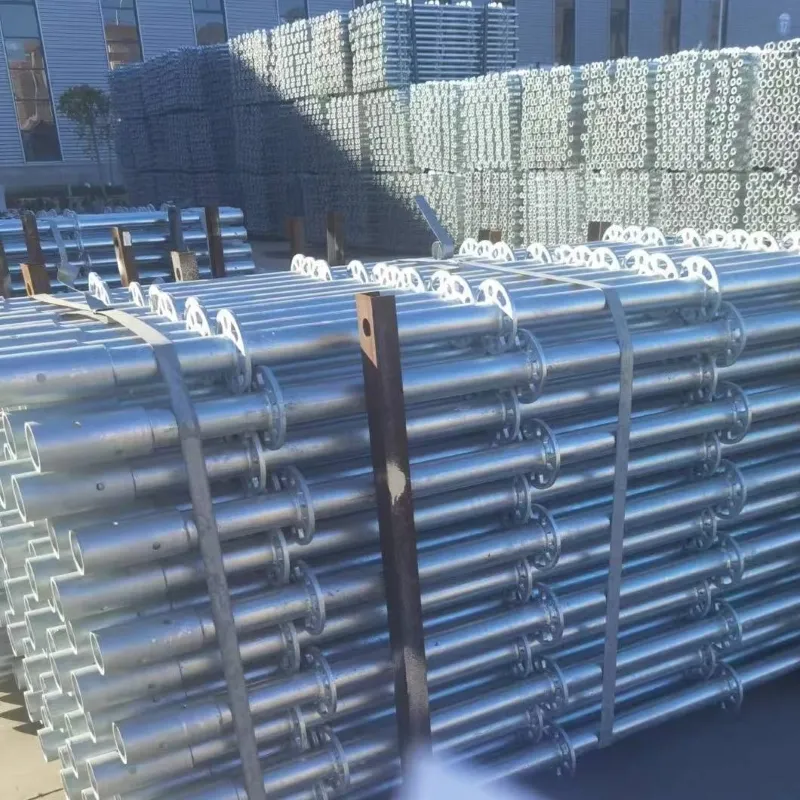
Materials matter, too. Most modular scaffolding frames come in high-grade steel, often galvanized to resist rust in industrial environments. The tubes and joints are not only strong but designed to handle repetitive assembly and disassembly without losing integrity. Oddly enough, some engineers often say modular scaffolding can outlast the project itself — that’s a testament to their build quality.
Of course, safety testing is rigorous. From load-bearing certifications to stability under wind loads, these systems undergo stringent evaluations — which is essential when lives depend on stable platforms hundreds of feet above the ground. I’ve personally reviewed several product datasheets over the years, noting consistent compliance with EN 12811 and OSHA standards. Having these certifications is more than paperwork; it's peace of mind for the crew on site.
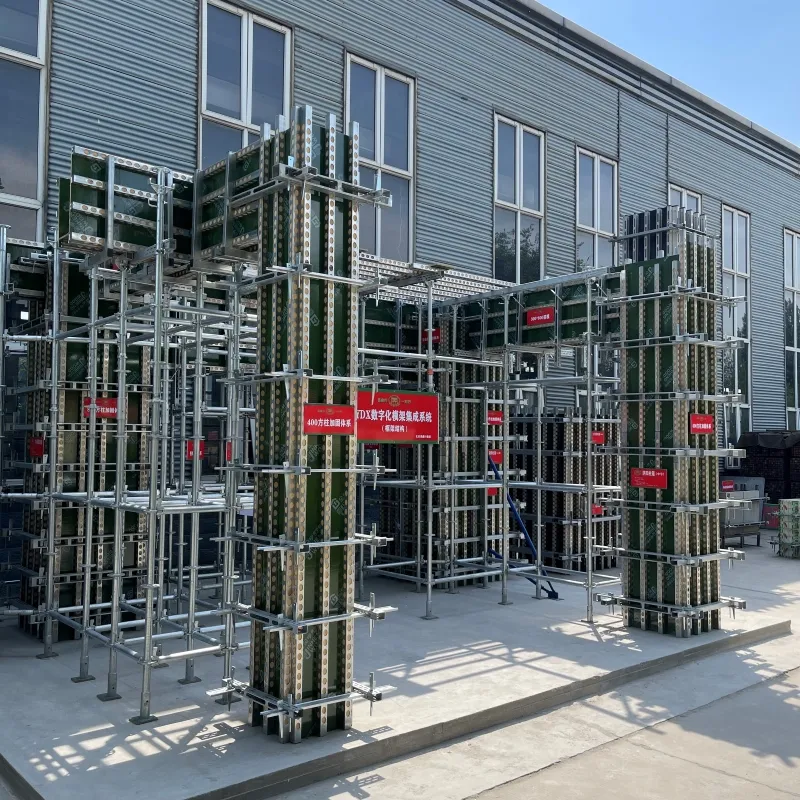
Modular scaffolding also shines in the customization department. Whether you need a simple access stairway or complex elevated work platforms with multiple levels, the modular nature allows for tailored setups without redesigning from zero. This adaptability shortens project timelines and reduces labor costs, which in large industrial sectors can mean millions saved.
Here’s a rough outline of typical product specs that I’ve seen in reputable modular scaffold kits:
| Component | Material | Load Capacity | Dimensions | Finish |
|---|---|---|---|---|
| Vertical Standards | Galvanized Steel | Up to 2,000 kg/m² | 48 mm diameter | Hot-dip Galvanized |
| Horizontal Ledgers | Steel Alloy | Up to 1,500 kg/m² | 41 mm diameter | Powder Coated |
| Base Plates | Cast Steel | Load distribution up to 10,000 kg | 150 x 150 mm | Galvanized |
| Couplers & Clamps | High-tensile steel | Secure fastening up to 5,000 kg | Various sizes | Galvanized / Zinc plated |
When it comes to choosing a vendor, a few names come up time and again in my circle. Below is a comparison of three key modular scaffold suppliers I’ve seen in industrial projects:
| Vendor | Component Variety | Customization | Lead Time | Price Range |
|---|---|---|---|---|
| Formwork Reinforced | Extensive (100+ parts) | High - bespoke solutions | 4-6 weeks | Mid to High |
| Scaffold Pro Systems | Moderate (70 parts) | Medium | 2-4 weeks | Low to Mid |
| Industrial Scaffold Co. | Basic (50 parts) | Limited | 3-5 weeks | Budget-friendly |
On the job sites I’ve visited, especially ones involving complex pipework or elevated repairs, the flexibility offered by companies like Formwork Reinforced really shines. They provide excellent technical support too, which frankly can be a lifesaver when deadlines tighten or unusual challenges crop up unexpectedly.
In real terms, investing in modular scaffolding isn’t just about having a structure to stand on. It’s about ensuring safety, maintaining productivity, and adapting to project needs without major headaches. I recall one particular site where unexpected weather delays meant pulling down and relocating scaffold sections on very short notice. The ease of dismantling and reassembling modular kits made that ordeal far less stressful.
Many seasoned engineers I’ve spoken with echo the sentiment: modular scaffolding is a cornerstone of modern industrial construction and maintenance. It’s a system that quietly blends engineering precision with practical flexibility.
So, if you’re weighing your options for scaffolding solutions, here’s my two cents: go modular, and pick a vendor who understands your operational nuances — it will save you time, money, and frankly, a lot of hassle.
Final takeaway: modular scaffolding, done right, is the unsung hero of industrial projects — robust, adaptable, and surprisingly user-friendly if you know what to look for.
- EN 12811-1:2003 – Temporary Works Equipment Standards, European Committee for Standardization.
- OSHA Scaffold Standards (29 CFR 1926 Subpart L).
- “Industrial Modular Scaffolding Market”, Market Research Future, 2023.
-
Comprehensive Guide to Scaffolding Rods for Safe Construction PracticesNewsFeb.24,2026
-
Comprehensive Guide to Different Types of Scaffolding for Construction ProjectsNewsFeb.11,2026
-
The Crucial Role and Safe Use of Scaffolding in Modern Construction ProjectsNewsJan.30,2026
-
Maximize Productivity and Safety with a Versatile 7m Scaffold TowerNewsJan.27,2026
-
6m Scaffold Tower: A Comprehensive Guide for B2B BuyersNewsJan.26,2026
-
6ft Scaffold: Durability and Safety in ConstructionNewsJan.25,2026
-
6 Scaffolding: A Modern Construction SolutionNewsJan.24,2026