
Mason Scaffolding: Safe, Efficient, and Sustainable Construction Solutions Worldwide
Mason Scaffolding: Building Safer and Smarter Worldwide
When you hear “mason scaffolding,” you might picture those towering metal frames wrapping a building under construction. But there’s a lot more behind this term than just temporary ladders and platforms—it’s a cornerstone of construction safety and efficiency worldwide. Understanding mason scaffolding opens a window into how industries keep workers safe, speed up projects, and even support humanitarian efforts after natural disasters. From city skylines to remote rural zones, mason scaffolding plays a pivotal role in shaping communities—yet many still overlook its importance beyond the basics.
Global Context: The Backbone of Safer Construction
Globally, construction is one of the largest industries, accounting for over 13% of the world’s GDP, according to the World Bank. With rapid urbanization and infrastructure development, especially in emerging economies, construction safety is under intense scrutiny. Mason scaffolding directly addresses this by providing safe, stable support for workers handling bricklaying, plastering, or structural repairs at heights. The International Labour Organization notes falls as a top cause of construction fatalities—scaffolding standards are therefore crucial for occupational safety worldwide.
To illustrate, regions like Southeast Asia and Sub-Saharan Africa are experiencing construction booms but still face safety challenges related to inadequate scaffolding. Mason scaffolding isn’t just a construction tool; it’s a global safety lifeline.
What Is Mason Scaffolding?
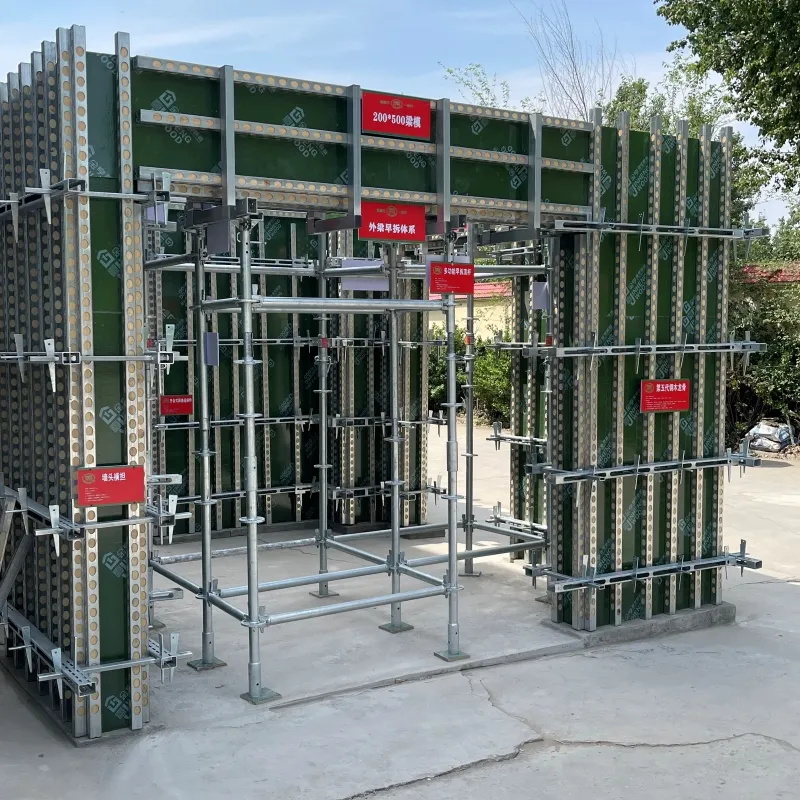
Simply put, mason scaffolding refers to temporary frameworks—usually made of steel or aluminum tubes and boards—that provide safe platforms for masons (bricklayers) and other workers to perform tasks at various elevations. Unlike general scaffolding, mason scaffolding often emphasizes modularity, quick assembly, and adaptability to complex brickwork and masonry tasks. It’s tied deeply to modern construction practices and even humanitarian needs, for example, enabling rapid building repairs after earthquakes or hurricanes.
Oddly enough, although small in appearance, a mason scaffold’s design reflects decades of engineering focused on balancing durability, ease of use, and safety compliance.
Core Components and Key Features of Mason Scaffolding
Durability and Material Quality
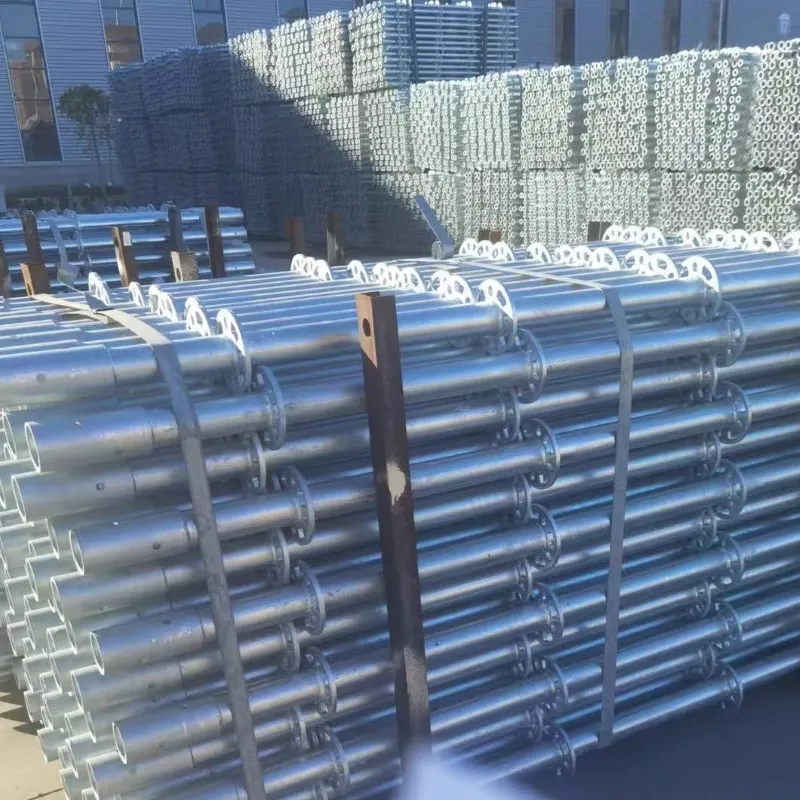
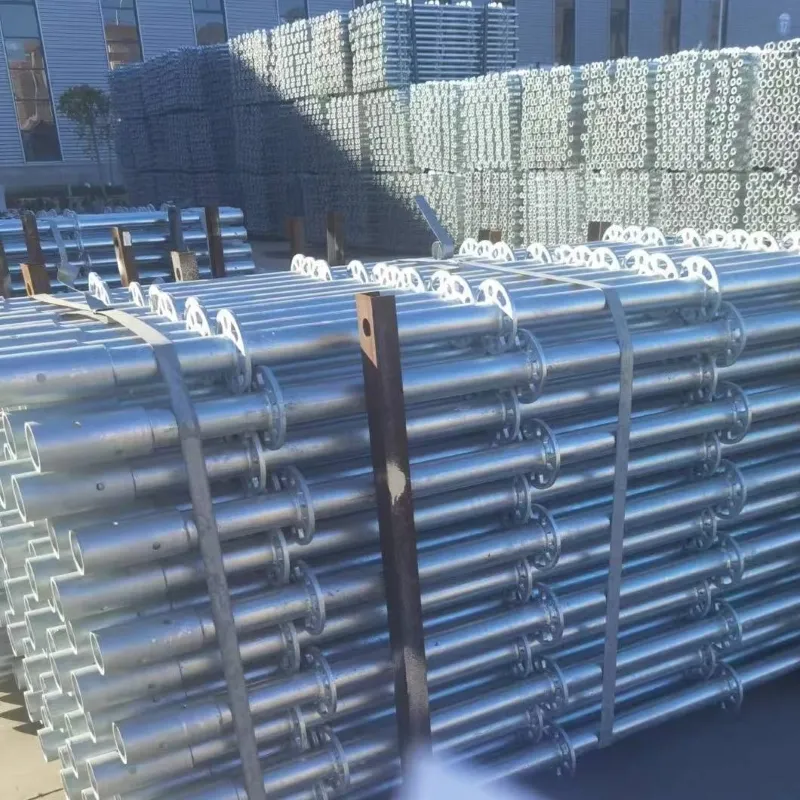
The heart of mason scaffolding is its materials. Most frameworks use galvanized steel which resists rust and wear. Durability means that structures stay reliable even in harsh weather or over months of work. Some modern systems use lightweight aluminum to balance strength with portability—handy on tight urban sites.
Modularity and Scalability
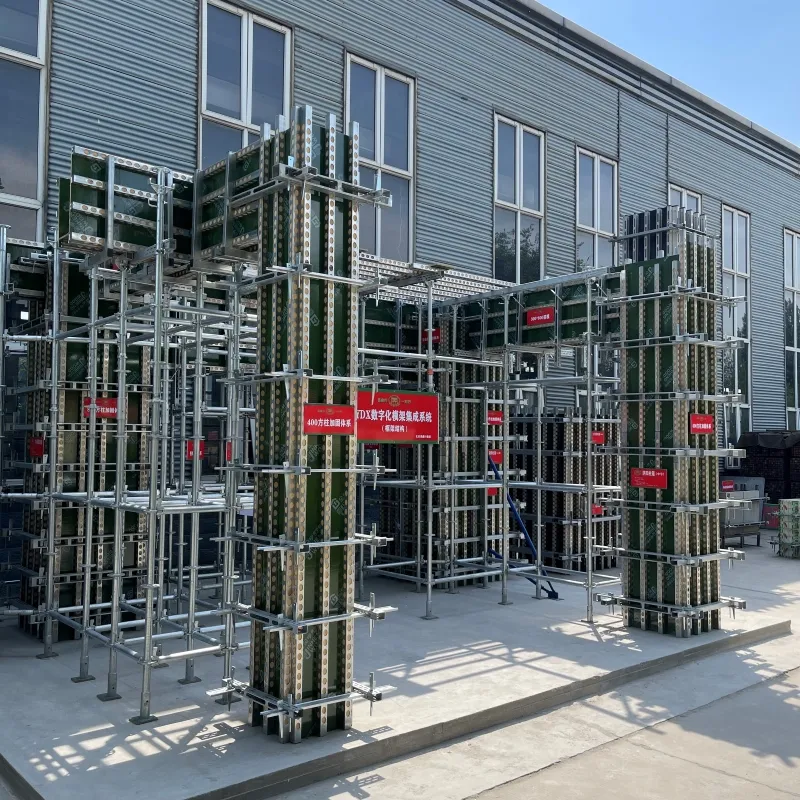
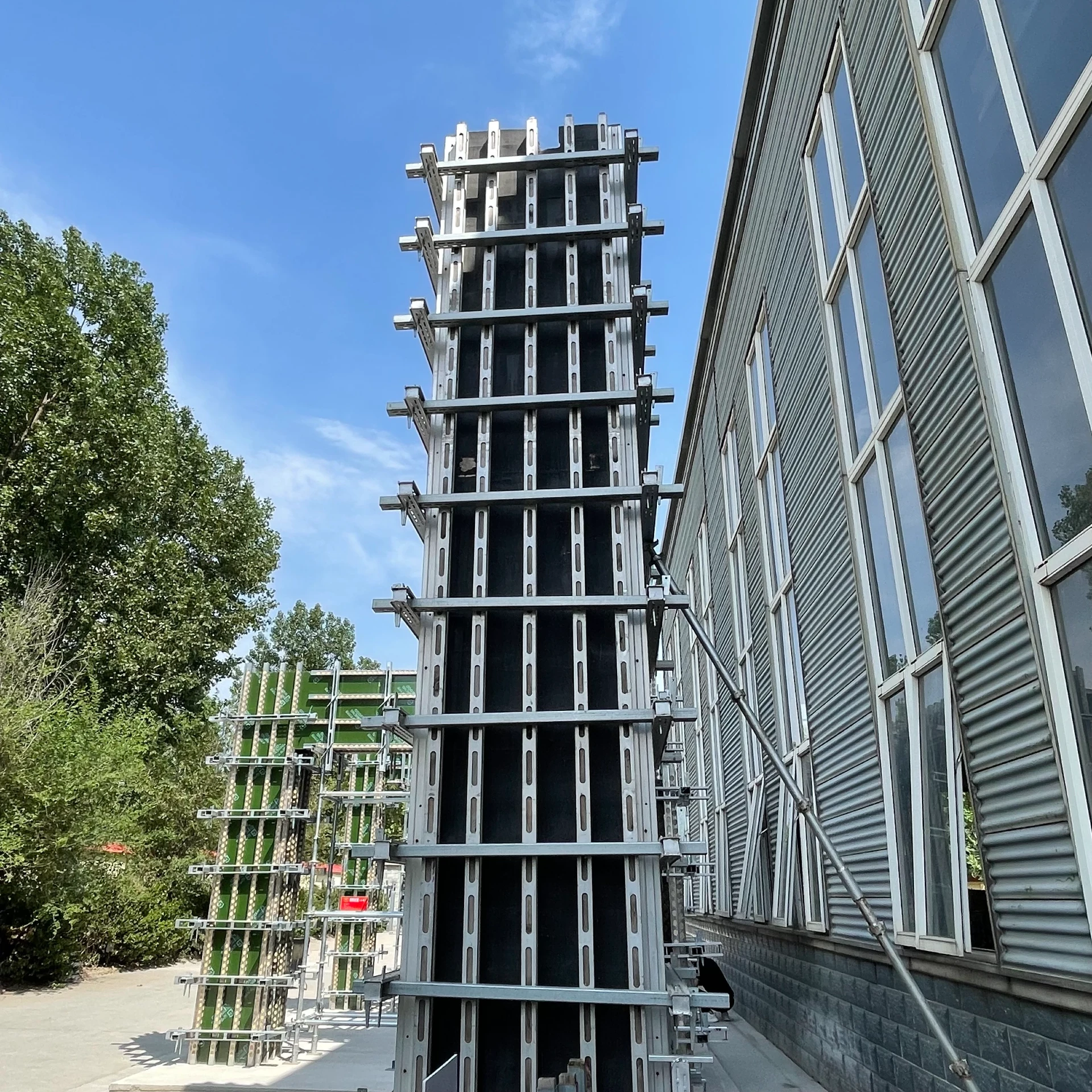
Modular design lets scaffolders adapt the structure’s height and footprint instantly. This is crucial because no two building sites are alike. Being able to customize scaffolding to fit narrow alleys or sprawling facades saves time and money, and reduces onsite hazards.
Cost Efficiency
Since mason scaffolding is reusable, its long-term cost is substantially lower than makeshift wood platforms built from scratch for every job. Renting systems from specialized vendors can further reduce capital expenses, making it accessible globally—even in developing markets.
Safety Features
Guardrails, anti-slip decking, and secure locking mechanisms are standard. Many systems also come with safety certifications adhering to ISO 18001 (Occupational Health and Safety Management). This compliance builds trust with workers and contractors alike, which frankly is priceless.
Ease of Assembly and Disassembly
Time saved onsite means dollars saved. Mason scaffolding systems commonly include tool-free connectors and lightweight components, enabling small teams to erect or dismantle scaffolds quickly—and safely.
Quick Product Specifications: Popular Mason Scaffolding Model
| Feature | Specification |
|---|---|
| Material | Galvanized Steel Tubing (1.5 in diameter) |
| Max Load Capacity | 200 kg/m² |
| Deck Size | 1.2 m x 0.6 m (standard planks) |
| Height Range | Up to 12 meters modular segments |
| Connector Type | Quick-lock clamps (tool-free) |
Who Uses Mason Scaffolding Globally?
From skyscraper projects in Dubai to emergency rebuilding in Haiti, mason scaffolding cuts across industries and geographies. Construction companies in Europe mandate scaffold safety certifications to meet European Union norms, while humanitarian NGOs rely on masonry scaffolds to rebuild homes post-disaster quickly and reliably.
Mason scaffolding is also a staple in industrial zones such as oil refineries and power plants, where secure access to complex masonry structures is vital for maintenance.
Mini takeaway: Mason scaffolding isn’t limited to traditional building sites. It powers innovation, safety, and speed wherever walls get built or repaired worldwide.
Advantages and Long-Term Value of Mason Scaffolding
- Safety: Significantly lowers risk of falls and workplace injuries.
- Economic Efficiency: Reusable scaffolds reduce material waste and costs over project lifecycles.
- Sustainability: Durable steel frames support green building by minimizing discard and promoting long-term use.
- Social Impact: Enhances dignity and working conditions, boosting morale and productivity.
There’s also a trust factor—knowing that your scaffold won’t fail when you’re up a dozen meters in the air is priceless. Many engineers say it feels like a safety net made visible.
Comparing Leading Mason Scaffolding Vendors
| Vendor | Material Quality | Price Range | Modularity | Certifications |
|---|---|---|---|---|
| BuildSafe Co. | High-grade galvanized steel | $$$ | Fully modular | ISO 18001, OSHA compliant |
| RapidScaf Ltd. | Aluminum alloys (lightweight) | $$ | Semi-modular | CE Marked |
| EcoFrame Solutions | Recycled steel composites | $$$ | Fully modular + eco features | ISO 18001, LEED certified |
Future Trends in Mason Scaffolding
Looking ahead, sustainability is a big deal. Innovations like modular scaffolds using recycled materials or incorporating solar panels for onsite power are not just visions—they’re starting to surface in green building projects. Digital transformation also touches scaffolding: IoT sensors to monitor structural integrity in real-time, or augmented reality apps helping scaffolders quickly map and assemble structures.
Automation could eventually streamline scaffold deployment, especially for repetitive industrial work. Though these tech trends are early-stage, they promise to fuse safety with efficiency in new ways.
Common Challenges & Expert Solutions
Sure, mason scaffolding isn’t flawless. Some challenges include:
- High upfront costs for premium systems
- Skilled labor shortage in scaffolder training
- Logistical hurdles in remote or disaster-stricken sites
Many experts suggest renting scaffolds or training community workers as viable solutions. NGOs sometimes combine scaffolding with mason scaffolding kits that include detailed manuals for quick setups. Investing in mobile scaffold units can also resolve on-the-fly deployment issues.
Frequently Asked Questions About Mason Scaffolding
- What makes mason scaffolding different from regular scaffolding?
- Mason scaffolding is specifically designed to support bricklayers and masonry work, often featuring modular components that adapt to complex wall structures. It balances sturdiness with ease of assembly, which might not be as emphasized in generic scaffolding.
- How do I ensure mason scaffolding meets safety standards?
- Look for scaffolding certified to international standards such as ISO 18001 or OSHA compliance. Vendors usually provide documentation and risk assessments to confirm the scaffold’s reliability and safety features.
- Can mason scaffolding be used in disaster relief construction?
- Absolutely. Its modular and quick-assembly design makes it ideal for rebuilding walls or structures in disaster-affected areas. Several NGOs integrate mason scaffolding kits for rapid deployment.
- What is the typical lifespan of a mason scaffolding system?
- With proper maintenance and storage, steel mason scaffolding can last 10-20 years. Aluminum versions may have shorter lifespans but offer portability advantages.
- Are there eco-friendly options for mason scaffolding?
- Yes, some companies offer scaffolds made from recycled steel and composites. Additionally, lightweight aluminum versions reduce transport emissions and improve sustainability profiles.
Conclusion: Why Mason Scaffolding Matters Long-Term
Ultimately, mason scaffolding isn’t just about brick and mortar—it’s a cornerstone of modern construction safety, sustainability, and effectiveness. Whether you’re erecting skyscrapers or repairing earthquake-stricken homes, investing in proper scaffolding translates directly to lives protected and projects delivered on time. Curious to learn more or find the right scaffolding solution? Visit our website: https://www.formworkreinforced.com. It feels like the first step toward building something truly lasting.
Mini takeaway: Sound scaffolding systems literally support not only structures, but also communities, economies, and safety cultures worldwide.
References
-
Comprehensive Guide to Scaffolding Rods for Safe Construction PracticesNewsFeb.24,2026
-
Comprehensive Guide to Different Types of Scaffolding for Construction ProjectsNewsFeb.11,2026
-
The Crucial Role and Safe Use of Scaffolding in Modern Construction ProjectsNewsJan.30,2026
-
Maximize Productivity and Safety with a Versatile 7m Scaffold TowerNewsJan.27,2026
-
6m Scaffold Tower: A Comprehensive Guide for B2B BuyersNewsJan.26,2026
-
6ft Scaffold: Durability and Safety in ConstructionNewsJan.25,2026
-
6 Scaffolding: A Modern Construction SolutionNewsJan.24,2026