
Ladder Frame Scaffolding: Durable & Versatile Industrial Access
Ladder Frame Scaffolding: The Backbone of Industrial Access
Having worked in the industrial equipment field for quite a few years, I’ve come to appreciate ladder frame scaffolding as one of those unsung heroes on any large project site. It’s not flashy, but it sure gets the job done—and frankly, it’s often the scaffold you can depend on when things get a bit rough and tumble.
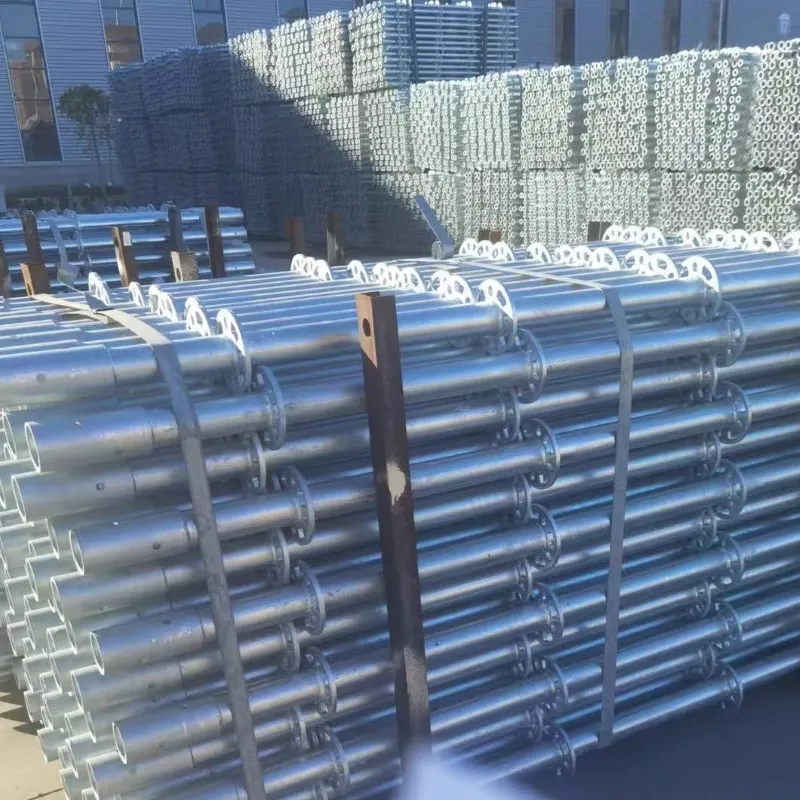
First off, ladder frame scaffolding is what you might call the "go-to" choice for versatility and reliability. Those rectangular frames welded together are simple yet robust, making assembly faster compared to tube & clamp or system scaffolds. When I first encountered it, I was struck by how quickly crews could erect and dismantle these frames—something anyone managing tight deadlines deeply appreciates.
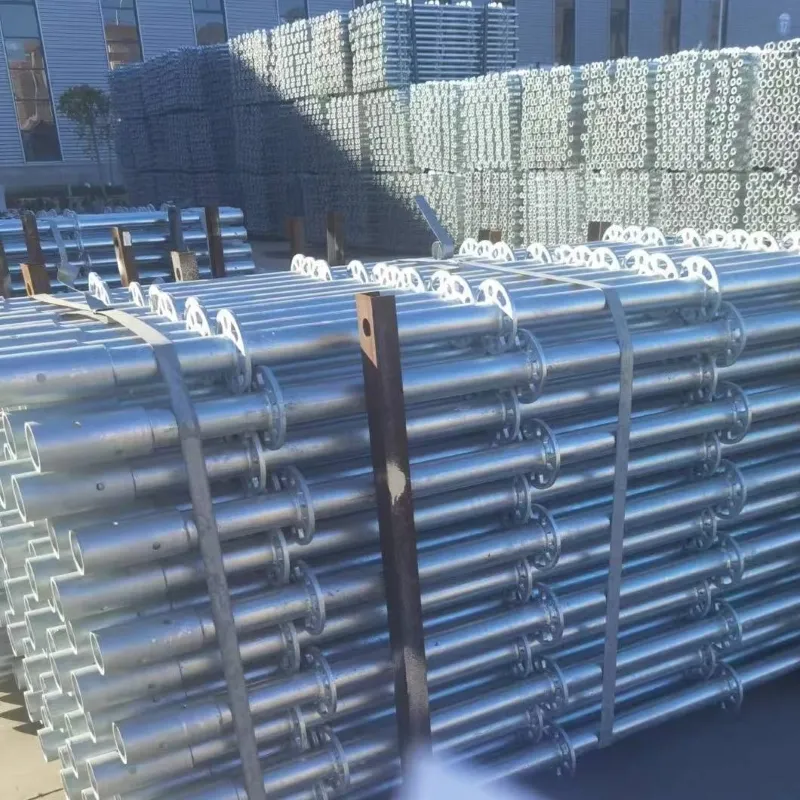
Now, if you’re wondering why ladder frame scaffolding has stood the test of time, well, a big part is due to the materials used. Typically, these frames are made of galvanized steel or aluminum. Galvanized steel remains popular for its durability and resistance to corrosion, which is crucial on outdoor or coastal projects. Aluminum’s lightweight nature means faster handling, but it comes with a price premium—so it depends on your priorities.
In terms of safety, ladder frame scaffolding gets consistently good marks. The design inherently provides stability with the cross braces and guarding rails integrated neatly into the frames. On some projects, I noticed how inspectors tend to favor it because the modular frames visually show if something’s missing or out of place—sort of a built-in quality check, if you will.
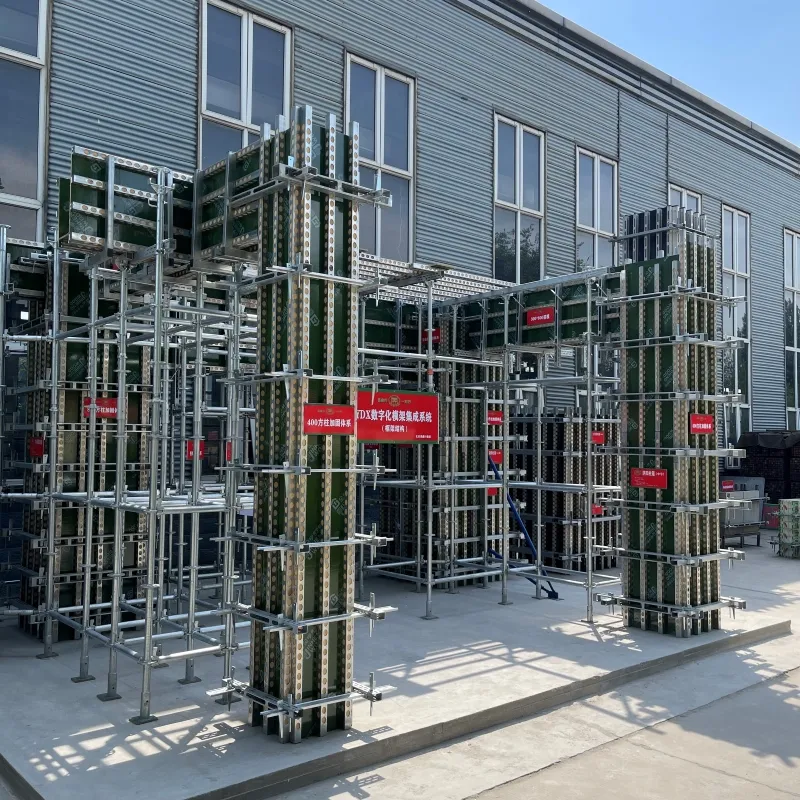
Customization also deserves a shoutout here. Vendors often offer frames in various heights and widths, with added options like walk-through ends, stairways, and adjustable base jacks. For one of my clients who had a complex refurbishment site, the ability to mix and match frames was a game-changer. It allowed fitting scaffold into tight or awkward spaces without compromising safety.
Speaking of vendors, I’ve had the chance to test a few ladder frame scaffolding systems over the years. Here’s a quick comparison of three popular offerings:
| Vendor | Material | Customization | Price Range |
|---|---|---|---|
| StrongHold Scaffolds | Galvanized Steel | High (frames, stair units, accessories) | $$$ |
| AluRise | Aluminum Alloy | Medium (sizes and guardrails) | $$$$ |
| BuildSure Pro | Powder-coated Steel | Low (standard frames only) | $ |
Enough about brands though — let’s take a quick peek at the specs of a typical ladder frame scaffold:
| Specification | Details |
|---|---|
| Frame Height | 6 ft, 7 ft, 10 ft |
| Frame Width | 5 ft or 6 ft |
| Material | Steel (galvanized) or Aluminum |
| Load Capacity | Up to 75 lbs/sq ft (varies by design) |
| Accessories | Guardrails, stairways, base jacks |
In real terms, I’ve always seen ladder frame scaffolding blend simplicity with strength. That’s probably why it’s so common in industrial and commercial projects alike. Whether you’re doing steel erection, concrete work, or maintenance—this scaffold keeps things accessible and safe.
Oddly enough, some customers initially think it’s old-fashioned compared to newer scaffolding systems. But those who stick with it find the reliability—plus the extensive aftermarket parts and proven compliance with industry standards—a real comfort. It feels like a scaffold you can trust to hold firm, and when budgets tighten, that counts for a lot.
Before I wrap up, here’s a little anecdote from a plant refurbishment last year: the site supervisor swore by ladder frame scaffolding’s modular design. They managed to reduce setup time by nearly 30% just by swapping out frames without redoing the entire scaffold. That’s the kind of practical benefit that isn’t always obvious on paper.
If you’re considering a new scaffold purchase or rental, it’s worth looking closely at the versatility and ease of maintenance ladder frame scaffolding offers. I still say it’s one of the most straightforward and effective solutions around.
In summary: reliable, tested, and flexible—that’s ladder frame scaffolding in a nutshell.
References:
1. OSHA Scaffolding Standard 29 CFR 1926.451
2. Scaffold Industry Association Technical Guidelines
3. Manufacturer Product Manuals and Safety Data Sheets
-
Comprehensive Guide to Scaffolding Rods for Safe Construction PracticesNewsFeb.24,2026
-
Comprehensive Guide to Different Types of Scaffolding for Construction ProjectsNewsFeb.11,2026
-
The Crucial Role and Safe Use of Scaffolding in Modern Construction ProjectsNewsJan.30,2026
-
Maximize Productivity and Safety with a Versatile 7m Scaffold TowerNewsJan.27,2026
-
6m Scaffold Tower: A Comprehensive Guide for B2B BuyersNewsJan.26,2026
-
6ft Scaffold: Durability and Safety in ConstructionNewsJan.25,2026
-
6 Scaffolding: A Modern Construction SolutionNewsJan.24,2026