
Hurricane Scaffold: Durable and Safe Solutions for Extreme Weather Construction
Understanding Hurricane Scaffold: A Vital Solution for Resilient Construction
In an era when extreme weather events seem to be increasing in frequency and intensity, hurricane scaffold systems are emerging as critical innovations in the construction and disaster relief sectors. But what exactly is a hurricane scaffold, and why should building professionals, disaster responders, and policymakers care about it? Frankly, it’s about safety and sustainability—creating temporary or semi-permanent frameworks that withstand the rigors of high winds and hurricanes, enabling both secure construction and rapid disaster recovery worldwide.
Introduction: The Global Context of Hurricane Scaffold
According to the United Nations Office for Disaster Risk Reduction (UNDRR), tropical cyclones affect millions yearly, causing devastating human and economic losses. The World Bank estimates damages from hurricanes and tropical storms at over $150 billion annually. Clearly, strengthening construction methodologies is not just about engineered efficiency—it’s about human lives and livelihoods.
Traditional scaffolding often fails to meet the stringent demands posed by hurricanes or tropical storms. That’s where hurricane scaffold technology steps in. Designed specifically to resist hurricane-force winds and dynamic loads, this scaffold system aims to minimize structural failures during emergencies, ensure worker safety, and accelerate construction or repair operations in storm-prone regions.
Mini takeaway: Hurricane scaffold systems tackle an urgent global challenge—building resilience directly into construction frameworks exposed to extreme weather.
What Is Hurricane Scaffold?
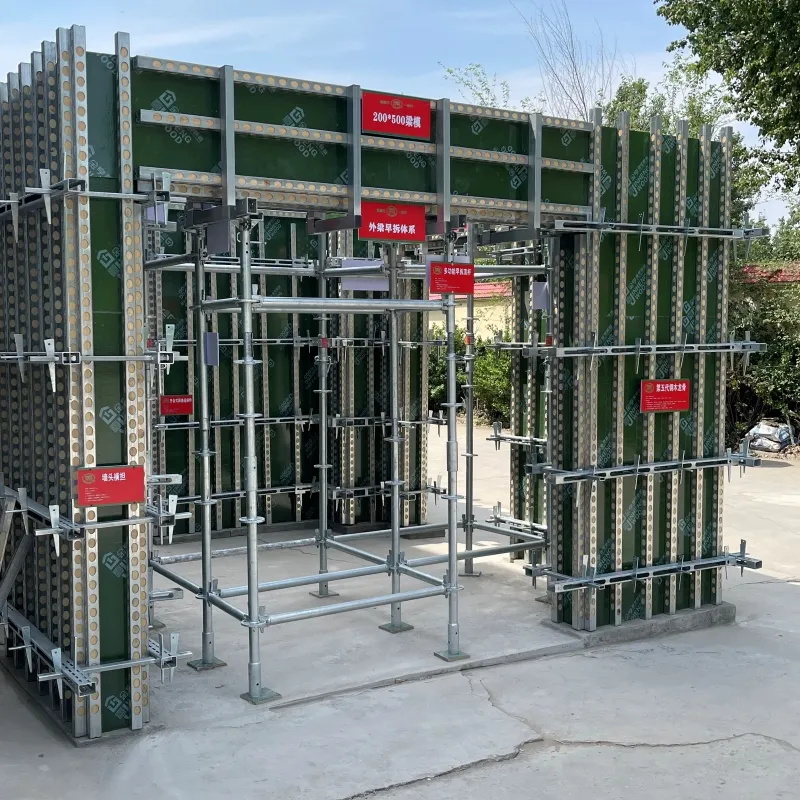
At its core, a hurricane scaffold is a scaffold assembly engineered to support extreme wind loads typically encountered in hurricane environments. Unlike standard scaffolding, these structures incorporate enhanced materials, bracing patterns, and anchoring techniques specifically tested to survive Category 4 and 5 hurricanes. They’re often modular, adaptable, and robust, fitting into the needs of both new construction and emergency reconstruction.
This kind of scaffolding is crucial not only in industrial and commercial construction but shines in humanitarian relief operations—where damaged homes or facilities must be rebuilt quickly and safely.
Core Components and Key Factors
1. Durability
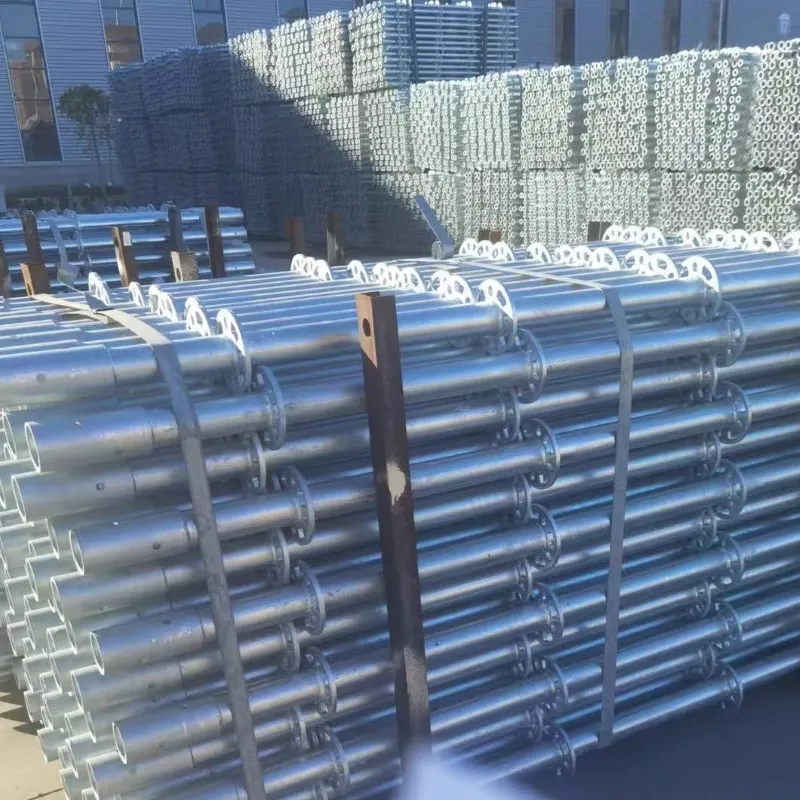
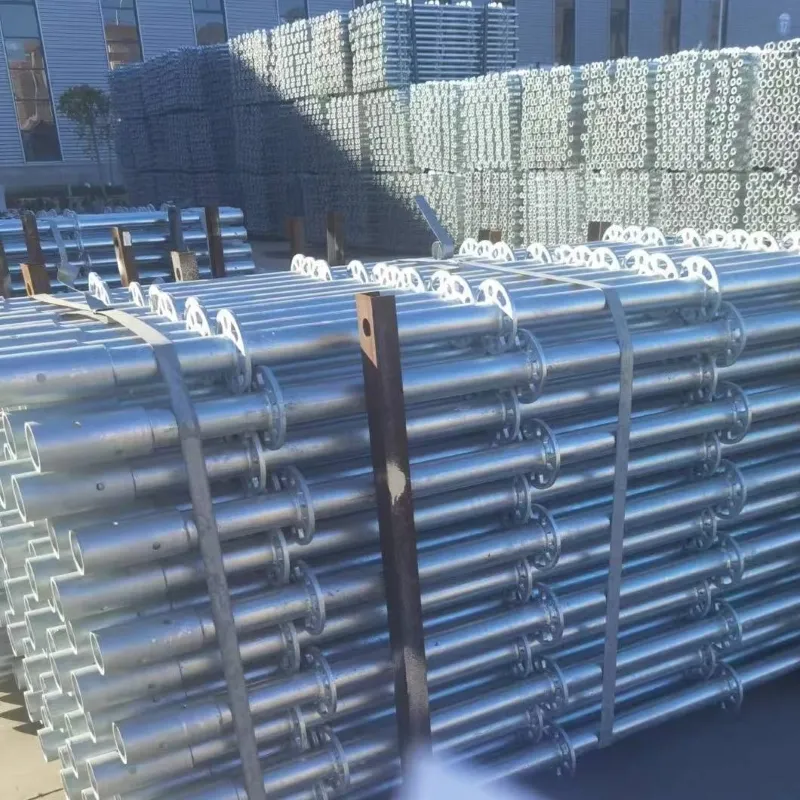
Materials like galvanized steel tubes and high-tensile strength components form the backbone of hurricane scaffolds. These resist corrosion, fatigue, and mechanical stresses, allowing scaffold systems to endure beyond standard service lives, even in salty coastal climates.
2. Structural Bracing and Stability
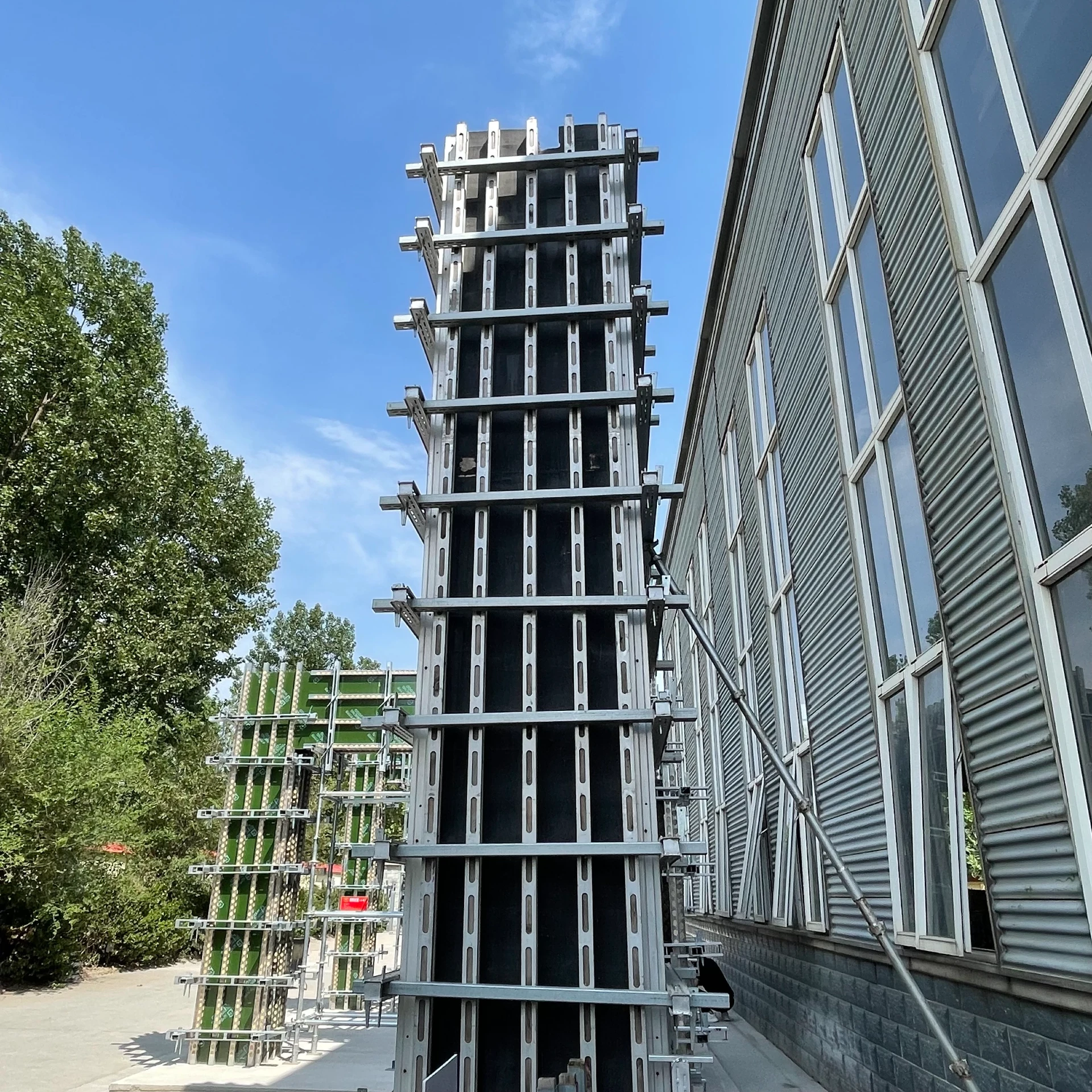
Cross-bracing techniques and diagonal supports are optimized to distribute dynamic hurricane loads effectively, minimizing sway. Engineers often rely on ISO 9001-certified manufacturing to ensure precision in fitting and assembly, crucial for maintaining rigidity in unpredictable environments.
3. Flexibility and Scalability
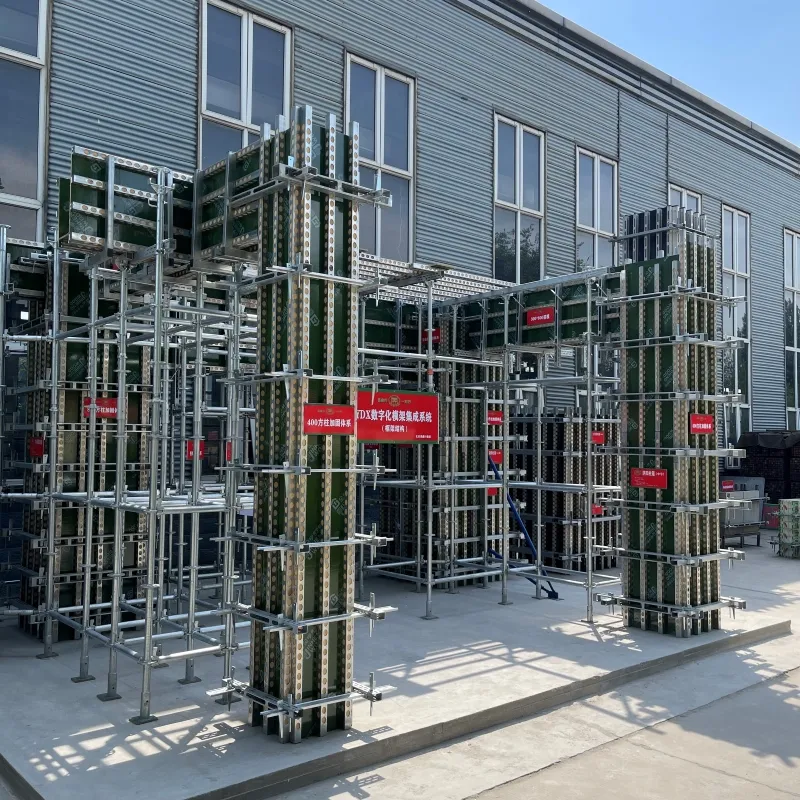
The modular design allows quick deployment and reconfiguration to accommodate various building sizes or terrain types. This is crucial in disaster-hit zones where rapid erection and dismantling save precious time.
4. Cost Efficiency
Though more expensive upfront than regular scaffolding, hurricane scaffold systems reduce loss and liability dramatically. Their durability lowers repair and replacement costs, while faster deployment increases operational productivity.
5. Safety Features
Integrated guardrails, non-slip platforms, and secure anchor points are standard to protect workers from falls and injuries during stormy conditions.
Product Specifications: Hurricane Scaffold Essentials
| Specification | Typical Value | Notes |
|---|---|---|
| Material | Galvanized Steel Alloy | Corrosion Resistant |
| Max Wind Load Resistance | 250 mph (Category 5) | Tested to ASTM wind standards |
| Modular Size | Adjustable 6-10 ft sections | Supports various building profiles |
| Load Capacity | 2,500 lbs per section | Comfortable margin for workers/materials |
| Assembly Time | Under 60 minutes per 100 sqft | With trained crew |
Global Applications and Use Cases
In real-life scenarios, hurricane scaffolds have saved countless projects across hurricane-prone belts such as the southeastern United States, the Caribbean, and parts of Southeast Asia. For example:
- Post-Disaster Relief: NGOs deploying pre-fabricated hurricane scaffolds can speedily rebuild shelters after disasters like Hurricane Dorian (2019) devastated the Bahamas.
- Industrial Usage: Oil rigs and coastal factories reinforce equipment maintenance scaffolds to keep operations safe during tropical storms in the Gulf of Mexico.
- Infrastructure Projects: Bridge repairs and coastal defense construction benefit from modular hurricane scaffold systems that adapt to uneven terrain and extreme weather.
Without question, the system's flexibility paired with its strength makes it ideal for diverse environments.
Vendor Comparison: Top Hurricane Scaffold Providers
| Feature | StormBrace Corp. | WindGuard Systems | SafeHold Solutions |
|---|---|---|---|
| Max Wind Rating | 250 mph | 230 mph | 260 mph |
| Material Quality | Galvanized Steel | Aluminum Alloy | Galvanized & Powder Coated |
| Typical Assembly Time | 55 minutes / 100 sqft | 65 minutes / 100 sqft | 60 minutes / 100 sqft |
| Global Shipping | Yes | Limited | Yes |
| Average Cost per Module | $1,250 | $1,100 | $1,400 |
Advantages and Long-Term Value
Using hurricane scaffolds doesn’t merely protect against wind-induced failures; it fosters a culture of resilience and trust. On a purely economic level, the lower downtime and damage-related costs give companies and communities reassurance. Psychologically, workers feel safer knowing that scaffolding won’t collapse mid-storm, which improves morale and productivity.
Add to that the social dimension—especially in disaster zones—where rapid repair and rebuilding under hurricane-grade protection restore dignity and hope. Many engineers advocate that these scaffold systems represent not just an investment in infrastructure but also in human well-being.
Mini takeaway: Hurricane scaffolds blend safety, economics, and empathy into sustainable construction practices.
Future Trends and Innovations
The trajectory for hurricane scaffold technologies is fascinating. Innovations include using lighter yet stronger composite materials, integrating smart sensors for real-time load and stability monitoring, and automated assembly robots to speed up deployment. What's also emerging is the green angle—scaffold components recycled or manufactured with reduced carbon footprints, aligning with ISO 14001 environmental standards.
Digital design tools allow precise customization for specific sites or weather scenarios. Oddly enough, some companies are exploring solar-powered lighting integrated into scaffold platforms for safety during night operations in remote locations.
Challenges and Expert Solutions
Implementing hurricane scaffolds isn’t without obstacles. Cost barriers can deter smaller contractors. Assembly requires trained personnel to avoid faulty setup. Additionally, varying regional building codes sometimes complicate standardization or certification.
Experts recommend:
- Investing in workforce training programs tailored to hurricane scaffold assembly.
- Collaborating with regulators early to align scaffold designs with local codes.
- Exploring financing models that amortize higher upfront costs over time.
Such approaches help bridge the gap between advanced technology and practical field use.
FAQ: Frequently Asked Questions About Hurricane Scaffold
- What makes hurricane scaffold different from traditional scaffold systems?
- Hurricane scaffold is specifically engineered to withstand extreme wind loads associated with hurricanes, incorporating stronger materials, enhanced bracing, and secure anchorage that standard scaffolds often lack.
- Can hurricane scaffolds be reused after a storm event?
- Yes, when properly inspected and maintained, these scaffolds are designed for multiple deployment cycles, providing long-term cost and sustainability benefits.
- Are hurricane scaffold systems suitable for offshore or coastal construction?
- Absolutely. Many systems use corrosion-resistant materials and specialized coatings ideal for salty, humid environments like coastal or offshore sites.
- How quickly can hurricane scaffolds be assembled on site?
- With a trained crew, assembly times typically range from under an hour to a few hours per 100 square feet, which is vital during emergency rebuilding or rapid construction projects.
- Do hurricane scaffold providers offer global shipping and support?
- Leading vendors like StormBrace and SafeHold provide international logistics and technical assistance, helping NGOs and corporations deploy systems worldwide.
Conclusion
To sum it up, hurricane scaffolds offer an essential layer of protection and efficiency in a changing climate. Their application spans industries—from disaster relief to heavy industry—bringing safety, speed, and sustainability together. If you’re involved in construction, emergency management, or infrastructure planning in hurricane-prone regions, these scaffolds are worth closer attention.
For more detailed information and trusted suppliers, please visit our website: hurricane scaffold.
Ultimately, investing in hurricane scaffold technology feels like investing in peace of mind—both for today’s workers and tomorrow’s communities.
References
-
Comprehensive Guide to Scaffolding Rods for Safe Construction PracticesNewsFeb.24,2026
-
Comprehensive Guide to Different Types of Scaffolding for Construction ProjectsNewsFeb.11,2026
-
The Crucial Role and Safe Use of Scaffolding in Modern Construction ProjectsNewsJan.30,2026
-
Maximize Productivity and Safety with a Versatile 7m Scaffold TowerNewsJan.27,2026
-
6m Scaffold Tower: A Comprehensive Guide for B2B BuyersNewsJan.26,2026
-
6ft Scaffold: Durability and Safety in ConstructionNewsJan.25,2026
-
6 Scaffolding: A Modern Construction SolutionNewsJan.24,2026