
Hydraulic Scaffolding for Industrial Worksites – Flexible & Safe Elevation
Hydraulic Scaffolding: The Backbone of Flexible Industrial Worksites
After spending over a decade in the trenches of industrial equipment, I can tell you one thing: hydraulic scaffolding is often an underrated hero on job sites. Sure, it doesn’t get the glamour of heavy cranes or the flashiness of robotic welders, but when it comes to safe, adaptable elevation—and doing so efficiently—this gear quietly wins every time.
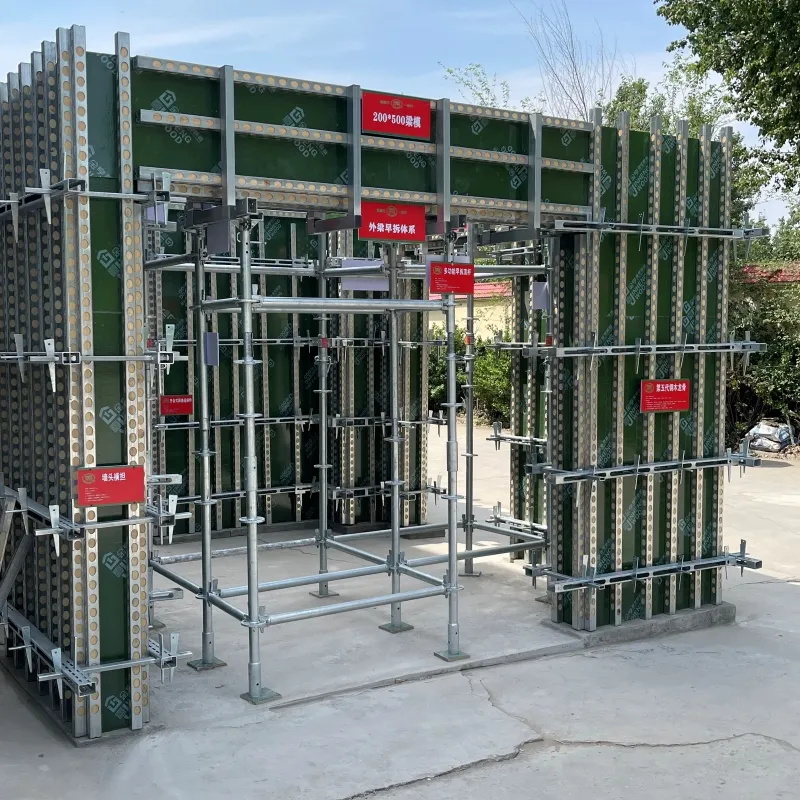
Now, hydraulic scaffolding might sound a bit fancy or high-tech, but essentially it’s scaffolding that uses hydraulic pistons and cylinders for easy adjustment. This means rapid raising and lowering without hours of manual labor or risky climbing. In real terms, that flexibility often translates to saved hours—and a safer crew, which frankly is priceless.
Industry trends point to increased adoption, especially in large infrastructure projects. Many engineers I chatted with recently emphasize how hydraulic systems adapt to uneven terrain and complex geometries better than traditional scaffolds. Plus, the modularity means they can customize configurations on the fly, which is a godsend when schedules and plans inevitably shift.
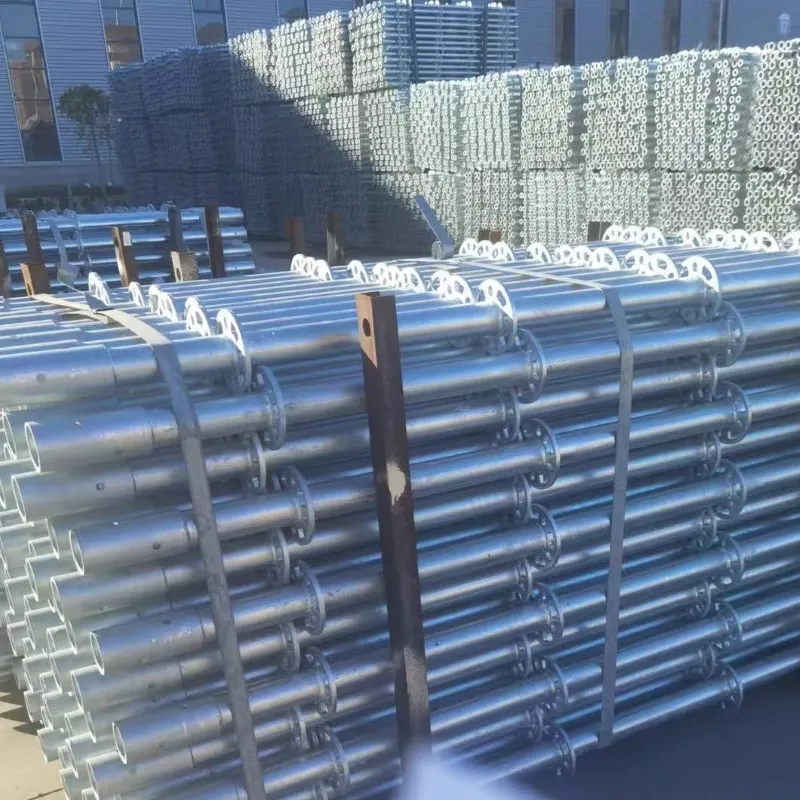
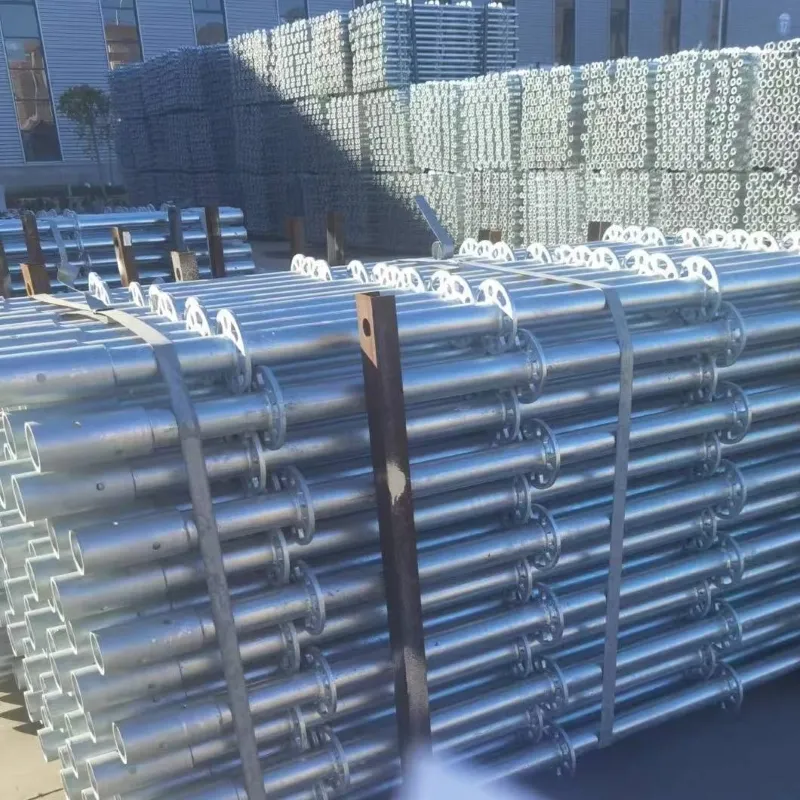
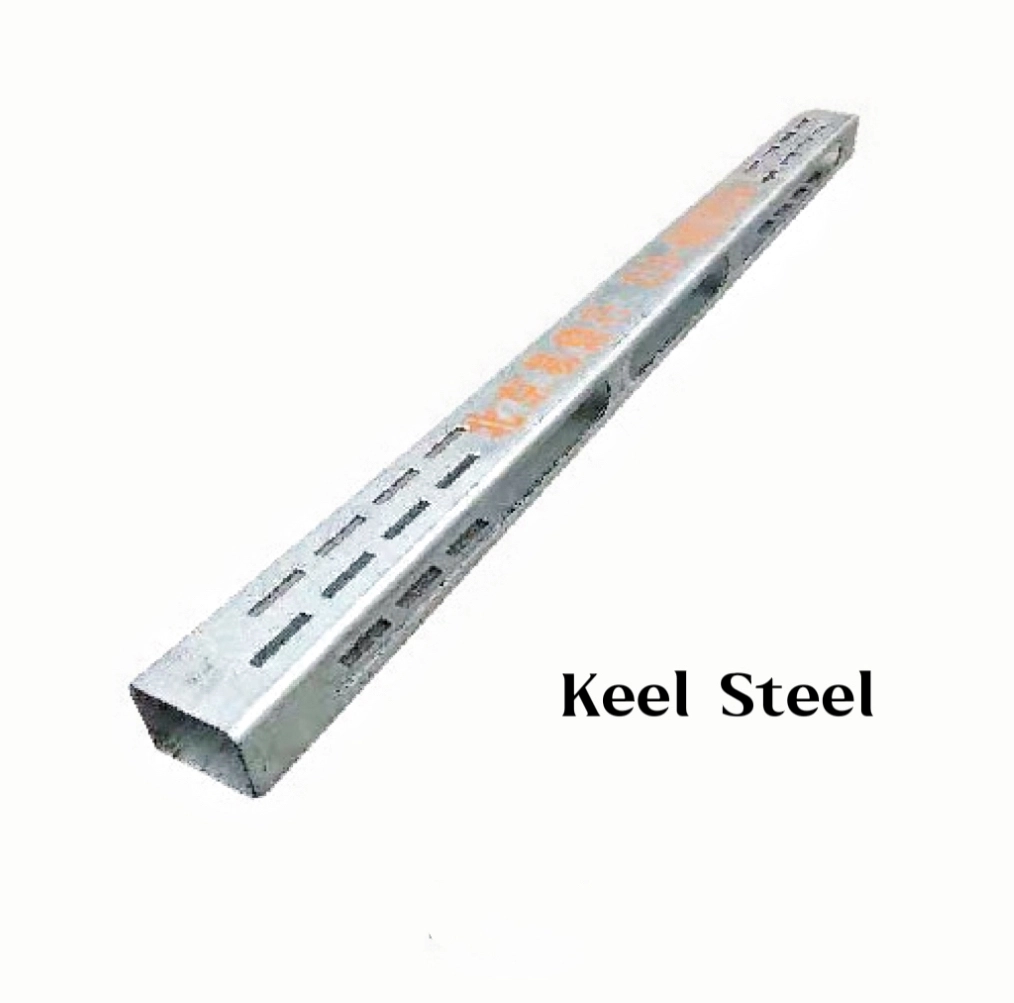
From a materials standpoint, most hydraulic scaffolding frames are steel—sometimes galvanized for corrosion resistance—paired with high-grade hydraulic components rated for thousands of cycles. I’ve seen setups where the quality of seals and hydraulics directly determined long-term reliability. Cutting corners here simply invites downtime.
One little story: I remember a client who switched to hydraulic for a power plant retrofit. In their case, the scaffold cut repositioning time from an entire afternoon to under an hour. Safety incidents dropped markedly, which their site manager proudly attributed to less “risky climbing and manual adjustments.” Makes a difference when you’re dealing with tight schedules and heavy equipment, believe me.
| Feature | Specification |
|---|---|
| Maximum Load Capacity | Up to 1000 kg per section |
| Height Adjustment Range | 1.2 m to 6 m (adjustable in 10 cm increments) |
| Frame Material | Galvanized Steel |
| Hydraulic System | Double-acting cylinders with manual override |
| Weight per Section | Approx. 45 kg |
| Footprint Dimensions | 1.2 m x 1.2 m base frame |
| Safety Standards | EN 12811-1 compliant |
Of course, not all hydraulic scaffolding vendors are created equal. Price points can vary, as do after-sales support and customization options. Here's a quick comparison of some leading vendors I’ve worked with or vetted:
| Vendor | Price Range (per section) | Customization | Lead Time | Warranty | Support |
|---|---|---|---|---|---|
| SteelPro Equipments | $1,200 - $1,500 | High (bespoke sizes & finishes) | 4–6 weeks | 3 years | 24/7 hotline + on-site visits |
| HydraBuild Systems | $1,000 - $1,300 | Medium (limited modular add-ons) | 3-5 weeks | 2 years | Email support, business hours |
| ProScaf Industries | $1,400 - $1,700 | High (custom hydraulic power units) | 6-8 weeks | 5 years | Dedicated account manager |
Still, the best choice boils down to your project's unique needs. I've noticed that projects with tight turnaround prefer vendors with shorter lead times—even if that means paying a slight premium. Others prioritize extended warranties and robust support because downtime here can be insanely costly.
In terms of testing, hydraulic scaffolding gets scrutinized far more than old-school steel frames. Load testing, hydraulic pressure cycles, and safety compliance inspections are a given. It’s reassuring when the equipment arrives with documentation verifying it passed EN 12811-1 standards—as seen in many reputable brands.
From my experience in multiple industrial sectors—power plants, petrochemical facilities, civil engineering sites—hydraulics offers a huge leg up on efficiency and worker safety. But I’d say it’s only truly worth it if you choose vendors who emphasize quality hydraulics, solid customer service, and hassle-free replacements. Otherwise, you risk getting stuck with a headache in the middle of a crucial project.
Let’s face it: every job site is a little chaotic by nature. Having scaffolding that you can fine-tune quickly and trust not to fail is more than a convenience—it’s peace of mind.
So, if you’re considering a step up from manual scaffolds, or juggling projects where adaptation is king, hydraulic scaffolding might just be the investment worth making.
Reflecting on some of those past projects, it’s clear why this technology stuck with me. Sometimes, it’s the “quiet equipment” that makes the biggest difference.
References:
1. EN 12811-1 European Standard for Temporary Works Equipment, CEN.
2. “Safety Benefits of Hydraulic Scaffolds,” Industrial Equipment Journal, 2022.
3. Vendor product specs and customer case studies, 2023-2024.
-
Comprehensive Guide to Scaffolding Rods for Safe Construction PracticesNewsFeb.24,2026
-
Comprehensive Guide to Different Types of Scaffolding for Construction ProjectsNewsFeb.11,2026
-
The Crucial Role and Safe Use of Scaffolding in Modern Construction ProjectsNewsJan.30,2026
-
Maximize Productivity and Safety with a Versatile 7m Scaffold TowerNewsJan.27,2026
-
6m Scaffold Tower: A Comprehensive Guide for B2B BuyersNewsJan.26,2026
-
6ft Scaffold: Durability and Safety in ConstructionNewsJan.25,2026
-
6 Scaffolding: A Modern Construction SolutionNewsJan.24,2026