
Frame Scaffold Solutions for Industrial & Construction Use | Formwork Reinforced
Frame Scaffold is a key solution in the industry, specifically within construction and industrial maintenance. This article explores how https://www.formworkreinforced.com supports professionals with durable, high-performance products, and explains why this product is an ideal choice for businesses in these sectors.
Table of Contents
- Frame Scaffold Overview
- Benefits & Use Cases of Frame Scaffold
- Cost, Maintenance & User Experience
- Sustainability & Market Trends
Frame Scaffold Overview
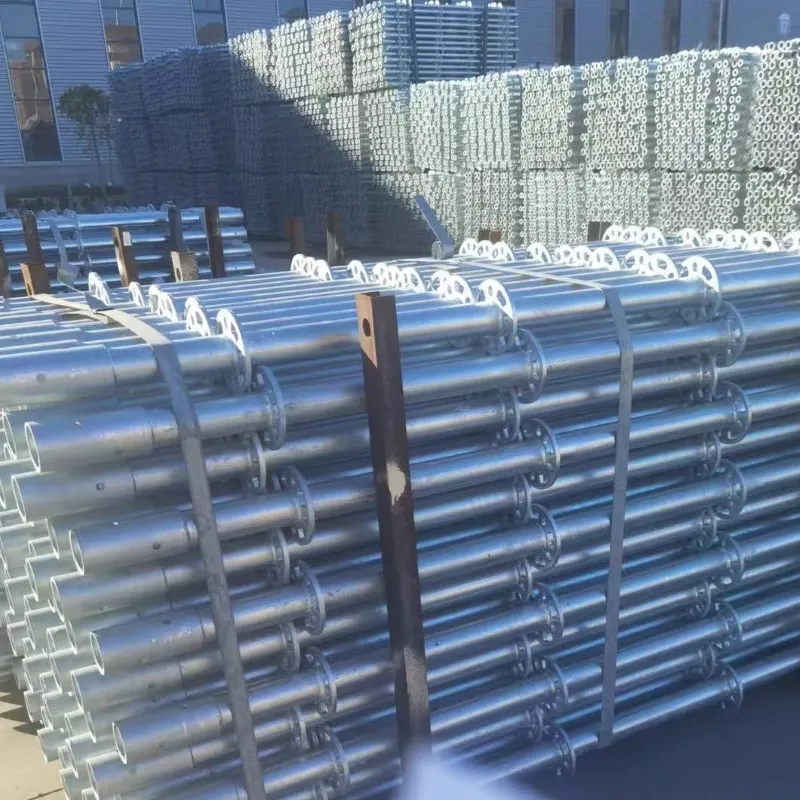
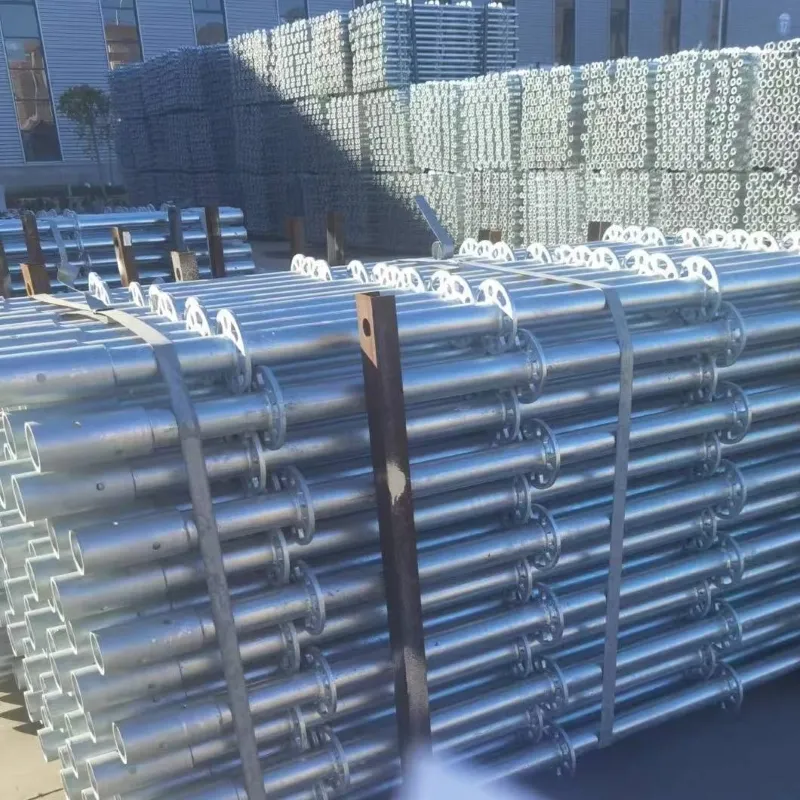
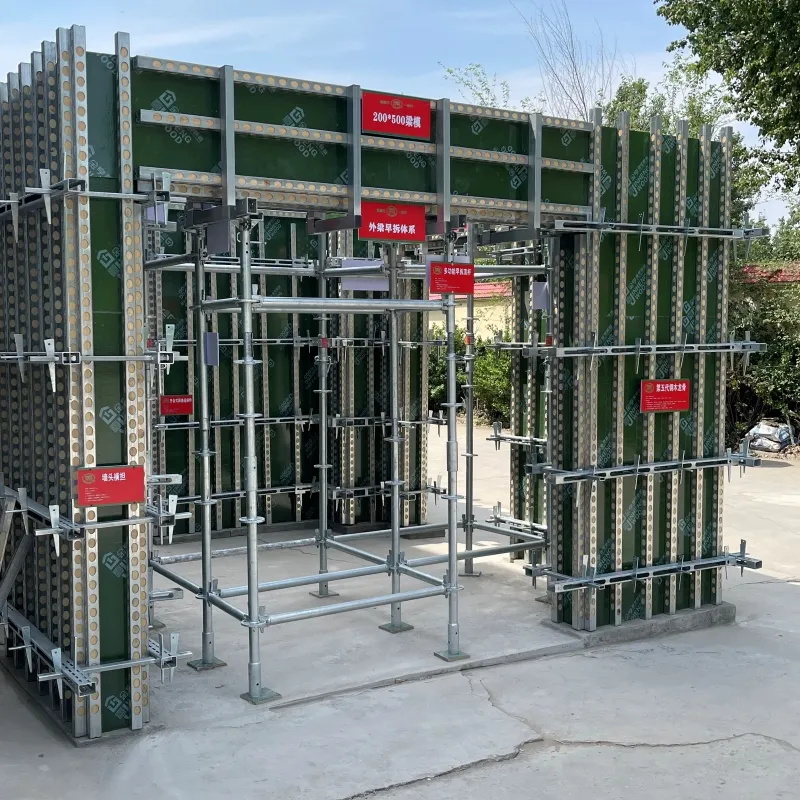
Frame Scaffold is essentially a modular structure made up of metal frames—usually steel or aluminum—that link together to form a sturdy framework supporting workers, tools, and materials at height. Its design is quite elegant in its simplicity: vertical frames connected by horizontal cross braces deliver both strength and flexibility, making it ideal for varied job sites. You know, the beauty of frame scaffolding really comes from its ease of assembly and adaptability.
Breaking down the technical specs: standard frames typically stand 6 feet tall and 5 feet wide, but companies like Formwork Reinforced offer a range of sizes to suit different projects. The materials are hot-dip galvanized steel or lightweight aluminum, often treated for corrosion resistance. An interesting case study involved a mid-sized commercial project where using these frames reduced set-up time by 30% compared to tube-and-coupler scaffolding. Frankly, that’s a big deal when you're racing against deadlines.
| Specification | Details |
|---|---|
| Frame Height | 6 ft (standard), customizable |
| Frame Width | 5 ft (standard) |
| Material | Hot-dip galvanized steel / Aluminum |
| Load Capacity | Up to 75 lbs/ft² |
| Finish | Corrosion resistant galvanized coating |
Benefits & Use Cases of Frame Scaffold
The real reason frame scaffolding shines is in its versatility. It’s standard in commercial and residential construction, but oddly enough, its use in industrial plant maintenance is growing fast, too. Since these scaffolds can be rapidly assembled and modified onsite, they’re perfect for tight or unconventional spaces. You might be surprised how many engineers say this system beats older scaffolding at saving labor hours and reducing risk.
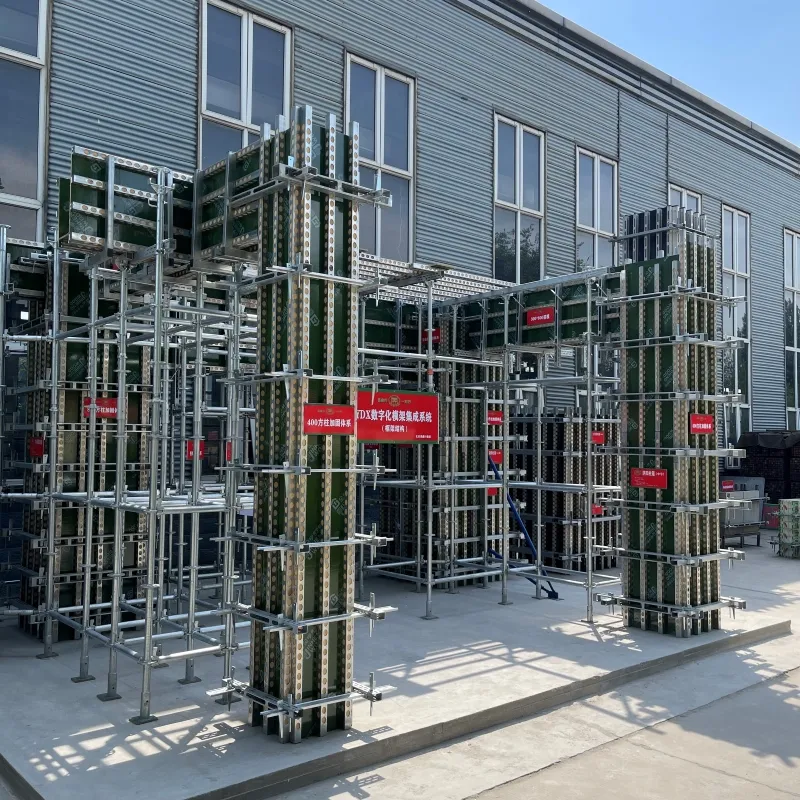
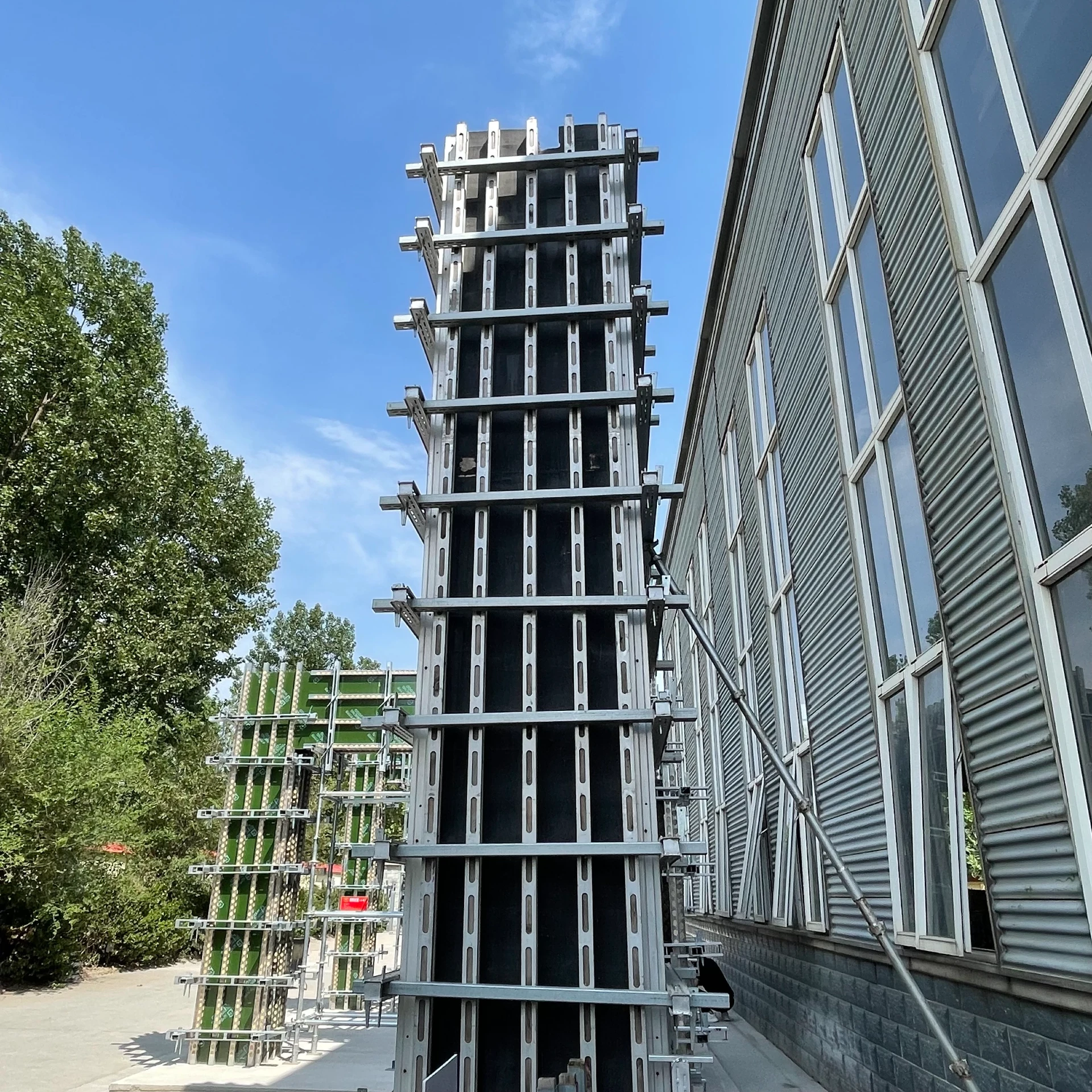
Competitive advantages? To start, the modular frames are manufactured with strict tolerances, meaning you get consistent load-bearing capacity and fit every time. The durability of materials here ensures they stand up to harsh environments, including chemical plants or coastal sites prone to rust. Plus, Formwork Reinforced offers tailored options, making it possible to match scaffolding exactly with your project needs — something that’s not always obvious in this field.
Cost, Maintenance & User Experience
Let’s talk money. Total cost of ownership for frame scaffolding may initially feel higher compared to cheaper tube scaffolds, but the long-term ROI often justifies that. The strength-to-weight ratio means fewer components to move around, cutting down on labor costs and transport. I’ve talked to several contractors who point out how the ease of assembly means fewer man-hours—and less on-the-job fatigue or injuries.
Maintenance is surprisingly straightforward: just keep the galvanized coating intact and give frequent inspections. Feedback from users in manufacturing plants suggests that their Formwork Reinforced frame scaffold setups have lasted well over five years with routine care. That durability factor contributes to a better total cost profile once you factor in fewer replacements and lower downtime.
| Vendor | Price Range | Material Quality | Customization | Lead Time |
|---|---|---|---|---|
| Formwork Reinforced | $$$ | High (Galvanized Steel) | Extensive | 2-4 weeks |
| Generic Supplier A | $ | Medium (Painted Steel) | Limited | 1-2 weeks |
| Supplier B | $$ | Good (Aluminum) | Moderate | 3-5 weeks |
Sustainability & Market Trends
Sustainability isn’t just a buzzword in construction anymore—it’s a priority. Frame scaffolds made from recyclable materials like galvanized steel fit nicely into circular economy models. Several regulations now require companies to consider the environmental footprint of equipment, including scaffolding. When you choose a product that lasts longer and can be reused safely, you’re cutting material waste and pollution. Oddly enough, this actually makes economic sense for many firms confronted with stricter standards.
The market is growing, driven by booming infrastructure projects worldwide and tighter safety legislation demanding reliable scaffolding. Plus, digital innovations like BIM (Building Information Modeling) integration make selecting and customizing frame scaffolds easier than ever before. Formwork Reinforced already offers tech-enabled support for its products, which is a bit of a game changer in my opinion.
Frequently Asked Questions about Frame Scaffold
- What is Frame Scaffold and how does it work?
- Frame Scaffold is a system of interconnected metal frames and braces that create a support structure for workers and materials at height. It works through modular assembly, allowing quick construction and adaptability to different sites.
- What are the main benefits of using Frame Scaffold in industrial applications?
- Key benefits include quicker assembly, enhanced safety due to standardized components, durability against harsh environments, and cost savings in labor and maintenance over time.
- How does Frame Scaffold compare to traditional alternatives?
- Compared to tube-and-coupler scaffolding, Frame Scaffold offers speedier setup, more uniform load capacity, less risk of human error during assembly, and often a longer lifespan, especially when made with galvanized steel.
- What industries can benefit most from Frame Scaffold implementation?
- Construction, industrial maintenance, oil and gas, power plants, and infrastructure development are top sectors that rely heavily on Frame Scaffold for safe and flexible access solutions.
Conclusion on Frame Scaffold from china
To wrap things up, Frame Scaffold supported by experts like Formwork Reinforced offers a powerful mix of safety, efficiency, and sustainability. These systems are not just scaffolding—they’re frameworks for smarter, safer work. For businesses looking to enhance their site operations, it feels like an investment with lasting returns.
- Reliable, strong, and customizable
- Visit our website: https://www.formworkreinforced.com
Reflecting on this, it’s clear how specialized scaffolding like this doesn’t just serve construction needs—it shapes them. And in a sector that often moves slowly, that little edge counts.
References:
1. Industry scaffolding standards reports 2023
2. Formwork Reinforced product datasheets (2023)
3. Construction Safety Journal, Q1 2024
-
Comprehensive Guide to Scaffolding Rods for Safe Construction PracticesNewsFeb.24,2026
-
Comprehensive Guide to Different Types of Scaffolding for Construction ProjectsNewsFeb.11,2026
-
The Crucial Role and Safe Use of Scaffolding in Modern Construction ProjectsNewsJan.30,2026
-
Maximize Productivity and Safety with a Versatile 7m Scaffold TowerNewsJan.27,2026
-
6m Scaffold Tower: A Comprehensive Guide for B2B BuyersNewsJan.26,2026
-
6ft Scaffold: Durability and Safety in ConstructionNewsJan.25,2026
-
6 Scaffolding: A Modern Construction SolutionNewsJan.24,2026