
Nov . 12, 2025 21:00
Back to list
Extension Floor Slab Solutions for Industrial Applications
Why Extension Floor Slabs Matter in Industrial Settings
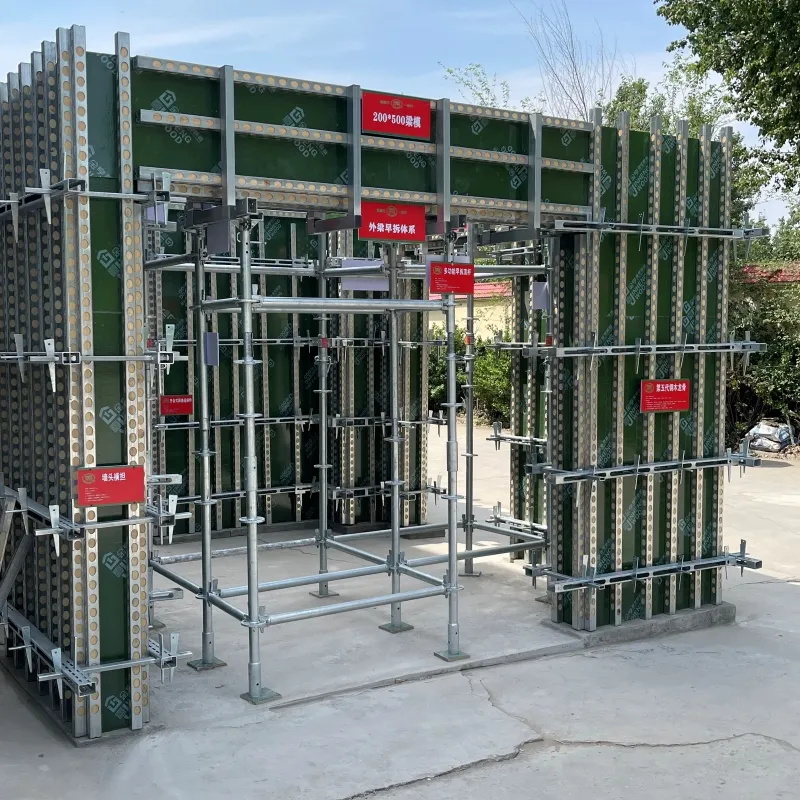
If you’ve ever had to increase the footprint of a warehouse or manufacturing plant, you’ll know that an extension floor slab isn’t just slapping down new concrete next to an old patch. It’s kind of an art and a science, really. The key is compatibility — not only structurally but visually, safety-wise, and long-term durability too. I remember a project from a few years back where the new slab was supposed to join an existing floor that had been through God knows how many forklift runs and chemical spills. The devil’s in the detail: the subgrade needed reinforcing, the moisture barriers had to align perfectly, and the joint design had to handle thermal expansion without cracking. That kind of stuff isn’t flashy but trust me, it keeps things running smooth and saves headaches later.Extension Floor Slab Design and Material Considerations
Designing an extension floor slab involves more than picking a concrete mix and pouring. Many engineers swear by reinforced concrete with specific admixtures to improve flexural strength and reduce shrinkage cracks. Reinforcement varies — steel mesh, rebar patterns, sometimes fibers for extra toughness. Material choice also hinges on usage. A cleanroom floor extension obviously needs a different finish than a heavy machinery zone where abrasion and impact are daily guests. I often see specifications calling for a minimum compressive strength of 30 MPa for these extensions — which feels like a sweet spot between durability and cost efficiency. And then there’s curing time, a factor often underestimated but which can make or break slab connections in the long haul. Rushing it? The slab might crack or separate. But wait too long, and the joint prep can become a bit of a pain. It’s always a balancing act.| Specification | Typical Value | Unit |
|---|---|---|
| Compressive Strength (28 days) | 30 - 40 | MPa |
| Slab Thickness | 150 - 200 | mm |
| Reinforcement Type | Mesh or Rebar | - |
| Joint Type | Saw Cut or Construction Joint | - |
| Moisture Barrier | Polyethylene Sheet | - |
Choosing the Right Vendor for Your Extension Floor Slab Needs
I've dealt with plenty of extension floor slab vendors, and honestly, the difference often boils down to who really understands the on-site realities. Price tags alone don’t tell the story. Some offer standard slabs, but if your project needs a bit of customization — say, specific reinforcement layouts or unusual curing protocols — you want a supplier who listens and adapts. Here’s a quick vendor comparison matrix based on my experience working on multiple jobs.| Vendor | Product Range | Customization | Delivery Time | Typical Project Size |
|---|---|---|---|---|
| Formwork Reinforced | Extensive, Modular Options | High | 2-3 Weeks | Commercial & Industrial |
| Concrete Pros Inc. | Standard Slabs Only | Low | 1-2 Weeks | Small to Medium |
| HeavyDuty Floors | Specialized Heavy Duty | Medium | 3-4 Weeks | Industrial |
Final Thoughts on Practical Floor Slab Extensions
Extension floor slabs might sound mundane, but they’re one of those silent heroes of industrial projects. Done right, they just keep working quietly under forklifts, pallets, and heavy processes — no drama, no surprises. Done wrong, and suddenly you’re dealing with cracks, uneven surfaces, and expensive repairs down the line. If you ask me, investing time upfront on material selection, reinforcement planning, and choosing suppliers who actually understand your project can save a ton of grief. Oh, and those small joints and curing times? Don't overlook them. I noticed that some teams tend to rush and just hope for the best — it rarely ends well. Anyway, if you’re exploring options, especially for tailored solutions, companies like extension floor slab specialists are definitely worth a look. Thanks for reading, and happy building!
References & Notes:
1. Personal project experience, Midwest industrial expansions (2018-2023)
2. Industry standards: ASTM C150 & relevant concrete slab design guides
3. Vendor catalogs and product sheets, updated 2024
1. Personal project experience, Midwest industrial expansions (2018-2023)
2. Industry standards: ASTM C150 & relevant concrete slab design guides
3. Vendor catalogs and product sheets, updated 2024
Share
Latest news
-
Comprehensive Guide to Scaffolding Rods for Safe Construction PracticesNewsFeb.24,2026
-
Comprehensive Guide to Different Types of Scaffolding for Construction ProjectsNewsFeb.11,2026
-
The Crucial Role and Safe Use of Scaffolding in Modern Construction ProjectsNewsJan.30,2026
-
Maximize Productivity and Safety with a Versatile 7m Scaffold TowerNewsJan.27,2026
-
6m Scaffold Tower: A Comprehensive Guide for B2B BuyersNewsJan.26,2026
-
6ft Scaffold: Durability and Safety in ConstructionNewsJan.25,2026
-
6 Scaffolding: A Modern Construction SolutionNewsJan.24,2026