
Understanding Flat Slab Floor Systems: Benefits and Global Impact
What is a Flat Slab Floor and Why It Matters Globally
Flat slab floor systems have quietly transformed modern construction. At first glance, it might just seem like a simple type of flooring—but dive a bit deeper, and you realize this technology underpins everything from sprawling industrial facilities to elegant office towers. Worldwide, the demand for flat slab floors is surging, driven by rapid urbanization and the need for efficient, flexible building designs that also address sustainability.
Understanding flat slab floors means appreciating not only their structural virtues but their economic and social impact as well. Whether you’re an architect, engineer, or a developer, getting acquainted with these systems opens doors to smarter, safer, and more cost-effective construction options.
The Global Context: Why Flat Slab Floor Systems Are Essential
According to the United Nations, urban populations are expected to rise by 2.5 billion by 2050, mostly in emerging economies. This poses a massive challenge to housing and infrastructure sectors, pushing innovative solutions into the spotlight.
Flat slab floor systems, with their simplified construction process and adaptability, help address these challenges. The International Organization for Standardization (ISO) highlights the importance of modular, scalable building methods, where flat slab floors often lead because of their ability to reduce building times and cost overruns.
Yet, a prominent challenge remains—delivering safe, durable flooring solutions in regions with limited skilled labor and volatile material costs. The flat slab floor’s design inherently mitigates these issues by simplifying formwork and reducing dependency on complex reinforcements.
Defining the Flat Slab Floor System
At its core, a flat slab floor refers to a reinforced concrete slab supported directly by columns without the use of beams. This design produces a flat ceiling surface beneath, reducing floor-to-floor height requirements and allowing more design flexibility. Unlike traditional beam-and-slab systems, flat slab floors distribute loads evenly across the slab thickness, enhancing structural efficiency.
Primarily, these floors meet modern architectural needs for open spaces, quick construction, and load adaptability—qualities crucial for industrial warehouses, hospitals, and even humanitarian projects requiring rapid deployment.
Key Components of Flat Slab Floors
1. Durability and Load Capacity
Flat slabs are specifically engineered with reinforced concrete, often incorporating additional drop panels or column capitals to resist punching shear—a common failure mode where the slab is pierced around columns. This ensures long-term structural integrity across heavy-use zones like factories or parking garages.
2. Construction Efficiency
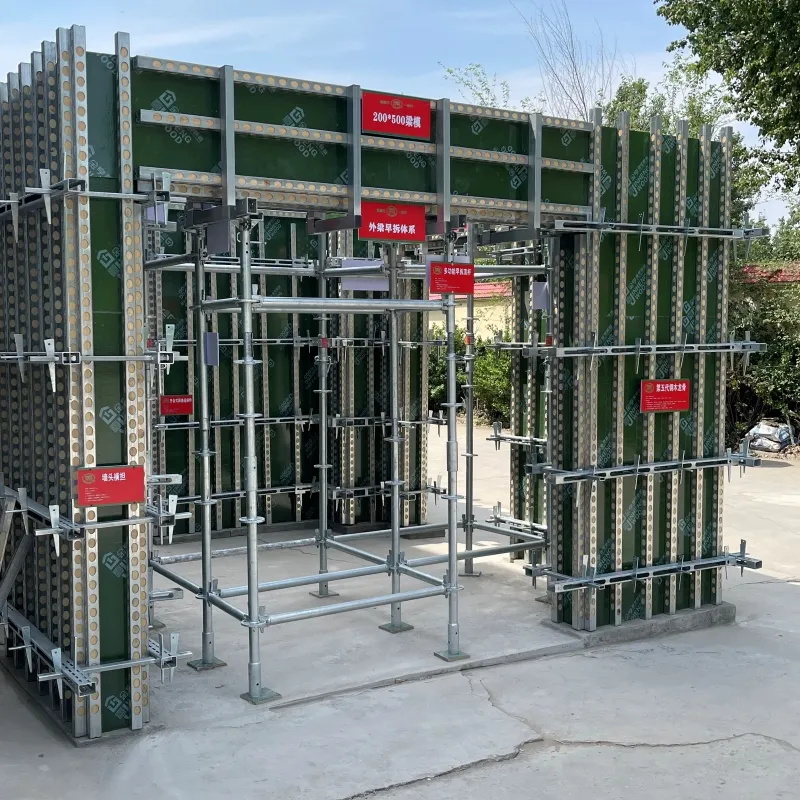
The absence of beams means formwork is simpler and quicker to assemble. This reduces labor costs, dependency on skilled workers, and shortens overall project timelines. It’s a boon especially in developing regions or in relief operations needing speed without sacrificing safety.
3. Architectural Flexibility
With column spacing and slab thickness dictated by load demands, flat slab floors support vast open interiors. This is a trend seen in tech offices, retail spaces, even modern residential projects where adaptability translates to functional spaces over time.
4. Cost Effectiveness
Reduced formwork, lesser material wastage, and faster construction all feed into cost savings. The upfront investment may sometimes be slightly higher than traditional slab systems, but lifecycle costs are often lower due to reduced maintenance and quicker turnaround.
5. Sustainability and Environmental Compatibility
Today, many flat slab floor systems are enhanced by eco-friendly materials and additives—such as recycled aggregates or supplementary cementitious materials—that reduce carbon footprints. This aligns well with global sustainability goals, partly championed by bodies like the World Green Building Council.
Practical Global Applications of Flat Slab Floors
From the skyscrapers climbing in Nairobi to hospitals rising in earthquake-prone Nepal, flat slab floors play diverse roles. In post-disaster relief, temporary shelters with flat slab flooring offer stability and rapid setup without compromising on strength. On the industrial front, remote mining or manufacturing sites leverage the flat slab’s load capacity and ease of installation for warehouses and storage facilities.
Even mega airports and international convention centers favor flat slab designs due to the need for large, clear floor spans and aesthetic ceilings.
Overall, the adaptability and efficiency of flat slab floors fit a diverse set of environments—from highly urbanized cities in the US and Europe to growing economies in Southeast Asia and Africa, making it truly global in scope.
Advantages & Long-Term Value of Flat Slab Floors
- Safety: The structural integrity and reduced failure modes minimize hazards, bringing peace of mind to occupants and owners.
- Speed: Faster installation means quicker commissioning of projects—a vital factor in emergency housing or commercial builds.
- Economic: Lower labor and material costs combine with energy savings due to slimmer slab profiles.
- Aesthetic & Functional: Flat undersides allow for cleaner ceiling designs and easier installation of utilities like HVAC and lighting.
- Sustainability: Less concrete and steel usage in optimized flat slab designs reduce overall environmental impact.
In real terms, this translates to safer, smarter buildings, and often a healthier bottom line—something every stakeholder appreciates.
Flat Slab Floor System Specifications
| Specification | Typical Range/Value | Notes |
|---|---|---|
| Slab Thickness | 150-300 mm | Depends on load and span |
| Concrete Grade | C25 to C40 | Higher grades for industrial/hospital floors |
| Column Spacing | 5-9 meters | Wider spans possible with drop panels |
| Reinforcement Type | Rebar mesh + stirrups | Designed to resist punching shear |
| Typical Load Capacity | 4-12 kN/m² | Varies by use: residential to industrial |
Comparing Leading Flat Slab Floor Vendors
| Vendor | Material Quality | Delivery Time | Customization Options | Pricing (Approx.) |
|---|---|---|---|---|
| SolidForm Concrete | High-grade C35+ | 2-3 weeks | Full structural design support | Mid-high |
| RapidSlab Systems | Standard C25-C30 | 1-2 weeks | Modular quick-install kits | Budget-friendly |
| EcoBuild Flooring | Recycled-material enhanced | 3-4 weeks | Focus on green certifications | Mid-range |
Future Trends in Flat Slab Floor Systems
Looking ahead, it’s clear the flat slab floor is evolving alongside new materials and automation technologies. For example, 3D-printed concrete slabs are on the horizon, promising even faster construction with minimal waste.
Moreover, digital modeling tools allow architects and engineers to optimize slab thickness and reinforcement patterns, squeezing out better performance from fewer resources. The rise of green building codes is also encouraging linear construction with recycled content and low-carbon cement alternatives.
Oddly enough, while tech surges ahead, the simple elegance of flat slabs persists—proving some innovations are timeless in practicality.
Challenges and Practical Solutions
That said, flat slab floors do face challenges. Punching shear failure remains a primary concern without accurate structural design. Skilled labor shortages can also affect quality control on site.
Technology-driven solutions include on-site sensors that monitor curing and stresses in real time—helping teams react and adapt early. Prefabrication of slab components off-site improves consistency, especially in remote regions.
Ultimately, combining modern tech with good engineering knowledge tends to iron out most quirks.
FAQ: Practical Questions About Flat Slab Floors
- How does a flat slab floor differ from traditional beam-and-slab systems?
- Flat slabs eliminate beams by transferring loads directly to columns through a reinforced slab, resulting in thinner floor profiles and flat ceilings. This reduces formwork complexity and allows greater architectural flexibility.
- Are flat slab floors suitable for high-rise construction?
- Yes, many high-rise buildings worldwide rely on flat slab systems due to their load distribution efficiency and space-saving benefits. Proper design is essential, especially to handle punching shear and vibrations.
- What are the typical lifespan and maintenance needs for flat slab floors?
- With correct design and quality materials, flat slab floors can comfortably last 50 years or more. Routine inspections and minor repairs to surface finishes ensure longevity, but the structure itself remains durable if well maintained.
- Can flat slab floors contribute to sustainable building practices?
- Absolutely. By optimizing concrete volumes and incorporating recycled materials, these floors help reduce the carbon footprint of buildings. They also support energy efficiency by enabling efficient HVAC and lighting layouts beneath.
Wrapping Up: Why Flat Slab Floors Are a Smart Choice
Choosing a flat slab floor system goes beyond aesthetics or mere cost savings. It’s about embracing a technology that responds to the urgent need for fast, reliable, and sustainable construction around the world. In the ever-tightening crunch on urban space and resources, these floors offer adaptability for today’s projects and tomorrow’s challenges.
So, whether you’re a builder in a bustling city or part of a humanitarian team setting up emergency shelters, the flat slab floor can be your reliable foundation. Explore more about flat slab floors here and see how this subtle but powerful technology can elevate your next project.
References:
1. United Nations, World Urbanization Prospects, 2018 Revision.
2. ISO 3010:2017 – Flat slab design guidelines.
3. World Green Building Council, Low Carbon Concrete Initiatives, 2023.
-
Comprehensive Guide to Scaffolding Rods for Safe Construction PracticesNewsFeb.24,2026
-
Comprehensive Guide to Different Types of Scaffolding for Construction ProjectsNewsFeb.11,2026
-
The Crucial Role and Safe Use of Scaffolding in Modern Construction ProjectsNewsJan.30,2026
-
Maximize Productivity and Safety with a Versatile 7m Scaffold TowerNewsJan.27,2026
-
6m Scaffold Tower: A Comprehensive Guide for B2B BuyersNewsJan.26,2026
-
6ft Scaffold: Durability and Safety in ConstructionNewsJan.25,2026
-
6 Scaffolding: A Modern Construction SolutionNewsJan.24,2026