
Durable & Sustainable Ground Floor Suspended Slab Solutions | Modern Construction Insights
What Is a Ground Floor Suspended Slab and Why Should You Care?
At first glance, a ground floor suspended slab might sound a bit like jargon from a civil engineering textbook — but in reality, it's a foundational concept that powers modern construction all around the world. Simply put, it's a structural slab designed to be elevated above the ground, supported by beams, walls, or piles, creating an air gap beneath.
Why does this matter globally? Well, over 55% of the world’s population now lives in urban areas, with rapidly expanding infrastructure demands (UN, 2022). Properly designed suspended slabs improve durability, thermal comfort, and resilience against moisture or flooding — especially critical as climate change brings more extreme weather events. So understanding this isn’t just for architects or engineers; it’s a small but vital piece of the global housing puzzle.
Global Context: Why Suspended Slabs Make a Difference Today
Across continents, from flood-prone South Asia to industrial zones in Eastern Europe, suspended slab construction solves a pressing challenge: how to build sustainable, safe ground-level floors that resist moisture, pest intrusion, and ground instability.
According to data from the World Bank, moisture-related issues in building foundations contribute significantly to premature building deterioration and increased maintenance costs globally. This reality highlights a problem that the ground floor suspended slab is uniquely positioned to address. It’s not just a design choice — it’s a risk mitigation strategy. Plus, suspended slabs have proven crucial in humanitarian projects, such as rebuilding shelters after floods or earthquakes.
Mini takeaway: With urban populations swelling and climate risks intensifying, adopting smarter slab construction isn’t just preferable — it’s necessary.
What Exactly Is a Ground Floor Suspended Slab?
To demystify further: a ground floor suspended slab is a horizontal structural element that supports building floors but ‘suspends’ above the natural ground. Instead of resting directly on soil (like traditional slab-on-grade floors), this slab is carried by a framework, creating a crawl space or void underneath.
This design helps to manage ground moisture, allows for easier installation of services (like plumbing and wiring), and mitigates soil movement effects. In broader terms, suspended slabs link directly to modern construction's core goals of resilience, comfort, and adaptability. From humanitarian relief housing to large-scale industrial factories, this method remains a flexible and trusted solution.
Explore more about suspended ground floor designs and how they support contemporary building needs.
Core Components and Factors That Define Ground Floor Suspended Slabs
1. Durability & Structural Integrity
Many engineers stress that suspended slabs need to balance strength with flexibility. Proper reinforcement bars, quality concrete mixes, and correctly designed supports mean the slab can withstand loads — whether from heavy machinery or everyday living activities — without cracking or sagging.
2. Moisture Control & Thermal Performance
One of the biggest advantages here is preventing dampness. Since the slab is suspended, there’s airflow beneath, reducing risks of mold, mildew, or water seepage. This not only protects the building fabric but helps maintain comfortable indoor climates, cutting down on heating or cooling energy.
3. Cost Efficiency Over Time
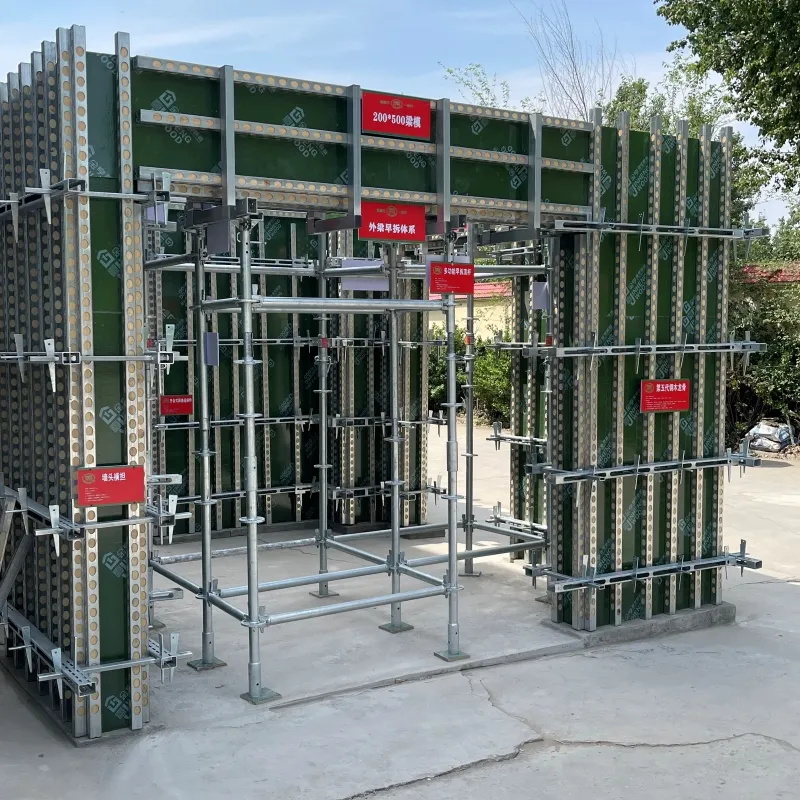
Initially, suspended slabs might seem more expensive than traditional slab-on-grade constructions due to additional formwork and materials. However, in real terms, the long-term savings on maintenance, water damage repairs, and energy performance often tip the balance favorably.
4. Flexibility and Adaptability
They work well on uneven or unstable soils where conventional slabs might crack quickly. Plus, the void below makes running utilities simpler, which can speed up both construction and future modifications.
5. Environmental and Sustainability Considerations
Using locally sourced materials with low-carbon-concrete options and recycling concrete waste during formwork increasingly enters the conversation — adding a sustainability angle that feels more urgent every year.
| Specification | Details |
|---|---|
| Slab Thickness | 120mm to 200mm (varies with load) |
| Concrete Grade | C25/30 or higher (for durability) |
| Reinforcement | Deformed steel bars, usually ASTM A615, spaced 150–200mm |
| Support System | Beams, load-bearing walls, piles depending on site |
| Void Space Height | Minimum 150mm for airflow and access |
How Ground Floor Suspended Slabs Are Being Used Worldwide
Oddly enough, while it’s a technical concept, this slab type finds its way into diverse places. In flood-prone regions of Bangladesh, they elevate homes to prevent water damage. In Australia's remote mining towns, suspended ground floors support modular constructions shipped easily to site.
Humanitarian NGOs have jumped on suspended slab design for quick-deploy camps — allowing shelters to stand safely even where traditional foundations would fail. And in Europe’s expanding warehouse districts, raised slabs allow easy installation of electrical and HVAC systems with minimal disruption.
Mini takeaway: Wherever infrastructure resilience, speed, or adaptability matters, suspended slabs increasingly prove their worth.
Advantages and Long-Term Value of Suspended Ground Floor Slabs
- Cost savings: Reduced long-term maintenance costs thanks to moisture control.
- Durability: Less cracking and foundation movement potential.
- Sustainability: Can integrate eco-friendly concrete mixes and provide better indoor thermal regulation.
- Social impact: Safer, more comfortable homes and workplaces that improve quality of life.
On a human level, investing in such foundations offers safety and privacy, instilling trust in construction quality — which, frankly, is something you don’t always find in rushed developments.
Changing the Game: Future Trends in Ground Floor Suspended Slabs
Technology continues to ripple through construction. From 3D-printing concrete panels to embedding IoT sensors in slabs for real-time structural health monitoring, the future looks both high-tech and highly responsive.
There's also a growing push for green certification — using low-embodied-energy concrete, incorporating recycled aggregates, and automated slab formworks that reduce waste.
In some regions, modular suspended slab units are prefabricated offsite, slashing onsite labor and speeding up delivery times.
Common Challenges and How Experts Overcome Them
Of course, it’s not all smooth sailing. Suspended slabs can be costlier upfront, require skilled labor, and careful considerations over load dynamics. Poor ventilation under the slab can trap moisture instead of releasing it.
Innovative solutions include adjustable support systems that adapt to ground movement, improved waterproof membranes, and integration with smart home systems that warn of structural issues early.
| Vendor | Specialty | Typical Project Size | Region Focus | Lead Time |
|---|---|---|---|---|
| Reinforced Solutions Ltd. | Industrial & commercial slabs | Medium-large | Europe & Asia | 6–8 weeks |
| GreenForm Slab Systems | Eco-friendly & modular slabs | Small-medium | North America & Australia | 4–6 weeks |
| RapidSpan Technologies | Fast-deploy suspended slabs | Disaster relief projects | Global, incl. Africa & Asia | 2–3 weeks |
FAQ: Everything You Wanted to Know About Ground Floor Suspended Slabs
Q1: How does a ground floor suspended slab prevent moisture problems better than a slab-on-grade?
A suspended slab is elevated above the soil, allowing air to circulate beneath, reducing moisture buildup that often causes dampness or mold with slabs placed directly on the ground. This design acts as a natural barrier against rising damp, one of the biggest enemies of building foundations.
Q2: Are suspended slabs more expensive to build than traditional ground slabs?
It depends. Initial construction costs may be higher due to additional support structures or formwork. However, in the long run, savings from reduced maintenance, energy efficiency, and better durability often outweigh those upfront costs.
Q3: Can suspended slabs be used in areas with unstable or uneven soil?
Absolutely. Their ability to be supported on piles or beams makes them ideal for challenging ground conditions where conventional slabs may crack or settle unevenly.
Q4: How does this slab type integrate with modern building technologies?
Suspended slabs offer easy access for plumbing, electrical, and HVAC installations beneath the floor — simplifying retrofits or repairs. Further, smart sensor technology can be embedded for real-time monitoring of structural health and safety.
Wrapping It Up: Why Ground Floor Suspended Slabs Matter in the Long Run
When you consider all the advantages — from durability and moisture control to future-ready adaptability — it's clear that ground floor suspended slabs are more than just a construction detail. They symbolize smarter building in an uncertain climate and evolving infrastructure landscape.
If you're thinking about making a sensible, high-value foundation choice for enduring buildings, a ground floor suspended slab deserves top consideration. For a deeper dive and tailored solutions, visit our website — where industry leaders share the latest advancements and real-world expertise.
References
-
Comprehensive Guide to Scaffolding Rods for Safe Construction PracticesNewsFeb.24,2026
-
Comprehensive Guide to Different Types of Scaffolding for Construction ProjectsNewsFeb.11,2026
-
The Crucial Role and Safe Use of Scaffolding in Modern Construction ProjectsNewsJan.30,2026
-
Maximize Productivity and Safety with a Versatile 7m Scaffold TowerNewsJan.27,2026
-
6m Scaffold Tower: A Comprehensive Guide for B2B BuyersNewsJan.26,2026
-
6ft Scaffold: Durability and Safety in ConstructionNewsJan.25,2026
-
6 Scaffolding: A Modern Construction SolutionNewsJan.24,2026