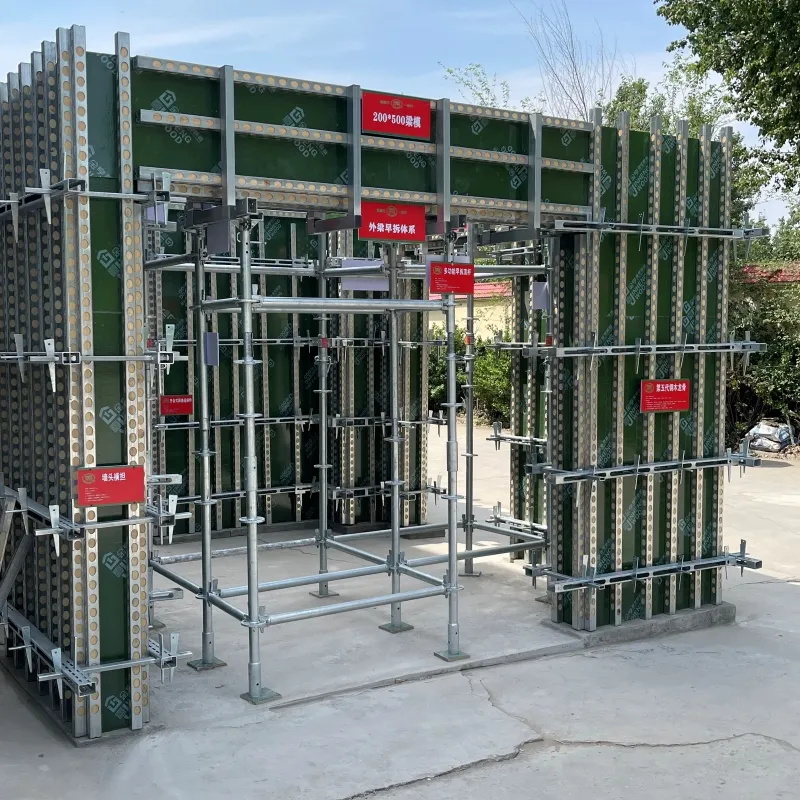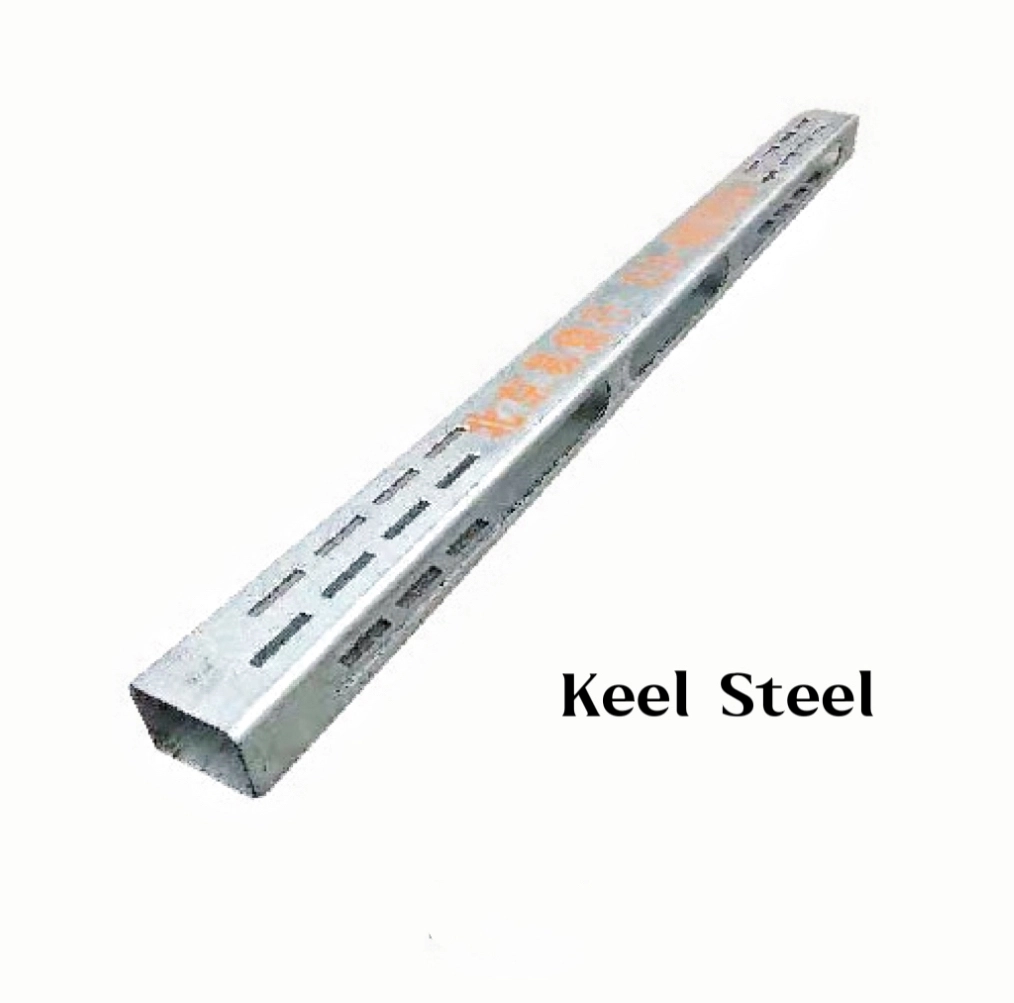

Outdoor Floor Slabs: Durable, Efficient, and Sustainable Solutions for Modern Construction
What’s the deal with outdoor floor slabs—and why should we care?
If you’ve ever walked across a sturdy concrete slab in a park, a public square, or an industrial yard, chances are you’ve experienced the silent workhorse of construction: the outdoor floor slab. Simply put, these flat horizontal surfaces outdoors support everything from foot traffic to heavy machinery. But why does it matter beyond just “concrete on the ground”? Because outdoor floor slabs play a surprisingly vital role in our built environment worldwide—impacting construction safety, sustainability, and even humanitarian relief. Understanding how they’re designed and applied helps industries innovate and communities build better, faster, and greener.
Outdoor floor slabs in a global context: More than just concrete underfoot
Globally, we’re witnessing a boom in urbanization: The United Nations estimates that by 2050, nearly 70% of the world’s population will live in cities [UN, 2018]. All these new buildings and infrastructure demand durable, accessible surfaces outdoors. This is where outdoor floor slabs come in. They provide the foundation for:
- Public spaces like plazas and parks
- Industrial yards and storage facilities
- Disaster relief staging grounds where temporary housing or aid resources are assembled quickly
One challenge outdoor floor slabs address is ensuring scalable installation with longevity under different environmental stresses — think freezing winters, scorching summers, or heavy loads from machinery. With climate-related stresses on infrastructure rising, the importance of adaptable floor slab solutions becomes not just practical but urgent.
Getting to the basics: What exactly are outdoor floor slabs?
At its simplest, an outdoor floor slab is a flat concrete or composite surface laid directly on or slightly above the ground to provide a durable, stable platform. In construction, these surfaces support everything from public foot traffic to forklifts in commercial zones.
Thanks to innovations in concrete additives, reinforcement materials like steel rebar or fiber, and modular forms, these slabs are crucial in modern industrial and humanitarian contexts. For instance, NGOs rapidly deploy these slabs to set up hygiene stations or medical tents on uneven terrain. In other cases, outdoor floor slabs bridge gaps between industrial scalability and environmental responsibility.
Core components that define quality outdoor floor slabs
Durability
Good outdoor slabs resist weathering, cracking, and wear. That involves strong materials, proper curing methods, and sometimes additives that fend off freeze-thaw cycles or chemical erosion.
Load capacity
Whether it’s a pedestrian walkway or a warehouse floor, slabs need to sustain expected loads safely. This assessment influences thickness, reinforcement type, and sub-grade preparation.
Scalability and installation speed
Especially in disaster zones or rapidly expanding industries, slabs that can be deployed quickly and with minimal heavy equipment are highly valued.
Cost efficiency
Striking a balance between upfront expense and long-term maintenance costs can make or break a project’s budget.
Sustainability
Some newer solutions incorporate recycled aggregates or low-carbon concrete mixes to reduce environmental impact.
Safety and Accessibility
Non-slip surfaces, smooth finishes, and appropriate drainage add layers of practicality—often overlooked but crucial elements.
Mini takeaway: When specifying outdoor floor slabs, consider these factors as interrelated pieces—not isolated checkboxes.
Where outdoor floor slabs shine worldwide
Interestingly, outdoor floor slabs find diverse use cases:
- Post-disaster relief: International teams establish medical stations or housing with pre-cast slabs that speed setup while ensuring stability.
- Industrial complexes: Large manufacturing plants demand heavy-duty slabs that can handle endless forklift movement and storage loads.
- Urban infrastructure: Sidewalk expansions, parks, and sports courts all rest on well-designed slabs.
- Remote resource extraction: Mining camps install modular slabs to create durable vehicle paths and temporary accommodations.
Regions benefiting significantly include parts of Africa, Southeast Asia, and Latin America — places where rapid development and emergency response heavily rely on logistics-friendly flooring systems.
Specifications: A glimpse at a typical outdoor floor slab
| Feature | Specification |
|---|---|
| Material | Reinforced Concrete (with fiber mix option) |
| Thickness | 100–150 mm (pedestrian), 200+ mm (industrial use) |
| Load Capacity | 5–20 tons/m², depending on design |
| Surface Finish | Troweled smooth or broom-finished for slip resistance |
| Installation Time | Varies: 1–3 days per section, modular systems much faster |
| Sustainability Features | Low-CO₂ concrete blends available on request |
| Average Cost | $40–$80 per m² depending on specs |
Choosing your vendor: How do top providers measure up?
| Vendor | Delivery Speed | Customization | Sustainability Focus | Price Range |
|---|---|---|---|---|
| GlobalSlabs Inc. | 2–4 weeks | High | Yes | $$$ |
| EcoFloor Solutions | 3–5 weeks | Medium | Strong (low CO₂) | $$ |
| RapidSet Floors | 1–2 weeks | Low (standardized) | Moderate | $ |
If you’re considering outdoor floor slabs, it’s worth mapping your priorities: Is speed your biggest factor? Or sustainability? Or maybe you need a custom solution that fits a very specific terrain? Many firms combine modular outdoor floor slabs with greener materials to hit that sweet spot.
Advantages you might not have fully counted on
The obvious benefit? Durability and stability. But there’s more:
- Cost savings over time: Less maintenance means fewer interruptions and lower labor costs.
- Environmental benefits: Using innovative low-carbon concrete or recycled aggregates makes a tangible difference in global carbon emissions.
- Social impact: Secure flooring enhances safety, accessibility, and dignity in contexts like refugee camps, schools, or community centers.
- Trust and innovation: Modern slabs come with embedded sensors or smart concrete technology, allowing remote monitoring.
Looking forward: The future of outdoor floor slabs
The future is pretty exciting and also a bit green. We’re seeing:
- Self-healing concrete: Some products incorporate microscopic capsules that help repair cracks automatically.
- Digital fabrication: 3D printing of slabs can reduce waste and speed construction.
- Smart sensors: Slabs embedded with sensors track structural health and environmental conditions.
- More recycled materials: Circular economy principles are driving slabs made from by-products like slag or recycled plastics.
Challenges still in the mix — and possible workarounds
Of course, no product is perfect. Troubles with outdoor floor slabs often include:
- Cracking from freeze-thaw cycles: Solution? Fiber reinforce or special surface treatments.
- High upfront costs for sustainable mixes: Mitigation comes from long-term savings and subsidies.
- Installation in remote or uneven areas: Modular, lightweight slab solutions help here.
Industry experts advocate designing with local climate data and consulting with geotechnical engineers early on. It feels like good advice — cutting problems before they start.
Frequently asked questions about outdoor floor slabs
- How long do outdoor floor slabs typically last in harsh environments?
- With proper design and maintenance, outdoor floor slabs can last 30 to 50 years—even in harsh climates—thanks to reinforced materials and protective coatings.
- What makes modular outdoor slabs faster to install than conventional ones?
- Modular slabs come pre-cast and standardized in size, allowing quick assembly without extensive onsite curing or formwork, reducing installation time by up to 50%.
- Are eco-friendly outdoor floor slabs significantly more expensive?
- While initial costs can be higher due to specialized materials, many find life cycle savings and environmental incentives offset these expenses over time.
- Can these slabs be used in humanitarian relief efforts?
- Absolutely. Their quick deployment and sturdy surface make them ideal for temporary clinics, shelters, and sanitation facilities in disaster zones.
Putting it all together: Why outdoor floor slabs matter in the long haul
Outdoor floor slabs might seem mundane, but in real terms, their ripple effects are huge. They’re foundational to resilient infrastructure, safer environments, and smarter sustainability. If you’re in construction, facility management, or humanitarian fields, considering the best slab solution — whether modular, eco-friendly, or heavily reinforced — can pay dividends in performance and peace of mind.
Want to learn more or explore tailored options? Visit https://www.formworkreinforced.com for expert guidance and quality products that fit your needs and budget.
References
-
Comprehensive Guide to Scaffolding Rods for Safe Construction PracticesNewsFeb.24,2026
-
Comprehensive Guide to Different Types of Scaffolding for Construction ProjectsNewsFeb.11,2026
-
The Crucial Role and Safe Use of Scaffolding in Modern Construction ProjectsNewsJan.30,2026
-
Maximize Productivity and Safety with a Versatile 7m Scaffold TowerNewsJan.27,2026
-
6m Scaffold Tower: A Comprehensive Guide for B2B BuyersNewsJan.26,2026
-
6ft Scaffold: Durability and Safety in ConstructionNewsJan.25,2026
-
6 Scaffolding: A Modern Construction SolutionNewsJan.24,2026