
Discover the Benefits and Applications of Form Aluminium Formwork in Modern Construction
Understanding Form Aluminium Formwork: A Game Changer in Construction
So, what exactly is form aluminium formwork, and why is it suddenly on everyone's lips in the construction world? In a nutshell, it's a modular system using lightweight aluminum panels to shape and support concrete during building. The magic lies in its speed, reusability, and sustainability — offering a refreshing alternative to traditional timber or steel formwork systems. Globally, as the construction sector faces increasing pressure to be faster, safer, and more eco-friendly, form aluminium formwork emerges as a practical answer.
Given the UN's focus on sustainable infrastructure (SDG 9), and World Bank reports stressing efficient housing delivery, understanding this technology can make a real difference in speeding up projects while keeping costs and waste down.
The Global Landscape: Why Form Aluminium Formwork Matters
The construction industry is experiencing a bit of a revolution. According to the International Labour Organization, the sector employs over 7% of the world's population, yet faces persistent challenges regarding safety, project delays, and resource wastage. Enter form aluminium formwork, which addresses many of these issues with agility and modern design.
For example, the global demand for affordable housing is set to increase exponentially by 2030 — the World Bank has more than once stressed that traditional building methods simply can’t keep pace. Moreover, in disaster-prone areas where rapid reconstruction is critical, form aluminium formwork's modular and reusable nature can help communities regain normalcy faster.
In fact, I've noticed several NGOs and industrial builders shifting their specs to include these systems because of the need for adaptable and reliable construction in challenging environments.
Quick takeaway:
- Form aluminium formwork offers a fast, sustainable path to meet booming global construction needs.
- Its modular design suits both massive urban projects and swift disaster relief efforts.
What Is Form Aluminium Formwork Exactly?
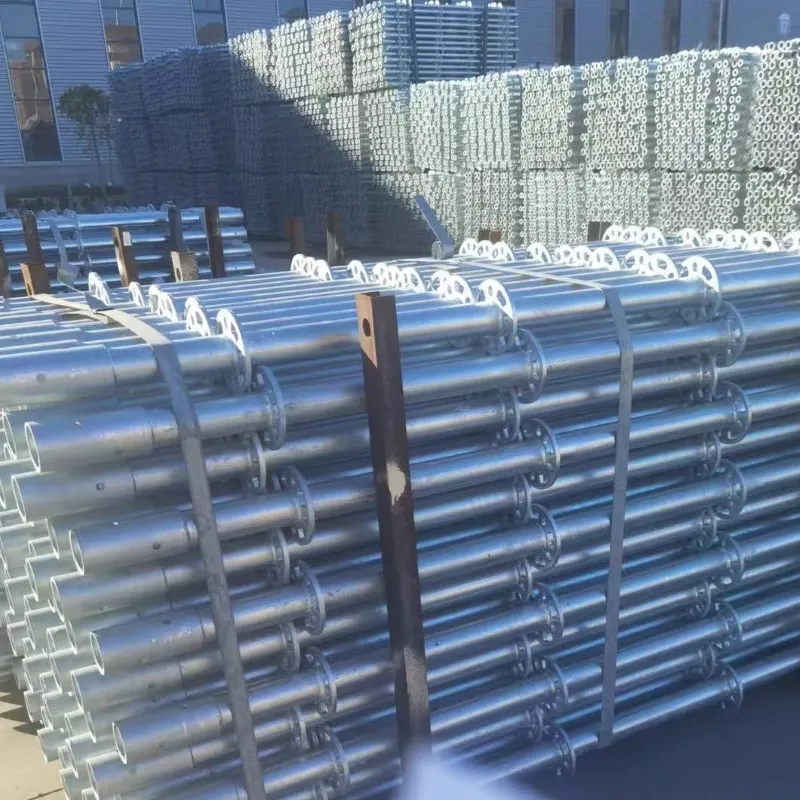
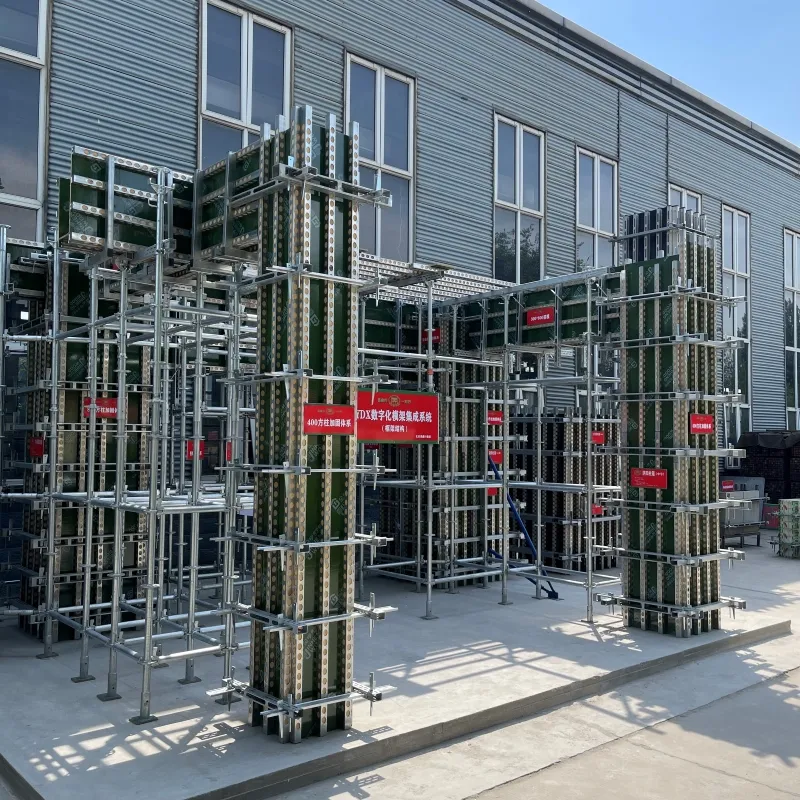
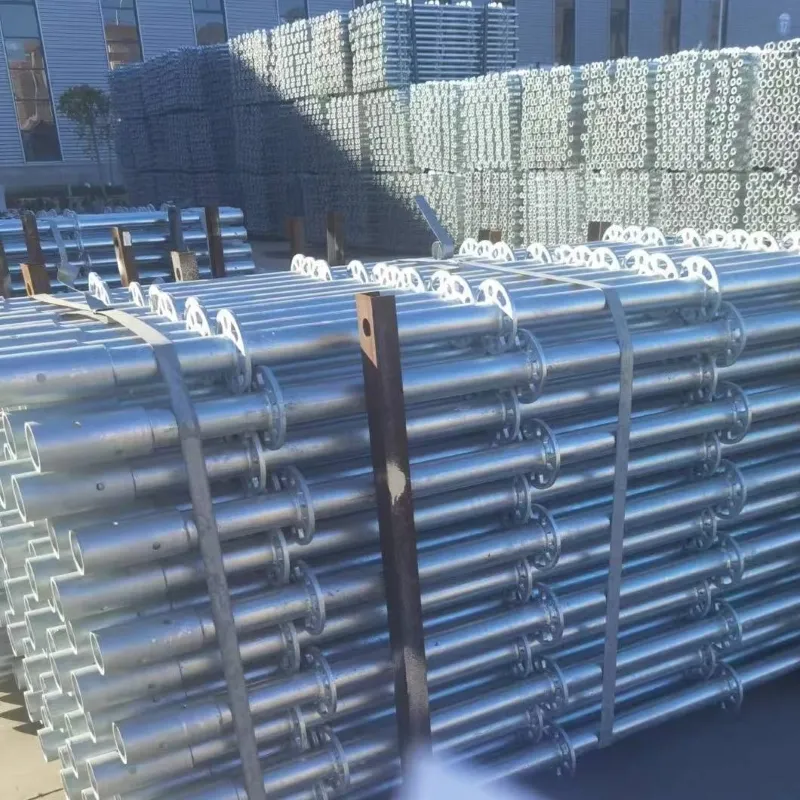
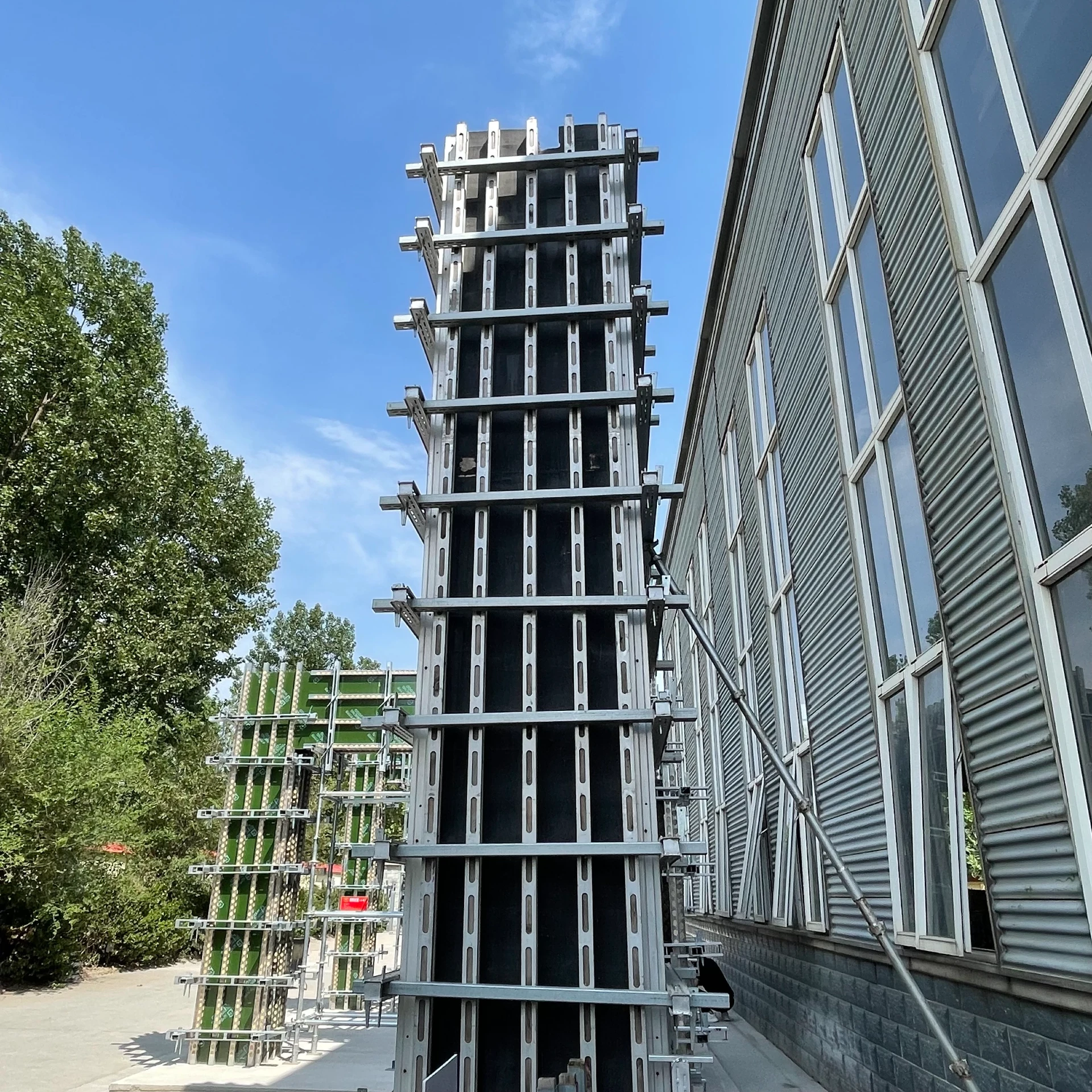
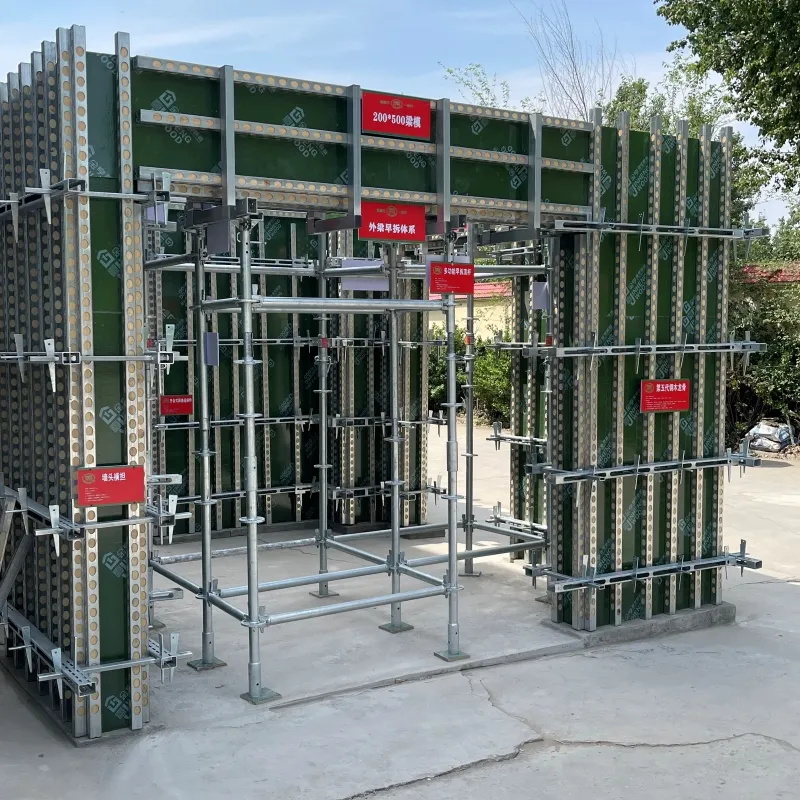
Think of form aluminium formwork as a collection of lightweight, durable aluminum panels and accessories used to mold concrete structures. These panels interlock to create walls, slabs, and beams, which concrete is poured into. Once cured, the panels can be removed and reused dozens of times.
It’s a bit like giant, sturdy Lego blocks specifically designed to shape concrete. The easy handling and high precision make it a favorite in modern construction, whether that’s skyscrapers or temporary industrial buildings.
Its importance also extends to humanitarian sectors — modular formwork can be rapidly deployed to build clinics and housing in underserved areas, where time and resources are tight.
Breaking Down The Core Components of Form Aluminium Formwork
1. Durability
The aluminum alloy used is corrosion-resistant, meaning these panels stand up well against moisture and harsh conditions. That’s unlike timber, which swells or decays, and steel that rusts unless specially treated. This durability translates to hundreds of reuse cycles with minimal maintenance.
2. Lightweight & Ease of Handling
The panels are roughly 30–40% lighter than steel counterparts, making transport and positioning easier on-site. This reduces labor costs and on-site injuries — a huge plus in risky environments.
3. Precision & Surface Finish
Because the aluminum panels are manufactured under tight tolerances, the resulting concrete surface is smooth and requires minimal rework. Many engineers say this alone shaves days off finishing times.
4. Scalability and Adaptability
From intricate architectural shapes to massive commercial slabs, modulable formwork adapts by swapping or reconfiguring panels and accessories, minimizing the need for custom molds.
5. Cost Efficiency Over Time
Initial investment may be higher than traditional methods, but the panels' lifecycle — often exceeding 300 uses — balances out costs dramatically.
6. Environmental Impact
Unlike single-use timber, aluminum formwork cuts waste generation. The aluminum is recyclable, so end-of-life impact is much gentler on the environment.
In brief:
- Aluminum formwork is tough, reusable, and flexible.
- It offers better quality finishes with less fuss and waste.
Global Applications: Where Form Aluminium Formwork Makes a Mark
From bustling Asian metropolises to post-disaster zones in the Caribbean, this formwork tech has found varied niches.
- High-rise construction: China's urban redevelopment projects extensively use aluminum formwork to speed vertical builds.
- Disaster relief housing: After typhoons or earthquakes, rapid deployment is critical. Form aluminium formwork's modularity helps NGOs quickly erect durable shelters.
- Industrial complexes: Remote mining camps or power plants benefit from faster onsite construction, minimizing downtime and logistics headaches.
- Affordable housing projects: Governments in Southeast Asia are adopting these systems to meet demands on tighter budgets and shorter timelines.
Oddly enough, I once spoke to a project manager who credited the switch to formwork with halving their schedule delay, which translated into millions saved. The ripple effect within communities is palpable.
Specification Table: Typical Form Aluminium Formwork Properties
| Specification | Details |
|---|---|
| Material | 6061-T6 Aluminum Alloy |
| Panel Sizes | 1200 x 600 mm (typical) |
| Weight per Panel | 8–12 kg |
| Reusability | 300+ cycles |
| Surface Finish | Smooth, high-quality concrete finish |
| Corrosion Resistance | High (no paint needed) |
Vendor Comparison: Leading Players in Form Aluminium Formwork
| Vendor | Panel Weight | Average Lifecycle | Price Range (per m²) | Customization Options |
|---|---|---|---|---|
| AluForm Tech | 10 kg | 350 cycles | $25–30 | Standard + custom panel sizes |
| FormWeld Solutions | 9 kg | 300 cycles | $22–28 | Limited customizations |
| BuildLite Systems | 12 kg | 380 cycles | $27–33 | Wide range, including curved panels |
Why Choose Form Aluminium Formwork? The Long-Term Payoff
Sure, there’s a bit more upfront in costs, but when projects stretch months and millions are on the line, the balance swings quickly. You get:
- Speed: Fast installation means shorter construction schedules, early occupancy, and happier clients.
- Consistency: Precise formwork reduces concrete repairs and finish work.
- Waste Reduction: Using recyclable aluminium and eliminating timber waste speaks to corporate responsibility.
- Worker Safety: Lightweight panels reduce strain and onsite hazards.
- Emotional Benefits: Efficient building lets families move into new homes sooner; communities rebuild with dignity.
Someone once told me “It’s not just formwork — it’s form freedom.” And there’s a lot of truth in that.
Trends Shaping the Future of Form Aluminium Formwork
We’re already seeing some fascinating advancements. Digital integration, using BIM and 3D scanning to plan formwork layouts, makes the process almost foolproof. Automation in panel assembly and robotic handling is trickling in, especially for massive projects.
On the materials front, researchers are experimenting with ultra-light alloys and composite coatings to enhance durability and reduce weight even more. Green energy policies push manufacturers to produce panels with lower carbon footprints.
Plus, a notable shift applies to recycling strategies — circular economy principles are taking hold, so when these panels reach their end-of-life, they get efficiently reincorporated into raw materials.
Common Challenges and How They're Tackled
Of course, it’s not always smooth sailing:
- Higher Initial Cost: Some clients balk at upfront expenses. But rental arrangements and lifecycle costing usually put things back into perspective.
- Training Needs: Workers unfamiliar with the aluminum systems can slow deployment. Many vendors now offer onsite training and digital tutorials.
- Transportation Logistics: Although lighter than steel, panel sets can be bulky. Smart packing and modular kits help ease this.
In practice, most challenges revolve around change management, but industry experts stress that the returns in speed and quality far outweigh the teething problems.
FAQs About Form Aluminium Formwork
- Q1: How much faster is form aluminium formwork compared to traditional timber systems?
- A1: Typically, projects using aluminum formwork report 30-50% faster cycle times due to easier assembly and removal. This speed significantly reduces labor costs and overall project timelines.
- Q2: Can form aluminium formwork be used in extreme weather conditions?
- A2: Yes, aluminum panels are corrosion-resistant and withstand moisture and temperature variations better than timber or steel, making them suitable for a wide range of climates.
- Q3: What’s the environmental impact of using aluminum formwork?
- A3: Since the systems are reusable for hundreds of cycles and made from recyclable materials, their long-term environmental footprint is much lower than single-use timber formwork or steel systems prone to rust and early replacement.
- Q4: Are there size limitations when designing structures using aluminum formwork?
- A4: While aluminum panels come in standard sizes, modular accessories allow for customization — including curved and complex shapes — making them suitable for various architectural needs.
- Q5: How can international NGOs acquire and import these systems quickly?
- A5: Many suppliers offer turnkey solutions with logistics assistance, and local partnerships help speed customs clearance. Leasing options are also popular to reduce upfront costs in emergency deployments.
Wrapping It Up: Why Form Aluminium Formwork Is Worth Considering
All in all, form aluminium formwork represents a smart, modern approach to tough construction challenges. It blends speed, quality, and sustainability in a way that traditional methods struggle to match. Whether you are building skyscrapers, fast-tracking disaster relief housing, or leading industrial projects, these systems have a proven track record.
Curious to explore this further? Visit our website: form aluminium formwork and discover tailored solutions for your project.
Final thoughts:
The construction world rarely stands still. But when it comes to formwork, I’d say this aluminum modular approach is more than a passing fad — it’s part of a broader shift toward leaner, greener, and safer building practices. It feels like... the future, right now.
References:
-
Comprehensive Guide to Scaffolding Rods for Safe Construction PracticesNewsFeb.24,2026
-
Comprehensive Guide to Different Types of Scaffolding for Construction ProjectsNewsFeb.11,2026
-
The Crucial Role and Safe Use of Scaffolding in Modern Construction ProjectsNewsJan.30,2026
-
Maximize Productivity and Safety with a Versatile 7m Scaffold TowerNewsJan.27,2026
-
6m Scaffold Tower: A Comprehensive Guide for B2B BuyersNewsJan.26,2026
-
6ft Scaffold: Durability and Safety in ConstructionNewsJan.25,2026
-
6 Scaffolding: A Modern Construction SolutionNewsJan.24,2026