
Aluminium Formwork Panel: Efficiency and Sustainability in Modern Construction
Aluminium Formwork Panel: Revolutionizing Modern Construction
You might have heard the term aluminium formwork panel tossed around in construction discussions. But what exactly is it, and why is it gaining traction globally? Well, these panels are essentially reusable frameworks made of aluminum used to mold concrete structures. Their importance stretches far beyond just building walls — they’re a key player in improving efficiency, sustainability, and safety in modern construction industries around the world.
Globally, the construction sector is responsible for a significant portion of CO2 emissions — close to 38% according to the UN Environment Programme. Aluminium formwork panels offer a promising solution, combining faster build times with less waste and better durability. It’s no wonder many developing regions, trying to tackle urbanization and disaster recovery, are turning towards these systems.
Defining Aluminium Formwork Panels in Simple Terms
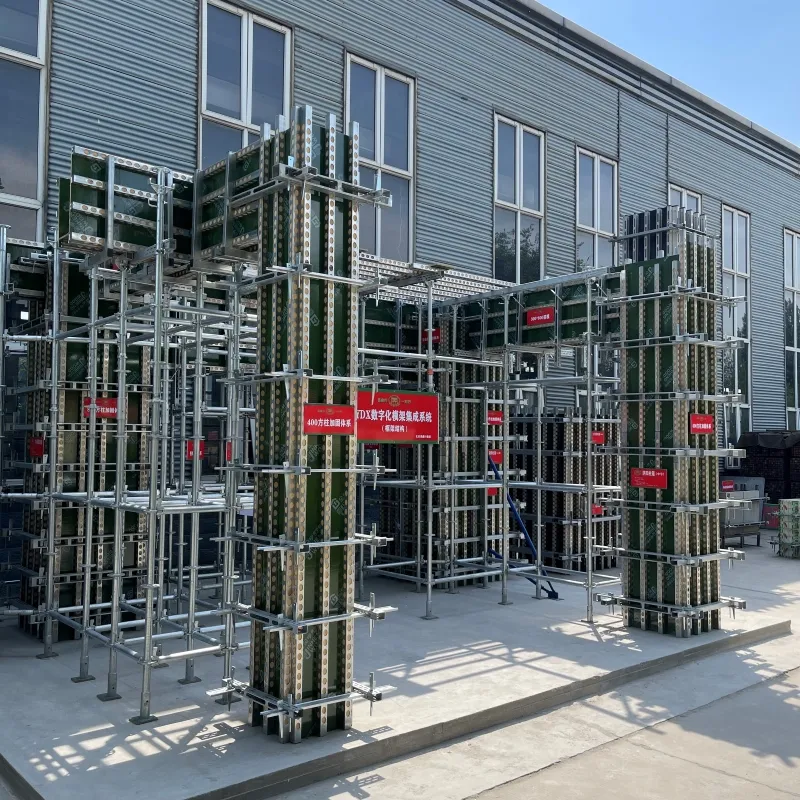
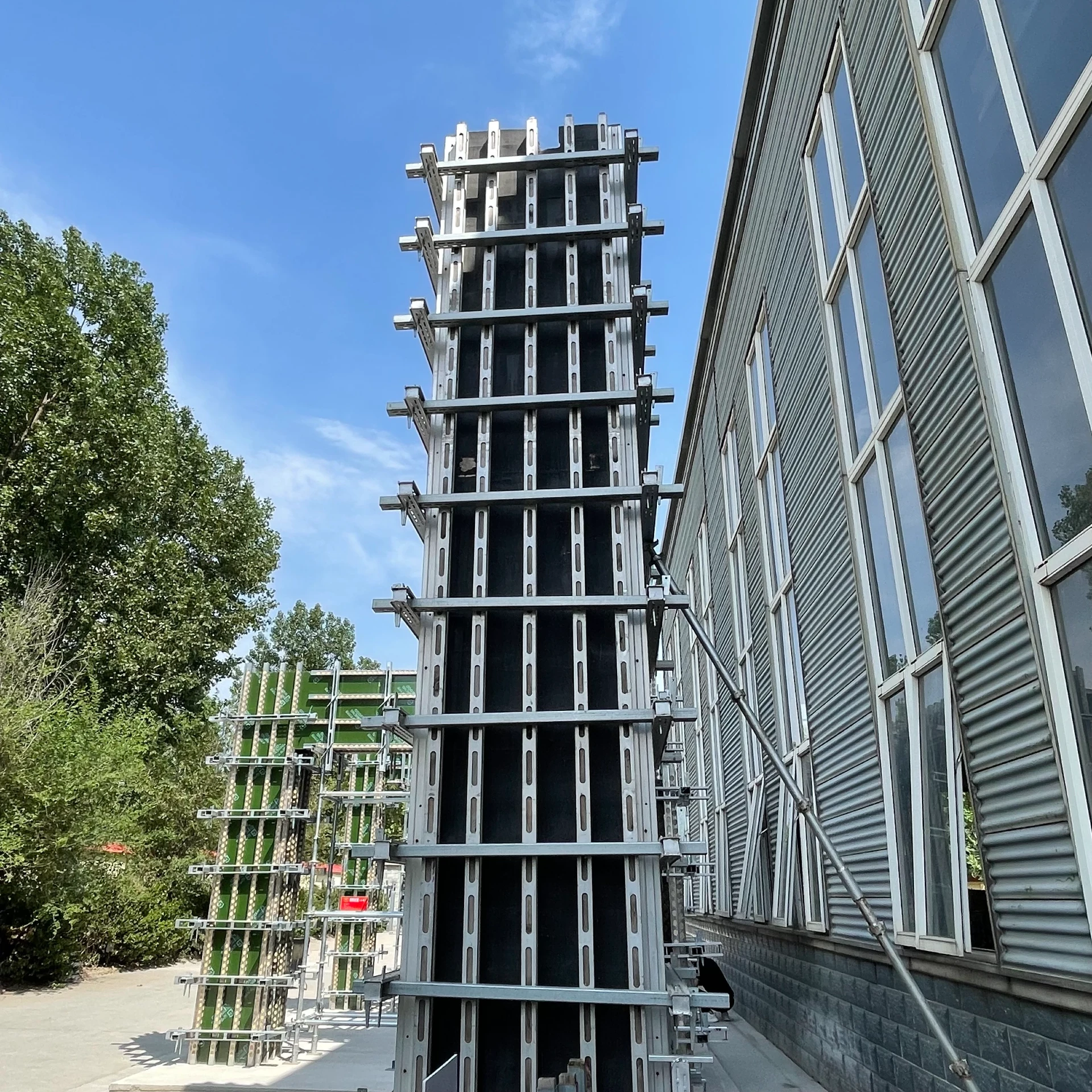
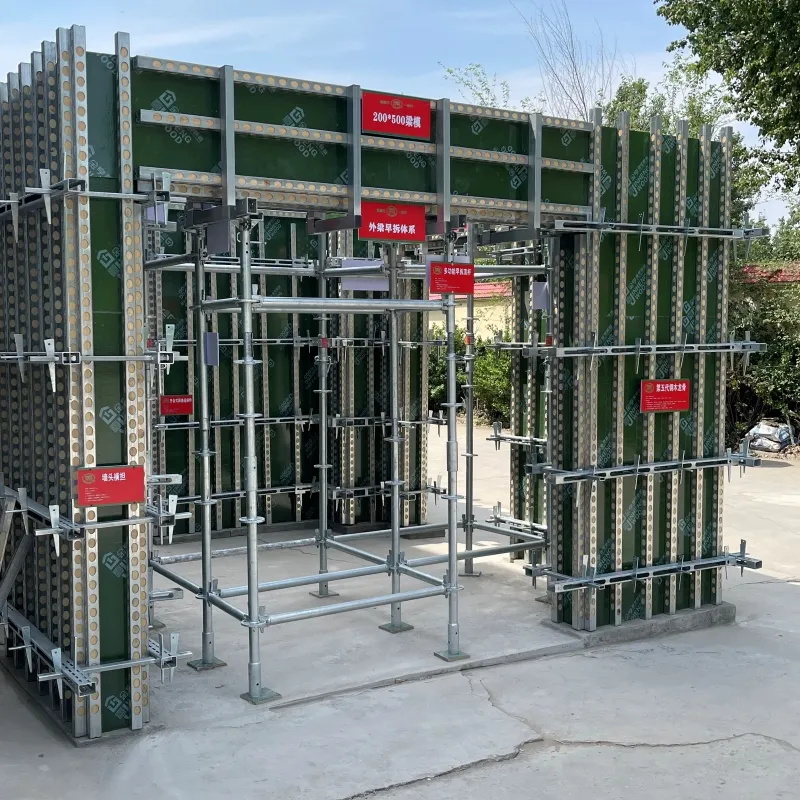
At their core, aluminium formwork panels are strong, lightweight molds crafted from aluminum alloys. They act as temporary structures into which concrete or mortar is poured and shaped, and after setting, the panels are removed and reused. Unlike traditional timber or steel formworks, aluminum panels provide a balance between strength and portability that modern projects crave.
These panels reflect a broader shift in the industry toward modular, sustainable, and rapid construction methods — essentials both in booming metropolises and humanitarian contexts.
Key Factors That Make Aluminium Formwork Panels Essential
Durability
Aluminum alloys resist corrosion and deformation better than steel or wood, especially in humid or coastal environments. This means longer life cycles with minimal maintenance — a crucial factor for large-scale projects where delays can be costly.
Scalability
Whether it’s a small residential block or a multifloor complex, aluminium formwork panels can be customized and scaled. Their modular design allows for quick assembly and disassembly, leading to significant labor savings.
Cost Efficiency
Even though initial investment is higher than timber alternatives, the reusability of aluminium panels means long-term savings on material procurement and waste management — a compelling argument for contractors focused on ROI.
Precision and Quality
Formworks made from aluminum deliver smooth concrete surfaces that reduce finishing work. This precision also improves the structural integrity of the final build, cutting down on defects.
Lightweight and Easy Handling
Aluminum is surprisingly light compared to steel, which reduces manual labor fatigue and helps keep the work environment safer. Oddly enough, many on-site workers report that setting up aluminium formwork panels feels more straightforward than traditional systems.
Product Specifications: Typical Aluminium Formwork Panel
| Specification | Details |
|---|---|
| Material | Aluminium alloy 6061-T6 |
| Panel Dimensions | 1200 mm x 600 mm (customizable) |
| Weight | 9 kg per panel (approx.) |
| Reusable Cycles | Up to 300 cycles |
| Finish | Smooth, corrosion-resistant anodized coating |
Global Applications & Real-World Use Cases
One standout use is in the rapidly growing urban centers of Southeast Asia, where demand for affordable and quick housing is intense. Aluminium formwork systems accelerate construction, helping meet urgent housing needs while keeping costs manageable.
Post-disaster rebuilding also benefits tremendously: after major earthquakes or floods, NGOs and governments rely on these panels to quickly erect stable shelters that can withstand further adverse conditions. For instance, in Nepal’s 2015 earthquake aftermath, modular aluminium formworks helped rebuild schools and hospitals more efficiently than traditional lumber-based methods.
Industrial zones in deserts or remote areas—say parts of the Middle East—use aluminium formwork panels because their corrosion resistance withstands harsh climates better than conventional methods.
Vendor Comparison: Popular Aluminium Formwork Panel Providers
| Vendor | Max Reuse Cycles | Cost per m² | Customization | Lead Time |
|---|---|---|---|---|
| BuildForm | 300 | $85 | High | 4 weeks |
| AluForm Systems | 250 | $75 | Medium | 5 weeks |
| QuickForm Tech | 280 | $80 | High | 3 weeks |
Advantages & Long-Term Value
Logically, aluminium formwork panels reduce material waste and labor hours, which directly lowers costs and project risks. But beyond the numbers, there’s an emotional component — workers tend to feel safer and more empowered using lighter, more manageable equipment. Plus, communities benefit from buildings that not only go up faster but last longer and meet higher quality standards.
Environmental advocates appreciate the panels’ reusability and lower environmental footprint, aligning with ISO standards on sustainable construction methods (ISO 21930). In real terms, this can contribute to greener cities and more resilient infrastructure—something every continent is striving for, frankly.
Future Trends & Innovations in Aluminium Formwork
The future looks like digitalization meets green energy for aluminium formwork panels. Manufacturers increasingly integrate sensors into panels for real-time monitoring of concrete curing — a game-changer in quality assurance. Automated drones and robots might soon handle panel setup, reducing human error and injury.
Additionally, innovations in alloy compositions and surface treatments are enhancing corrosion resistance and strength while cutting production costs. Some companies are exploring hybrid panels combining aluminium and recycled composites, boosting sustainability even further.
Challenges & Expert Solutions
Of course, no technology is perfect. Aluminium formwork panels typically require a more significant upfront investment, and a skilled workforce is necessary for optimal setup and maintenance. In some developing regions, this knowledge gap slows adoption.
Experts recommend comprehensive training programs and partnerships with experienced vendors for smooth integration. Leasing models and modular packages also help smaller contractors get started without crushing capital expenditures.
FAQ: Frequently Asked Questions About Aluminium Formwork Panel
- Q: How do aluminium formwork panels compare to timber in terms of durability?
A: Aluminium panels outlast timber by a wide margin as they resist rot, pests, and weather damage. They can be reused up to 300 times, whereas timber wears out much faster. - Q: Are aluminium formwork panels eco-friendly?
A: Yes, they reduce waste since they don’t degrade quickly, and less raw material consumption lowers carbon footprints in line with sustainability standards. - Q: Can these panels be customized for unique architectural designs?
A: Absolutely. Many suppliers offer tailored dimensions and shapes to accommodate complex structures without losing modular benefits. - Q: What is the typical lead time for ordering aluminium formwork panels?
A: Depending on vendor and customization, delivery usually ranges from 3 to 6 weeks. - Q: How do I train my team to use aluminium formworks effectively?
A: Most manufacturers provide training sessions and detailed manuals. Additionally, on-site support during initial projects helps bridge learning gaps.
Conclusion & Call to Action
To wrap up, the aluminium formwork panel is more than just a tool — it’s a transformative technology enabling safer, faster, and greener construction worldwide. Whether you’re tackling urban development, disaster relief, or industrial projects, investing in these systems makes smart sense in the long haul.
Feeling inspired? Explore our extensive resources and product offerings by visiting aluminium formwork panel solutions today.
Mini takeaway: Aluminium formwork panels combine durability, precision, and sustainability, aligning perfectly with the future of construction.
References:
1. UNEP Global Status Report 2020
2. ISO 21930 - Sustainability in construction
3. Wikipedia: Formwork
-
Comprehensive Guide to Scaffolding Rods for Safe Construction PracticesNewsFeb.24,2026
-
Comprehensive Guide to Different Types of Scaffolding for Construction ProjectsNewsFeb.11,2026
-
The Crucial Role and Safe Use of Scaffolding in Modern Construction ProjectsNewsJan.30,2026
-
Maximize Productivity and Safety with a Versatile 7m Scaffold TowerNewsJan.27,2026
-
6m Scaffold Tower: A Comprehensive Guide for B2B BuyersNewsJan.26,2026
-
6ft Scaffold: Durability and Safety in ConstructionNewsJan.25,2026
-
6 Scaffolding: A Modern Construction SolutionNewsJan.24,2026